Unleash your creativity: Use 3D printing to create custom fishing lure molds
The thrill of fishing isn’t just about the catch; It appears frequently in crafts. For professional anglers and bait enthusiasts alike, designing and using custom baits tailored to specific fish species, water conditions, or personal preferences can add an unrivaled quality to the experience. Historically, creating molds for these unique designs required complex machining or carpentry skills, which posed a significant barrier to entry. today, 3D printing has revolutionized the process, making it possible for anyone with the foresight and access to technology to create complex, high-performance fishing lure molds.
Whether you are a dream weekender "perfect" Whether it’s a decoy pattern or a small business looking to prototype new designs efficiently, 3D printing opens the door to unprecedented customization and speed.
Process: From digital design to functional mold
Creating custom bait molds via 3D printing involves a streamlined workflow:
- Digital design: It all starts with your computer. Using CAD (computer-aided design) software, ranging from beginner-friendly options like Tinkercad to professional tools like Fusion 360 or SolidWorks, you can precisely design your bait shape. This is where creativity takes the lead: designing complex body shapes, realistic proportions, unique fin configurations or specialized hook chambers and pour spouts. Accuracy here is critical to mold functionality.
- Design mold: Once your bait model is complete, turn your attention to the design of the mold itself. This involves cutting your decoy mold along strategic parting lines and creating two complementary mold halves (positive and negative) around it. Included are features such as precise alignment pins and registration marks, channels (gates) for molten material (plastic or metal) flow, and vents to release trapped air.
- Optimize printing: Prepare the mold model for the printer. Orient it on a virtual build plate to minimize support material and ensure structural integrity. Use printer-specific slicing software to slice the model and generate machine-readable instructions (G-code).
- Choose materials: Choosing the right printing materials is crucial. For prototyping or low-volume casting, durable thermoplastics such as Nylon (PA), PETG or ABS It has good impact resistance and moderate heat resistance, and is suitable for plastics such as polyurethane resin or softer lead-free alloys. For larger volumes or casting higher temperature metals (such as traditional lead alloys), high temperature resin Designed for injection molding applications even Metal 3D printing become necessary.
- 3D printing: Load the filament or resin and start printing. This stage transforms your digital mold into a tangible object. The printer builds complex cavities layer by layer to define the shape of the bait.
- Post-processing: Remove the mold from the printer and carefully remove all support structures. Grinding critical mating surfaces ensures a tight seal and a smooth casting. Depending on the material and intended use, it is critical to use a release agent before casting.
- Release your bait: Secure the mold halves together (clips usually work well). Carefully pour your chosen casting material (heated plastic resin, molten metal) into the sprue. Allow your new custom-designed fishing lure to cool and set completely before unmolding it. Finish by painting, adding eyes, and attaching hooks as desired.
Why 3D printing is revolutionizing the creation of custom bait molds
The benefits of using 3D printing to make bait molds are very compelling:
- Unlimited customization: Get rid of the constraints of commercially available shapes. Replicate rare vintage lures, design for specific fish, experiment with hydrodynamic curves, or just bring your unique concept to life.
- Rapid prototyping fails fast and succeeds faster: Test and refine bait designs faster than ever before. Print prototype molds, cast bait, test on the water, identify improvements, update CAD models overnight, and print new mold iterations the next day. This agility greatly accelerates innovation compared to traditional methods.
- Cost effective for prototypes and small batches: Eliminate the high upfront costs of CNC machining or specialty tooling, especially for one-off prototypes or limited production runs. Print only what you need, when you need it.
- Complexity becomes free: Incorporate intricate details such as ultra-fine scale patterns, segmented bodies for articulation, intricate interior chambers for rattles or weights, and precisely engineered hook anchor points. 3D printers can handle these complexities as easily as simple shapes that are often impossible or expensive using other methods.
- Auxiliary functions: Putting advanced manufacturing capabilities within reach. While CAD design expertise is valuable, desktop FDM or resin printers are becoming more affordable, lowering the barrier to entry for hobbyists.
Materials and surface treatments: key factors for success
The suitability of a 3D printed mold depends on material selection and finishing:
- Desktop Printer (FDM/Resin): Great for prototyping and plastic/precious metal clay casting. Durable nylon (glass filled) or high temperature resin can handle limited metal casting cycles. Without post-processing, surface finishes with rougher FDM layers can often leave visible layer lines on the bait being cast.
- Going one step further: high temperature and metal printing: For strict volume castings, especially hotter metals such as tin-lead alloys, or to achieve exceptionally smooth castings, materials such as PEI based filament (Ultem) or industrial grade Stereolithography (SLA) Resin Specifically formulated for mold making, providing superior temperature resistance and surface detail. A more powerful solution lies in Metal 3D printing.
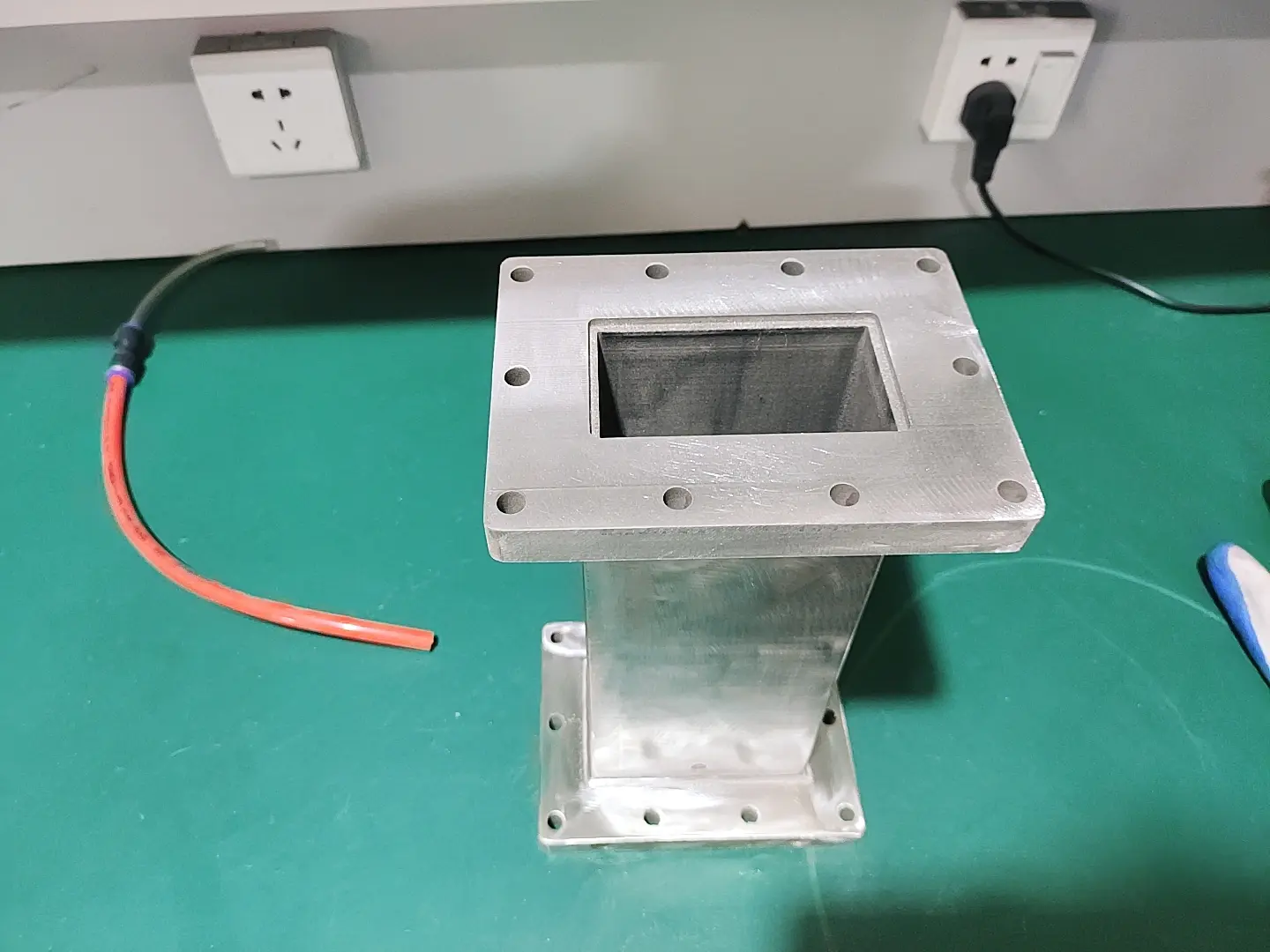
- Professional Advantages: Metal Additive Manufacturing: Technology such as Selective Laser Melting (SLM) Metal molds can be produced directly from tool steel (such as H13, stainless steel). These molds offer exceptional durability for high-volume production, superior temperature resistance, excellent surface finish (also suitable for fishing lures), and complex cooling channel integration for faster cycle times. This is where working with expert providers can be transformative.
Boost your custom mold production: Work with the pros
While desktop printing unlocks huge potential in the home, achieving production-grade results for demanding applications requires industrial-grade technology and expertise. This is especially true for molds used to repeatedly cast high-temperature materials or achieve complex geometries through internal conformal cooling.
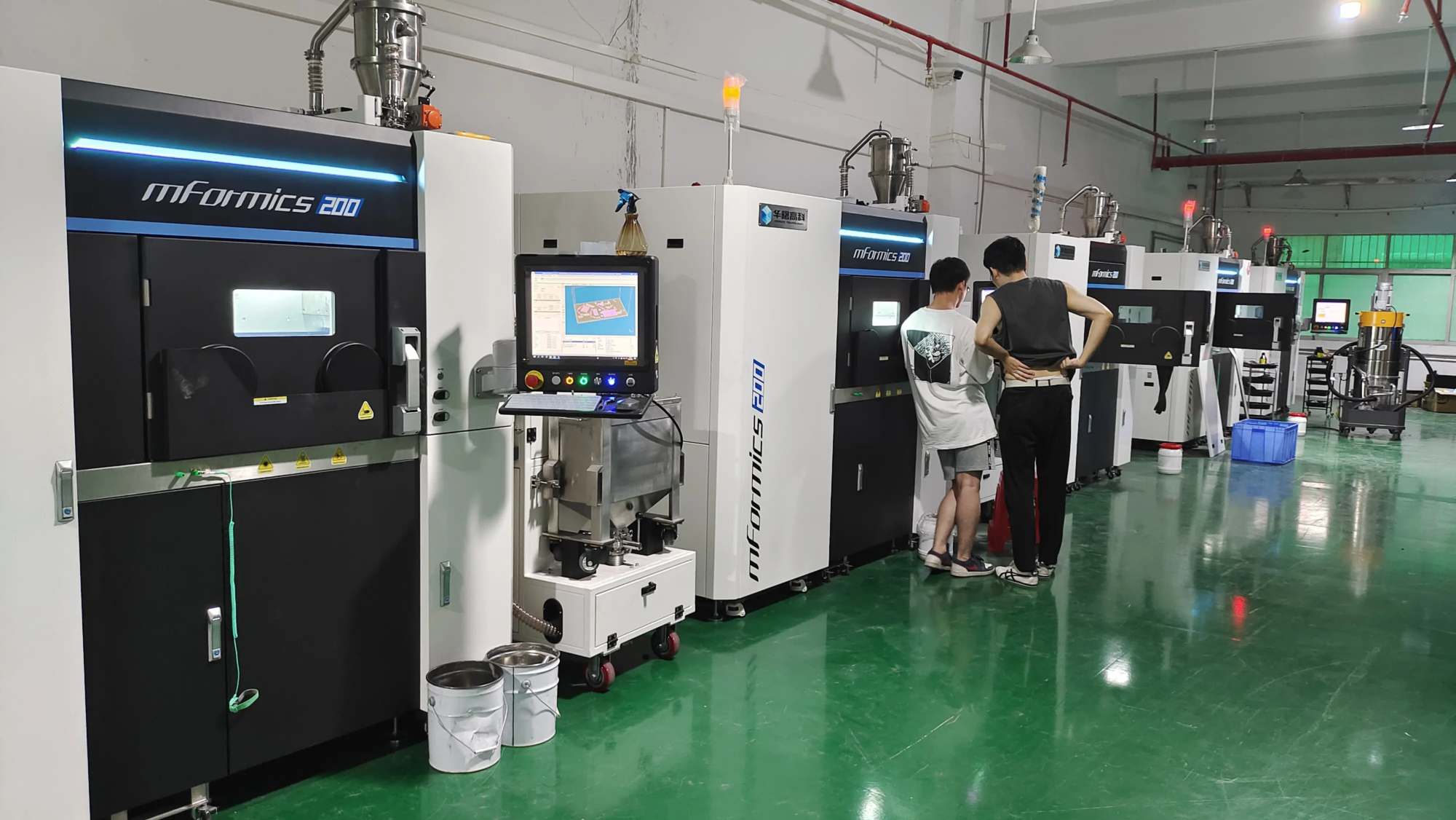
huge light in a leading position Rapid prototyping and additive manufacturingproviding complete solutions to bridge the gap between DIY and industrial production.
- Advanced Metal Printing: Equipped with state-of-the-art Selective Laser Melting (SLM) printer, GreatLight can produce pure metal bait molds. Why choose metal?
- Excellent durability: Steel molds can withstand thousands of casting cycles, making them ideal for commercialization.
- Excellent heat resistance: Consistently cast hotter metals without mold degradation.
- Unparalleled details and finishes: Get extremely smooth cavity surfaces and intricate details directly from the printer.
- Release complexity: Build molds with internal cooling channels optimized to quickly dissipate heat during the casting cycle.
- Comprehensive services: GreatLight provides a true One stop solution:
- Materials expertise: Processes a variety of aerospace grade metal powders including stainless steel, titanium alloys, aluminum alloys, Inconel and tool steels such as H13 and maraging steels. Are specific attributes required? Custom material options available.
- Post-processing capabilities: From critical support removal and heat treatment (stress relief, hardening) to precision machining, sandblasting, surface polishing (various surface treatments) and coatings (wear-resistant nitriding) – GreatLight specializes in handling it all.
- Prototype to production: The expertise doesn’t stop at printing. Their team provides design optimization recommendations, including mold flow analysis, ensuring manufacturability and functionality whether for a single prototype mold or larger batches.
- Commitment to quality and speed: Understanding the pace of product development, GreatLight leverages its advanced capabilities and expertise to deliver high-quality products Precision Rapid Prototyping and Customized precision machining solution Fast and competitive.
For anglers and manufacturers serious about taking custom bait production to the highest level, partnering with experts like GreatLight can provide industrial-strength metal molds.”[solutions](Technological innovation) previously unavailable or prohibitively expensive.
in conclusion
The fusion of digital design and 3D printing technology has democratized the creation of custom fishing lure molds. From quickly prototyping unique designs on a desktop printer to using professional partners such as huge lightanglers and bait crafters have more power than ever before. It enables you to experiment, improve and produce baits that perfectly suit your strategy and local conditions. **>&#)) Cost, complexity and barriers to access have disappeared. Employ this technology to unleash your creativity, optimize your catch rates, and experience the deep satisfaction of fishing with baits you design and create yourself – starting with a 3D printer mold born from your imagination. Whether you’re a hobbyist trying to get started, or a professional looking for a production-ready solution, the world of custom fishing lures is now yours to shape.
Frequently Asked Questions About 3D Printed Fish Bait Molds
-
Can I print bait molds on any standard desktop 3D printer?
Generally speaking, FDM (plastic filament) and resin printers can usually handle molds used to cast softer materials such as polyurethane plastics or low-melting bismuth-tin alloys. Experience shows that printers that can print fine details and use durable supplies perform best.
-
What are the best 3D printing materials for homemade bait molds (using plastic/resin)?
For FDM printers: polyethylene terephthalate Popular for its toughness, impact resistance and moderate heat deflection temperature. Nylon (PA or PA-CF) Offers greater temperature and abrasion resistance, but requires printing expertise.
For resin printers: Find a professional high temperature resin or "engineered" Resin Designed specifically for mold making or injection molding applications. -
Can I cast soft plastics (such as plastisols) in 3D printing molds?
Absolutely! Polyurethane resin is the most common and safest choice for tabletop casters. Please note that plastisol pouring temperatures are generally within the safe range for most printed plastics. However, repeated exposure to higher heat can shorten the life of the mold. Avoid getting molten lead directly into the plastic/resin mold as high temperatures can cause severe damage/smoke.
-
How durable are 3D printed plastic molds?
This makes a huge difference. FDM PETG/nylon molds can produce anywhere from a dozen to more than 50 soft plastic or low-temperature metal/plastic castings before warping, wear, or thermal degradation becomes apparent. Looking forward to correspondence. Resin molds can produce fewer castings.
-
Why do I need a metal 3D printed mold (for example, from GreatLight using SLM)?
Metal molds have significant advantages:
- Durability: Thousands of casting cycles (lead, plastic).
- Heat resistance: Handles high temperature molten metals, lead alloys and plastics.
- detail: The superior surface finish transfers directly to the bait.
- Yield: Suitable for commercial mass production.
- Complex cooling: Internal channel integration.
This route is recommended for robust prototypes aimed at production or for serious anglers demanding the highest performance R8
-
Do I need design experience to create molds?
Basic CAD skills are essential. Tag 있으며เริ่ม하였다 Starting with simpler bait shapes or modifying existing free models online can help beginners stay patient. Mastering the anatomy of mold mechanical properties is still necessary, but the many tutorials available aim to alleviate the initial hurdles involved.
-
Are there important security considerations?
* Use an enclosed printer in accordance with the safety practices manual and ventilation.
- Follow instructions carefully when handling molten materials, especially hot cast mold depth moderators: Obvious dangers such as explosions can be mitigated by wearing protective gear.
- Whenever working with particulate interventions, sand/finish the printed mold outdoors or with a respirator.
- Where can I get professional help designing or producing durable metal bait molds?
The company specializes in Industrial Additive Manufacturing and Rapid Prototypinglike [mention implied – GreatLight]providing expertise in advanced design support, metal 3D printing using SLM/DMLS technology, and comprehensive post-processing services tailored to produce high-performance, long-lasting custom bait molds. Request a quote detailing your requirements для получше решения.