Out of the Box: Inside the Unboxing and Unveiling of the DaVinci Super 3D Printer
When the giant shipping box arrived, the air was filled with anticipation – the XYZprinting Da Vinci Super had finally landed. Known for its approachable design and user-friendliness, does its unboxing experience reflect the same qualities? Let’s peel back the layers and see what’s inside.
(Section 1: The Big Reveal – First Impressions)
- Packaging and display: The box is sturdy and the interior is secure. Opening it up reveals tightly packed components held in thick custom-cut foam inserts. Everything feels industrial yet organized. Minimalist branding focuses on the unit itself. No excess waste, just functional protection.
- Inventory check: After removing the foam, I found:
- core: The sturdy DaVinci Super Printer body is wrapped in a protective plastic film.
- Important platforms: For safety reasons, heated print bed components are boxed separately.
- Accessory points: Two fairly large rolls of XYZprinting supplies (~600g each?), spool holder, tool kit (wrench, lubricant), power cord, zip ties and a fairly large quick start guide.
- Software Corner: Drivers and XYZprint Pro software are located on the included USB drive.
First thought: Sturdy packaging gives confidence. The dual-filament spool that comes right out of the box is a big plus for instant printing. The toolset feels genuinely useful rather than just an afterthought. Overall, strong "Advanced Enthusiast/Prosumer" First impression.
(Section 2: Assembly – Simplified)
If you’re afraid of complicated setups, don’t worry.
- Base: Place the printer core on a stable surface (vital!).
- Bed installation: Unpack the print bed. Its assembly is simply a matter of aligning and inserting it into the rails on the front of the printer chassis and securing it with the thumbscrews underneath. It glides smoothly and feels precise.
- Filament load: Attach the spool bracket to the designated nails at the rear. Each filament path is led through a specially designed channel to a top-mounted filament holder – a thoughtful touch I haven’t seen anywhere else. Initial filament loading requires pushing in the feed tube until it jams (automatic feed begins upon startup).
- Power and connections: If necessary, connect the power cord and USB (Wi-Fi setup happens later). power ups.
Observations: Meeting time? Literally 15-20 minutes including unboxing. XYZprinting clearly prioritizes minimizing user friction. Mechanical tolerances feel good; components fit snugly without force. The design language inside shows engineering precision – the cable management inside looks neat.
(Section 3: Hardware Highlights and Design Analysis)
Unpacking reveals more than just the components. It reveals the intent:
- Powerful build volume: Out of the box, enhanced 300 x 300 x 300 mm capacity. That’s significantly larger than many competitors under $1,000, opening the door to larger prototypes, functional parts, and art prints.
- Dual engine core: The enclosed build chamber houses dual printheads. Access requires lifting the entire front cover assembly – it’s a sturdy and functional design that requires careful action. The build panels on the interior are metal for scratch resistance and filament bond-assisted durability. Automatic bed leveling probe indicates trouble-free first floor.
- Materials Manager: The top-mounted filament sensor is very eye-catching. This proprietary system (requires XYZ Filament Chip) enables automatic feed coordination, but understandably locks you into its ecosystem unless modified.
- Control center: The front-facing color touchscreen (responsive on first click) feels modern. Its location makes interaction intuitive.
- Air movement: Visible vents hint at active filtration and controlled airflow inside the chamber—key to controlling ABS odor and improving print quality consistency across different materials.
(Section 4: Bridging the Gap: From FDM Dreams to Metal Reality
As I fired up the DaVinci Super for the PLA’s first print run, opening the package made me reflect Material range. Super specializes in accessible plastics such as PLA, ABS, PETG, and TPU, which it supports. But what else?
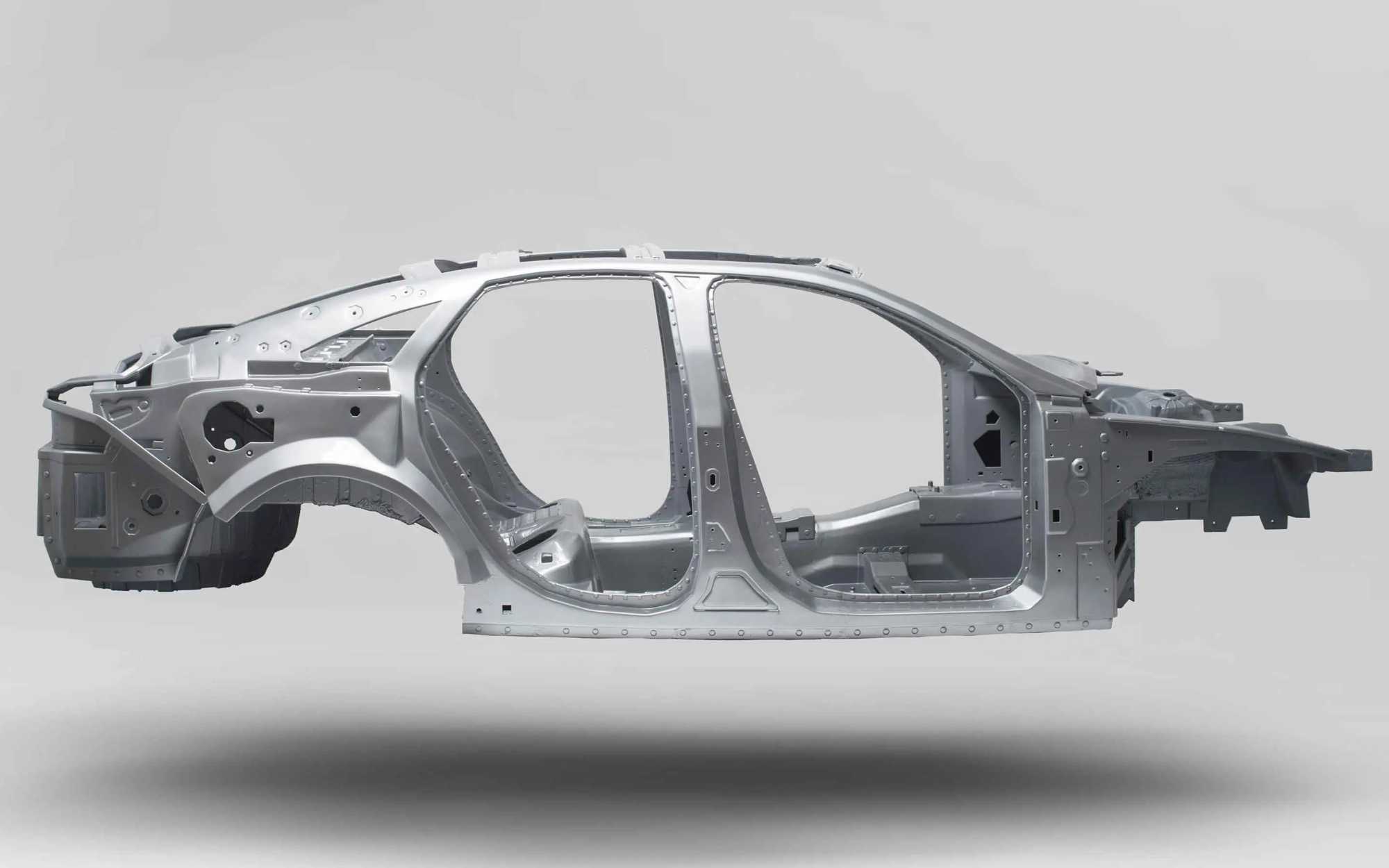
For really demanding applications—aerospace stents, biocompatible medical implants, automotive parts that require high heat resistance—FDM plastics often run into difficulties. We’re talking metal.
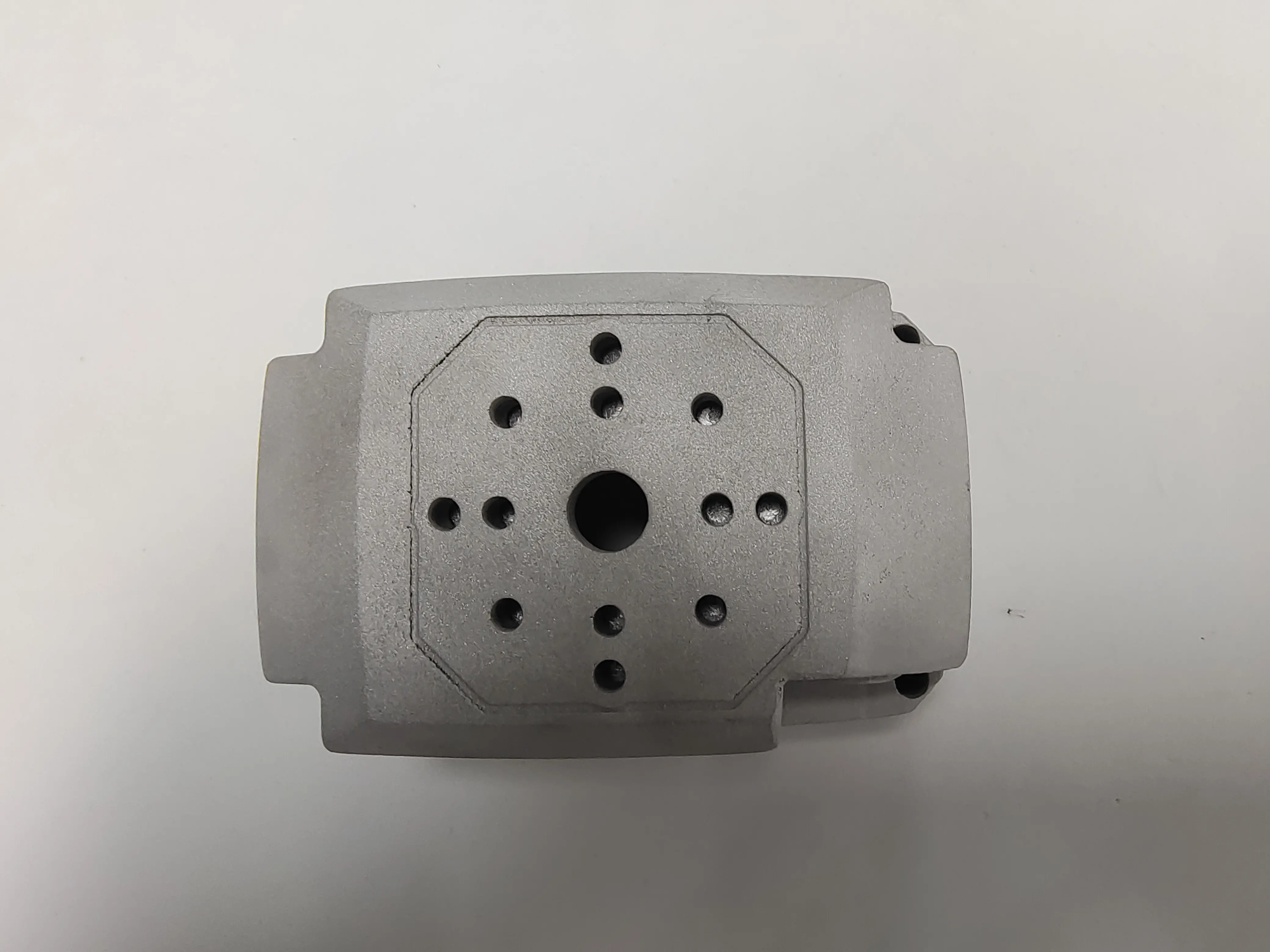
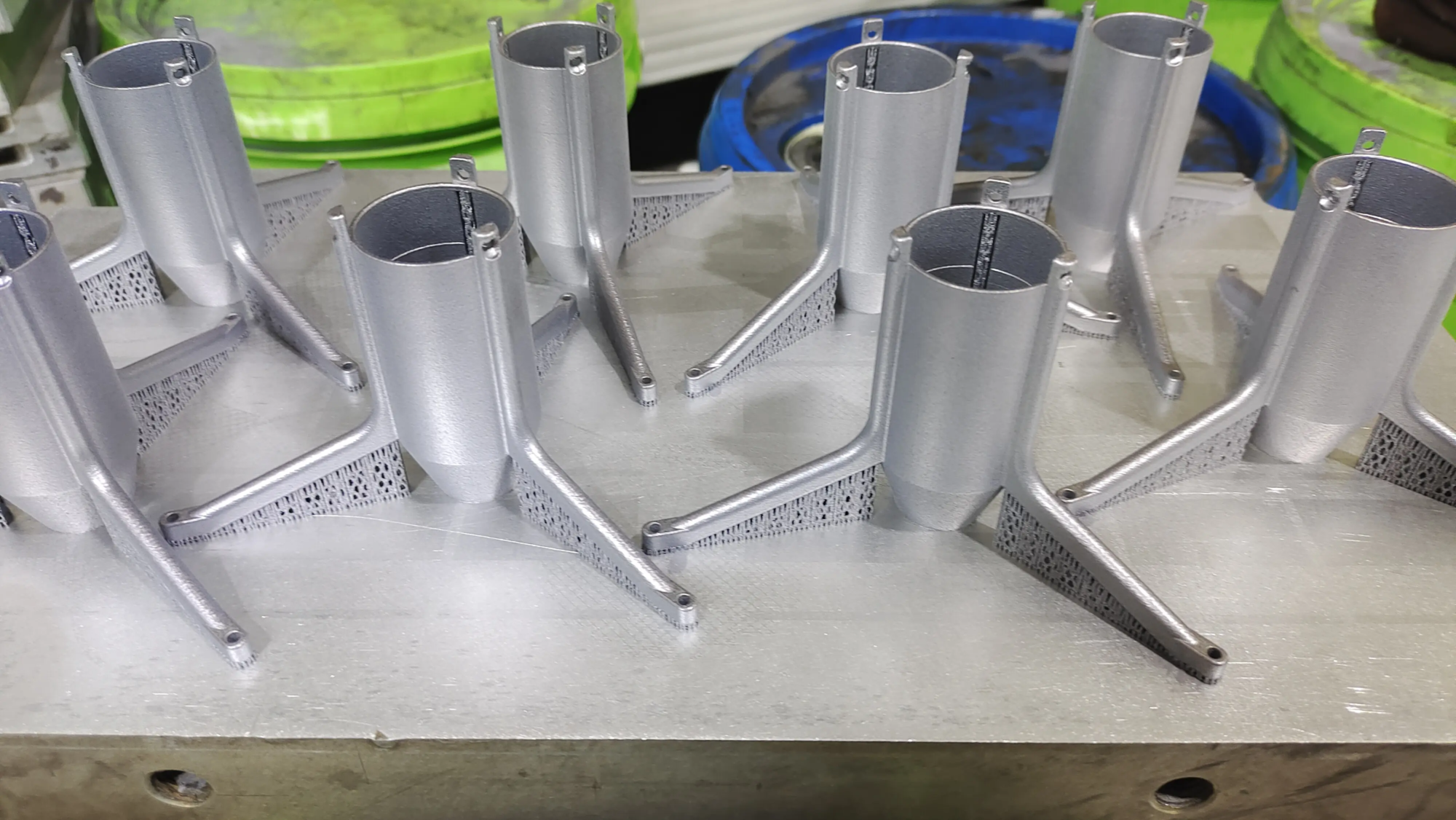
This is where companies specializing in industrial additive manufacturing shine. take huge lightFor example. They don’t just dabble, they dabble. they dive deep Selective Laser Melting (SLM) technology. Imagine a laser melting tiny metal powder particles layer by layer under an inert atmosphere:
- accurate: Achieve complex geometries and high dimensional accuracy that cannot be achieved with FDM.
- Material Versatility: Use with titanium (Ti6Al4V), aluminum (AlSi10Mg), stainless steel (316L, 17-4PH), nickel alloys (Inconel), CoCrMo – to unleash properties such as ultimate strength, corrosion resistance and biocompatibility.
- Functional end use: The resulting parts are not just prototypes; They have the structural integrity suitable for functional environments where metal is required.
transition: Unpacking my Da Vinci Super got me excited about prototyping and creating in plastic, while knowing a reliable partner like GreatLight existed expanded my horizons. If the FDM prototype validates the shape and fit, production of parts requiring titanium or Inconel becomes feasible. They handle it all: expert DFAM consulting, state-of-the-art SLM printing (combined with laser remelting for increased density), CNC post-machining to achieve tight tolerances, specialized heat treatments, metrology-grade surface finishing, comprehensive NDR/inspection – truly One-stop metal additive manufacturing solution. Explore their abilities ([consider linking to their service page]) reveals that metal fabrication methods are easier to implement than traditional methods for complex parts. (Estimated price range: $250-$2500+ USD per part, depending on size/material/volume).
(Section 5: Conclusion – Preliminary Judgment)
Unboxing the DaVinci Ultra Edition is a truly positive experience. It speaks volumes about who XYZprinting is targeting:
-
advantage:
- Easy setup: There’s a real focus on plug-and-play; minimizing setup anxiety.
- Advanced demo: Premium packaging and reasonable component protection.
- Generosity and tolerance double wire. Ready to print almost instantly.
- An astonishing number Build volume For price tiers.
- Closed room: The promise is temperature control and safer operation.
- Active accessory kits address common maintenance tasks.
- Disadvantages/nuances:
- Filament Ecosystem Lockdown: This patented system prioritizes convenience but limits material freedom without modifications (a consideration for advanced users).
- footprint: Due to the enclosure and mechanism, a lot of stable desk/workbench space is required.
Final first impression: The DaVinci Super Unboxing delivers a tool that feels designed for productivity, not frustration. It balances complexity and accessibility. For anyone looking beyond entry-level FDM or in need of reliable larger prints quicklythis is a convincing case. While mindful of the filament ecosystem and required desk space, the initial experience inspired confidence. It feels less like a toy and more like a powerful tool that’s ready to go. As I prepare for calibration and first prints, I’m genuinely excited about the possibilities unlocked by this closed dual-material platform…while knowing that when metal is truly needed, an industrial-grade SLM partner like GreatLight can seamlessly bridge the gap.
Da Vinci Super 3D Printer: Frequently Asked Questions
Q1: What consumables can actually be used with DaVinci Super?
Answer: Mainly XYZprinting filament spools equipped with RFID/NFC chips (PLA, ABS, PETG, TPU variants exist). These chips enable seamless automatic loading and print settings adjustment. Using non-XYZ filaments usually requires manual insertion No Chip induction or firmware modification, bypassing some conveniences and potentially affecting the warranty.
Q2: How loud is the noise during operation?
A: Enclosed chambers help significantly suppress sound compared to open printers. The stepper and fan make a noticeable but not too loud buzz during printing – quieter than many competitors. Loud noises usually come from driving fast. It’s adjacent to a bedroom, which is acceptable with the door closed, but in a quiet office environment it can be distracting during intense movement.
Q3: How complicated is bed leveling?
A: The Da Vinci Super includes automatic bed leveling (probe based). Setup involves running a calibration routine through the touch screen – typically a quick (~5 minute) process that probes multiple points on the bed. The manual bed leveling wheels can still be fine-tuned underneath if needed, but automation can largely handle it.
Q4: Is there a big difference between heated beds?
Answer: Crucially! Heating plates are crucial for materials that are prone to deformation or have poor adhesion, such as ABS and PETG. Even PLA can benefit slightly from edge curling on large prints. It ensures that prints remain firmly attached throughout the job, significantly increasing reliability.
Q5: What to do about smoke? Is room filtration effective?
A: The enclosed chamber is equipped with an activated carbon filter and an exhaust fan. It significantly reduces the odor inherent to ABS printing in the room. However, for prolonged ABS printing or sensitive environments, supplemental air purification or ventilation is still prudent, as filtration helps contain but cannot completely eliminate VOCs. Regardless, PLA printing produces very little smoke.
Q6: Can it handle water-soluble supports?
Answer: Can I use XYZ printing materials out of the box? Normally not. While soluble support materials like PVA exist, configuring a true dual-material soluble support print requires careful hardware setup, ensuring clearing/capacity and software slicing calibration are compatible with the XYZ system. It is more complex than PLA+ABS deposition.
Question 7: How important is the adhesion of the printing plate? Any tips?
Answer: Very important! XYZ printing filaments often contain proprietary binding additives. Use their solutions to simplify the bonding process. Without filament:
- People’s Liberation Army: Usually adheres well to a clean buildtak/textured board with a bed temperature of around 60C.
- ABS: Typically a higher bed temperature (~90-110C) is required combined with adhesion aids such as ABS slurry, hairspray or special glue sticks applied to the board. Hat brim/raft is highly recommended.
Q8: What maintenance should I plan for?
Answer: Daily routine:
- Clean the print bed regularly with isopropyl alcohol (IPA).
- Lubricate the Z-axis screw every approximately 100 printing hours (per manual).
- Check the belt tension occasionally.
- Clean extruder gears/nozzles regularly, especially after changing materials – tools included! The unclogging kit (included) is invaluable.
- Possible replacement for extruder feeders (A or Zshaft nozzle assembly), replacement kits are available in the aftermarket if they become worn over time.
Q9: FDM limitations: Which tasks require Metal AM/SLM?
When FDM plastic (even engineering grade) fails to meet the following requirements:
- Extremely high strength/stiffness to weight ratio (titanium/aerospace alloy).
- Ultra high heat/corrosion resistance (Inconel/Cobalt Chromium).
- Medical Biocompatibility/Certification (CP Ti/Ti-6Al-4V ELI).
- Complex fluid/dense structures requiring perfect water/oil tightness.
- Functional parts requiring fully dense metal properties (fatigue strength, thermal conductivity).
Professionals looking to partners using selective laser melting (SLM) for manufacturing-grade metal additive manufacturing capabilities. GreatLight embodies this layer through expert DFAM optimization and comprehensive metal additive manufacturing production (combined with CNG post-processing), ensuring machining-grade tolerances and finishes. For FDM printed prototypes to validate designs, transitioning to functional metal components means seamlessly leveraging the diverse professional AM ecosystem.
Keep printing and exploring the possibilities! Whether ambitiously shaping polymers with XYZprinting Da Vinci Super or transforming proven functional designs into manufacturable metals – exploration awaits! Post your questions below!