Invisible Precision Heroes: Uncovering the Mysteries of Perfect 3D Printed Metal Part Deburring Tools
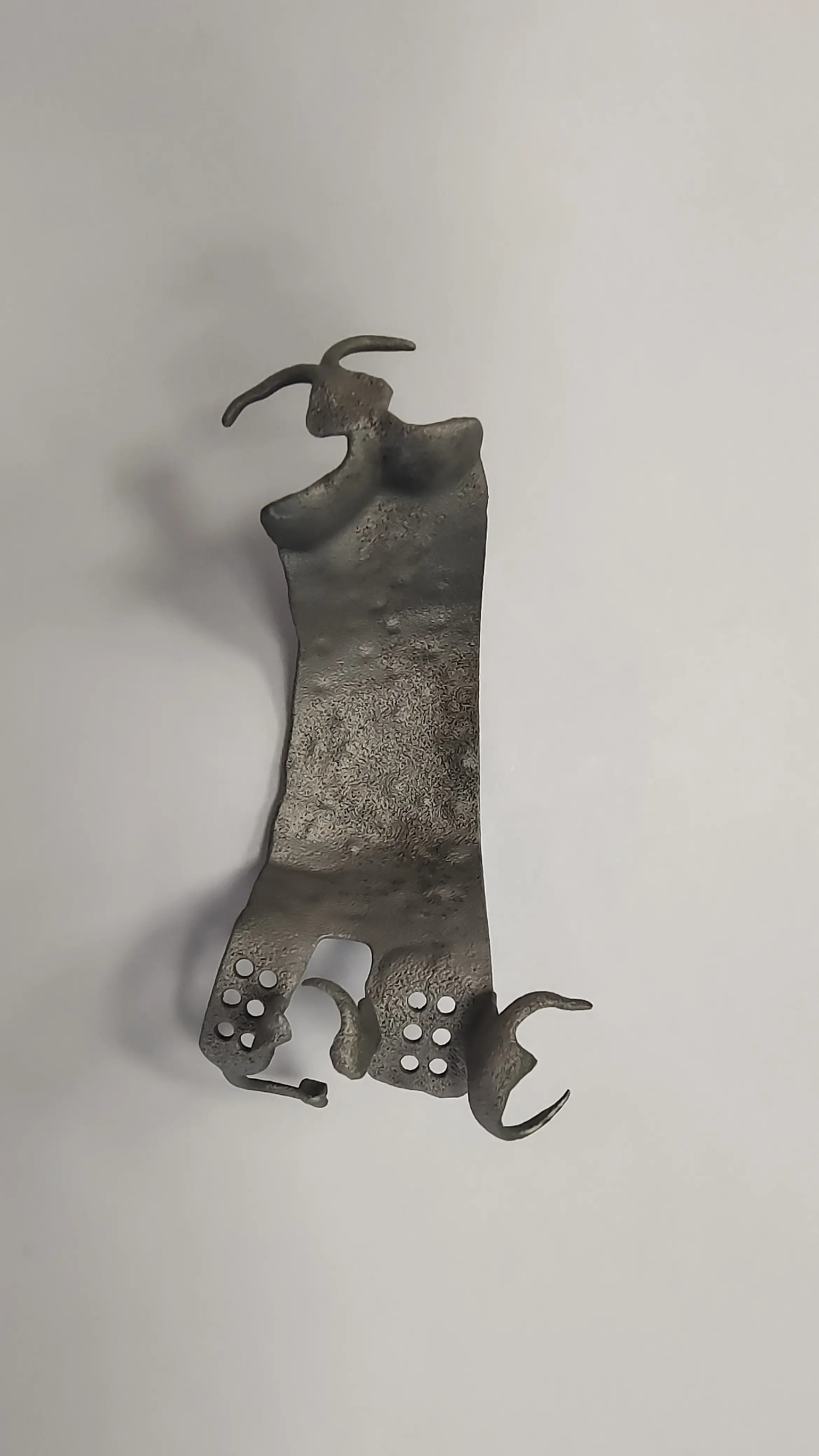
The magic of metal 3D printing, specifically Selective Laser Melting (SLM), is its ability to conjure complex geometries directly from digital dreams. Parts emerging from the powder bed have complex internal channels, organic shapes and lightweight lattices not possible with traditional manufacturing. But this technological marvel also faces its own finishing challenges: glitch.
Those tiny, unwanted ridges, sharp edges, and partially fused grains left over from the printing process are not only unsightly but a performance killer. They can compromise fit, function, safety and aesthetics. This is the often overlooked art and science of Deburring Let’s explore the essential tools for transforming a rough print into polished perfection.
Why deburring metal 3D prints is non-negotiable
Unlike machining where burrs are usually concentrated at the edge of the cut, metal additive manufacturing burrs can appear almost anywhere:
- Support structure interface: Point removal often leaves sharp protrusions "Nubins."
- Subcutaneous surface: The bottom surface and overhanging parts exhibit higher surface roughness and partially melted particles.
- Hole perimeter and internal channels: Burrs may develop on edges or accessible surfaces near holes.
- Layer artifacts: The tiny stepped edges inherent in printing layer by layer.
Ignoring these flaws can result in:
- Reduce assembly fit: Burrs can prevent parts from fitting seamlessly.
- Premature wear: Sharp edges accelerate wear on moving parts.
- Safety hazards: Sharp burrs pose a risk to operators and end users.
- Damaged surface properties: Affects plating, coating adhesion and fatigue life.
- Hydraulic/pneumatic system failure: Loose particles and burrs in the fluid path can cause catastrophic damage.
Your arsenal of deburring tools: from delicate manual to advanced automation
Choosing the right deburring tool depends on part geometry, material hardness, burr severity, desired surface finish and throughput.
1. Hand tools: foundation
- Files and Files: Critical for large protrusions and initial total material removal. Diamond grit files work well on hardened materials like tool steel or nickel alloys. Gradually reduce the thickness to refine.
- Abrasive stone: Versatile for shaping edges, smoothing flat surfaces and getting into gaps. Ceramic, silicon carbide, alumina available in various shapes, sizes and particle sizes.
- Deburring knife/scraper: Precision instruments carefully scrape away delicate burrs or thin burrs along edges and holes without digging into the underlying surface. Requires skilled hands.
- Sandpaper and emery cloth: Standard practice for final surface finishing and fine burr blending. Sanding blocks and mandrels help maintain the integrity of the geometry. Wet grinding minimizes loading/clogging.
- Rotary Tool (Dremel Type): Micro power tools that provide precise control. Equipped with carbide burs, setting stones, grinding heads, brushes and micro-abrasive discs. Ideal for complex internal channels and complex geometries. Careful technique is required to avoid gouging.
2. Specialty Abrasives: Achieving Unreachable Goals
- Grinding brushes (wheel type, cup type, end type, radial type): Critical for interior surfaces. Made of nylon or polymers impregnated with abrasives (SiC, AlOx). Wire (ferrous brass, stainless steel) brushes are effective on softer metals but will stain titanium. Flexible shaft helps with complex paths.
- Grinding rope/rope: Threaded through holes polish and deburr the inner diameter surface. Soak in lubricant before use.
- Abrasive tubes and caps: Designed to uniformly polish tube inside diameters and bore openings.
- Rolling and deburring: For smaller parts. Vibrates or tumbles parts using a variety of abrasive media (ceramic, plastic, synthetic). Effectively removes large amounts of external burrs and rounded edges. Not well suited for complex geometries that require local attention.
3. Advanced deburring technology: precision and efficiency
- Chemical deburring (chemical milling): Use selective chemicals to dissolve microburrs on designated surfaces. Highly controlled process requiring masking/protection. Effective, but requires chemical handling expertise.
- Thermal deburring (TEM): An explosion of an explosive gas mixture in a closed chamber will instantly evaporate the burrs. Ideal for hard-to-reach burrs in complex internal passages. Initial setup costs are higher.
- Electrochemical deburring (ECD): The principle of electrolysis is used to selectively corrode burrs. Requires conductive metal parts, tools (electrodes) and electrolyte. Excellent accuracy for hard-to-reach points and precision parts.
- Laser deburring: Non-contact, high-precision deburring using focused laser energy. Ideal for microburrs, fragile parts and tight tolerance areas. Special equipment is required.
- Abrasive Flow Machining (AFM): Forcing polymers containing abrasives ("putty") passes through channels under pressure, uniformly deburring and polishing inner diameters and complex geometries that other methods cannot achieve.
- CNC machining/post-processing: The ultimate precision tool. Accurately machine critical datums, holes and interfaces back Printing, inherently removes all burrs. This is often critical for high-precision functional components where tight tolerances on mating surfaces are required.
Addressing material challenges
Material selection greatly affects deburring strategy:
- Stainless steel (316L, 17-4 PH): Medium hard. Versatile tool, easily work hardened – sharp tools are essential.
- Titanium alloy (Ti6Al4V): Hard and abrasive. Requires sharp carbide tools or diamond abrasives. Avoid using steel brushes to prevent contamination/staining. Beware of fire risk of dry fine powder/flakes.
- Aluminum alloy (AlSi10Mg, Al7075): Softer but stains/bruises easily. Sharp tools and proper lubrication are key. Avoid excessive force. A wire brush usually works well.
- Tool steel (H13, maraging steel): Very difficult. Diamond files/stones, carbide burs must be used. Manual methods require a lot of time/effort. Usually best solved via CNC machining or laser/TEM.
- Nickel alloy (Inconel 625, 718): Severe work hardening tendency and abrasive grains. Manual operation is extremely challenging. CNC machining, laser deburring or TEM are usually preferred.
Safety first: Always wear appropriate personal protective equipment: safety glasses or face shield, cut-resistant gloves for hand tools, hearing protection for power tools, and a respirator when producing fine dusts (especially titanium). Keep work area clean. Plan delivery times, not just printing.
Why working with experts like GreatLight makes sense
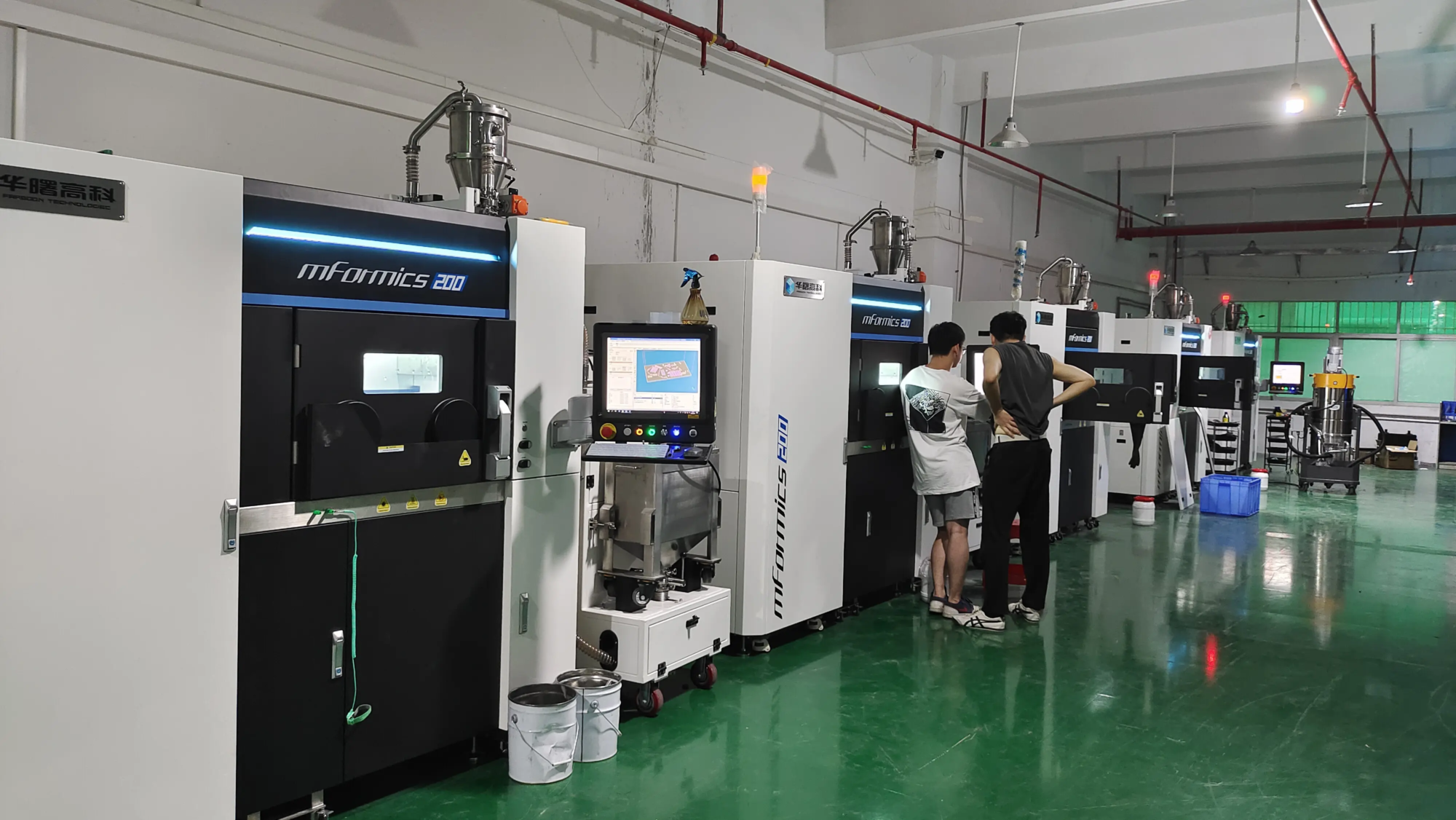
As mentioned above, getting a truly flawless 3D printed metal part requires more than just hammering "Print." It requires expertise in Both manufacture and finishing. where is this huge light shine:
- Deep process understanding: We understand the unique burr challenges inherent in metal additive manufacturing of different geometries and materials.
- Full Spectrum Tools: Equipped with comprehensive deburring capabilities – from skilled technicians leveraging decades of experience handling hand tools, to advanced automated solutions such as CNC machining centers, laser deburring, abrasive flow machining and complex sandblasting/chemical processes as required.
- Materials expertise: Proven strategies tailored to the characteristics of each material – no contamination when working with titanium, no staining when working with aluminum, and precise processing when working with hardened steel.
- Post-integration processing: Deburring is only the first step. We seamlessly integrate this with heat treatment, stress relief, surface preparation (sandblasting, polishing, coating/plating), inspection and assembly for complete part preparation.
- Cost-effective results: A tightly controlled process minimizes labor costs and iteration cycles, ensuring you get top-notch surfaces and geometries optimized for cost and functionality.
Don’t let burrs ruin your innovative metal 3D printing designs. Accept the need for meticulous deburring.
Conclusion: The finishing touches to innovation
Metal 3D printing unlocks design freedom, but true precision and functionality depend on meticulous post-processing. Deburring is the critical bridge connecting raw AM parts to delicate, reliable components. From simple hand filing to complex laser ablation, master deburring techniques – Learn What Use tools when and how – is the most important.
Investing in proper deburring isn’t an afterthought. This is an investment in part performance, longevity and safety. Whether you’re handling your project in-house or leveraging the expertise of a partner like GreatLight, prioritizing a perfect finish ensures your 3D printing innovation truly shines, with no flaws holding it back.
Ready to achieve perfect surfaces on rapid prototyping? Get a quote.
Deburring Tools for 3D Printed Metal Parts: FAQs
Q: Can’t I print directly without burrs?
A: Unfortunately, burrs are an inherent artifact of metal additive manufacturing processes like SLM due to powder properties, support interactions, laser melting physics (balling, spattering) and layer-by-layer buildup. While process optimization can minimize them, post-build removal is almost always required.
Q: What is best Deburring tool for metal 3D printing?
Answer: There is no single "best" tool. The perfect choice depends largely on:
- The material of the part (hardness, wear resistance/chemical composition).
- Geometry (reachability, complexity).
- Location, size and severity of burrs.
- Desired final surface finish.
- Yield (manual vs automatic).
A combination of tools is often used.
Q: How much will deburring increase delivery time and cost?
Answer: Complexity is king. Manual deburring of complex geometries in hard materials can be time-consuming and costly (easily matching/exceeding printing costs). Simpler geometries/burrs are faster/cheaper. Automated processes provide consistency but are more expensive to set up. Please ask us for details when getting a quote for your specific part.
Q: Can I effectively deburr internal channels?
A: Yes, but special tools/methods are required:
- Abrasive brush/cord/media on flexible shaft.
- Abrasive Flow Machining (AFM).
- Thermal method (TEM).
- Suitable for electrochemical deburring (ECD) of conductive materials.
- Precision laser rust removal machine