Rough Cut: The Inside of Bryson DeChambeau’s Revolutionary 3D Printed Golf Irons
Golf is a sport that is fiercely resistant to change, bound by strict equipment rules and traditional manufacturing methods. However, few players push the boundaries quite like Bryson DeChambeau. His relentless pursuit of distance and optimization led him to implement equipment that was far outside the norm—single-length irons, giant grips, and, most interestingly, drivers cobbled together from different manufacturers. But arguably his most groundbreaking endeavor was entering 3D printed golf clubs. This isn’t science fiction; rather this is a tangible revolution happening on the PGA Tour and on the Liv golf circuit, fundamentally changing what’s possible in club design and demonstrating the tremendous potential of advanced additive manufacturing.
Beyond forging and casting: The dawn of additive metal golf clubs
Traditional golf club heads, especially irons, are primarily made by investment casting (for cavity backs and more complex shapes) or forging (for players’ irons, where feel is the value). Both approaches impose significant limitations on design freedom. Casting requires molds and complex internal geometries or thin walls may be encountered. Forging involves hammering a solid metal blank under extreme pressure, limiting the shapes that can be achieved. Enter Selective Laser Melting (SLM)a complex form of powder bed fusion (PBF) metal 3D printing.
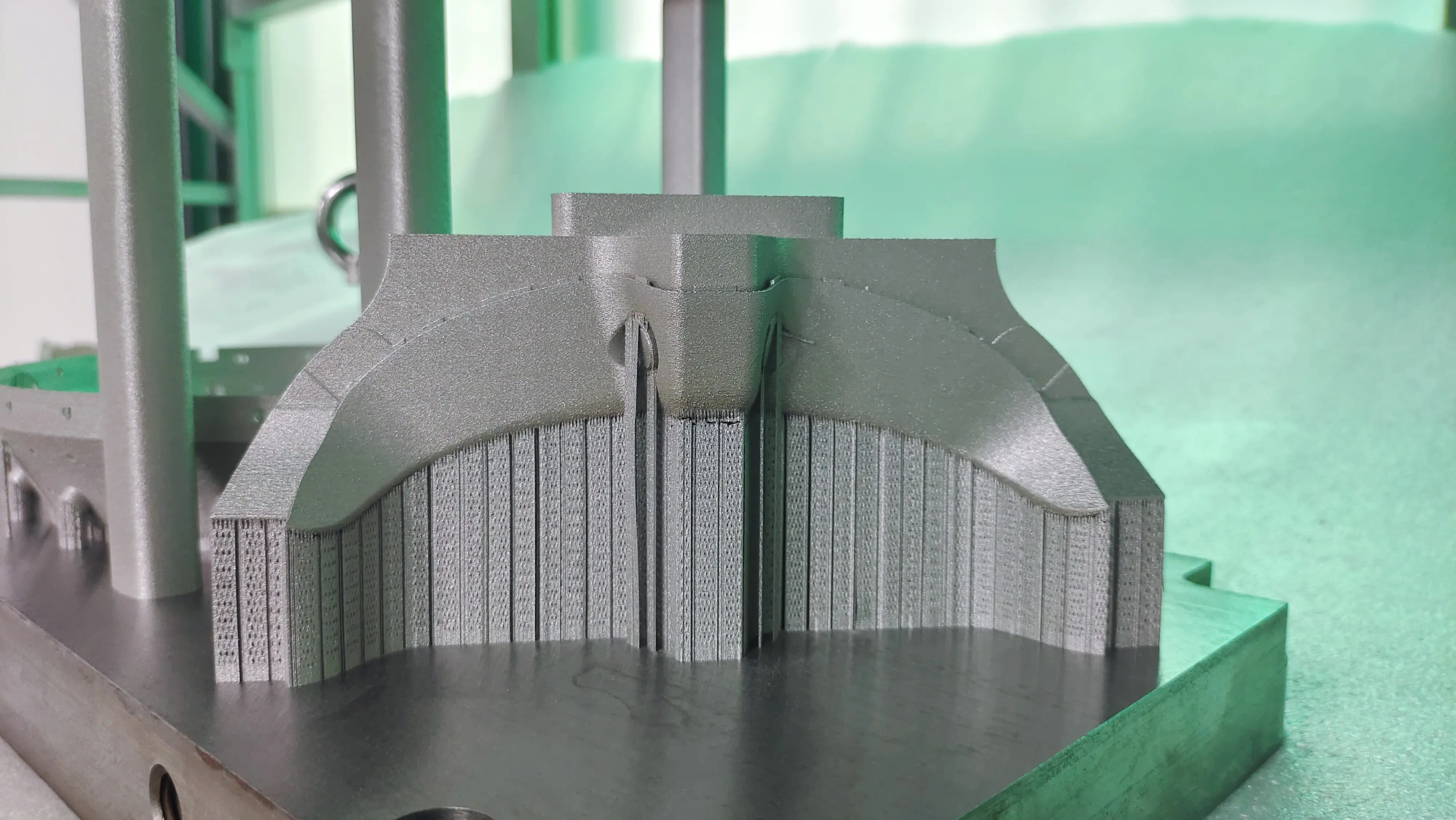
SLM uses high-power lasers to selectively melt fine metal powders (such as titanium, stainless steel or special alloys) based on precise 3D CAD models to build parts layer by layer. Traditional methods reduce material or confine it in the mold, while SLM Add to Provide materials only where needed. This unlocks previously impossible geometries:
- Radical mass redistribution: SLM allows engineers to place quality exactly It optimizes performance – with the head slider lower and deeper for greater forgiveness and launch, or strategically placed around the perimeter for precise center of gravity (CG) placement and moment of inertia (MOI) adjustments.
- Complex internal lattice and structure: Think of a complex honeycomb or truss inside the club head. These meshes significantly reduce weight in non-critical areas Without sacrificing structural integrity. This reduced weight facilitates the critical mass optimization mentioned above. These structures also subtly affect vibration damping, potentially providing unique sensory properties.
- Seamless integration: There is no good way to combine polarized ds or traditional な. Features such as sockets or complex weight holes can be printed as a unified structure, increasing strength and consistency. Custom ports for future fine-tuning can be integrated into the printing process.
- True customization: Potentially, each iron head could be micro-tuned based on a player’s unique swing dynamics, launch monitoring data and feel preferences, transforming truly custom clubs from an exclusive touring car perk into a scalable manufacturing possibility.
DeChambeau’s Lab: Where Concept Meets Competition
Obsessed with optimization and marginal gains, DeChambeau became the ideal pioneer. His team worked closely with Club Champion, utilizing advanced design and simulation software to create SLM-produced irons specifically for his robotic swing and pursuit of stability and distance control, especially his cherished singles. ") concept of length.
- Advantages of titanium: Early versions reportedly used lightweight titanium alloys (such as Ti-6Al-4V, grade 5 or grade 23, to circumvent potential USGA restrictions on certain materials). Titanium’s inherent strength-to-weight ratio is ideal for SLM, allowing for larger, more functional club heads with aggressive weighting schemes not possible in steel.
- Pushing the limits: DeChambeau’s irons typically feature incredibly thin yet strong faces, a wide sole for forgiveness on turf interaction, and an aggressive internal weight layout to maximize forgiveness on off-center hits. The complex mesh allows his clubheads to achieve a level of forgiveness comparable to oversized game-improvement irons, and features the compact player jin shape profile he prefers—a holy grail combination.
- Evolution and improvement: The initial prototype faced the following challenges potential Durability issues under extreme touring level impacts and the high cost/time of early SLM production. However, continued improvements in design, materials science (including optimizing the printability and impact resistance of titanium alloys), laser parameters and post-processing (such as HIPping – hot isostatic pressing) have significantly improved reliability and performance. Seeing these irons consistently competing at the highest level is a testament to the maturity of the technology.
Manufacturer reactions and future players
DeChambeau’s initial journey involved smaller customs. This caused a shock. Major OEMs, while publicly cautious due to cost and the complexity of USGA rules, have delved into the feasibility of future Tour-proven or couture division products:
- Elliptical companies such as Cobra Puma Golf (a former sponsor of DeChambeau) showed off concept irons utilizing SLM technology.
- Companies specializing in high-end custom components use SLM for niche circuit validation work and ultra-high-end consumer accessories.
- Equipment engineers generally acknowledge that SLM’s design potential is a glimpse into the next frontier.
Gretel: Empowering precise innovation
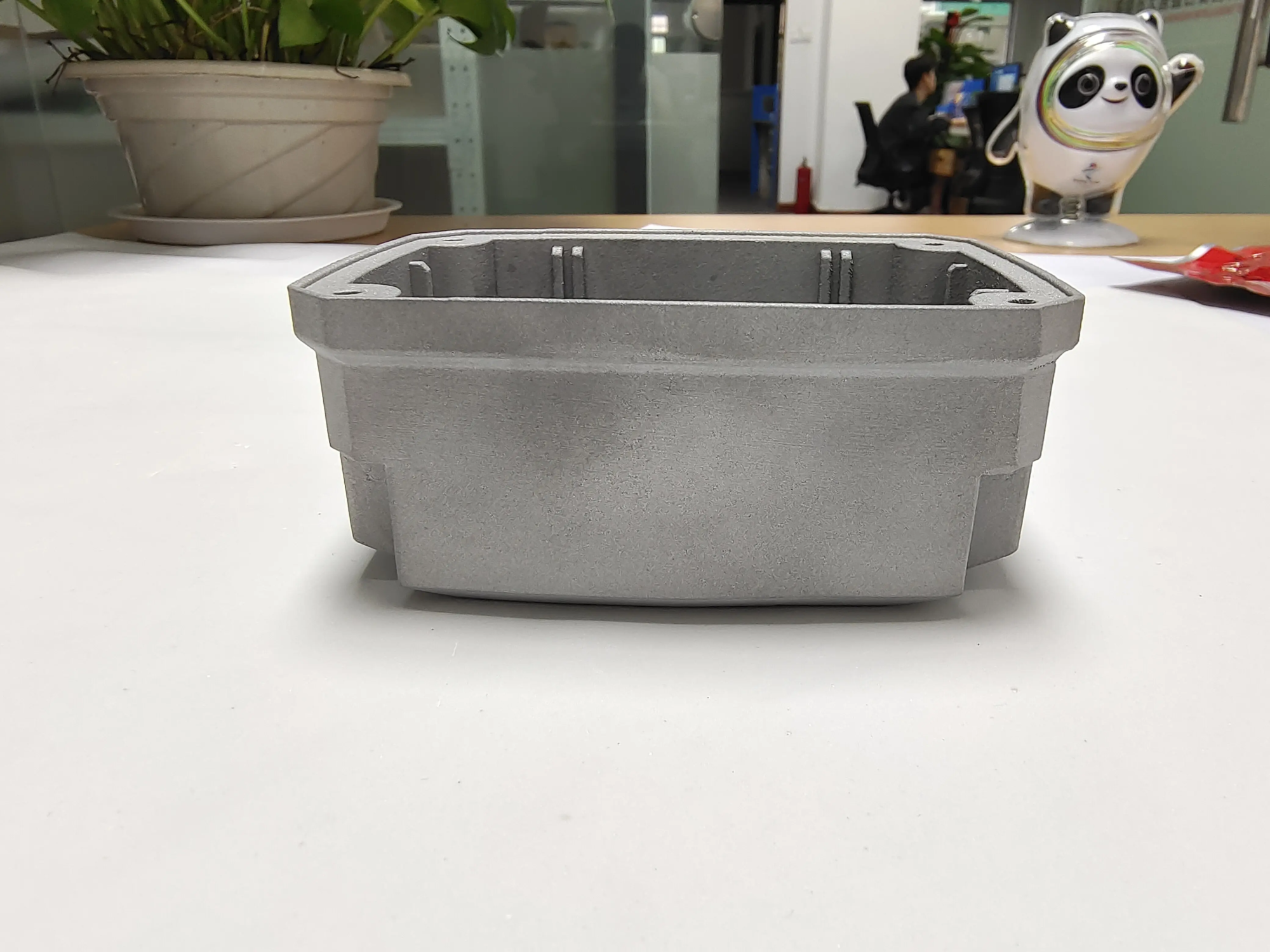
Making competition-ready 3D printed irons requires cutting-edge capabilities and deep expertise – and that’s exactly what huge light supply. As a leader in professional rapid prototyping and precision manufacturing, huge light Leverage advanced SLM 3D printer and extensive production engineering knowledge. This technology is critical for pushing the boundaries in areas that require complex, high-performance metal parts, such as aerospace, medical devices and, of course, elite sports equipment.
Why SLM makes sense for breakthrough applications like DeChambeau irons:
- Design freedom: GreatLight leverages the power of SLM vignettes to build complex, optimized internal geometries that are critical to next-level golf club performance – structures that simply cannot be replicated with traditional casting.
- Speed and iteration: Rapid prototyping cycles enable engineers to quickly test geometries and weights. Looking for bugs or new optimizations? GreatLight can produce refined iterations faster than tool-based approaches.
- Material Versatility: Printing specialty alloys such as Ti-6Al-4V is at the core of GreatLight’s expertise. Choosing materials with the best strength, weight and fatigue resistance is critical.
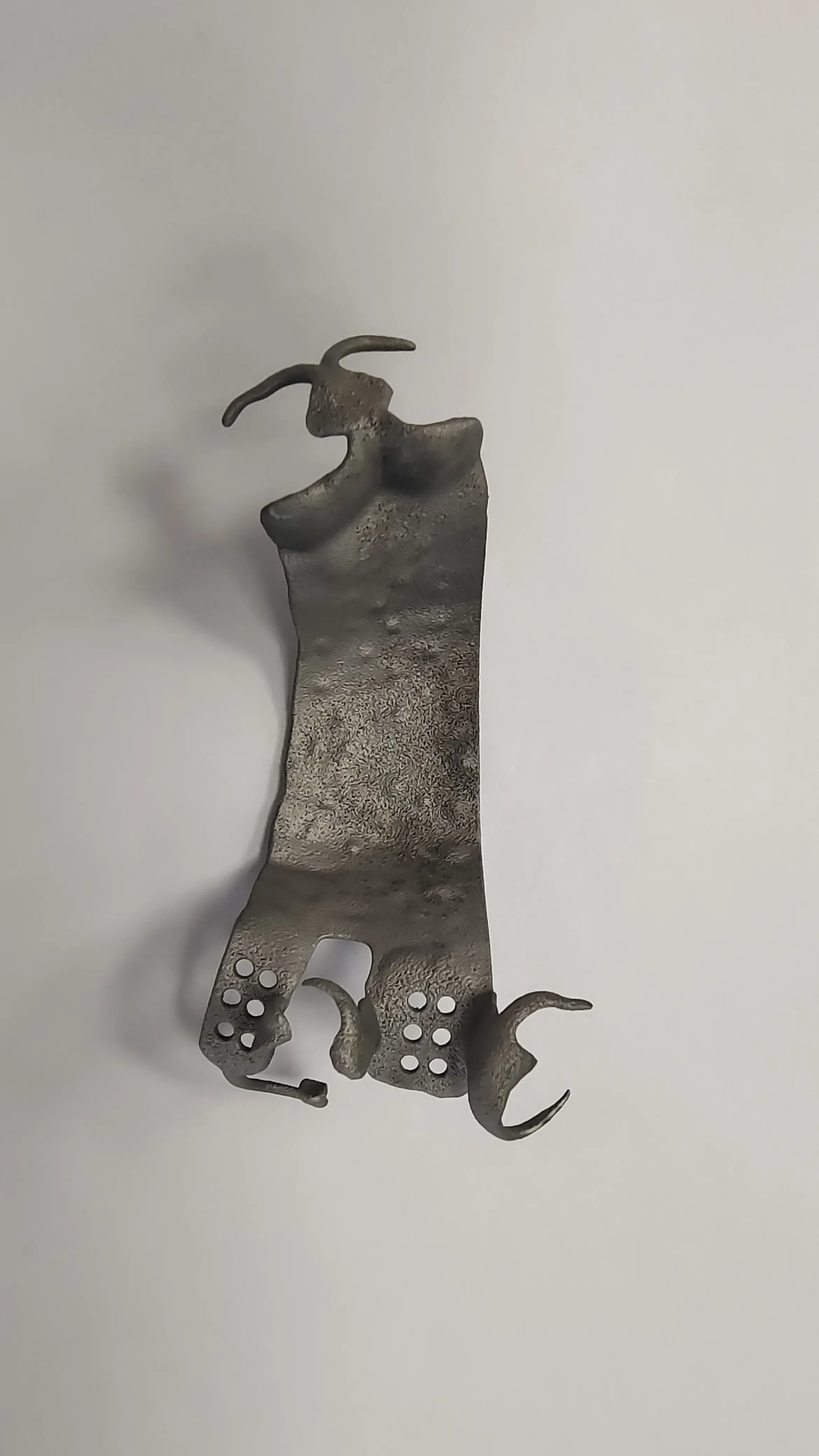
- End-to-end solution: From prototyping verification units to improving designs for potential production stability and providing Comprehensive one-stop post-processing (critical support removal, HIPping for density, heat treatment, precision CNC finishing for beauty and precision weight management), GreatLight handles the entire workflow.
- accurate: Strict requirements are required to ensure the dimensional accuracy and structural integrity required of objects that withstand the impact stress of a golf shot. Customized precision machining and decluttering – the cornerstone of GreatLight’s services.
Potential obstacles on the fairway
Despite the potential, there are still barriers to widespread adoption:
- cost: SLM machines are expensive, metal powder costs are high, and manufacturing times are slower than mass-production casting. Currently, this leaves SLM irons only accessible to the Tour elite or ultra-high-end custom markets.
- USGA and R&A Rules: Regulations regarding materials and construction methods are constantly evolving. It is vital to ensure that the design complies with Appendix II and III of the Rules of Golf. Currently, SLM technology itself is not prohibited; what must be adhered to is specific design and material execution.
- Zoom ratio: Transitioning from low-volume touring/early adopters to wider consumer availability requires overcoming cost barriers and significantly optimizing production workflows.
- Tradition: Golfers are notoriously conservative when it comes to equipment changes. Proven performance yields and tangible benefits will be key drivers for acceptance.
Conclusion: Is the future printed?
Bryson DeChambeau’s pioneering use of 3D printed irons is much more than a quirky personal pursuit. This is a tangible glimpse into the future of golf equipment engineering. SLM 3D printing breaks the design constraints of forging and casting, enabling unprecedented levels of performance optimization through complex internal structures and precise mass placement. While cost and scalability remain challenges for widespread consumer adoption, there’s no denying that the technology is proven at the Tour level. Manufacturers and advanced rapid prototyping experts such as huge light The way is being paved. As SLM technology continues to advance and potentially become more affordable, the day of seeing complex, highly optimized 3D printed irons (derived from rapid digital design iterations and precision additive manufacturing) in the average golfer’s bag is closer than ever.
FAQ: DeChambeau and 3D printed golf clubs
Q1: Are DeChambeau’s game irons really 3D printed?
Answer: Yes, without a doubt. Bryson DeChambeau has been playing professionally for several years using irons made with selective laser melting (SLM) metal 3D printing technology. They represent a significant evolution from earlier prototypes.
Q2: What materials are used for these 3D printed irons?
A: Titanium, with a wide range of Ti-6Al-4V bowls (grade 5 or possible grade 23 variant), has been the main material. This choice takes advantage of titanium’s high strength-to-weight ratio, which is critical to creating a lightweight yet strong internal lattice.
Q3: Why are 3D printed irons considered better? What are the benefits?
Answer: The main advantage is Design freedom and Quality optimization:
- A complex internal lattice, or structure, reduces weight in performance-critical areas, freeing up mass to be strategically repositioned for higher launch, greater forgiveness (MOI) and preferred playing characteristics.
- Allows the creation of shapes not possible with casting or forging (such as ultra-thin faces combined with fault-tolerant mass placement).
- Achieve a design that is truly customized based on your personal swing data.
Q4: Are 3D printed irons legal under the rules of golf?
A: Yes, that is currently the case. The Rules of Golf (as interpreted and enforced by the USGA and R&A) do not specifically prohibit process SLM 3D printing itself. To make your iron compliant:
- Must persist