Designing functional and aesthetically pleasing 3D printed boxes and lids: Your complete guide
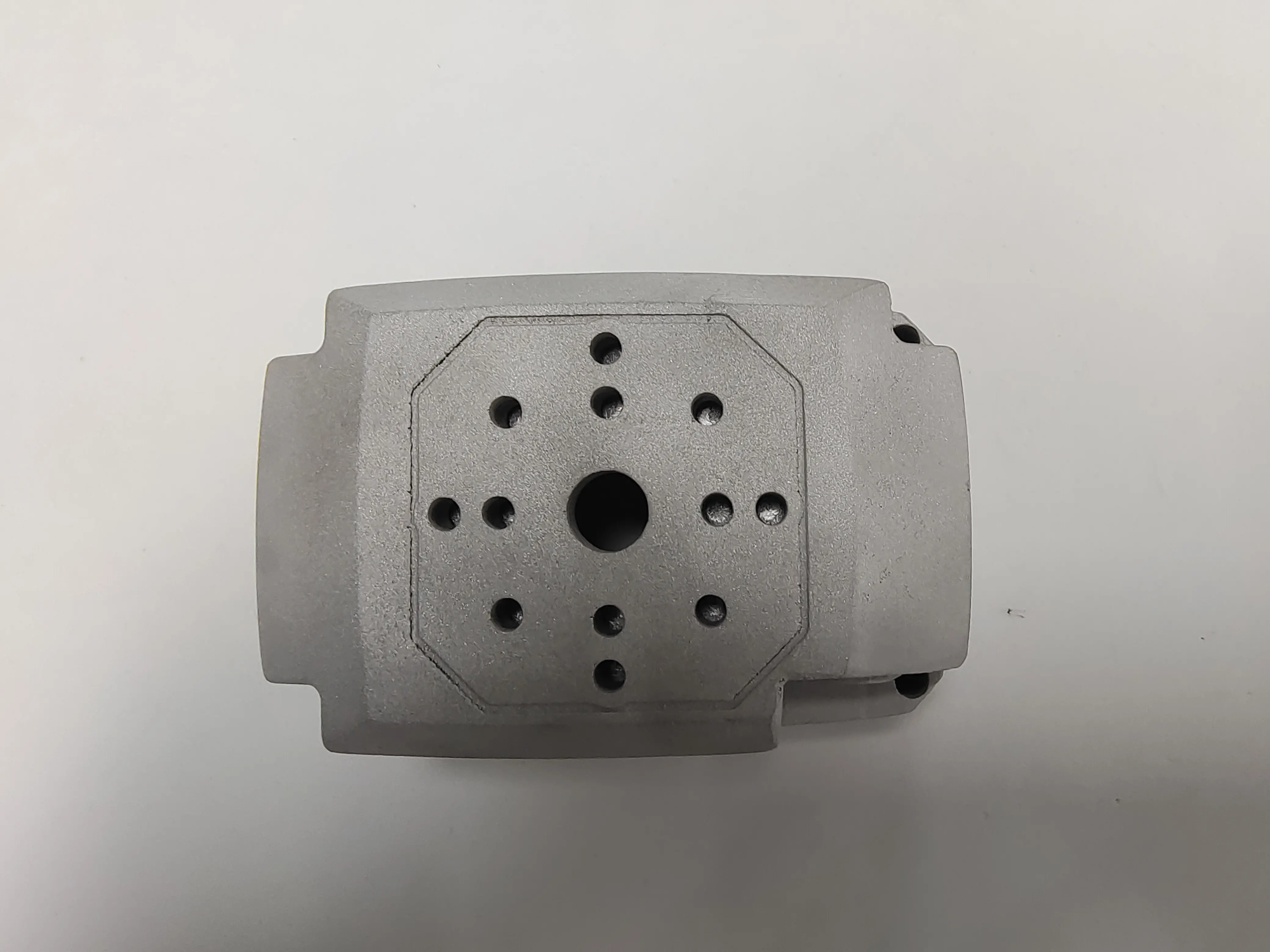
A humble box. It is one of the most basic and universal objects, from storage and organization to protection and presentation for myriad uses. With the advent of 3D printing, designing and producing custom boxes and lids, it has shifted from the field of large manufacturing to the hands of designers, engineers, amateurs and businesses of all sizes. Whether you need a one-time prototype of a new product concept, a durable container for professional industrial components, or a unique custom gift box, 3D printing offers unprecedented flexibility. As a leading rapid prototyping manufacturer, Greatlight Lovers advanced technologies such as selective laser melting (SLM) bring these designs to life with precision and speed, especially for demanding metal applications.
Why 3D printing boxes and lids?
Traditional box manufacturing often involves a large amount of tool costs, minimum order quantity, and lengthy lead times for complex shapes. 3D printing eliminates these obstacles:
- Unrivaled customization: The frame is designed to fit a specific item perfectly, combining unique shapes, logos, internal compartments or ergonomic features that are impossible to use standard methods. Customize all aspects – size, shape, material properties and finishes.
- Quick iteration: Prototypes vary rapidly and cost-effectively. Test fit, function and aesthetics before committing to mass production.
- Complex geometric shapes: Create complex hinge mechanisms, integrated buttons, snapshot covers, live hinges, textured surfaces or seamless structures in printed objects.
- Production on demand: Manufacturing precisely the quantity required to reduce inventory costs and waste. Ideal for small batches, custom orders or replacement parts.
- Material versatility: Choose a large number of engineered thermoplastics (such as nylon, ABS, PETG, ULTEM) or robust metals (stainless steel, aluminum, titanium) depending on the required strength, durability, heat resistance, drug resistance or aesthetics.
Key design considerations for successful 3D printing boxes
Creating an effective and printable box requires careful planning. Here is what you need to pay attention to:
- Purpose and environment: Defines the main functions of the box (storage, display, transport, protection) and the conditions it faces (moisture, chemicals, temperature, impact, UV exposure). This seriously affects the selection of materials and design robustness.
- Suitable and tolerant (critical!): This is crucial, especially between the cover and the base.
- Clear: Material factors "shrink" During printing/cooling and inherent printer tolerances. A standard FDM printer may require a 0.2mm-0.5mm gap to loosen. Greglight’s metal SLM printing enables tighter tolerances (typically ±0.1mm or higher), allowing snapshots or interference.
- Suitable types: Decide between loose friction fit, fit, by fit, thread or hinge. Each has specific design requirements. Test printing is priceless.
- Draft corner: Include a slight angle (1-3 degrees) on the vertical mating surface to facilitate the traditional manufacturing process (if replicated) and easily remove the cover on deep pull.
- Wall thickness: Ensure that the walls are thick enough to be based on the structural integrity of the material, size and load. Avoid over-thick walls to add weight, cost and printing time and may cause warping or sinking marks. Minimum values vary (e.g., FDM plastic ~1mm, metal thicker ~0.5-1mm Each wall due to the process). Keep as consistent as possible.
- Cover design function:
- Insert/grooves: Designed with illustrations that can be positioned precisely on the box bottom ring, thereby promoting stability and alignment.
- seal: For waterproof or dustproof, specific tolerances that can be achieved with O-ring grooves or design of maze seals require precise services such as Greatlight.
- fixed: Integrate snapshot buckles, hinge knuckles, latch points or magnet pockets directly into the design. Threaded covers require precise geometry and proven printing orientation.
- Hinges (optional):
- Printing/Pin Hinges: Design the knuckles on both sections, align perfectly to insert the pins (printed separately).
- Living hinges: Thin flexible parts are usually in thermoplastics and require specific material selection (e.g. PP, nylon) and design (thin walls ~0.4-1mm thickness with round curved areas). Not suitable for most metals.
- Internal functions: Integrate compartments, dividers, foam/insert profiles, cable ports, guides or mounting points directly into the box design for maximum functionality.
- Printing direction and support: Consider how to orient the box and lid on the build platform to minimize the use of support materials (especially on the internal surface/exquisite features) and ensure accurate printing of critical mating surfaces. If possible, the Oriental Key functional surface is parallel to the construction panel.
Material selection: Matching requires features
- Plastics (FDM, SLS, SLA): Ideal for prototyping, lightweight containers, consumer products, low pressure applications, living hinges. The cost is usually lower than that of metal. Materials such as ABS (durable), PETG (tough, warping), nylon (strong, flexible), ASA (anti-UV) (anti-UV), PEEK/ULTEM (High-Temp, chemical resistance, chemical resistance), etc. Greglight offers FDM/SLS/SLA for plastic prototypes and production parts.
- Metal (Greglight SLM Professional): Necessary for demanding applications requiring high strength, rigidity, heat resistance, chemical inertia, conductivity or EMI shielding (electronic box). Co-choices include:
- Stainless steel (316L, 17-4PH): Excellent corrosion resistance, high strength, widely used in industrial fences, tool inserts, medical equipment cases.
- Aluminum alloy (Alsi10mg, Alsi7mg): High strength to weight ratio, good thermal/conductivity, processability. Great for lightweight but robust sleeves, radiators. Professional equipment and knowledge are required – great core strength.
- Titanium (Ti6al4v): Excellent strength to weight ratio and biocompatibility (medical implants/surgical cases), excellent corrosion resistance. SLM processing that requires highly controlled.
- Copper alloy (CUCR1ZR): Special electronic housing, excellent thermal conductivity of heat exchangers.
Make Poland perfect: Post-processing
Greatlight’s one-stop service ensures that your 3D printed box not only functions perfectly, but also looks professional:
- Supports disassembly and cleaning: An important first step for SLM/FDM/SLA parts. Automation and manual technology ensure that all support residues disappear.
- Surface finish:
- Grinding/blasting: (Plastic/Metal) Smooth layered lines and removes surface defects. Glass beads (soft aesthetic), alumina (matte texture), plastic media blasting is common. Roll toward the circular edge (metal).
- Chemical smoothing: (Some plastics) create a smooth, glossy finish by dissolving the outer layer. Usually the vapor is smooth.
- Processing: (Metal/Sometimes Plastic) CNC machining enables tight tolerances to critical mating surfaces or high makeup areas ("Hybrid manufacturing").
- polishing: Custom polishing levels from satin to mirrored (metal).
- Painting and coating: Powder coatings, wet coatings or clear coatings enhance aesthetics and add protective layers. Anodized aluminum increases color and corrosion.
- plating: Electroplating on electronic nickel plating (ENP) or electroplating on metal parts enhances corrosion resistance, hardness, conductivity, or decorative chrome/gold finishes.
- Print tags/labels: Laser engraved logo, label or serial number directly on the part.
Applications abound: 3D printing box glows
The versatility of custom 3D printing frames is in the industry:
- electronic: Custom enclosure (sensor, controller), RF shielded fence, cooling chassis.
- Medical and Dental: Disinfectable instrument box, dedicated implant/surgical kit packaging, biocompatible container.
- Industrial: Protective transport containers for exquisite parts, professional tool boxes, fixtures and lamp organizers, spare parts boxes on machinery.
- Aerospace and Defense: Lightweight component housing, durable equipment box, suitable for harsh environments, customized aviation equipment.
- consumer goods: Unique jewelry box, game work organizer, art deco container, brand packaging prototype.
- car: Sensor housing, unique decorative assembly box, custom switch housing.
in conclusion
Design and 3D printed frames and lids unlock the possibilities of customization, functional optimization and rapid production. From initial design considerations such as precise tolerances and material selection to advanced printing techniques using SLM for metal housings and a wide range of post-machining options, it is critical to successful results. Working with experienced rapid prototyping providers such as Greatlime, equipped with advanced SLM technology for metals and offers a comprehensive one-stop post-processing that ensures your custom box meets the highest precision, durability and aesthetic quality. We have the ability to bypass traditional manufacturing barriers and bring your unique design from concept to reality – effective, cost-effective, and unparalleled flexibility. Ready to ensure your custom solution?
FAQ: 3D printed boxes and lids
Q1: What is the minimum wall thickness that can be used for metal boxes printed with SLM?
A1: For metal SLM printing (as provided by Greatlight), the actual minimum wall thickness is usually about 0.5 mm to 1.0 mm, depending on the specific alloy and the geometry and height of the part. Extremely thin walls may be prone to bending or fail during powder removal/sintering. For most powerful applications and materials, we recommend a minimum of 1.0 mm. It is recommended to discuss with our engineers for details.
Q2: How precise are the accessories between the 3D printed cover and the base? Can I get a snapshot?
A2: Accuracy depends to a large extent on the printing technology and service providers. FDM plastic printing may have a functional snapshot of the prototype with a careful design (allowing material flexibility). For robust, repeatable and tight snapshots, especially in rigid materials or metals, advanced SLM printing has tight tolerances (±0.1mm or better, which can be achieved by Greatlight). It allows designing reliable interference and accurate snapshot functionality.
Q3: Can you print an airtight or watertight box?
A3: Yes, it is possible to achieve sealing, but requires careful design and printing:
- Combined with suitable O-ring grooves for standard O-ring sizes for precise depth and width tolerances.
- Design maze seals (seals through complex paths) or groove patterns on mating surfaces.
- Use a well-adhesive material (minimum porosity) during the printing process. SLM printed metals achieve higher density. For plastics, SLA or well-adjusted FDM/SL can be suitable for lower pressures.
- High-quality post-treatment (smoothing, processed sealing surfaces, sealing coatings) usually further enhances the seal. During the design consultation, your sealing requirements level (dust, dustproof, dustproof, immersion) is clearly specified.
Q4: Which post-processing options are best for smooth, professional finishes on metal boxes?
A4: For smooth aesthetic metal finishes:
- Processing: CNC milling critical mating/cover surface or exterior cosmetic surface provides the highest accuracy and smoothest results.
- Vibration collapse: Round edges and provide a uniform satin/matte finish.
- polishing: Manual or automatic polishing allows for mirror-like brilliance.
- Shooting/Explosion: Produce a consistent uniform matte texture (e.g., alumina sandstone blasting). The glass beads blasted softer.
- Plating/Anodizing: Electronic nickel (smooth, hard, corrosion resistant), chrome plating (decorative/hard) or anodized (for aluminum – colored, protective oxide layers). Greglight offers all these premium finishes.
Q5: Can you print the box and lid as one piece?
A5: Yes, this is possible by integrating a live hinge design into a single print. However, this is usually only possible for specific plastics using FDM or SLS technology (such as polypropylene-PP, some flexible nylon). Living hinges require specific thin and flexible areas designed for repeated bending. Metal parts usually cannot be printed in this way; the hinge must be a separate partial component. Discuss hinge requirements with our team for the best solution.
Q6: Why choose Greatlight instead of local enthusiast printer as my project box?
A6: Greatlight offers obvious advantages for critical components, prototype or end-use parts requiring precision, durability, complex materials (especially metals) and professional finishes:
- Industrial grade SLM/metal printing: Unrivaled quality, strength and miniaturization capability.
- Material expertise: Widely certified engineering plastics and metals with control characteristics.
- Accurate tolerance: Functional fit and mechanical characteristics are essential.
- Comprehensive post-processing: A wide range of premium finishes for excellent quality and performance.
- Manufacturing Design (DFM) Support: Our engineers optimize your design for printability and functionality.
- quality assurance: A strict process ensures reliable and consistent results. Ideal for commercial, industrial and medical applications.
Ready to explore the potential of a custom 3D printed box for your next project? Contact Greatlight today to discuss your design and material requirements and get a competitive offer!