Take Control: Why It’s Worth It to Design Your Own Custom Controller Stand (and How to Do It)
Have you ever been in a game trying to balance your controller precariously on your lap or on the edge of a table? Ever wished your controller had a dedicated, stylish place to reflect your taste? If a store-bought stand feels generic, flimsy, or unattractive, it might be time to take matters into your own hands. Designing and creating your own custom controller stand isn’t just about solving a storage problem; This is an opportunity for personalization, engineering fun, and potentially unlocking a world of rapid manufacturing.
Beyond plastic pallets: the allure of customization
Mass-produced controller stands have basic functionality, but they often miss the mark:
- fit: Universal design may not be suitable your Safely specify specific controller models.
- Function: Need perfect alignment of your charging port? Is the angle just right? Built-in cable management? Off-the-shelf options rarely fit a specific setup.
- form: Why settle for plain plastic when you can have stylish metals, textured finishes, or even incorporate unique designs or branding?
- Ergonomics: A stand tailored to your viewing height and controller grip cleverly improves comfort during extended use.
Designing your own puts you in the driver’s seat. You decide on aesthetics (minimalist, futuristic, themes), functionality (integration with base, headphone stand) and the perfect fit with your gear and space.
Design journey: from sketch to CAD
-
Define your requirements: Start simple.
- Which controller do you need to hold? Take precise measurements.
- Where will it sit? Desk, TV stand, bedside table? Define floor space limits.
- Is there anything special about it? Integrated charging? Headphone hook? Tilt to watch? Cable management system?
- What kind of material feel do you want? Light? Heavy metal? Smooth? Is there texture?
-
Sketching and Conceptualization: Grab a pen and paper! Sketch variations combined with your requirements. Focus on stability – A low center of gravity and adequate contact area are critical to preventing tipping. Consider how the controller will be inserted and removed – a smooth slope or gentle slope works best. Don’t worry about perfection; this stage is about exploration.
- Create a 3D model (CAD): This is where ideas become manufacturable. Convert sketches into precise digital 3D models using free CAD software like Tinkercad, Fusion 360, or Blender. Key considerations:
- geometry: Make sure the cavity matches the controller contours exactly Based on your measurements. Tolerances (small gaps, typically 0.1-0.5 mm) are included so that the controller fits snugly but does not stress.
- strength: Avoid sections that are too thin, especially in high-stress areas like support arms or bases.
- Printability (if considering 3D printing): Design for the chosen manufacturing method. Incorporate chamfers/fillets to eliminate sharp edges that may be uncomfortable or weak points.
- Functional integration: Model holder for neatly placing specific charging cables.
Choosing Materials: The Basis of Function and Feel
Materials impact aesthetics, durability and manufacturing path:
- PLA/PETG (FDM 3D printing): Affordable and widely available with home printers. Endless colors. PLA is stiff but can deform in hot environments. PETG has better heat resistance and toughness. Ideal for rapid prototyping and functional scaffolding in mild climates. Unless heavily post-processed, the surface finish is layered.
- Resin (SLA/DLP 3D printing): Delivers an exceptionally smooth surface finish and fine detail resolution. Clear resin is an interesting base choice. Typically crisper than FDM prints. Requires UV curing and post-processing cleaning. Ideal for high detail decorative elements.
- Aluminum alloy (CNC machining/metal 3D printing): Providing unparalleled premium feel, density, heat dissipation and superior strength. Ideal for sleek, minimalist designs or as a stand to support heavier controllers/devices. Anodizing provides stunning color and scratch resistance.
- Stainless Steel/Steel Alloys: Maximum durability, weight and industrial aesthetics. Ideal for extra heavy duty applications or specific design themes. Can be polished, brushed, plated or powder coated. Often CNC machining or metal 3D printing is required.
Bring your designs to life: the power of rapid prototyping
This is where your digital vision turns into a tangible object. Rapid prototyping technology is ideal for custom low-volume designs, such as controller brackets:
- FDM 3D printing: The fastest and most economical route for iteration and functional testing, especially PLA/PETG. Quickly print drafts, test fits, mechanics, and refine your CAD models before committing to more expensive materials/methods.
- SLA/DLP resin printing: Ideal if final surface detail, smoothness or transparency are critical to the final look. Ideal for designing intricate stands or decorative bases.
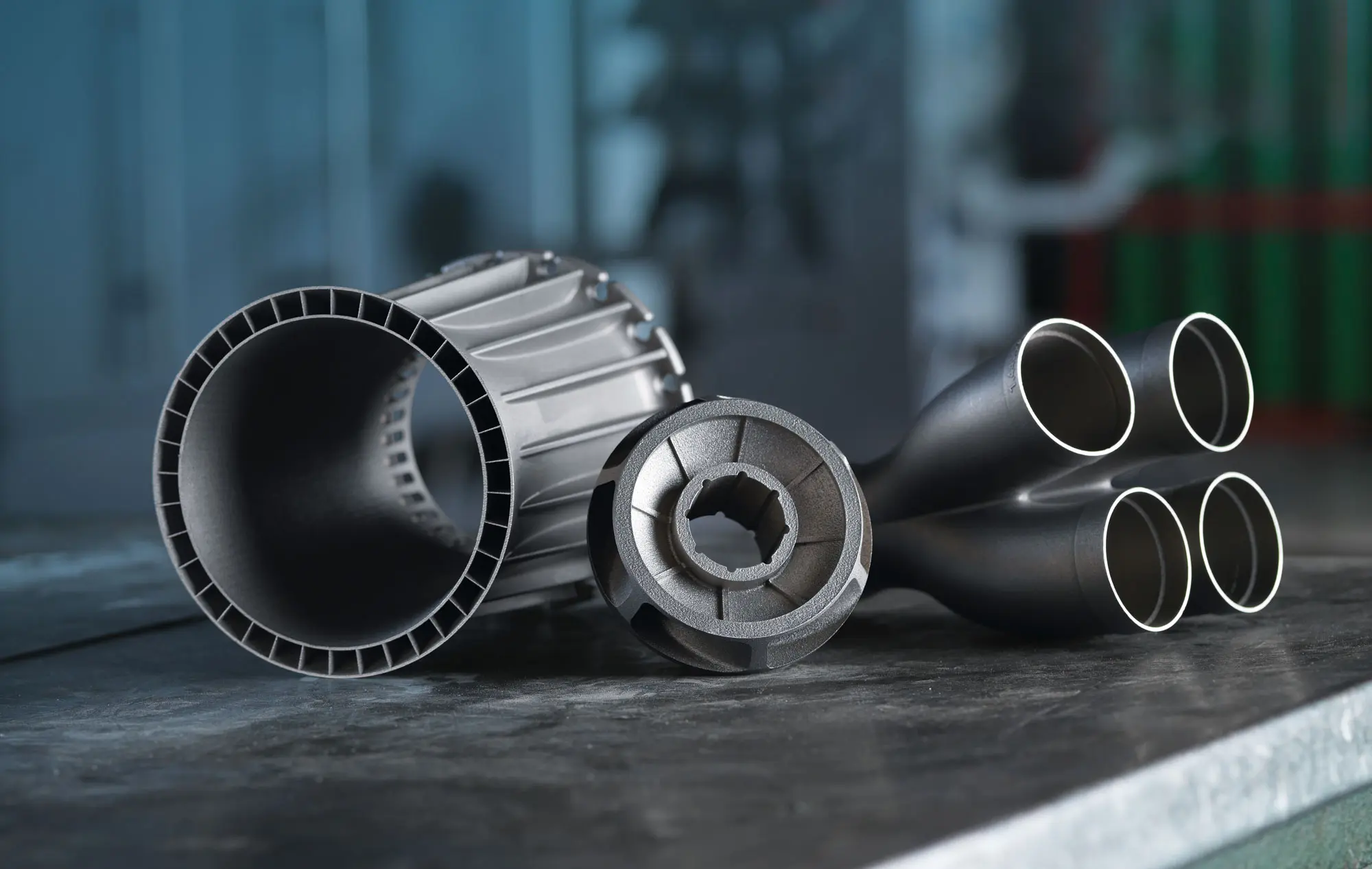
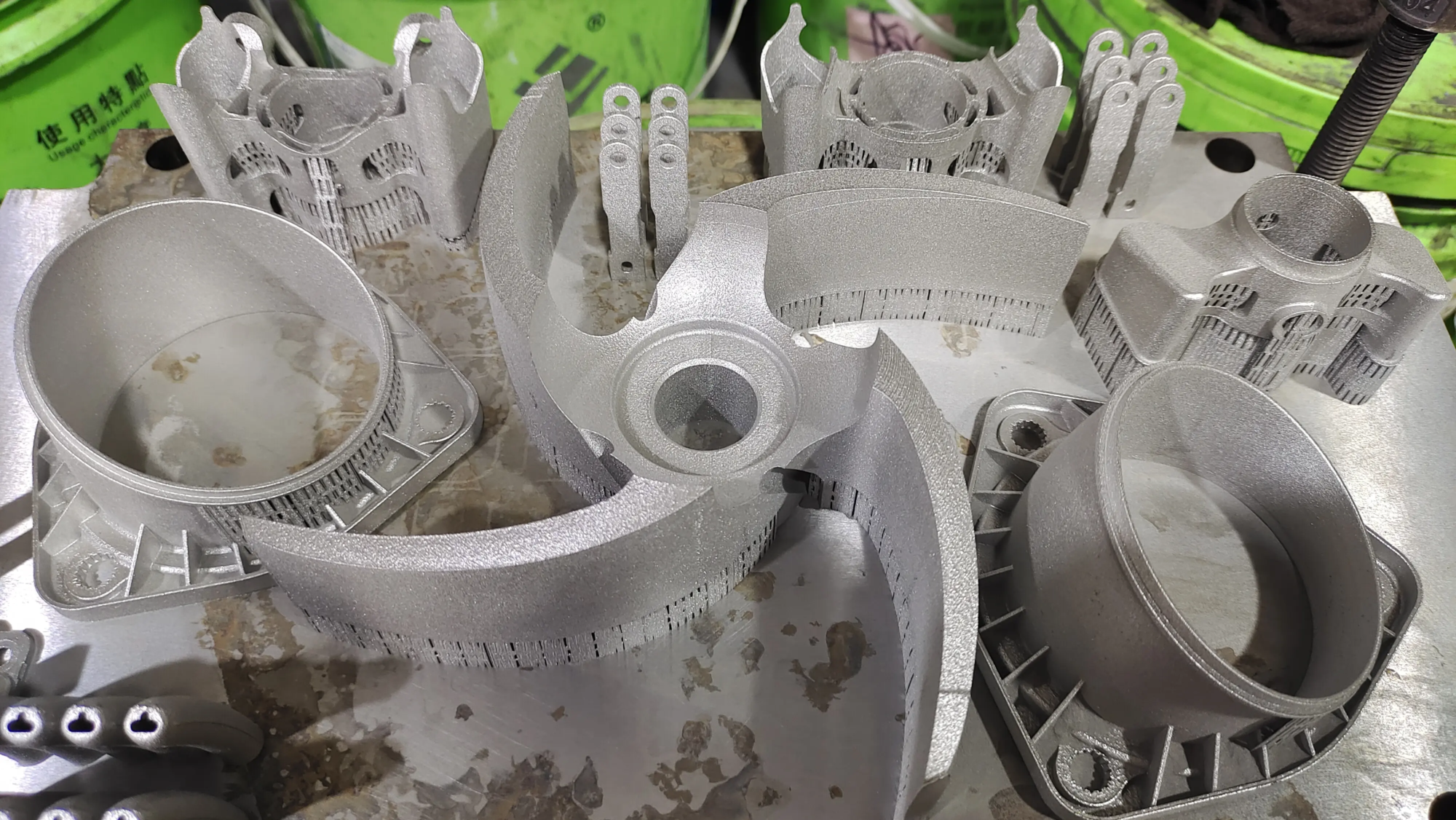
- Metal 3D printing (e.g. SLM – Selective Laser Melting): Unparalleled strength-to-weight ratio, complex internal geometries not possible with machining, or premium metal feel and finish. Create fully dense metal parts directly from CAD files.
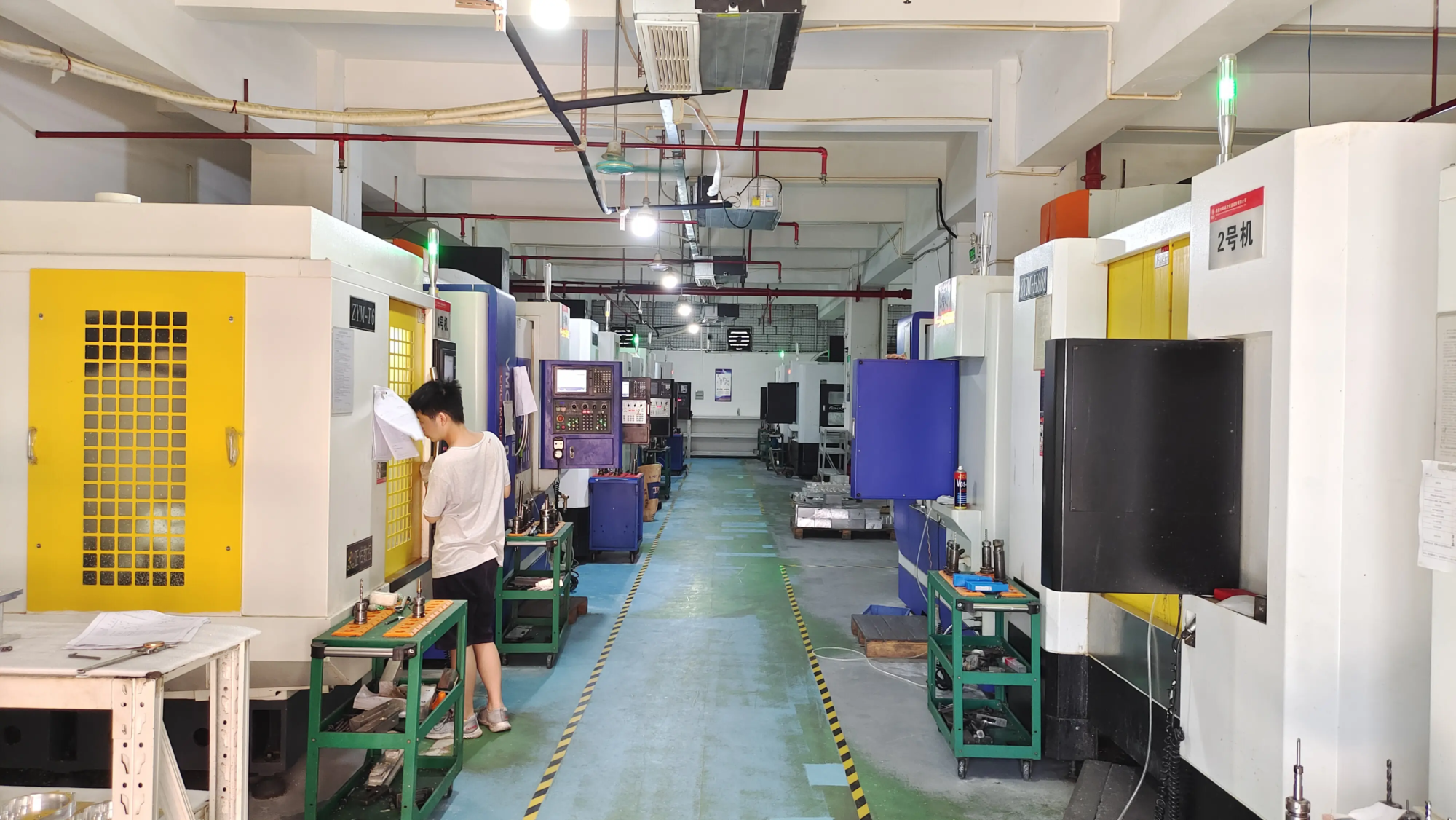
- CNC machining: It is the first choice for manufacturing precision metal or dense plastic parts from solid blocks. Achieve excellent dimensional accuracy and superior surface finish (such as polished or brushed), ideal for aluminum or steel brackets. Ideal for designs optimized for subtractive manufacturing.
Perfect Polishing: Post-processing
Don’t underestimate the finishing touches:
- Sanding/Filing: Essential for FDM printing to smooth out layer lines on PLA/PETG. For removing support marks from resin or metal prints.
- Primer and Paint: Uniform colors on printed parts and hide layer lines/texture. Use a spray primer/paint designed for plastic or metal. Clear coat adds durability.
- Metal finish:
- Anodized (Aluminum): Forms a hard, durable, corrosion-resistant oxide layer. Available in a variety of colors (black, silver, gold, blue, red, etc.).
- Polished/brushed: Achieve a mirror finish or a unique brushed metal aesthetic.
- Powder coating: The thick, durable, textured, colorful finish is electrostatically applied and baked in.
- Assembly/Integration: If using multiple parts/fabric/silicone pads.
Why Leverage a Professional Prototyping Partner?
Designing is fun; executing complex manufacturing can be challenging. Working with a professional prototype maker unlocks more possibilities:
- Materials expertise: Access special alloys, high-performance plastics and resins not possible with home equipment.
- Advanced technology: Achieve superior quality and sophistication with industrial-grade SLM metal printers, high-resolution resin systems or multi-axis CNC machines.
- Precision Engineering: Professional machinists can handle complex geometries and tight tolerances flawlessly.
- One-stop organization: Seamless transfer from rough part to perfect finished bracket – anodized, polished, plated, painted – expertly finished.
- Quick turnaround: Companies that specialize in rapid prototyping are good at producing custom parts quickly without sacrificing quality.
(Explanation of positioning annotations): company likes huge light Reflects this professional prototyping capability. With state-of-the-art SLM metal printers as well as precision CNC machining and comprehensive post-processing services, they can handle complex processes from complex aluminum controller base designs to precise stainless steel components and delicate final touches. Specializing in the rapid processing of demanding custom metal and plastic parts, they are an ideal addition to your personal controller project.
in conclusion
Designing your own custom controller stand goes beyond mere organization. It’s a form of creative expression, a practical engineering exercise, and the ultimate way to get personalized accessories that enhance your gaming setup. Start with a solid