Embrace innovation: Design a custom 3D printed case for your Raspberry Pi 5
The Raspberry Pi 5 represents a major leap forward in the capabilities of single-board computers. With its powerful quad-core processor, faster GPU, dual HDMI 2.1 ports, PCIe 2.0 interface, and improved I/O speeds, it runs hotter than its predecessor and requires more robust thermal management. Factory-installed plastic enclosures often don’t meet the needs of enthusiasts and professionals looking for optimal cooling, unique aesthetics, or professional functionality. This is the magic of 3D printing. Designing and printing your own Raspberry Pi 5 case is more than just a project; It’s your gateway to unlocking your board’s full potential while expressing your creativity.
Why bother designing your own phone case?
- Excellent thermal performance: Stock boxes often block airflow. The custom design allows you to integrate optimized ventilation patterns, dedicated mounting points for the heatsink, strategic airflow channels, and even mounts for active cooling fans, which are critical to preventing thermal throttling during sustained Pi 5 workloads.
- Hardware accessibility: Need instant access to GPIO pins? Want to easily plug and unplug your camera, PCIe device or monitor without having to disassemble it? Custom designs make everyday tinkering and prototyping effortless.
- Unique aesthetics and personalization: Whether you want a minimalist and sleek look, vibrant colors, see-through sections, a retro-cool console vibe, or integration into a larger project enclosure, 3D printing unlocks endless aesthetic possibilities.
- Professional features: Seamlessly integrate mounts for specific HATs (hardware on top), sensors, storage drives (NVMe!) or antennas. Design examples tailored for robots, media centers, network equipment or IoT gateways.
- Cost effectiveness (for iterators): While prototyping takes effort, once you have a suitable design, printing alternatives or variations becomes very affordable.
Key Design Considerations for Pi 5 Cases
Design is more than just how it looks; Features that are crucial to the Pi 5:
- Thermal management: This is non-negotiable.
- Prioritize maximizing airflow to all heat-prone components, especially potential hot spots such as the CPU/RAM chips and PCIe/USC-C power supply areas.
- Align strategically placed vents (grids, slits, honeycombs) with airflow paths (larger openings through which air escapes).
- Provides a solid, flat mounting surface and mounting bosses/holes compatible with popular Pi 5 aluminum heatsink or active fan solutions. Make sure the conductive pad or thermal paste is in direct contact.
- Consider duct or shroud designs to actively direct air from the fan pass radiator and go out Handle cases efficiently.
- Structural Integrity and Component Protection:
- Make sure ports (USB, Ethernet, HDMI, GPIO, camera/monitor, PoE connector) have precise cutouts and enough clearance to allow easy cable insertion.
- Design secure mounting points using struts/screws to hold the Pi board securely without stressing the solder joints. Avoid bending.
- Protect critical connectors and circuits from accidental impact or short circuits. Raise the connector opening as slightly as possible.
- Accessibility and usability:
- Designing a door, flap, or easily removable panel to access an SD card or NVMe drive without complete disassembly?
- Includes provision for installing buttons (for soft shutdown/restart), status LEDs or external connectors.
- If you plan to connect the Pi to a monitor or case, make sure to include mounting holes (such as a VESA mount).
- Material selection: Critical to performance and longevity
- People’s Liberation Army: Versatile, easy to print, beautiful and versatile (silk, translucent, metallic). Suitable for medium heat loads if Ventilation is very good. May deform under prolonged exposure to high temperatures (Pi 5 under load).
- Polyethylene glycol: Excellent choice. It has better heat resistance than PLA, is durable and impact-resistant, and is easier to print than ABS. A functional Pi case ideal for balancing performance and printability.
- ASA: Compared with ABS, it has excellent outdoor UV resistance and temperature resistance. Ideal for deploying the Pi outdoors or in harsh environments.
- ABS: Highly heat resistant and sturdy, but requires an enclosure and controlled printing environment due to warping/smoke. Pi cases using PETG/ASA alternatives are less common these days.
- nylon: Very strong, durable, and heat resistant, but requires high extrusion temperatures and significant drying, making printing challenging.
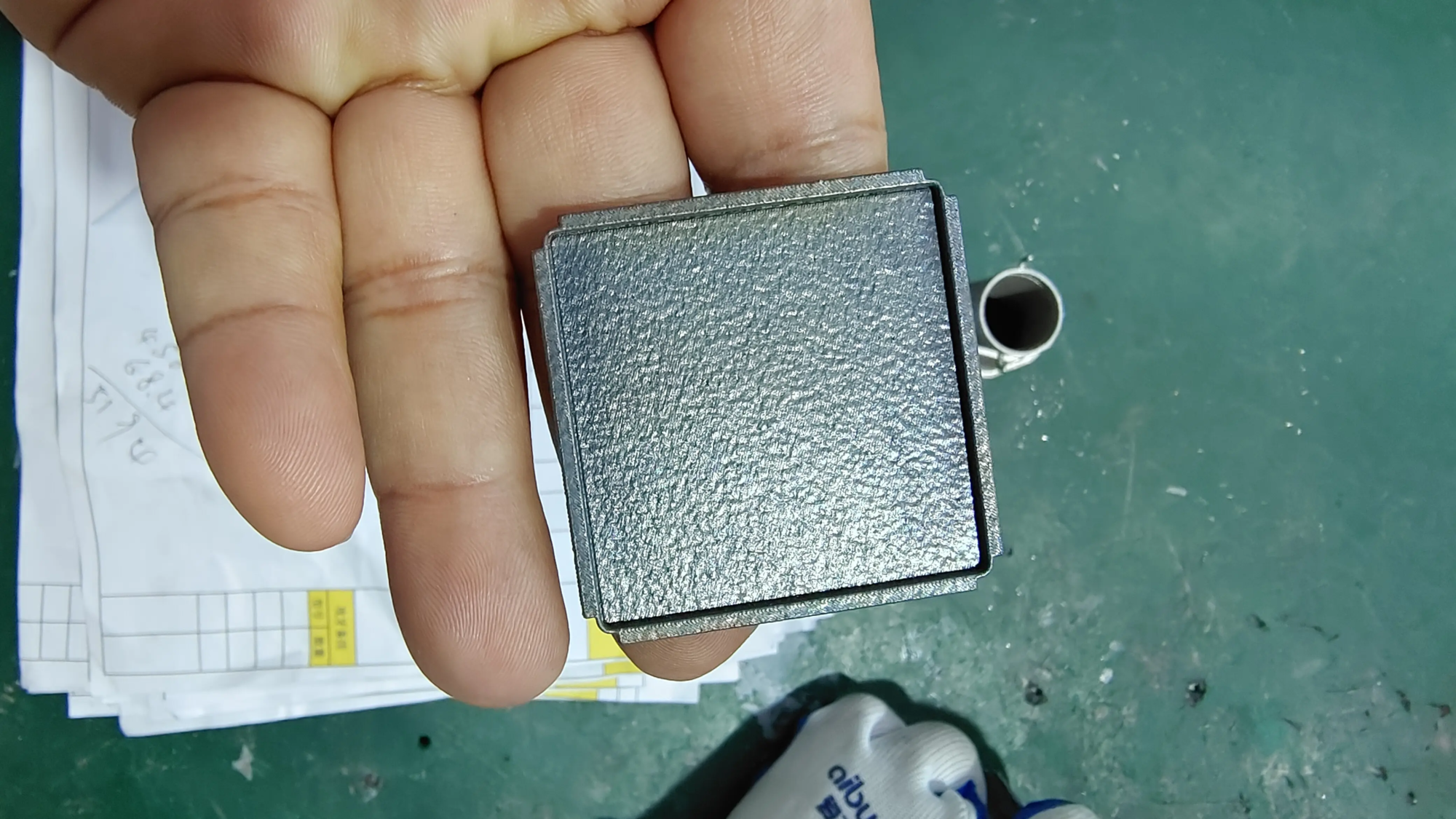
- Metal: For ultimate heat dissipation and rigidity, aluminum or stainless steel printed housings are available (see Professional Rapid Prototyping below). These can dissipate heat significantly Better than plastic.
- aesthetics: Go crazy! experiment:
- Filament color and type (clear, marble infused, luminous).
- Logo cut-out or embossed.
- Textured surface.
- Printed ventilation pattern as design element.
- Stackable/interlocking sections.
Bring your designs to life: Tools and processes
- CAD software: Start with free/open source tools such as Free CAD, mixer, tinkercade (suitable for beginners), or more powerful paid options such as Fusion 360 or Physical project. Find Raspberry Pi 5 reference models/CAD files online – critical for accurate port placement and dimensioning.
- Iterative design: prototyping yes design. Start simple:
- Outline your concept.
- Build a basic shell focusing model only Board mounting points and critical port cutouts. Print and test the fit.
- Iterate: Add vents, internal supports, radiator mounts, fan shrouds, vents – print and test each feature.
- Refining aesthetics.
- Design verification: Use similar tools to regularly verify thermal performance under load
vcgencmd(vcgencmd measure_temp). Monitor throttling (vcgencmd get_throttled). Physical testing of cable insertion/removal and component access.
Tips for Printing Success
- Interlayer adhesion is king: Strive to achieve excellent adhesion between layers, which is critical to structural integrity. This requires proper bed adhesion, careful first layer calibration, a print temperature suitable for the filament, and a closed printer (if using deformable materials).
- Optimize the hanging angle: The Pi case involves complex port cutouts. For angles exceeding approximately 60 degrees from vertical, use supports effectively. Optimize the design to minimize support.
- Padding and girth: Moderate padding (15-35%) is usually sufficient. Increase the number of perimeters for stronger structural parts such as screw bosses or mounting posts.
- Ventilation accuracy: Fine-tuning the printer settings (temperature, speed, cooling) ensures that the ventilation grid/slit prints clearly without excessive stringiness or sagging.
Elevate your projects: professional rapid prototyping
For enthusiasts dabbling in the design world, desktop FDM printers are great. However, demanding Pi 5 applications – especially those that require:
- Extremely high thermal performance (metal housing).
- Unparalleled precision and surface finish for complex vent designs.
- Specialty engineering grade materials (PEEK, ULTEM, specialty metals).
- Mass production, stable quality.
…Working with a professional rapid prototyping service can bring huge benefits.
Great light: Your Precision Pi project implementation partner
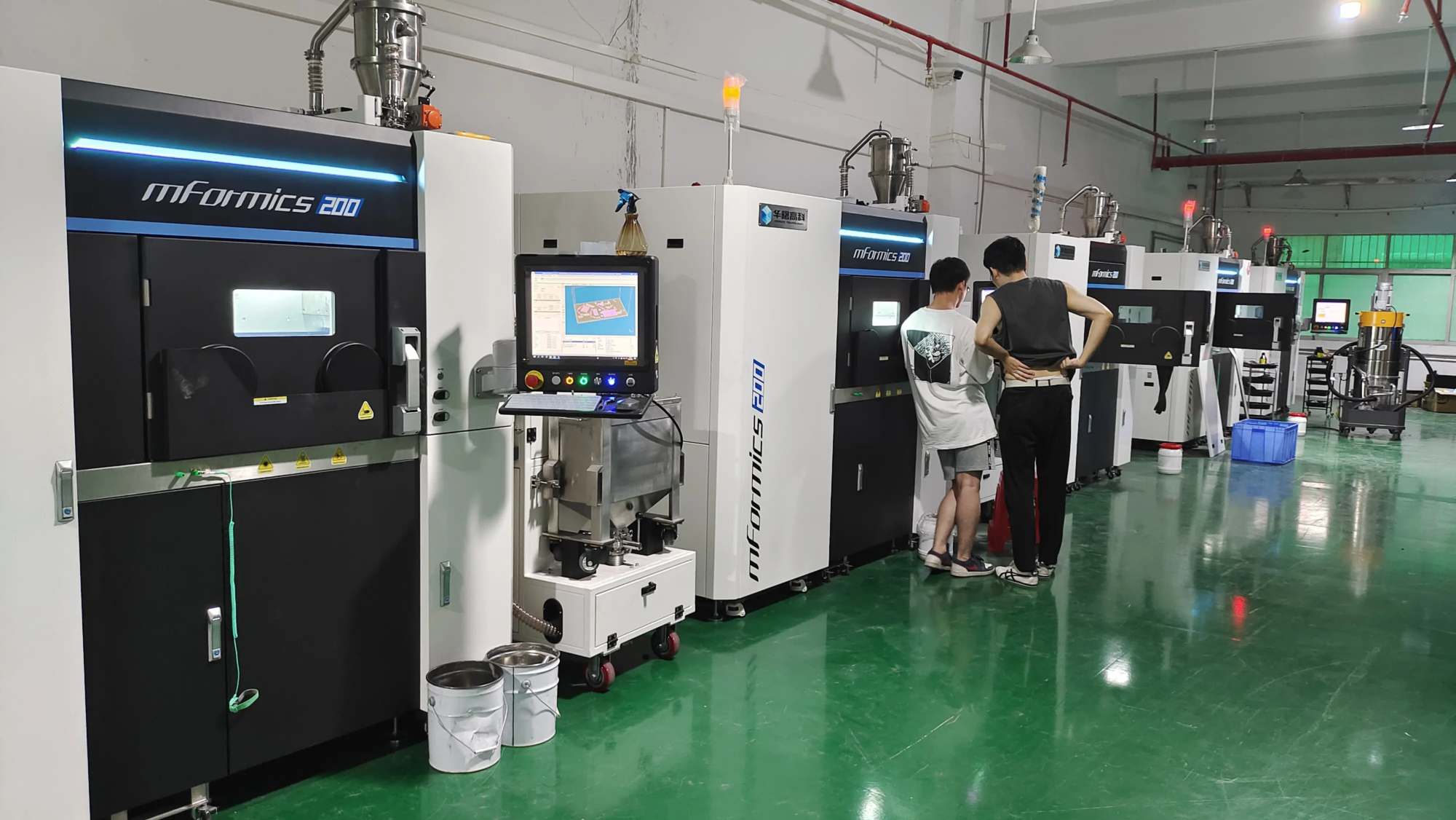
Transitioning from desktop 3D printed prototypes to high-performance, production-ready Pi cases often requires advanced manufacturing capabilities. huge light specifically to address this challenge. As a professional rapid prototyping manufacturer, Gretel utilizes state-of-the-art technology SLM (Selective Laser Melting) 3D Printer Used to produce high-strength, complex Metal Components – Includes a rugged Raspberry Pi case optimized for superior cooling. Their expertise extends beyond printing:
- Materials expertise: A variety of metal alloys suitable for thermal management are available (e.g. aluminum, stainless steel).
- Production technology: Expertise in solving complex rapid prototyping challenges inherent in complex electronic enclosures.
- Comprehensive post-processing: Providing necessary finishing services such as heat treating, precision machining, surface smoothing (sandblasting, polishing), anodizing, painting or labeling – for the professional look and feel of a true finish.
- Speed and customization: Quick turnaround for prototypes and small batches, materials can be easily customized to your thermal and mechanical requirements.
- Precision machining: Critical to ensuring perfect port alignment and mounting point accuracy after printing.
For Raspberry Pi enthusiasts pushing thermal limits, requiring unparalleled precision, or creating custom deployment solutions, partnering with GreatLight provides industrial-grade manufacturing technology and expertise. Customize your precision rapid prototyping parts at the best prices!
in conclusion
Designing and 3D printing a Raspberry Pi 5 case was a rewarding journey that combined technical problem solving with creative expression. By prioritizing thermal management and strong ventilation and heatsink integration, choosing the right filament for your needs (PLA/PETG for base, metal for extreme), and designing carefully for functionality and fit, you can make a significant upgrade over an ordinary case. Embrace iterative prototyping—printing and testing every stage is critical to success. For hobbyists, desktop printing can inspire creativity; for demanding projects that require ultra-cooling, precision, or specialty materials/methods, professional rapid prototyping services like GreatLight can bridge the gap to industrial-grade results. Whether made at home or professionally, your custom 3D printed case can unlock the potential of your Raspberry Pi 5 and proudly showcase your unique project vision.
Frequently Asked Questions (FAQ)
Q1: Is PLA a safe material for the Raspberry Pi 5 shell?
A1: PLA can be used, but be careful. The Pi 5 generates a lot of heat, especially under sustained load or when using peripherals like NVMe drives. PLA softens around 50-60°C. and Excellent, extensive ventilation And possibly with an active fan, it might be enough for very light workloads. For reliable operation, especially under heavier loads,