Explore Dimension Elite: The Professional Guide to Pioneer 3D Printers
The Dimension Elite 3D printer from Stratasys (then the Stratasys Dimension division) is a major player in professional and engineering-grade additive manufacturing. It stands out for its reliability and material versatility, creating a niche for businesses in need of highly functional prototypes and end-use parts. Although new technologies have emerged, it is still valuable to understand the strengths and traditions of the elite. This review delves into its features, performance, and lasting relevance, drawing insights from years of professional prototyping experience.
Core Technology: Fused Deposition Modeling (FDM) Refining
Dimension Elite uses Stratasys’ patented FDM technology. The process involves melting and precisely extruding thermoplastic filament layer by layer onto a building platform. Compared to its predecessor, the Dimension BST 1200es, the Elite offers significant improvements:
-
Dual material construction: Its defining feature is the ability to print with two materials simultaneously:
- Model material: Engineering-grade thermoplastics such as ABSplus (in various colors) or durable PC-ABS blends.
- Soluble support materials: Mainly SR-30, a water-soluble polymer. This is revolutionary compared to manual support removal in single material FDM machines. Soaking the finished part in a specialized aqueous solution dissolves the supports, leaving complex geometries intact with minimal surface scarring – invaluable for complex designs.
-
Enhanced build scope: Elite offers a larger build volume (203 x 203 x 305 mm / 8 x 8 x 12 inches) than many similar systems of its generation, allowing it to accommodate a large number of parts or multiple smaller assemblies in a single run.
-
Optimized heating chamber: A carefully controlled heating system maintains high temperatures throughout the build chamber. This greatly reduces the inherent warpage and internal stress of ABS-like materials, ensuring dimensional stability and part strength.
- Fine layer resolution: Operators can choose between standard (0.254 mm/0.010 in.) or finer high-resolution modes (0.178 mm/0.007 in.), providing flexibility in balancing surface finish with build time.
Performance Appraisal: Advantages and Limitations of Experience
advantage:
- Unrivaled Support Removal: Soluble supports (SR-30) are a game changer. It becomes feasible to use prototypes with deep cavities, undercuts, or complex internal channels without the need for destructive post-processing. The result is a smoother surface that retains the integrity of complex geometries.
- Durability and Functional Prototyping: The mechanical properties of parts produced by ABSplus and PC-ABS are close to those of injection molded parts. They are ideal for assembly and functional testing, snap-fits, housings, jigs, fixtures and low-volume end-use parts subject to moderate stress.
- Reliability and uptime: Dimension printers have a reputation for industrial ruggedness. When properly maintained in an office or lab environment (not necessarily on the shop floor), they can provide superior consistency and minimal downtime—essential for a predictable production workflow.
- Material properties: In addition to ABSplus, PC-ABS also offers enhanced heat resistance and impact strength, thereby expanding the range of applications.
- Easy to operate: Slicing and setup were relatively simple using CatalystEX software (later GrabCAD Print for Stratasys). Remote monitoring and printer management add convenience.
shortcoming:
- Surface finish limitations: While solubility supports improved quality, the FDM process inherently produces visible layer lines. Even in high-resolution mode, parts require extensive post-processing (sanding, steam smoothing, painting) to achieve a nice appearance.
- Build speed: FDM is generally not the fastest additive technology. Carefully designed soluble support structures can further significantly increase build times compared to machines using separate supports.
- Material cost: Stratasys proprietary materials are expensive. The soluble support material (SR-30) is particularly expensive, impacting the cost per part.
- Software limitations: The older CatalystEX is fully functional but less intuitive than modern slicing software. Advanced users sometimes find customization options limited.
- Ongoing material support: As an older system, you should confirm material availability and Stratasys support lifecycle status if considering purchasing today.
Main specifications and applications
- technology: Fused Deposition Modeling (FDM) with soluble supports
- Build volume: 8 x 8 x 12 inches (203 x 203 x 305 mm)
- Layer thickness: 0.007 in. (0.178 mm) high resolution/0.010 in. (0.254 mm) standard
- Material: ABSplus (ivory, white, black, blue, red, olive green), PC-ABS, SR-30 supported
- Material properties: ABSplus (about 70-80% strength of injection molded ABS), PC-ABS higher impact/heat resistance.
- accuracy: Typically ±0.010 inches or ±0.0015 inches per inch, whichever is greater.
Best suited applications:
- Functional prototype (shell, mechanism)
- Snap and fit test parts
- Jigs, Fixtures, Gauges and Tools
- Conceptual models requiring complex geometries
- Low-volume, durable end-use parts
Conclusion: Solid performers and lasting lessons
Dimension Elite demonstrates Stratasys’ focus on solving core engineering prototyping challenges – primarily complex support removal and functional material characterization. It excels at producing strong, geometrically complex parts ready for real-world testing without the pain of manually breaking supports. This is a compelling option for businesses in the late 2000s and 2010s that need reliable, durable ABS-based prototypes suitable for office environments.
However, the landscape has changed. Technologies such as PolyJet (for intricate details), next-generation industrial FDM systems (offering more materials including thermoplastics like PEEK/PEKK, faster speeds and advanced soluble supports like SR-35) and metal additive manufacturing (SLM, DMLS) now dominate high-demand industries that require superior surface finishes, specialty materials or metal properties.
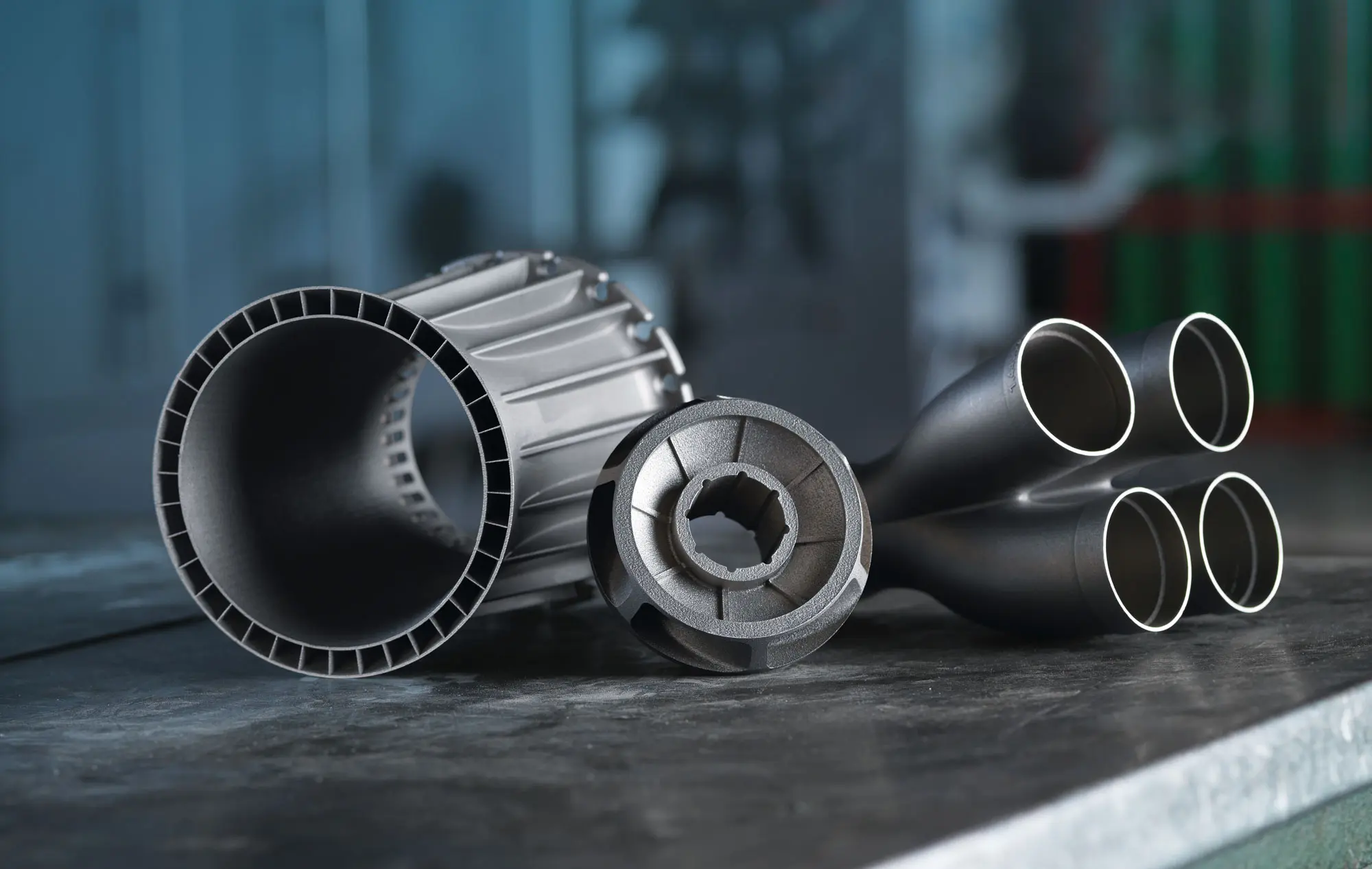
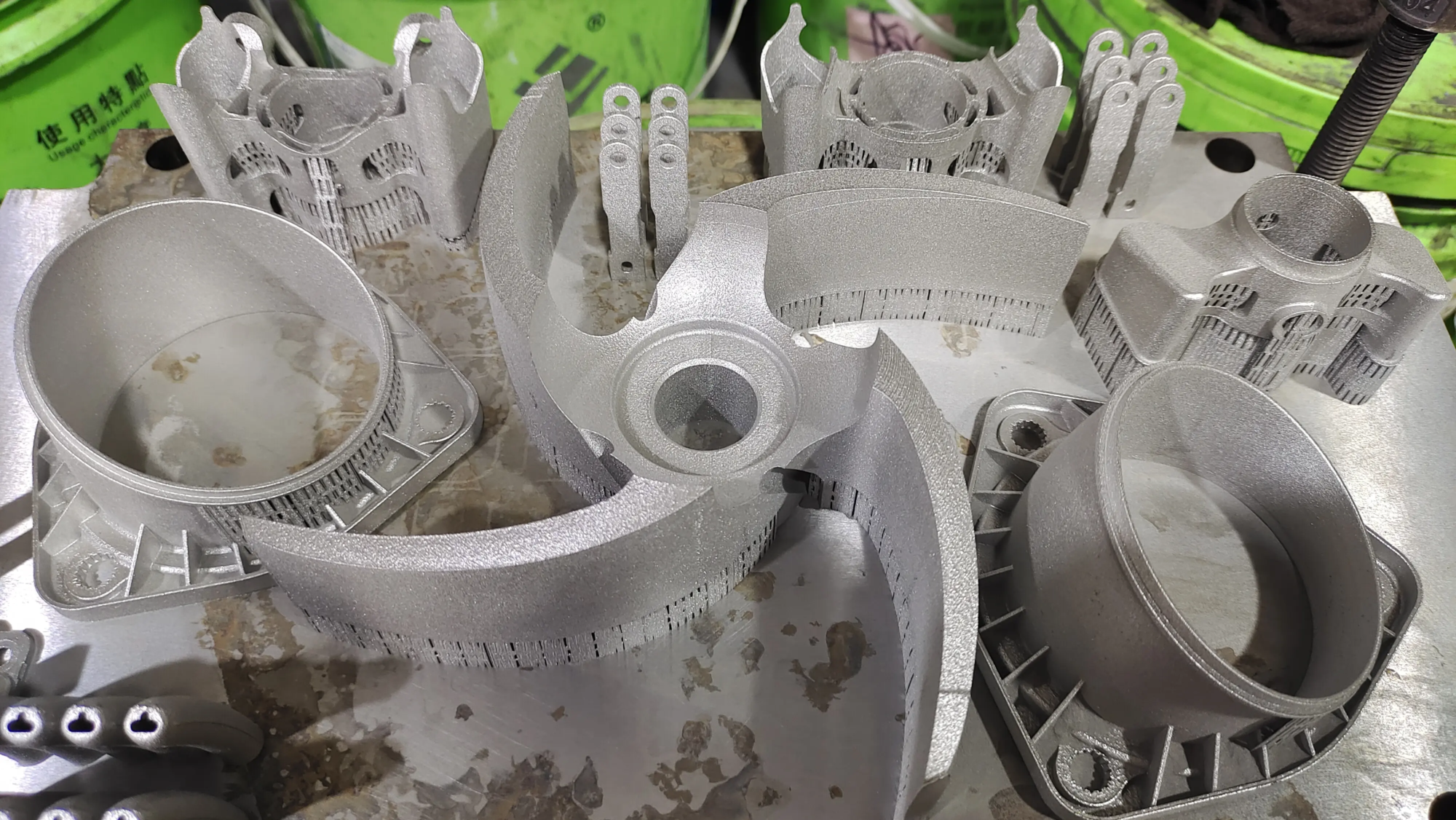
How GreatLight fits into: At GreatLight, we utilize systems like Dimension Elite and continue to evolve. While recognizing its historical contributions, our focus is on cutting-edge solutions. We use the most advanced technology Selective Laser Melting (SLM) Printer Capable of producing high-strength, complex metal parts Aluminum, titanium, stainless steel, Inconel and more come directly from digital design. We compare it with Comprehensive post-processing – Including CNC machining, heat treatment, surface treatment (shot blasting, polishing, coating) and assembly – to provide true end-use metal parts. Whether you need complex prototypes that mimic castings or optimized production parts, our integrated One-stop rapid prototyping service Simplify your journey from CAD to final product. Need custom precision parts using advanced materials and processes? Customize your precision rapid prototyping parts efficiently and cost-effectively with GreatLight.
FAQ: Dimension Elite 3D Printer
Question 1: Are Dimension Elite printers still a viable option today?
A1: Although the basic functions are powerful, it is an older platform. Evaluate carefully:
- advantage: Possibly lower purchase cost (
- shortcoming: Limited modern support, potential obsolescence risk, higher running/material costs compared to some newer options.
Consider newer FDM systems that offer wider material compatibility and improved software/hardware. - shortcoming: Limited modern support, potential obsolescence risk, higher running/material costs compared to some newer options.
Q2: What is the main purpose/material? "SR-30"?
A2: SR-30 is specially made water soluble support material. Unlike the model material, the finished part dissolves away when it is placed in a specialized bath of solution. This enables accurate printing of complex geometries with internal cavities without damaging the part during manual support removal.
Question 3: How does Dimension Elite compare functionally to newer Stratasys systems such as the Fortus series?
A3: Fortus systems typically provide:
- Significantly increases build volume.
- Wider range of engineering thermoplastics (ULTEM, PPSF, nylon).
- Advanced soluble supports such as SR-35 Soluble PLUS (dissolve faster).
- Potential upgrades in speed, accuracy, connectivity and material management. Elite pioneered the dual-material soluble support concept, which is further enhanced by newer Fortus machines.
Question 4: What alternatives are available today that can effectively handle complex geometries and soluble supports?
A4: In addition to modern Stratasys FDM/Fortus, consider:
- Poly jet: Unparalleled detail/resolution (+ soluble support resin).
- Advanced Industrial Polymers/SLA: Some newer technologies offer water-soluble support as well as sturdy materials.
- Metal Additive Manufacturing: SLM/DMLS inherently builds complex metal geometries that often require soluble support processing.
- Niche FDM: Ultimaker S-Line/Pro Bundle, other industrial FDM using specialized soluble materials.
Q5: GreatLight mentioned SLM printers. Are metal parts comparable to Dimension Elite ABS parts?
A5: Completely different league. SLM production parts Made of solid metal powder (Ti64, AlSi10Mg, stainless steel, Inconel, etc.) by laser fusion. Parts boast:
- Material properties: Achieve near or actual forged metal properties – greatly superior strength, heat resistance, density compared to thermoplastics.
- application: Aerospace structures, medical implants, high temperature fluids, end use load bearing components. While Dimension Elite specializes in durable plastic prototypes/low-volume functional parts, SLM can handle higher performance requirements in metal. GreatLight specializes in providing powerful SLM metal prototyping and production solutions.