Unlocking the world of miniatures: The ultimate guide to 3D printed dioramas
Imagine holding an entire universe in the palm of your hand – a frozen moment of history, fantasy or a futuristic cityscape, crafted in stunning detail. This is the magic of dioramas, and 3D printing has revolutionized the creation of dioramas. Gone are the days of tedious hand engraving; today, artists and engineers blend creativity with precision technology. In this guide, we explore how 3D printing is taking 3D model making to the next level, from design to post-processing, and reveal why it is reshaping the industry from amateur modeling to professional prototyping.
Why choose 3D printed 3D models?
Traditional diorama construction relies on manual sculpting, limiting complexity and scalability. 3D printing breaks down these barriers:
- accurate: Achieve microscopic details (0.1mm resolution) not possible by hand.
- complex: Easily print interlocking parts, hollow structures, and dynamic poses.
- Scalability: Digitally resize designs to ensure consistency between projects.
- Material Versatility: Use plastic, resin or even metal to meet functional or aesthetic needs.
Step-by-step creation guide
1. Design and Conceptualization
Start with a clear vision. Sketch the scene – think about scale (1:100 or 1:72 are popular), key elements (terrain, characters, props) and storytelling. Tools like Blender and ZBrush allow you to digitally sculpt complex models. hint: To ensure architectural accuracy, integrate lidar scans of real locations.
2. Printing and modeling
- Software selection:
- Tinkercad (for beginners)
- Fusion 360 (technical precision of gears/moving parts).
- Design tips:
- Hollow parts save material.
- Add assembly registration markup.
- Avoid unsupported overhangs exceeding 45°.
3. Material and printer selection
- Plastic (FDM printing): PLA (affordable, rigid) for landscaping; PETG (flexible) for trees/vehicles.
- Resin (SLA/DLP): Great for statues and fine textures. To be on the safe side, use vegetable resin.
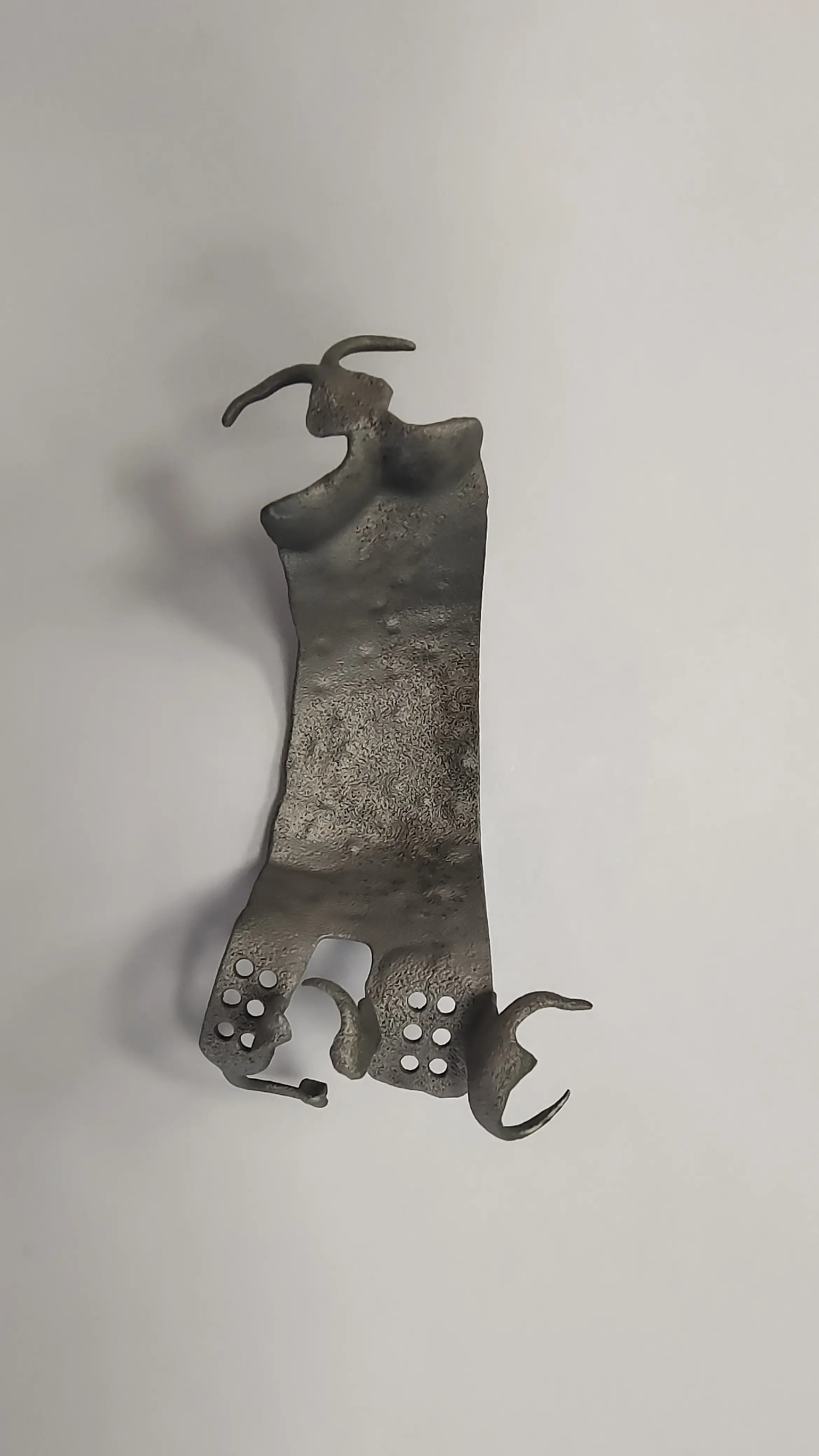
- Metal (SLM): Used for industrial dioramas where durability is required (e.g. scale machinery). Selective laser melting (SLM) fuses metal powders into solid parts – perfect for functional prototypes.
4. Printing and Troubleshooting
- Strategic slicing: Orient the part to minimize support. Resin printing using tree supports in Chitubox.
- Common fixes:
- Warping: Increase bed adhesion (glue stick or PET tape).
- Layer transfer: Tighten the belt and reduce the print speed.
5. Post-processing
Transform original prints into exhibition-ready works:
- Support removal: Carefully clamp or dissolve soluble supports.
- smooth: Sand PLA with increasingly fine grit; steam smooth ABS with acetone.
- Painting and details: Prime with filler spray, use acrylic wash to add depth, and add weathering.
For SLM metal printing:
Post-processing is crucial. Stress relief prevents warping, CNC machining ensures dimensional accuracy, and polishing/plating enhances aesthetics. company likes huge light Specializing in metal rapid prototyping – utilizing advanced SLM printers and providing one-stop services (heat treatment, surface finishing) to transform raw prints into perfect parts.
Metal printing elevates professional dioramas
While most dioramas use polymers, metal parts open up new possibilities:
- Functional gears on display at the Powerhouse Museum.
- Fire protection components in industrial training models.
- Historic reproductions require an aged brass or steel finish.
huge lightthe leader in rapid prototyping, excels at this. Their SLM technology processes titanium, aluminum and tool steel to produce high-strength parts with complex geometries. Combined with professional post-processing, they provide ready-to-assemble elements ideal for customer-facing prototypes or durable installations.
Conclusion: The future is micro
3D printing democratizes diorama creation, empowering artists and professionals alike. Whether creating a World War II battlefield for education or prototyping a product for customer review, the fusion of digital design and advanced manufacturing ensures unprecedented quality. As materials develop—conductive inks for lighting, biodegradable filaments—the potential grows exponentially.
When it comes to metal prototypes, working with experts is key. huge light Become China’s top rapid prototyping partner, providing end-to-end SLM printing and finishing. Their commitment to precision, customization and competitive pricing makes them indispensable for demanding projects. Ready to expand your horizons? Explore GreatLight’s ability to transform complex concepts into tangible realities.
FAQ: Your Diorama 3D printing questions answered
Q1: What is the best 3D printer for beginners?
Answer: FDM printers such as the Creality Ender-3 are user-friendly and low-cost. The resin printer (Elegoo Mars) excels at detail, but requires more safety measures.
Q2: How to avoid deformation when printing large terrain?
A: Preheat the bed, use an edge/raft, and choose a low-deformation material such as PETG. Enclosed printers help regulate temperature.
Q3: Can I mix metal and plastic parts in one diorama?
Answer: Of course! Use an adhesive such as epoxy to bond the metal gears to the plastic base. GreatLight’s SLM printed metal parts integrate seamlessly with other materials.
Q4: Which post-processing service is best for metal parts?
A: For strength-critical parts, choose stress relief and CNC machining. GreatLight offers comprehensive solutions including polishing and anodizing to ensure durability and beauty.
Q5: How cost-effective is outsourcing metal printing?
A: For complex geometries or small batches, outsourcing to SLM experts like GreatLight can reduce upfront printer costs and ensure professional results. Volume discounts often apply.
Q6: Can resin dioramas be post-cured safely?
A: Once fully cured and sealed with varnish, resin prints are inert. Wear gloves and maintain ventilation when handling uncured resin.
Q7: What is the optimal size for an architectural 3D model?
Answer: 1:100 Balance detail and manageability. Use scaled CAD models to ensure door heights, stairs and props remain proportional.
Have any other questions? Connect with our community, or contact GreatLight for personalized prototyping advice.