Harnessing Innovation: DIY 3D Printed Airsoft Grenade (How, Why, and Important Precautions)
The airsoft community thrives on realism, immersion and constant innovation. Players seek authentic gear, from detailed replicas to functional ordnance like grenades. While commercial airsoft grenades are available, they are expensive, easily lost on the battlefield, and lack customization. 3D printing is a revolutionary tool that allows enthusiasts to design, prototype and build their own airsoft grenades. The democratization of manufacturing opens up exciting avenues, but it also comes with significant responsibilities. Let’s dive into the world of DIY 3D printed airsoft grenades to explore their potential, the technology behind them and Key safety and legal considerations This has to come first.
Why Choose 3D Printed Airsoft Grenade?
- Cost-Effectiveness and Replacement: Airsoft grenades are thrown, lost in bushes, and sometimes even burst. 3D printed components enable extremely low-cost replacement. Instead of spending $30 to $80 on a brand new grenade, you can just spend pennies on filament printing a new casing or mechanical part.
- Unparalleled customization: Want a grenade shaped like the iconic sci-fi explosive? Need a unique transmitter of a specific size or weight? 3D printing allows you to design or download countless variations to tailor the grenade to your specific replica, playstyle, or aesthetic preference.
- Design innovation: Tinkerers and engineers can experiment with novel triggering mechanisms, decentralized modes, or safety features that go far beyond off-the-shelf options. Prototyping new ideas becomes fast and affordable.
- Repairability: Parts are worn. Instead of discarding a non-functioning grenade, you can often identify and print a cracked lever, worn gear, or damaged casing, breathing new life into your device.
- Educational value: The process of designing, printing, assembling and testing teaches valuable skills in CAD (Computer Aided Design), 3D printing technology, mechanical and safety engineering.
Key Technologies and Materials for Strength and Functionality
The success of your DIY airsoft grenade depends on choosing the right printing technology and materials for each component:
- Fused Deposition Modeling (FDM): The most common DIY method, uses thermoplastic filament. Ideal for printing grenade bodies (casings), scoops (levers) and non-critical internal components.
- Material:
- PLA (polylactic acid): Easy to print, sturdy and affordable. Best for basic prototyping and low-impact aesthetic enclosures. May become brittle under impact stress.
- PETG (ethylene glycol modified PET): Excellent choice. Offers significantly better impact resistance, toughness and temperature stability compared to PLA, while still being relatively easy to print. Highly recommended for functional grenade parts that are susceptible to impact.
- ABS (acrylonitrile butadiene styrene): Tough and impact resistant. Better environmental control (heated chamber) is needed to prevent warping.
- Nylon/PA: Extremely strong and durable. Ideal for highly stressed components. Printing is more challenging, requiring high temperatures and enclosed chambers.
- Material:
- Stereolithography (SLA/DLP)/Material Jetting (e.g. PolyJet): These resin-based technologies deliver superior surface detail and dimensional accuracy. Ideal for printing complex internal mechanisms, gears or detailed decorative casings. Resin parts are brittle and generally less impact resistant than tough FDM materials such as PETG or nylon. Best for non-critical items or prototypes that require high-precision assembly.
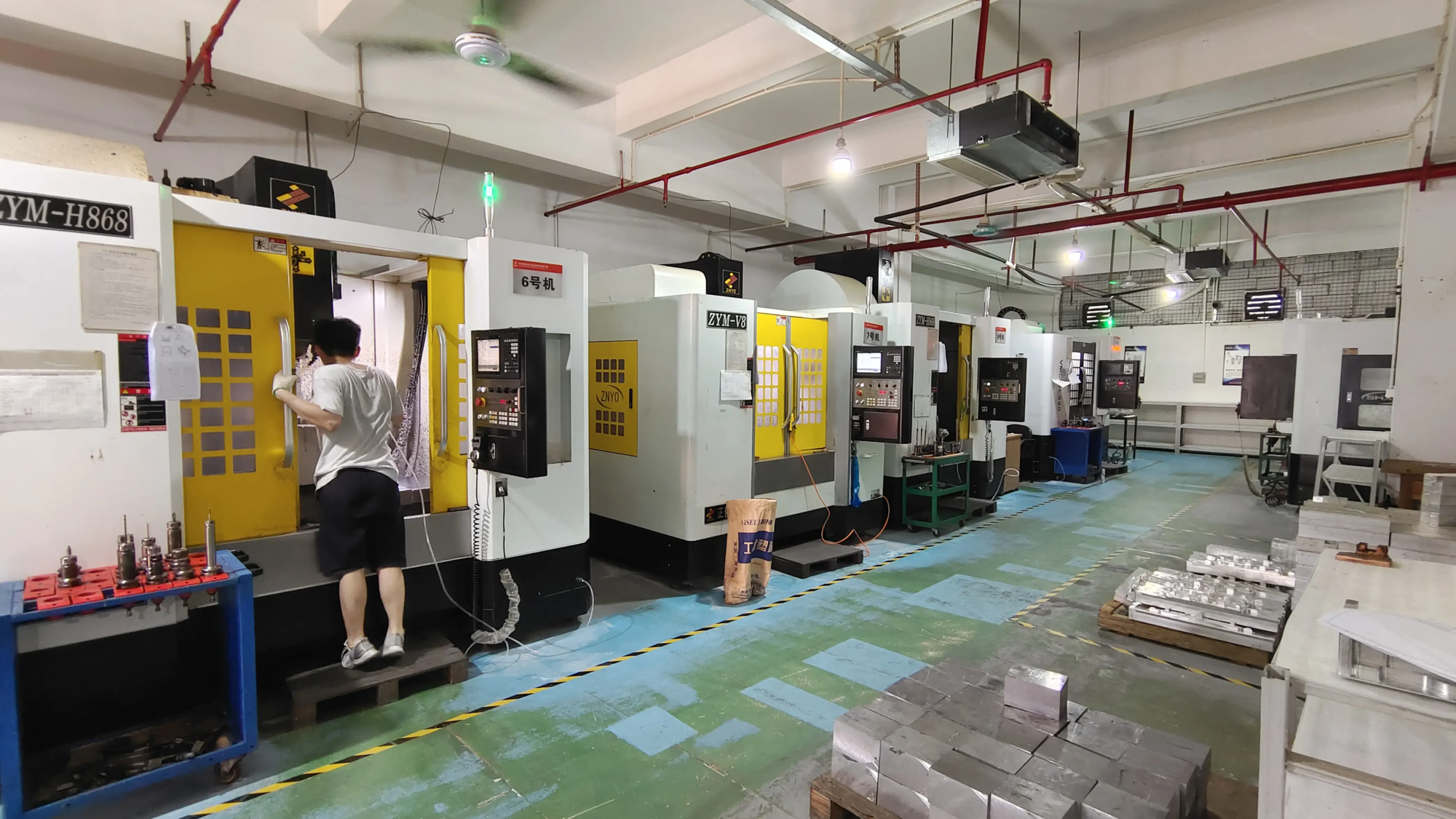
- Metal 3D printing (SLM/DMLS/MJF): where is this Professional services such as GreatLight excel. When sheer strength, heat resistance or high pressure resistance is critical for a critical component such as a specific trigger mechanism, a pressure vessel for a CO2 system or a highly stressed pin, SLM/DMLS (Selective Laser Melting/Direct Metal Laser Sintering) is unmatched. These processes use lasers to fuse metal powders layer by layer to produce fully dense, high-strength metal parts. While often beyond the reach of the typical DIY enthusiast, these parts can be used by professional prototype makers to create custom, high-performance builds. GreatLight’s expertise in rapid prototyping with metals such as aluminum, titanium, stainless steel alloys provides powerful solutions for the most demanding internal components, ensuring functionality and longevity under stress.
Key Design Considerations: Safety Above All
Designing an airsoft grenade is not just about aesthetics; This is a serious project that requires great attention to safety:
- Security mechanism: design must Use sturdy, reliable safety devices to prevent accidental discharge during handling, transportation or filling. The forced locking mechanism is crucial.
- Stress and force management: Understand the forces involved, especially when incorporating CO2 or propane systems. Pressure-containing components must be designed with significant safety considerations in mind and use appropriate materials (metal printed components are often required – see below).
- Fragility and Durability: When detonating, the shell must reliably fragment/deploy the BB effectively, but not cause dangerous fragmentation. It also must be able to withstand the rigors of handling and possible drops without premature failure. Material selection and wall thickness design are critical.
- Trigger reliability: The mechanism that initiates the explosion (firing pin, pneumatic release, electronic trigger) must be consistent and robust. Fragile triggers are dangerous and ineffective.
- Visibility and marking: Designs should include features for visibility when throwing. Consider flags that indicate security status.
- Simulation and testing: Use CAD stress simulation tools (FEA) whenever possible forward Printing, especially key components. test design broad and remote Please do so in a controlled, safe environment before using them in games. Start with low power activation.
The indispensable role of professional prototyping
While low stress external parts are ideal for desktop FDM/resin printing, Critical internal components require the highest material integrity and dimensional accuracy. This is the realm of professional rapid prototyping services:
- Highly stressed parts: Springs, pins, firing mechanisms, valve bodies or any component subject to repeated shock or high pressures benefit from the superior strength and fatigue resistance of metal alloys machined through advanced techniques such as SLM.
- Precise and complex geometries: Tiny gears, complex valve assemblies, or parts requiring tight sealing tolerances can be perfectly realized using high-precision SLA/DLP/PolyJet resin or metal processes.
- Materials expertise: company likes huge light Have in-depth knowledge of material properties and optimal printing processes (SLM, MJF, SLS, CNC) for each application. They ensure parts perform as expected under real-world stress.
- Post-processing: Professional services provide critical finishing – heat treatments to relieve stress and increase strength, precision machining of critical interfaces, surface smoothing (vibration polishing, tumbling) to reduce friction and wear, and sealing/coatings to resist corrosion.
huge lightAs a leading rapid prototyping manufacturer, we solve these specific challenges. With advanced SLM 3D printers and complementary technologies, they offer One stop solution Including high-strength metal and plastic prototyping, custom precision machining and comprehensive post-processing. If your DIY grenade design requires complex, rugged, or critical metal internal components (beyond consumer-grade plastic), utilizing professional services like GreatLight is critical to safe and reliable performance. Their rapid customization capabilities ensure your innovative ideas are quickly and cost-effectively turned into practical, working parts.
Legal and Ethical Requirements: Non-Negotiable Requirements
Building or using DIY airsoft equipment comes with significant legal and ethical responsibilities:
- Know your local laws: Airsoft techniques vary widely:
- Legal status: Are airsoft guns themselves legal in your area? Be recognized or considered a firearm?
- Grenade rules: Are pyrotechnic grenades allowed (explosive only)? Smoke bomb? A gas-powered replica with onboard BBs (marker grenades)? Are there any limitations on power, noise level or propellant type (CO2, green gas, air fire)?
- Transportation and storage: How do you have to transport and store your equipment? Similar to an IED?
- Field rules supersede all rules: always get clear pre-approved From the site owner or event organizer forward Bring any DIY equipment into the game. Failure to do so may result in disqualification and possible ban. Oil fields have strict safety protocols.
- Transparency is key: Clearly identify custom grenades to field marshals and opposing players. Educate others about its functionality and security mechanisms. Don’t try to hide it or make it too realistic in a complicated way, which may cause panic.
- Reality and safety: Avoid designs that imitate actual military decrees, especially fragmentation grenades. Unique colors, textures and markings make them instantly distinctive.
- responsibility: Please understand that you are solely responsible for the safety features of your DIY creation. A malfunction that causes injury can have serious legal and financial consequences.
- Never use real components: Strictly avoid using actual explosive materials, shrapnel or parts from live military equipment.
Conclusion: Innovation is rooted in responsibility
DIY 3D printing unlocks the exciting potential for airsoft grenade customization and innovation, offering cost savings, repairability and unique designs. Technologies ranging from easy-to-use FDM printing to high-end professional metal SLM enable creators to bring complex ideas to life. However, this power requires unwavering responsibility. Design safety, material selection (utilizing professional services like GreatLight to handle critical metal components), rigorous testing, and strict compliance with legal and site regulations are critical.
Participate in the manufacture of functional airsoft replicas in an ethical and transparent manner, putting safety first. Done correctly, 3D printing allows players to responsibly enhance their airsoft experience. For projects that require extreme strength and precision, remember that a dedicated rapid prototyping partner like GreatLight can provide the expertise and technology to realize complex, reliable components safely and efficiently.
Frequently Asked Questions (FAQ) – DIY 3D Printed Airsoft Grenade
Q: Is it legal to make and use your own 3D printed airsoft grenades?
one: Legality varies widely. Airsoft regulations vary widely from country to country, state to territory, and even territory to territory. Key steps: 1. In-depth research Local laws regarding airsoft replicas, "imitation firearms," and explosive/propulsive devices. 2. never assume legality. 3. Absolutely with explicit permission From any field or event organizer forward Bring a DIY grenade. If in serious doubt, don’t build or use it.
Q: Are 3D printed grenades safe?
one: them able yes, if Designed, printed, assembled and tested using the appropriate materials for each component’s function, with an uncompromising focus on safety. Plastic casing around the BB is generally less risky if materials such as PETG or nylon are used correctly. However, Critical internal components that are subjected to high pressure or shock (especially in gas systems) can turn into dangerous projectiles if they fail and must be designed with a safety factor (5x or more) and may be professionally fabricated from metal. Poor design or material selection = major safety hazard. Remote testing is mandatory.
Q: What is the best 3D printing material for grenade bodies/shells?
one: PETG is often considered Best overall DIY choice For shells/spoons. It provides an excellent balance of:
- Strength and toughness (impact resistance is better than PLA or resin)
- Easy to print (easier than ABS or nylon)
- Temperature resistant (will not soften in hot weather like PLA)
- Chemical resistance (solvent/sweat resistance)
Nylon offers greater durability but can be difficult to print consistently without a professional setup. Avoid using brittle materials such as regular PLA or SLA resin to create functional, impact-prone enclosures.
Q: Where can I find 3D models of airsoft grenades?
one: Platforms such as Thingiverse, Cults3D, MyMiniFactory and GrabCAD sometimes host designs. However, Need to be extra careful:
- Veterinary Design Critically: Find detailed instructions, safety features, and usage instructions. Prefer community-tested designs.
- Avoid unsafe models: Avoid designs that lack clear safety, use inappropriate pressure ratings, or unrealistically mimic real regulations.
- Know what you want to print: Never download and print blindly. Analyze its mechanism and required materials.
Q: Can I 3D print a CO2 powered grenade?
Answer: It’s possible, but the risk is much higher. CO2 systems involve a lot of pressure (800+ PSI). Key takeaways:
- Key components require metal: Any part directly exposed to CO2 pressure (valve body, pin, pressure chamber) must Made of high-strength metal through SLM/DMLS and other processes to ensure absolute safety. Never rely on plastic to seal high pressure CO2 or critical valves/triggers. This instantly elevates the build to a level that requires professional prototyping services.
- complex: The valve design and triggering mechanism are much more complex than a basic spring-operated tag grenade.
- legality: CO2 grenades may face stricter regulations or bans in many jurisdictions/areas.
Q: Why should I use a professional rapid prototyping service like GreatLight?
one: Professional services are crucial when your DIY project requires:
- Metal parts: Ideal for critical high-strength, high-pressure or high-wear internal parts (valves, triggers, gears, pins) that are unsafe or insufficient to print on consumer plastics (SLM/DMLS for metals).
- High-precision parts: Tiny, complex geometries require dimensional accuracy and repeatability from reliable mechanisms (using SLA/DLP/PolyJet or precision CNC).
- Premium Materials: Engineering grade plastics (nylon, PEEK, ULTEM via SLS/MJF) or high strength metal alloys can be used.
- Post-processing: Heat treatment, bearing surface machining, sealing, smoothing or special coatings.
- Complex components: Multi-part prototypes require consistent material properties and tolerances.
Weiguang provides this "one stop shop" Advanced machinery (SLM, etc.), materials expertise and post-processing capabilities to ensure functionality and safety-critical components for advanced projects.