Unleash Innovation: Your Guide to the Final DIY 3D Printed Ammo Frame
Organization is crucial in the world of shooting sports, hunting and preparation. Ammunition cartridges play a crucial role in safe storage and transporting cartridges, protecting them from moisture, damage and degradation. While traditional metal and plastic options abound, the rise of accessible 3D printing technology has opened up exciting possibilities for shooters and amateurs: make their own custom ammo boxes. This comprehensive guide delves into the complexity of DIY 3D printed ammunition boxes, combining practical guidance with basic safety considerations.
Why 3D print your own ammunition box?
The charm of 3D printed ammunition boxes lies in customization and innovation. Standard boxes are available in universal size and compartmentation. With 3D printing, you will gain the following power:
- Precise design: Create boxes tailor-made for specific calibers (from .22LR to .50 BMG), unusual cartridge configurations or unique gun accessories.
- Optimization space: Design an effective stackable or modular system that fits perfectly into your range bag, safety or vehicle, thus maximizing storage density.
- Added features: Combined with built-in counters, integrated desiccant holder, tag slots, tote bags and even locking mechanisms.
- Personalization: Add logo, text or decorative elements for a truly unique look.
- Prototypes quickly: Different designs can be quickly and affordable before considering mass production or investing in alternative manufacturing methods.
- Cost Efficiency: For small batches or highly specialized needs, 3D printing can be much cheaper than customized solutions.
Key design considerations: Safety first
Before starting the slicer software, please confirm safety throughout the design and printing process. Ammunition boxes are containers for sensitive items that need protection.
- Material selection: This is the most important thing.
- Strength and durability: The ammunition box must withstand droplets, stacking pressure and general handling. Thermoplastics Nylon (PA6/PA66, PA12), PETG, ABS or reinforcement (carbon fiber or glass fiber filled wire) Provides excellent influence and dimensional stability. Avoid PLA For functional ammunition boxes – it can become vulnerable over time, especially in temperature fluctuations commonly found in vehicles or sheds.
- Temperature resistance: Consider where to store the box (car trunk, garage, safety). Materials such as ABS, ASA, PETG and nylon have higher temperatures than PLA.
- Water resistance: Although the filaments themselves are not waterproof, the layer adhesion and printing quality need to prevent moisture from entering. PETG and ABS are good choices. Make sure the seal is well designed (see below).
- Wall Thickness and Filling: Compensate for the inherent anisotropy of FDM printing (layer direction weakness).
- wall: Significantly increase wall thickness compared to decorative prints. The minimum recommended wall thickness for small diameter boxes is 2.5-3mmexpand larger caliber or heavy stack. Consider using more than 3 surroundings.
- Top/bottom: Use 5-8 solid top and bottom layers for structural integrity and create barriers to moisture. Avoid large, thin spans that are prone to bending.
- filling: Capacity, dense fillers like cubic or honeycomb (>30%) provide excellent internal support and impact resistance without excessive weight/material use.
- Latch and shutdown mechanism: This is crucial for safety during transportation.
- Positive locking: Design safe, low-key mechanisms that will not open unexpectedly if you hover. Options include snapshots, a sturdy sliding latch, a rotating buckle or an integrated hinge with a robust pin.
- Excessive travel stop: Prevent latch or hinge from exceeding its yield and breaking.
- seal: Incorporate foam gaskets or design integrated O-ring grooves (for flexible TPU prints) to create a water-resistant seal. A simple pressure lip design also provides moderate entry protection.
- Componentization and functions:
- Ink cartridges are suitable: Design a compartment with comfortable but easy to move fit – During insertion/disassembly, the risk is too high to damage the primer or housing. Account bullet changes (e.g. flat vs. hollow points). Chamfered compartment entry.
- Label: Includes planar surfaces for writing, etching or fixing labels. Consider raised text/logo integration.
- Stacked/modular: Add alignment pins to organized storage, stack lips or tuxedo.
- Ventilation (for primer): Key considerations: The primer requires controlled ventilation to allow the gas to ignite by chance (although extremely rare in storage) before the gas can escape. Avoid designing an absolutely sealed shell. Strategically smaller exhaust holes (too small to enter the cartridge, e.g., diameter <3mm) to prevent pressure buildup. This is in line with best practices in commercial ammunition storage.
DIY workflow: Printing design
- Concepts and measurements:
- Determine the exact cartridge you need to store. Carefully measure its dimensions (total length, edge diameter, case length, bullet diameter).
- Identify key features: capacity, shape, latch type, stacking, handle, counter, seals.
- Draw your design.
- CAD Modeling:
- Use professional or amateur CAD software (Fusion 360, Freecad, Tinkercad, Onshape, Solidworks, Blender).
- Model base, cover, latch assembly, hinge, internal department is precisely based on measurements.
- Combine fillets/elasticity to reduce pressure and printability.
- Verify the fit using assembly simulation or analog print of critical connectors.
- Slice settings (critical to strength):
- printer: Make sure your printer is calibrated (electronic steps, flow, temperature tower, retraction).
- filament: Use high-quality dry wire. PETG, ABS, ASA or nylon is recommended. Print dry nylon if possible.
- Nozzle/temperature: Larger nozzles (0.6mm+) can improve layer adhesion. Use the recommended filament temperature. ABS/ASA/nylon housing is highly recommended.
- Layer height: Between 0.2mm and 0.3mm, strength and resolution are balanced well. Smaller layer heights can improve layer bonding, but increase printing time.
- perimeter: At least 3, preferably 4-6.
- Top/bottom: Minimum 5-8.
- filling: 30% minimum fill density. Choose stiff patterns: cube, honeycomb. Avoid basic mesh for maximum impact on durability. The walls and fill should work together.
- Printing direction: Forward parts with maximum strength relative to the expected load (eg, avoid directing thin latch arms with layer lines perpendicular to bending forces). Minimize critical overhangs. Use wisely support.
- speed: Print slower than maximum speed for better layer adhesion, especially on critical parts. The outer perimeter benefits especially from slower speeds.
- cool down: Medium cooling is usually best suited for layer adhesion in structural parts. Avoid blasting high cooling on early layers (ABS usually prefers minimal cooling).
- Edge/raft: Use edges to better bed adhesion on the bottom/cover to prevent warping, especially on ABS/ASA/Nylon.
- print: Monitor the first floor closely. Make sure the hot end is consistent with the bed. Avoid drafts.
- Post-processing:
- support: Remove the bracket carefully.
- clean: Remove any dust/debris.
- Grinding: Aesthetics are optional, but avoid overly polished features.
- assembly: Assemble the latch pin (metal pin/machine screw/nut usually more powerful than printed pins), hinges, and optionally install seals.
- Functional test: Test latch/open slime, stacking and cartridges are repeatedly fit.
Security and legal considerations: non-negotiable
- Material Limitation: It is understood that FDM-printed plastics lack the effect of resistance and impermeability of dark aluminum used in rotary polyethylene or MIL-Spec boxes. They cannot replace these materials in extremely demanding tactics or large long-term storage environments.
- Label: Clearly mark your home box as caliber and count (if integrated).
- transportation: During car transportation, separate boxes should be included, which should be included in secondary durable containers (e.g., a sturdy range bag or a dedicated container).
- No fireworks technology: no way Try 3D printing real-time cartridges, smokeless powder, primer, or any explosive/propeller assembly. This is illegal and extremely dangerous.
- Local laws: Firearms and ammunition regulations vary crazy By country, country and region. You are responsible for understanding and complying with all laws regarding ammunition storage, transportation and property. Certain areas may have specific requirements for container strength or latch mechanism. Always prioritize compliance.
- Fire safety: Keep printed ammunition boxes away from heat sources and fire hazards. Remember that while unlikely, ammunition can cause significant harm to cooking in fire. Correct ventilation storage and distance are key.
Further: Custom and Advanced Tips
- Materials Science: Try using engineered wires (such as nylon mixtures (PA-CF, PA-GF), PC mixtures (PC-ABS, PC-CF) or high-performance polymers (such as Peek/Pekk), and if your printer can manage high temperatures (these are expensive, but they are expensive but offer advanced characteristics), then test them.
- Hybrid design: Design boxes that can be reinforced with inserted metal rods, plates or commercially available hardware to reinforce critical stress points (hinges, latch arms, bottom corners).
- Quick access: design "Pistol block"- Scope meeting holders.
- Desiccant solutions: Integrated removable holder for rechargeable desiccant packaging within the lid or bottom.
- Ergonomics: Focus on comfortable grip surfaces and loaded handles/belts, integrated into the design.
- Industrial-grade solutions: When your 3D printed prototype proves the design concept of a specialized industrial, organization or equipment integrated ammunition storage solution, but you need high durability, material properties, accuracy or scale, Metal prototypes provide the ultimate advancement.
Improve the prototype: The power of metal
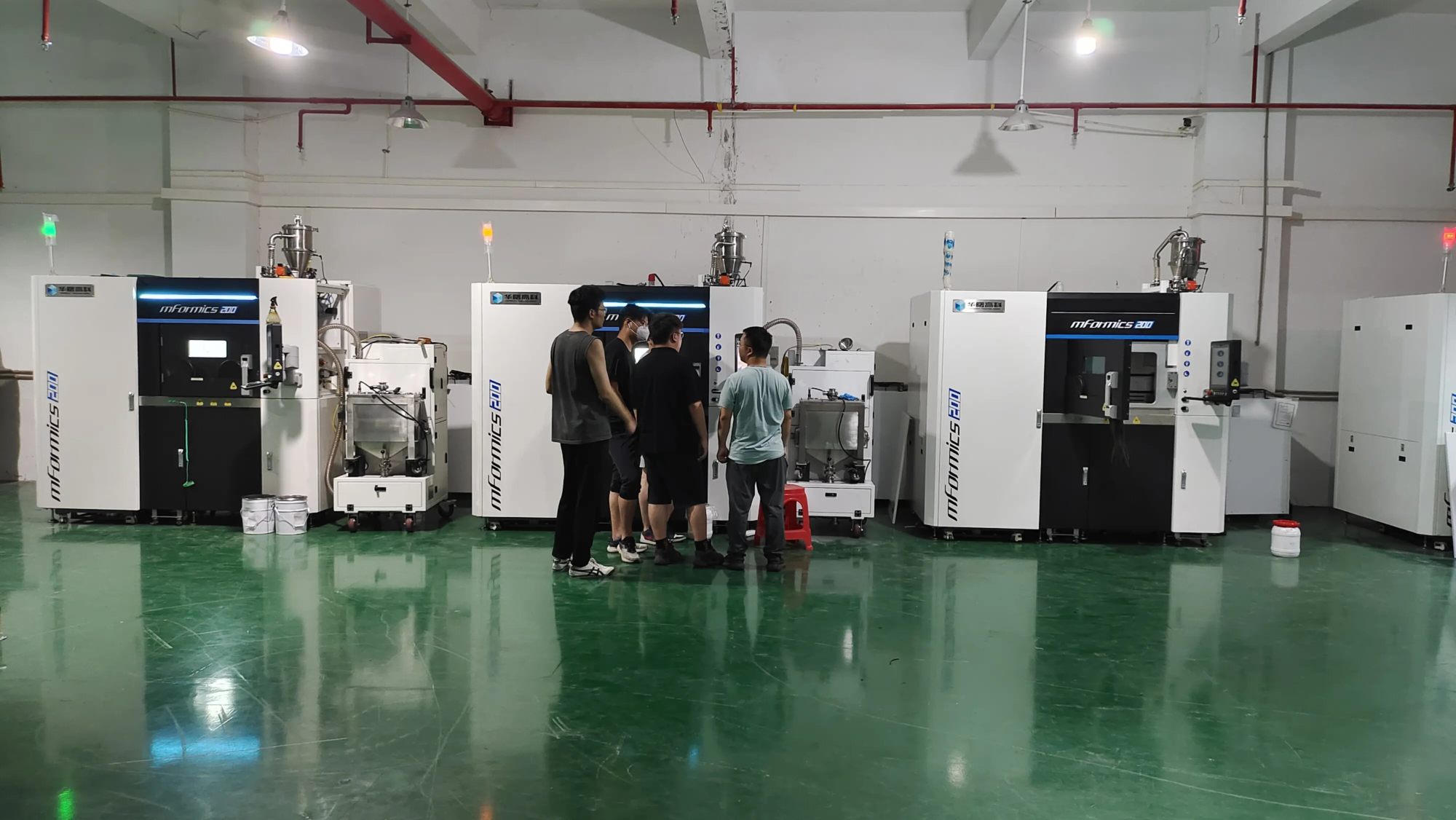
Although FDM printing is excellent for rapid prototyping and custom plastic parts, some AM applications require structural integrity, temperature resistance and life of metals. This is Great As a leading professional rapid prototyping manufacturer, we combine cutting-edge SLM (Selective Laser Melting) 3D printing technology with a broad range of expertise to solve complex metal parts prototyping challenges.
- Advanced SLM features: The metal powder is fused in one layer with a high-precision laser to form fully dense, high-strength parts comparable to traditional manufacturing.
- Material mastery: Handle a variety of special metals suitable for the required application: stainless steel (316L, 17-4PH), aluminum alloy (ALSI10MG, Scalmalloy®), titanium (Ti6al4v), Inconel (625, 718) and tool steel.
- End-to-end service: From optimizing your STL files for manufacturability with complex supported structural designs to precise printing to comprehensive post-processing, we provide a truly one-stop solution.
- Excellent post-processing: Our services include tangible support disassembly, CNC machining of critical interfaces, controlled atmosphere for heat treatment, media blasting, polishing, gold plating, coatings – suitable for your functional and aesthetic requirements.
- Speed and customization: Focus on fast turnaround without compromising quality. Most materials can be used for custom processing to meet your specific project needs. Is there a need for engineering ammunition carriers integrated into the vehicle mount, or a supercapacity high-capacity sealed container? Greglight can reliably provide customized precision metal prototyping solutions at competitive prices.
in conclusion
3D printing gives gun enthusiasts and equipment designers unprecedented freedom to create custom ammunition storage solutions. By carefully browsing design considerations, prioritizing strong material choices, adopting disciplinary printing practices, and strict compliance with safety and legal requirements, the DIY 3D printed ammunition box provides tremendous practical value for scope day, organization and prototype custom design. They bridge the gap between imagination and tangible function.
Always remember that these DIY solutions have specific, controllable usage scenarios. For storage in mission-critical, high capacity or extreme environments, traditional commercial hard cases remain the gold standard. But the journey from digital concepts to physical objects is perfect for a forgotten niche in your gear setup, which is incredibly beneficial. When your plastic prototype proves that it requires mass production or unyielding performance, a collaboration with Greatlight (Greatlight) unlocks the potential of industrial-grade solutions, leveraging the full range of modern manufacturing technologies.
FAQ: Your DIY 3D Printed Ammunition Box Questions Answered
Q1: Is 3D printed ammunition box legal?
A1: Usually, yes, print container Because ammunition is legal in most jurisdictions. It is crucial that you are responsible for complying with all local, state and national laws regarding ammunition storage and transportation. Tag requirements, maximum limits on the number of shipments/storages, and container specifications (e.g., visibility, locking) vary widely. Never print ammunition boxes for illegal activities or circumvent regulations. Never try to print the ammo itself (case, projectile, etc.) as this is usually a highly regulated manufacturing industry. Always advised to check with local authorities.
Q2: What is the best material for a durable, functional 3D printed ammunition box?
A2: For functionality and durability, avoid standard PLAs. Petg Due to its strength, temperature resistance and water resistance, it is the easiest to obtain and recommend for beginners. ABS and ASA Provides high temperature resistance, but needs to be closed and can be bent. Nylon (PA6/PA12) Provides excellent impact strength and flexibility, but is difficult to print (requires drying and housing). For final performance, such as Nylon (PA-CF) or polycarbonate (PC) filled with carbon fiber Is an option for advanced users with powerful printers.
Q3: How thick should the wall be?
A3: The walls need to be much thicker than typical decorative prints to withstand stacking, dropping and ongoing treatment. The average minimum of effective ammunition box is 2.5mm to 3mm wall thickness with 3 to 6 solids surrounding. Add this (for example 4-5mm) large or weight box. Combine thick walls with proper filling density (using powerful patterns like thyroid or cubes (like three times).
Question 4: Why are ventilation holes important?
A4: Experience of primer releases in real-time ammunition (less and unpredictable) "cooking" If exposed to strong heat, such as fire. While the box itself is not intended to contain an explosion, the pressure in the ignition builds up Completely sealed Containers can turn small events into dangerous debris hazards. Small ventilation holes (diameter <3mm) allow the gas to gradually dissipate, reducing this risk and being consistent with safety fundamentals in commercial design. They are not enough primary containment, but boosted.
Q5: Can Greatlight print my ammunition box design in metal?
A5: Absolutely. Gremight uses metal rapid prototyping in advanced SLM 3D printing. If you have developed a successful plastic prototype and need to produce it with metal to enhance durability, temperature resistance, environmental sealing or small batch production runs, we can help you convert your design. We offer expertise in material selection (stainless steel, aluminum, titanium), additive efficiency manufacturing (DFAM) optimized design, precision printing and comprehensive finishes. Contact us to discuss your specific requirements and take advantage of the strength of metals for demanding storage solutions.
Customize your dream ammo storage solution now. Experience precision and power. [Explore GreatLight Prototyping Services!]