Build a Thrilling 3D Printed Balloon Car: A Maker’s STEM Adventure
Remember the sheer joy of seeing handmade creations flying across the floor? Combine the excitement of childhood with cutting-edge technology and you get the ultimate DIY project: a 3D printed balloon car. This isn’t just a toy; This is a hands-on lesson in physics, an introduction to engineering design, and a gateway into the limitless world of additive manufacturing. Whether you’re a parent, teacher, or hobbyist, building a balloon car powered only by air demonstrates the power of rapid prototyping to turn ideas into tangible, functional objects.
Why 3D printing takes this classic project to the next level
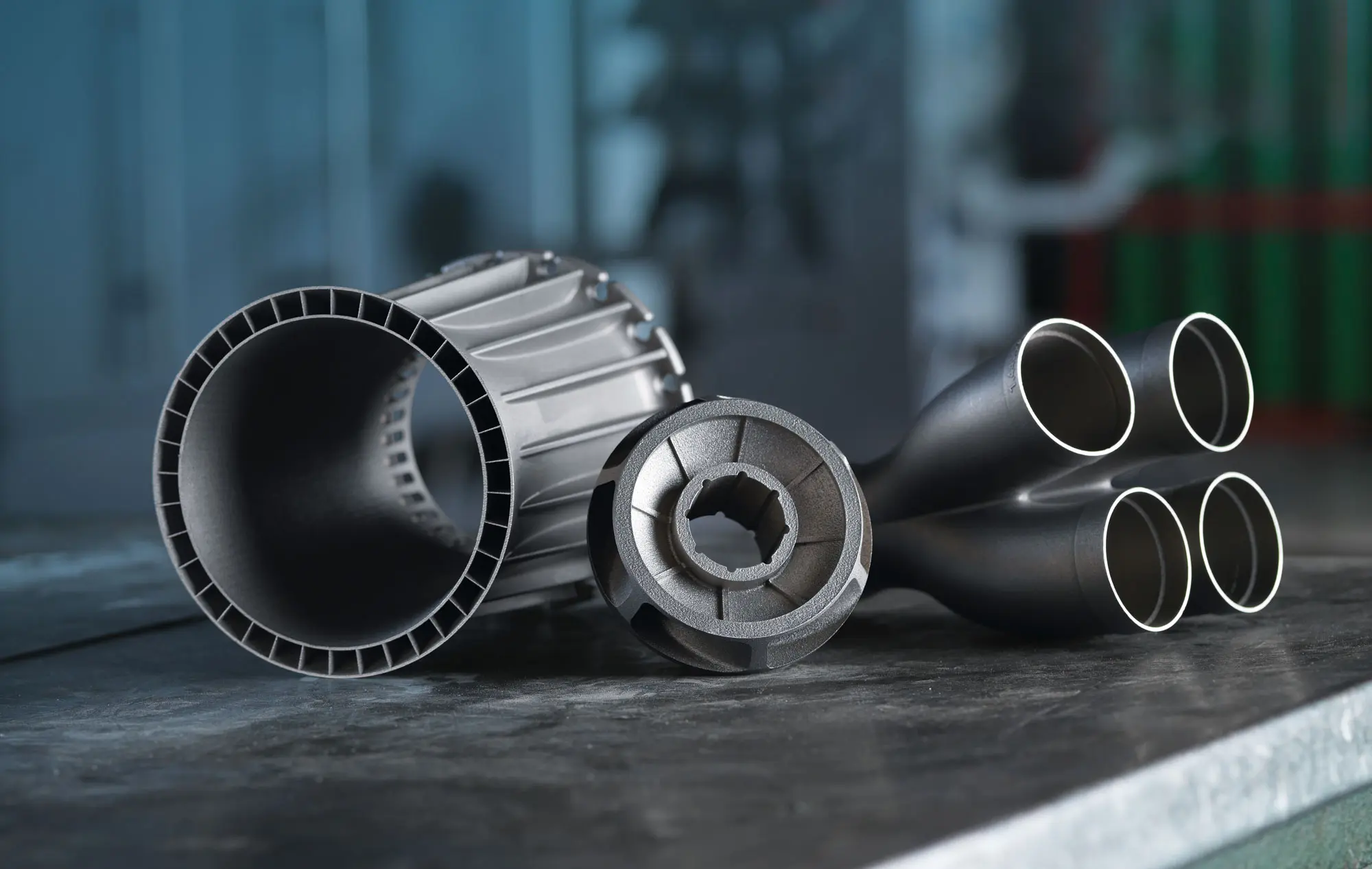
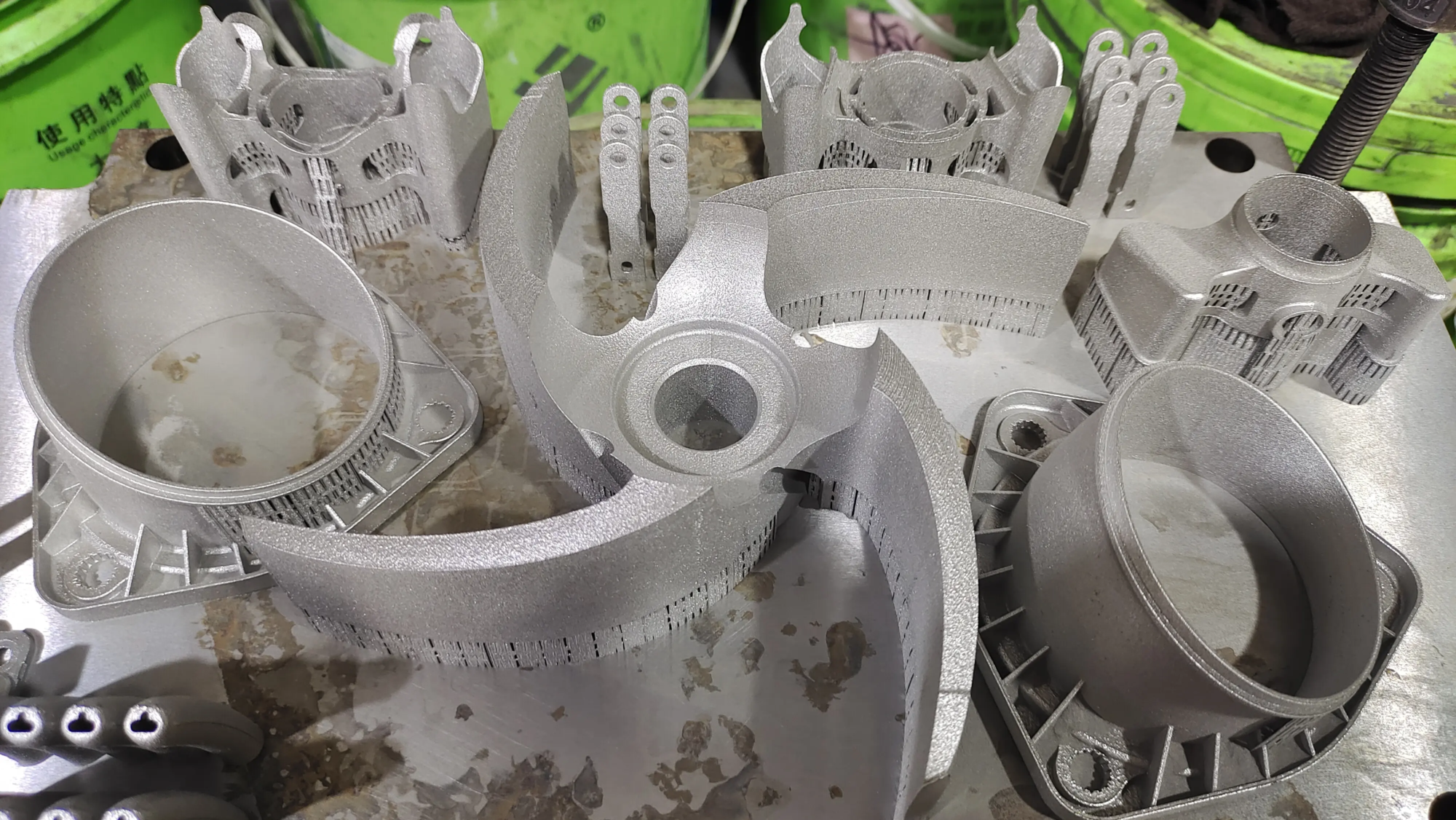
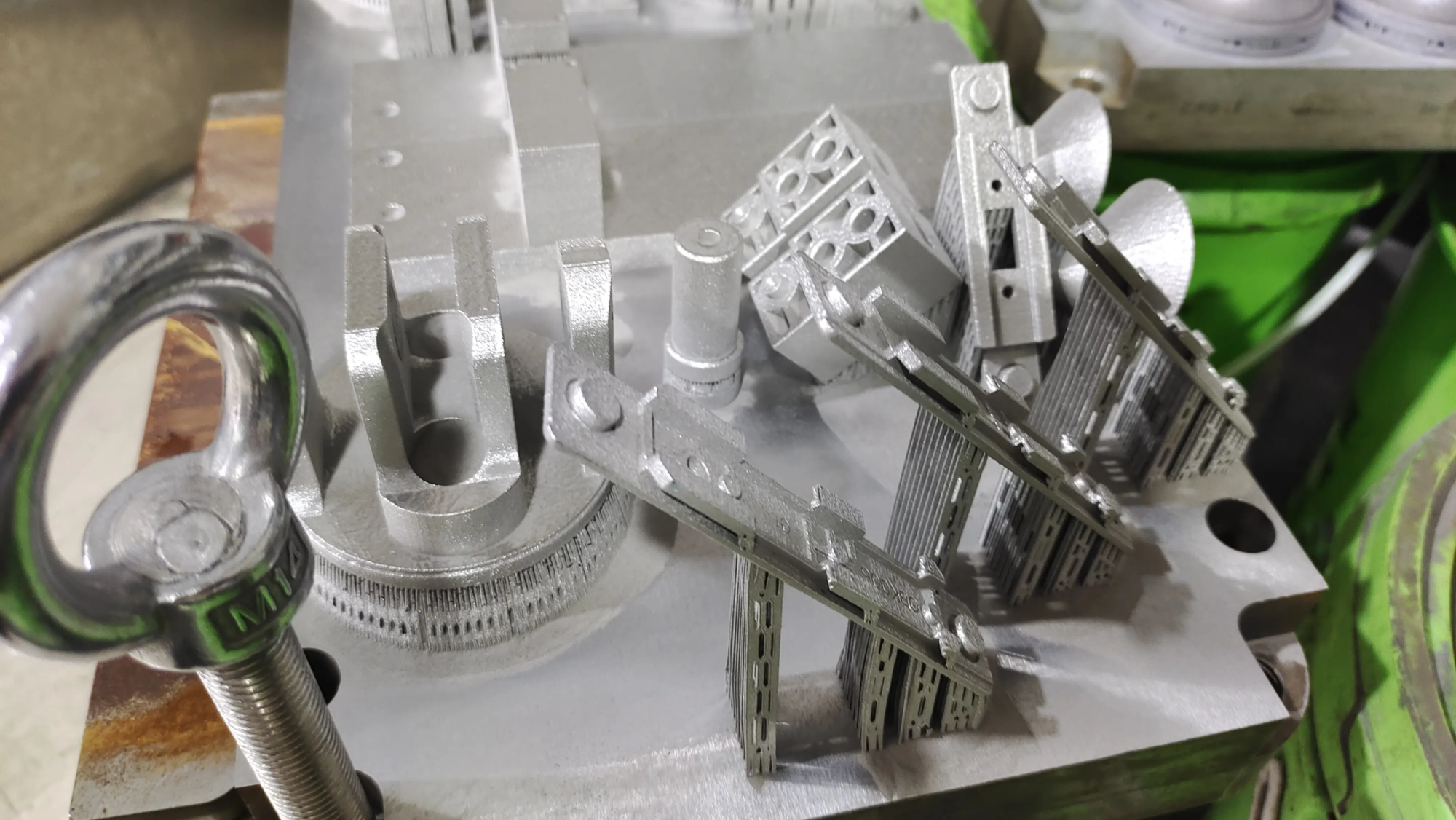
Forget flimsy cardboard or limited off-the-shelf kits. 3D printing brings unparalleled customization capabilities. Want wider wheels for improved stability? Need aerodynamic body modifications? Designing a lightweight chassis variant? With 3D printing, you can iterate quickly and accurately. This is fully consistent with the principles of rapid prototyping – quickly test designs, refine functionality and optimize performance before finalizing the model. Platforms such as huge lightutilizing advanced SLM 3D printers and comprehensive finishing services, enables innovators to transform digital concepts into high-quality, robust parts, ideal for dynamic projects like these.
Materials you need
- 3D printed components: Chassis, 4 wheels, axle carriers/hubs (STL files available online or design your own!).
- Propulsion system: 1 standard latex balloon (long ones preferred), straight plastic straw (or flexible straw trimmed into straight sections).
- Axles and frame: 2 thin wooden dowels/skewers/bamboo sticks (must fit snugly around the hub).
- Wheel bearings: 4 small rubber O-rings or small diameter vinyl tubing sections.
- assembly: Strong clear tape/glue dots, craft knife/scissors.
- (Elective): Decorations (paint, stickers), weight adjustment washers.
Step-by-step build instructions
-
Prepare the axis:
- Cut the wooden dowels to match the width of the chassis, adding about 1cm extra on each side.
- Slide the O-rings onto the ends of the two pins. It acts as a simple, low-friction bearing for the wheel.
-
Assemble the transmission system:
- Insert the prepared pin into the axle retainer/hub bearing on the chassis. Make sure they spin freely.
- Fit the wheel securely onto the end of the pin, pressing it against the O-ring. Verify that the wheels turn easily and are not wobbly or stuck.
-
Integrated balloon engine:
- Inflate the balloon a few times to stretch it slightly and make attachment easier.
- Glue the nozzle end of the balloon securely to the end of the straw. Make sure it’s airtight – this is crucial! Use additional tape if needed. The straw should come straight out of the balloon.
- Place the balloon straw assembly onto the chassis. Tape the straw securely along the top or side of the chassis, pointing toward the rear. the end of the straw must Point away from the wheels and directly behind the car for maximum thrust.
- Finalized and tested:
- Decorate your car (optional, but personalization fun is highly encouraged!).
- Find a smooth, open floor surface.
- Start protocol: Pinch the straw near the chassis to prevent air from escaping. Fully inflate the balloon. Put the car down. Release the straw and watch it amplify!
The Science Behind Zoom: The Role of Newton’s Third Law
When a balloon inflates, you fill it with chaotically bouncing compressed air molecules. After release, the air rushes backward at high speed through the straw. Newton’s third law states: "For every action, there is an equal and opposite reaction." The action is to expel air backwards. The reaction force is what propels the car forward! Friction between the wheel and the ground converts thrust into motion. Your 3D printed chassis provides the critical rigid frame that maximizes energy transfer from air to motion.
in conclusion
Building a 3D printed balloon car seamlessly blends basic physics education with practical design and manufacturing skills. It epitomizes the essence of rapid prototyping: ideation, design (CAD), prototyping (3D printing), testing, analyzing performance, and iteration. Does friction slow you down? Redesigned wheels. Durability issues? Reinforced chassis. This iterative cycle is powered by easy-to-use manufacturing solutions that foster true innovation.
For creators pushing the boundaries of complexity or material needs—whether exploring nylon for bending or aluminum for high-speed prototyping—working with a professional rapid prototyping manufacturer becomes extremely valuable. huge light We excel at this, offering professional metal printing (SLM), fast lead times, extensive material customization (titanium, Inconel, aluminum, steel) and comprehensive post-processing – delivering precise, reliable parts for demanding applications. They represent the evolution from fun STEM projects to complex engineering solutions. So inflate the balloon, print your vision, and experience the exciting potential of turning air into motion!
Balloon Car FAQs
-
Q: Why doesn’t my balloon car move?
- one: Check these key areas:
- Air leakage: Make sure the balloon is completely Seal to straw. Reattach firmly.
- Shaft friction: The wheels must spin freely. Make sure the O-rings/bearings are tight and the shaft is not bent. If the wood gets stuck, the sand axis will end up slightly.
- Straw position: The escaping air must be pushed directly back. Make sure it doesn’t hit the floor or bodywork.
- Wheel traction: slip? Make sure the wheels are tight to the floor. Add texture or rubber bands.
- Twist the balloon: A twisted balloon can restrict airflow. Make sure it is directly inflated.
- one: Check these key areas:
-
Q: How can I make my balloon car go faster or farther?
- one: Optimize efficiency:
- Reduce friction: Polish the shaft/hub to ensure the bearings turn smoothly and use larger wheels. Lighter wheels also help.
- Minimize weight: Trim excess plastic/material from 3D printed parts. If you design your own, use thinner walls.
- Increase thrust: Use a larger balloon or one inflated to a higher pressure. Try different straw lengths/diameters (sometimes thinner straws are faster).
- Streamlined design: Makes the chassis aerodynamic (sleek contours) and ensures unobstructed exhaust airflow.
- one: Optimize efficiency:
-
Q: Can I use PLA filaments? Isn’t ABS/nylon stronger?
- one: PLA is great for lightweight prototypes like balloon cars – it’s easy to print and stiff. For high-impact areas (such as aggressive wheel designs) or higher temperature resistance (if the car is placed in a hot environment), ABS, PETG or nylon (PA) provide superior toughness and durability. huge light If exploring high-performance variants, focus on advanced metal materials!
-
Q: Can I need Wheel bearings?
- one: While technically optional, bearings significantly reduce friction compared to wheels that rub directly on the chassis mounts or axles that rub in plastic hubs. O-rings, short sections of tubing, or commercial miniature bearings can significantly improve performance and distance.
-
Q: My balloon keeps slipping off the straw! How can I solve this problem?
- one: Achieving an airtight seal is critical:
- Use a generous amount of strong, wide tape (such as Gorilla Tape or electrical tape) and wrap it around the balloon neck and straw several times.
- Stretch the balloon neck slightly before gluing.
- Use alcohol to degrease the ends of the straws and the neck of the balloon beforehand for better adhesion.
- Make sure the straw ends are rough cut rather than melted smooth for better tape adhesion.
- one: Achieving an airtight seal is critical:
- Q: If my design becomes complex, where can I get durable custom parts?
- one: As designs advance (gear transmissions, aerodynamic bodies, complex suspension prototypes), it becomes critical to work with dedicated rapid manufacturing experts. company likes huge light Providing the engineering expertise, industrial-grade SLM metal 3D printers, and comprehensive finishing (machining, polishing, heat treatment) needed to reliably produce high-precision, robust, and fully functional prototypes—effectively turning your innovative concepts into reality. Explore customization beyond hobby-grade filament printing!