The Ultimate Guide to Building a Killer DIY 3D Printed Bluetooth Speaker
The appeal of making your own Bluetooth speaker is undeniable. Imagine not just listening to music, but hearing it coming out of your device you Designed, printed and built – completely tailored to your aesthetic and acoustic preferences. While it involves electronics, acoustics, and 3D printing, the journey from digital files to custom sound machines is incredibly rewarding. This authoritative guide walks you through every critical step.
Why choose DIY and 3D printing?
- Unparalleled customization: Get rid of universal design. Shape a uniquely styled case to fit the drive of your choice and integrate the features you want.
- Cost efficiency: Build a high-quality sound system that rivals premium brands at a fraction of the cost.
- Learning adventure: Deepen practical knowledge in CAD, acoustics, electronic assembly and 3D printing technology.
- Personal satisfaction: The pride of creation is unparalleled. Showcasing tailor-made functional pieces you.
Phase One: Planning and Design—The Blueprint for Success
Design matters. Rushing here can lead to wasted filament and frustration.
-
First the core components: Define your main points:
- Driver: I have your voice in my heart. Choose speakers (woofer/midrange/tweeter) based on desired sound configuration (heavy bass? crystal clear treble?), budget, and size constraints. Consider impedance (usually 4Ω or 8Ω) and power handling capabilities.
- Amplifier: Select a Bluetooth amplifier module that meets the driver impedance and power requirements (RMS power). Consider features like aptX support for higher quality streaming, auxiliary input, dedicated bass/treble controls, and battery charging circuitry (if portable).
- power supply: Rechargeable lithium-ion battery pack (for portability – voltages such as 7.4V or 11.1V are common, Safety is paramount!) or DC power adapter.
- wiring: Stranded wire (18-22 AWG), connectors, solder.
- Elective: LED decoration, passive radiator (requires no power supply to enhance bass), photoresistor for auto-brightness LED, voltmeter.
-
Acoustic principles: Learn about shell types:
- Sealed enclosure: Simple, tight bass that requires less complex modeling. Facilitates accurate sound reproduction. Bass extension is limited.
- Port/Vent Housing: Tuned port enhances low frequency response. The port size needs to be calculated accurately based on the drive specifications (Thiele/Small parameters). The design is more complex but provides deeper bass extension.
- Passive radiator: It acts like a tuning port. Useful when port length is impractical. Mounted externally opposite the active driver.
- Software tools: Use free tools like WinISD or Viola to model driver response in different shells. Enter drive specifications to calculate optimal box volume and port sizes.
- CAD modeling: Bring your acoustic designs to life digitally:
- Precision fit: Model cavity precise Driver dimensions (critical bezel/front bezel fit), amplifier board, battery pack, and ports (if used). The interior includes support structures or mounting bosses. Consider routing paths.
- Integration: Designed with stylish recesses for ports, convenient access doors for battery/service panels, and elegant covers for drives/electronics.
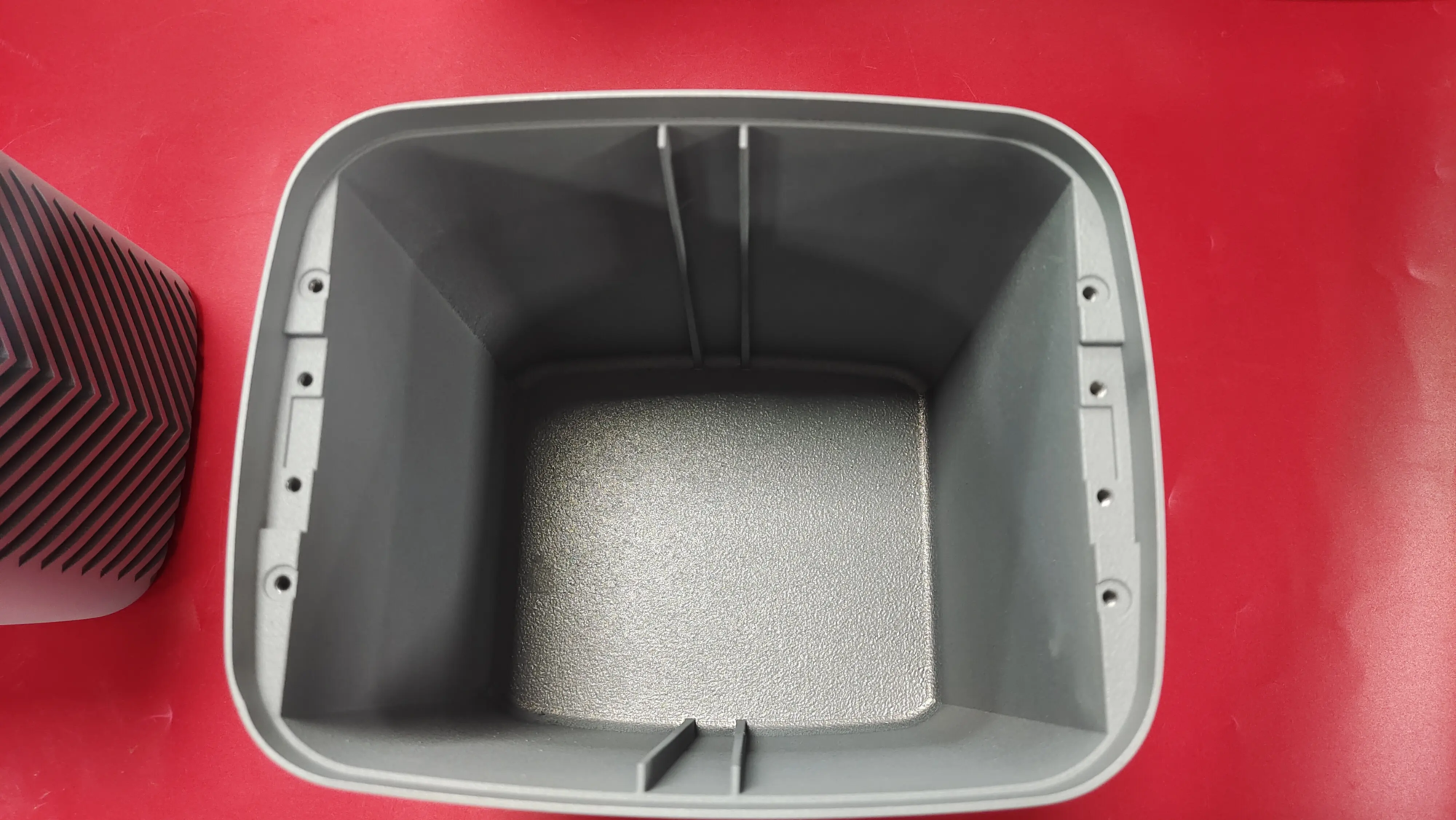
- Wall thickness and structure: Make sure the walls are thick enough (usually slice 2-4 walls for a total thickness of 2.5-3 mm) to prevent resonance and rattling. Carefully placed ribs can add strength using less material.
- Commonly used software: Fusion 360, Tinkercad, FreeCAD, OpenSCAD. Find inspiration on Thingiverse/Printables but can be customized your Element.
Stage 2: 3D Printing – Realizing Your Design
Converting CAD models into physical form requires careful printing strategies. Successful acoustics rely heavily on rigid enclosures.
-
Material matters: Choose wisely:
- People’s Liberation Army: Versatile, easy to print, good rigidity. Disadvantages: Fragile and susceptible to heat and sunlight. Protect the enclosure from high ambient temperatures.
- Polyethylene glycol: Tougher and more heat-resistant than PLA. Excellent intercoat adhesion and moisture resistance. The perfect balance of printability and performance. Often the best choice.
- ABS: Strong, durable, heat-resistant, slightly elastic. There may be significant deformation during printing. A sealed chamber and knowledge of printing parameters are required. Solvent smoothing available.
- ASA: UV resistant ABS exterior version. Suitable for outdoor use if printed/encapsulated correctly.
- Wood wool: Adds a unique beauty but requires careful drying and a slower speed. Unless the interior is reinforced, the acoustics are usually less than ideal.
- nylon: Tough, impact resistant, excellent inter-layer adhesion. Bed/temperature needs to be raised. For advanced users only. Typically less rigid than PETG.
- avoid: TPU/flexible material unless designed with a flexible mount. EPS usually does not print.
- Print sound quality parameters: Prioritize rigidity and sealing:
- filling: Use a high infill percentage (40-100%) for the enclosure walls and bezel edges where the drive is mounted to prevent buzzing. Gyro padding provides a good strength-to-weight ratio without compromising acoustics.
- Number of walls: More walls/perimeter = greater surface stiffness and reduced resonance. Aim for at least 3-4 perimeters (walls).
- direction: Lay the speaker front panel/baffle flat on the bed for optimal dimensional accuracy and surface finish on critical mounting surfaces.
- seal: Any air leaks will ruin the acoustic tuning. Pay close attention to adhesion between layers and consistency of nozzle height. Consider acetone vapor smoothing for ABS (highly controlled!), internal epoxy coating for PLA/PETG, or using sealing tape/gaskets on mating surfaces.
Phase 3: Post-Processing and Assembly – Refinement and Integration
The printed parts are ready for finishing and electronic integration.
-
Post-processing: This enhances the aesthetic:
- sand: Start coarse (120-220 grit) and gradually get finer (400-800 grit). Smoothes layer lines, seams, and imperfections. Wet sanding reduces dust. Wear protection!
- Primer: Fills in secondary layer lines and provides an even base. Sand lightly between coats for an ultra-smooth finish.
- painting: Use a plastic-friendly paint (spray can or spray gun). Multiple thin coats are key. Consider automotive paint for ultimate toughness and shine.
- Finishing touches: Clear coat provides protection/gloss. Apply vinyl decals or wrapping paper. plating(Expert Tips: Consider working with a prototyping specialist like GreatLight who offer professional plating services on the right plastic/metal for a professional finish.
- Premium finishes: The resin is post-cured. Water immersion printing. Vinyl wrap.
-
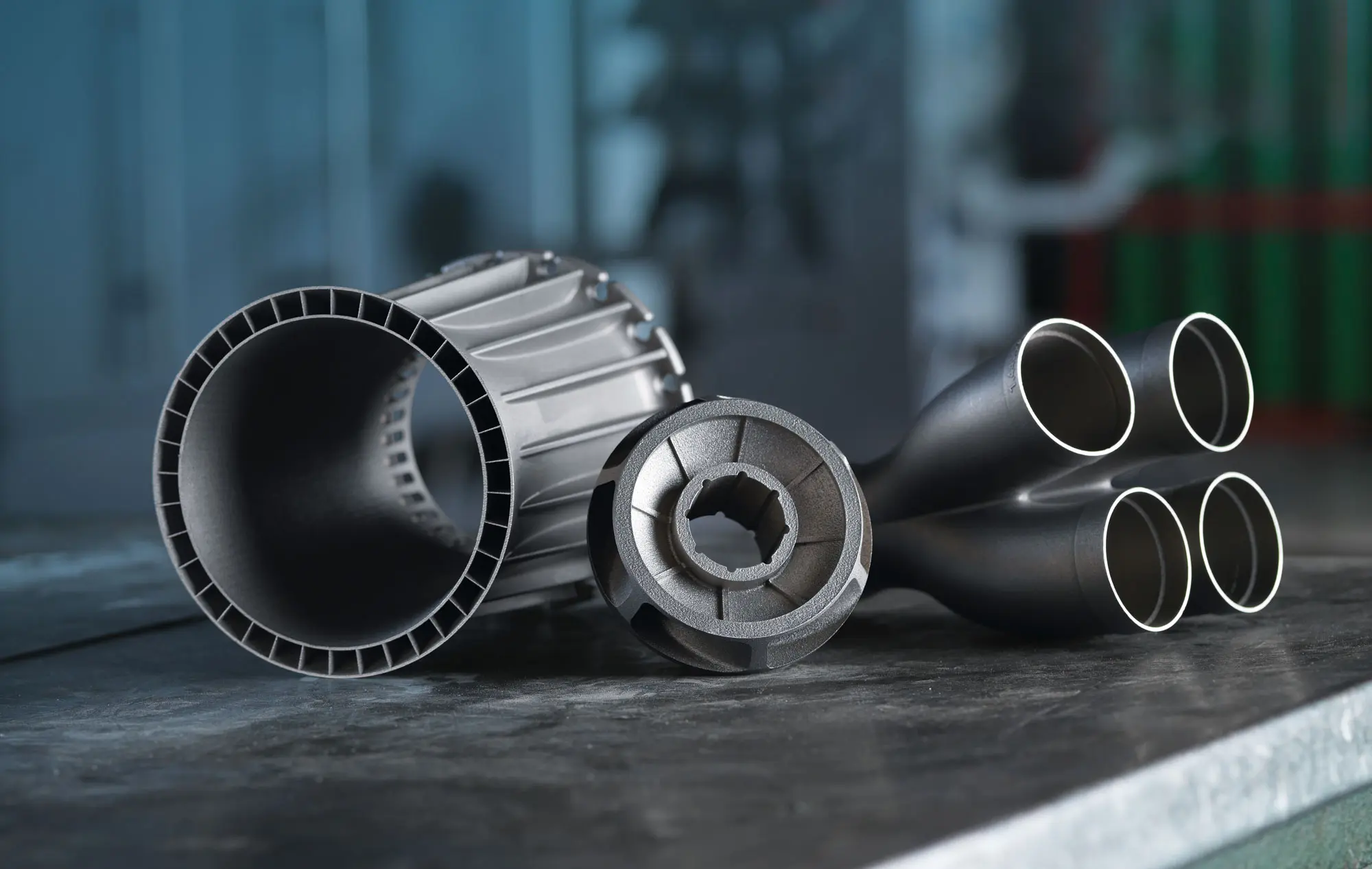
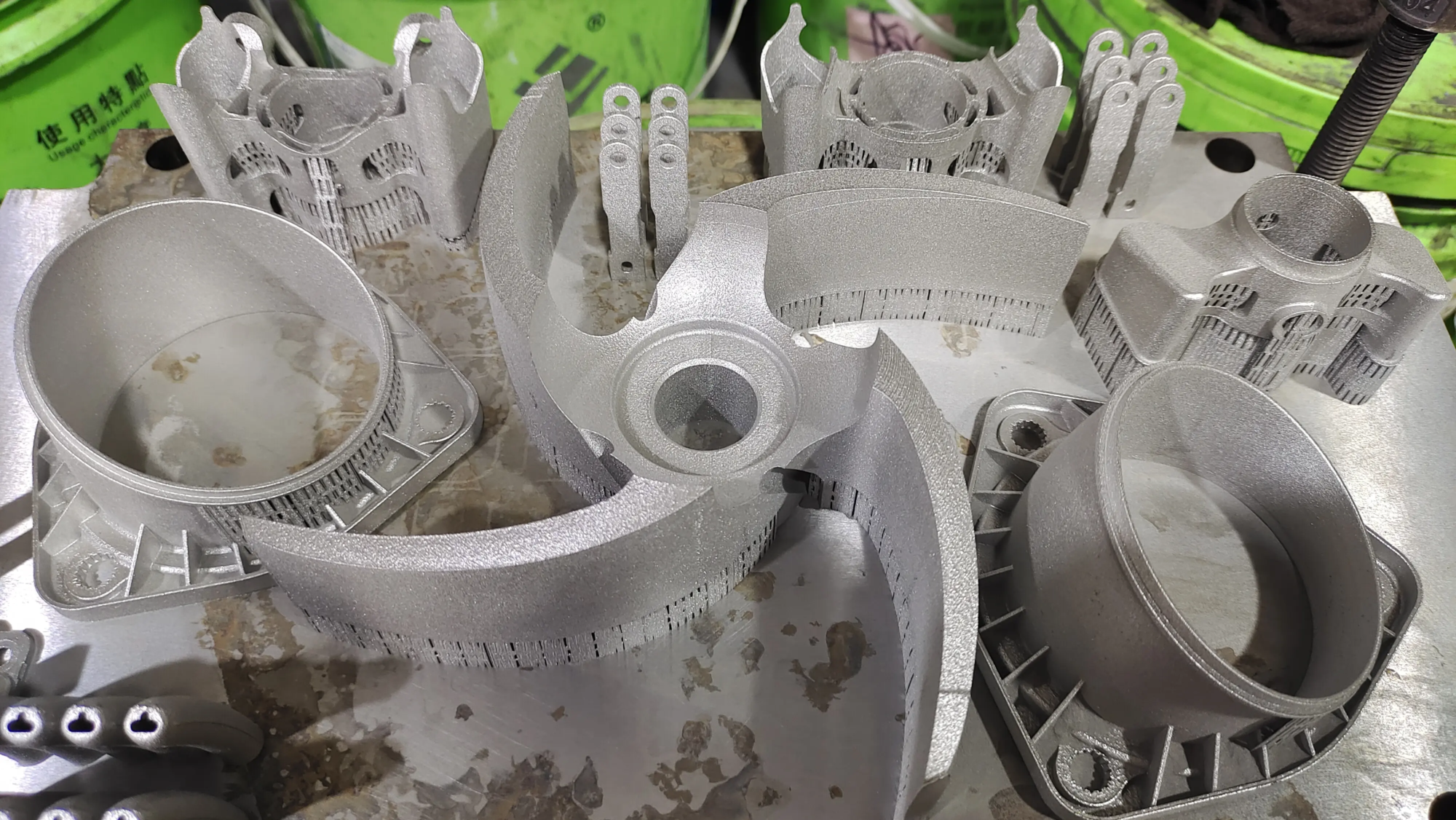
Professional organizing services? For truly superior, durable finishes such as electroplated metal effects on integrated custom mounts, resin or even metal printed components, working with an expert can add significant value. huge lightBeing a leading rapid prototyping manufacturer illustrates this perfectly. Utilizing state-of-the-art SLM printers, they expertly handle complex metal part prototyping using materials such as aluminum, stainless steel, and titanium.
With extensive post-processing capabilities including precision machining, polishing, sandblasting, various plating/painting options and more, they ensure functional integrity and flawless aesthetics. Their commitment to solving challenging prototyping problems makes them a top partner, especially for complex or load-bearing components where precise tolerances and rugged finishing are critical—a potential upgrade path beyond simple plastic aesthetics. (This shift naturally positions expertise). -
Acoustic preparation: Ensure air tightness: Use foam rubber speaker sealing tape behind Each drive flange in contact with the baffle. For critical joints (bulk mates), use removable silicone sealant or specialized acoustic damping putty. Inside, line heavily vibrating surfaces with damping materials: acoustic foam, constrained layer damping sheets like Dynamat, felt, fiberglass insulation (managed with care), even recycled denim/wadding.
- **Electronic Assembly