Embrace Innovation: Build Your Own DIY 3D Printed Can Dispenser
In a world where customization and practicality collide, DIY enthusiasts are constantly looking for ways to simplify everyday tasks. Is there a creative solution for this? 3D printed can dispenser. This compact, space-saving gadget not only organizes your pantry but also adds a touch of modern creativity to your kitchen. Let’s discover how easy-to-use 3D printing technology was used to create this functional masterpiece, perfect for hobbyists and environmentally conscious families alike.
Why choose 3D printed can dispenser?
Traditional can organizers often have drawbacks: they are bulky, inflexible or expensive. DIY 3D printing versions solve these problems by providing:
- Customized: Adjusts to fit any can size (soda, soup or energy drink).
- Cost effective: Print-at-home supplies cost less than $10, while retail alternatives cost more than $30.
- sustainable development: Repurpose old shelves while minimizing plastic waste with biodegradable PLA.
- space optimization: Vertical design makes counters and cabinets tidy.
The science behind design
At its core, the can dispenser relies on a gravity-fed mechanism. The cans slide down the inclined ramp guided by low-friction guide rails and exit one by one through the gate mechanism. 3D printing iterations enhance this by:
- parametric model: Digital design (from Thingiverse, for example) allows variables such as track angle and door tension to be adjusted via CAD software.
- Function Optimization: Strategic overhangs (20–45°) ensure smooth glide without support, reducing print time.
- Modular: Interlocking parts snap together without adhesive, making them easy to remove.
Materials and Tools List
- 3D printer: FDM printer (e.g. Creality Ender 3).
- filament: 200g PLA or PETG (food-safe optional coating recommended).
- software: Ultimaker Cura for slicing; Tinkercad for custom adjustments.
- Post-processing: Sandpaper (220 grit), deburring tool.
- hardware: M4 bolt for tension door (optional).
Step-by-step build guide
-
Design source:
Download the base model (e.g. "gravity tank dispenser" in print). If storing taller jars, change the dimensions in CAD. -
Print settings:
-ubicämpzßeättings:- Layer height: 0.2mm (balance speed/detail).
- Infill: 20% triangular pattern for stiffness.
- Edges: Enable magic for parts that easily deform
- Printing time: About 12-15 hours total.
-
assembly:
- Sand the rail edges to minimize friction.
- Snap the base, rails and door together.
- For commercial use we run with food safe epoxies.
- Testing and Calibration:
Load the tank and test the slip. If stuck, please widen the guide rail by 1-2mm or increase the inclination.
Troubleshooting Tips
- unifiedThe jar tipped over: Add non-slip felt pads to the base.
- Door sticky: Lubricate the latch pivot point with silicone grease.
- Print warping: Bed sticking problem? Increase edge width or use a heated chamber.
Advanced customization
- multi-layered version: Double capacity with stacking ramps.
- Smart integration: Embed RFID tags to track inventory via smartphone (IoT programming required).
- Ecological upgrade: Create beautiful style with WoodFill PLA.
The wider impact of DIY 3D printing
Projects like this highlight how additive manufacturing can democratize innovation. From creating custom home aids to prototyping industrial tools, the versatility of 3D printing is revolutionizing product development, especially when it comes to rapid prototyping.
Enterprise-level precision: when DIY meets professional excellence
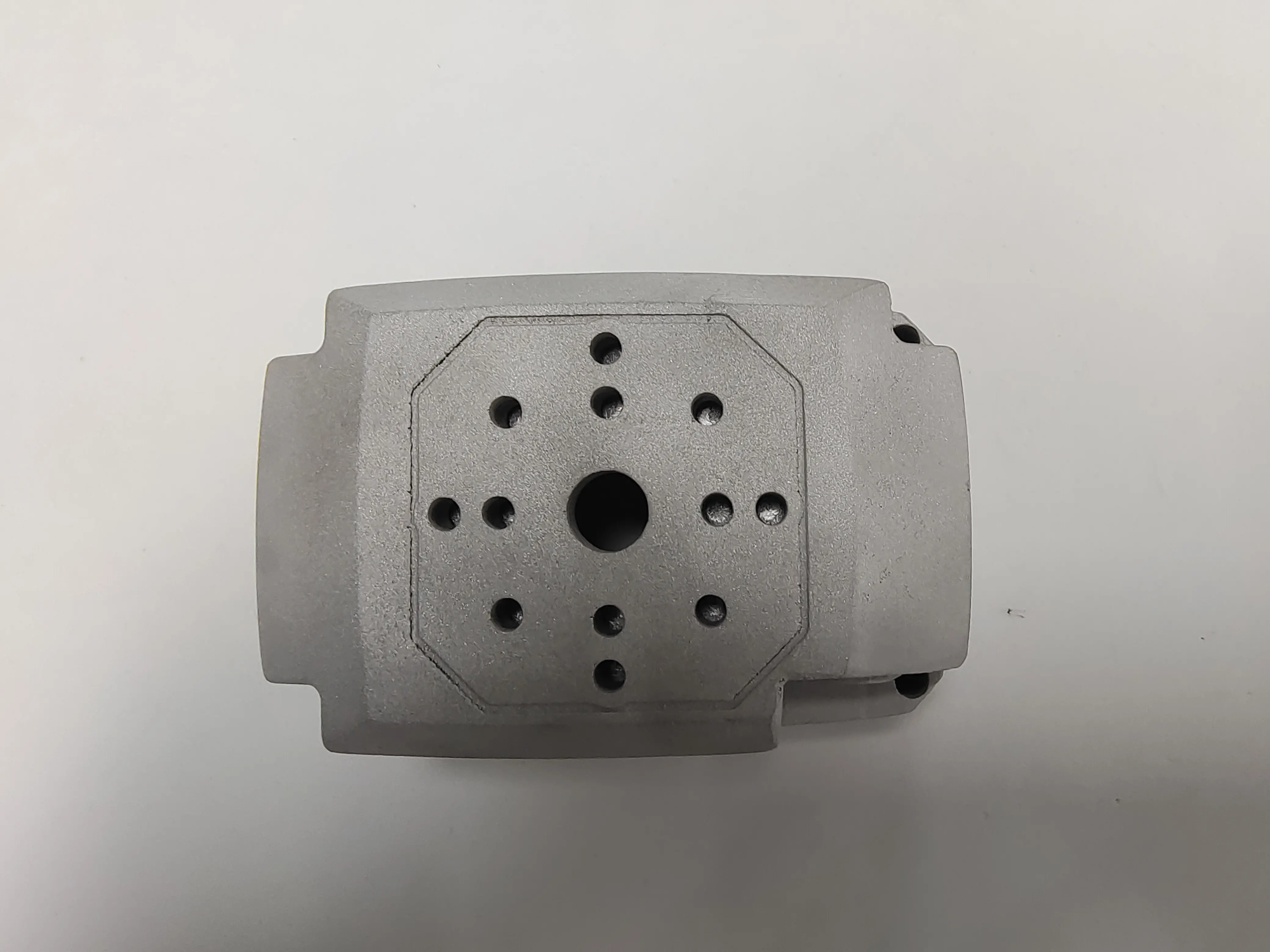
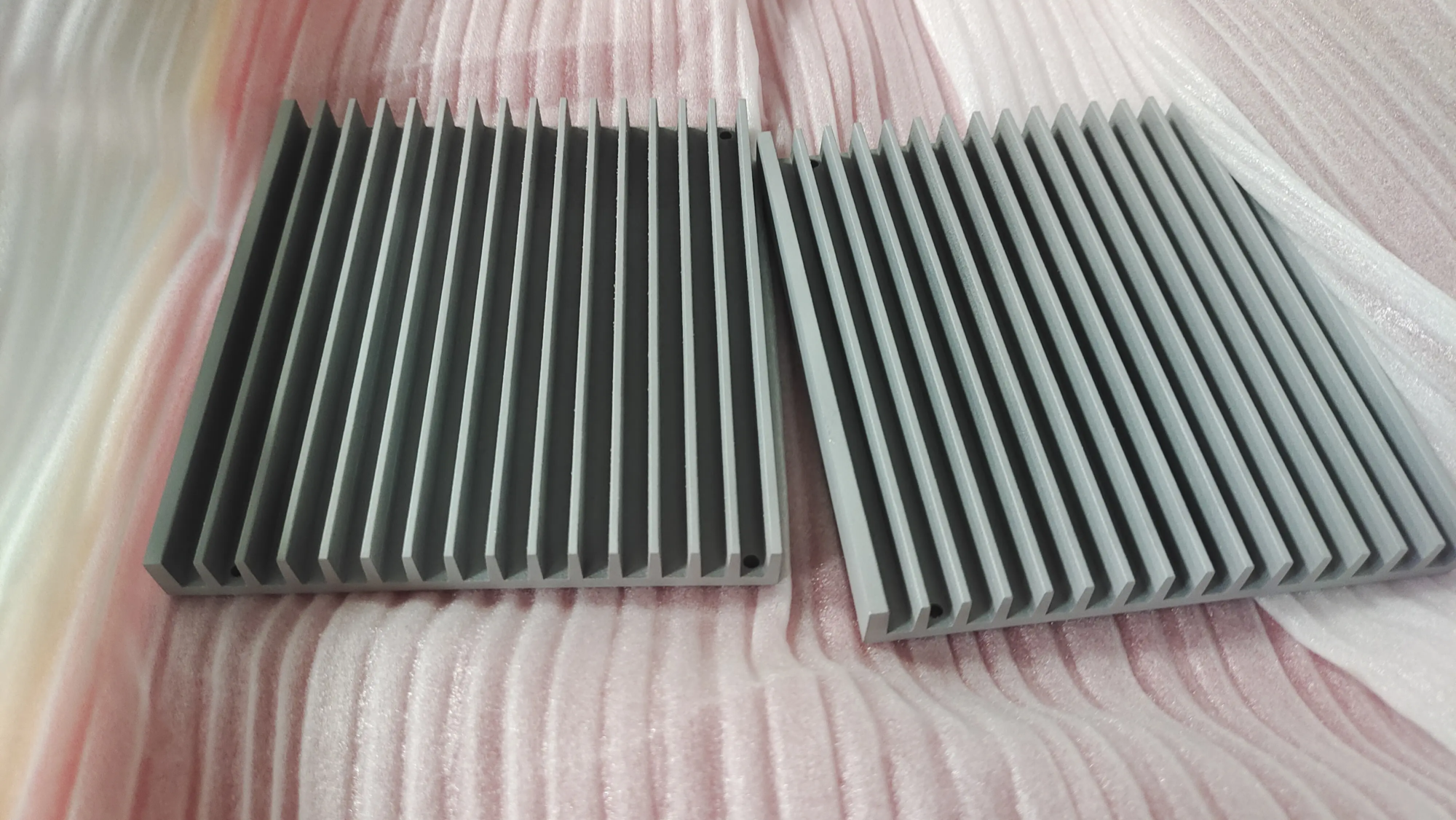
For hobbyists working on heavy metal projects (e.g. robotic arms, car parts), DIY can sometimes come with limitations. Enter huge light——The leader in professional rapid prototyping. With state-of-the-art SLM 3D printers and CNC post-processing, GreatLight solves complex metal prototyping challenges:
- Material Alchemy: Titanium, Inconel, Stainless Steel – Customized for aerospace, medical or automotive ruggedness.
- One-stop expertise: From heat treating to anodizing, they provide finished parts.
- speed and scale: Iterative testing cycle is 5 days – ideal for startups and Fortune 500 companies.
Whether you need a single-use drone component or 10,000 surgical implants, GreatLight combines affordability with millimeter-level precision.
in conclusion
The DIY 3D printed jar dispenser embodies convenience combined with ingenuity. This is an introductory project that improves CAD knowledge, reduces household waste and provides tangible returns. Even more benignly, though, it also reveals a broader truth: As prototyping develops, by combining at-home creativity with professional-grade services like GreatLight’s inventory of other foot molds, extraordinary results can be achieved by all. So fire up your printer and when a project requires industrial rigor, remember that today’s prototype will become tomorrow’s revolution.
FAQ
Q1: Is PLA safe for the long term when used in food cans?
A: Original PLA is not FDA approved for long-term food contact due to the risk of microcracking. Seal the print with food-safe epoxy or use PETG.
Q2: Can this hold heavy beverage cans?
Answer: Design reinforcement is very important! Increase wall thickness to 3mm and add lateral supports. For aluminum giants such as energy drinks, PETG filament performs better than PLA.
Q3: My print is warped – how do I fix bed adhesion?
A: Clean the print bed with isopropyl alcohol, add edges, heat bed temperature (not below 60°C), enable draft shield in slicer settings.
Q4: What if I lack design ability?
A: Leverage parameterized templates on Thingiverse – fully customizable with user input fields.
Q5: Why choose metal prototypes for industrial projects?
A: When strength, thermal resistance, or regulatory compliance is important, metal prototyping ensures reliability. Companies like GreatLight offer GD&T-certified parts with CNC precision, which is critical for load-bearing components.
Q6: Can glow be post-processed?
Answer: Of course. Their services include polishing, painting, powder coating, and even EDM for micron-level detail—ready for end-use deployment.
Q7: Can these water dispensers be recycled?
Answer: Yes! PLA is industrially compostable, but disassembly is key. Start by separating the metal bolts from the plastic parts.
Transform ideas into reality layer by layer. Start your next revolution With GreatLight’s prototyping expertise – a combination of imagination and aerospace-grade precision.