Turn change into orders: your DIY 3D printed coin sorter
We’ve all experienced the chaos of a jar full of coins. Classifying them manually is tedious, but commercially available classifiers are often larger and more expensive than required. enter DIY 3D printed coin sorter– An ingenious, customizable solution that combines engineering intelligence with accessibility. In this guide, we’ll explore how you can harness the power of additive manufacturing to design, print, and assemble yourself.
Working principle: simple physical principles, intelligent design
Coin sorting machine separates coins based on the following conditions diameternot weight. The core design logic is as follows:
- Gradient ramp system: Inclined channels have progressively larger holes. Smaller coins fall first; larger ones roll further.
- calibration gate: Each hole corresponds to a specific coin size (e.g. pennies fall earlier than quarters).
- socket integration: Place sorted coins into labeled bins.
Design flexibility: Using CAD software such as Fusion 360 or Tinkercad, you can customize the dimensions of any currency. Need Euro sorting? Adjust the aperture. Prefer stacking pallets? Integrated modular compartments.
Why choose 3D printing? Improve prototyping
Traditional manufacturing methods struggle with complex channels and custom dimensions, where 3D printing excels:
- accurate: Layer-by-layer construction allows for tight tolerances (±0.1mm) for precise coin fit.
- Cost effective: No molds or special tools required – just filament and STL files.
- iterative agility: Modify the design overnight. Test run reveals hole size is too small? Digitally resize and reprint.
material issues: PLA (polylactic acid) is ideal for home printers—low warp and non-toxic. For high-wear areas like coin chutes, PETG provides extra durability. Print orientation is important: lay the ramp horizontally to get a smooth surface. Use 100% padding for rigidity. Post-processing? Sand to remove burrs; acetone vapor (for ABS) polishing route.
Step-by-step guide
- design
- Research coin diameters (eg US: penny 19.05 mm, dime 17.91 mm).
- Model ramps, holes, boxes and dowels. Add funnels for error-free dripping!
- Print
- Slices have a moderate layer height (0.2mm) and overhang supports. Estimated time: 6-12 hours.
- gather
- Snap modular bins together. Test with a coin; gradually adjust the hole if necessary.
Pro Tips: Embed magnets into containers for easy container replacement!
Why DIY? Benefits beyond savings
- educational value:Teach mechanics, geometry and CAD. Great for STEM projects.
- sustainable: Upcycle old jars or boxes into bins.
- Custom scalability: Classified tokens or foreign coins? Change designs in minutes.
limitation: PLA degrades with heavy use; resin printing improves accuracy but increases cost. Printer calibration is key – misaligned layers can clog coins.
When DIY isn’t enough: professional prototyping
For coin sorters deployed in coffee shops or banks, hobbyist prints may wear out quickly. that’s there Industrial Grade 3D Solutions shine:
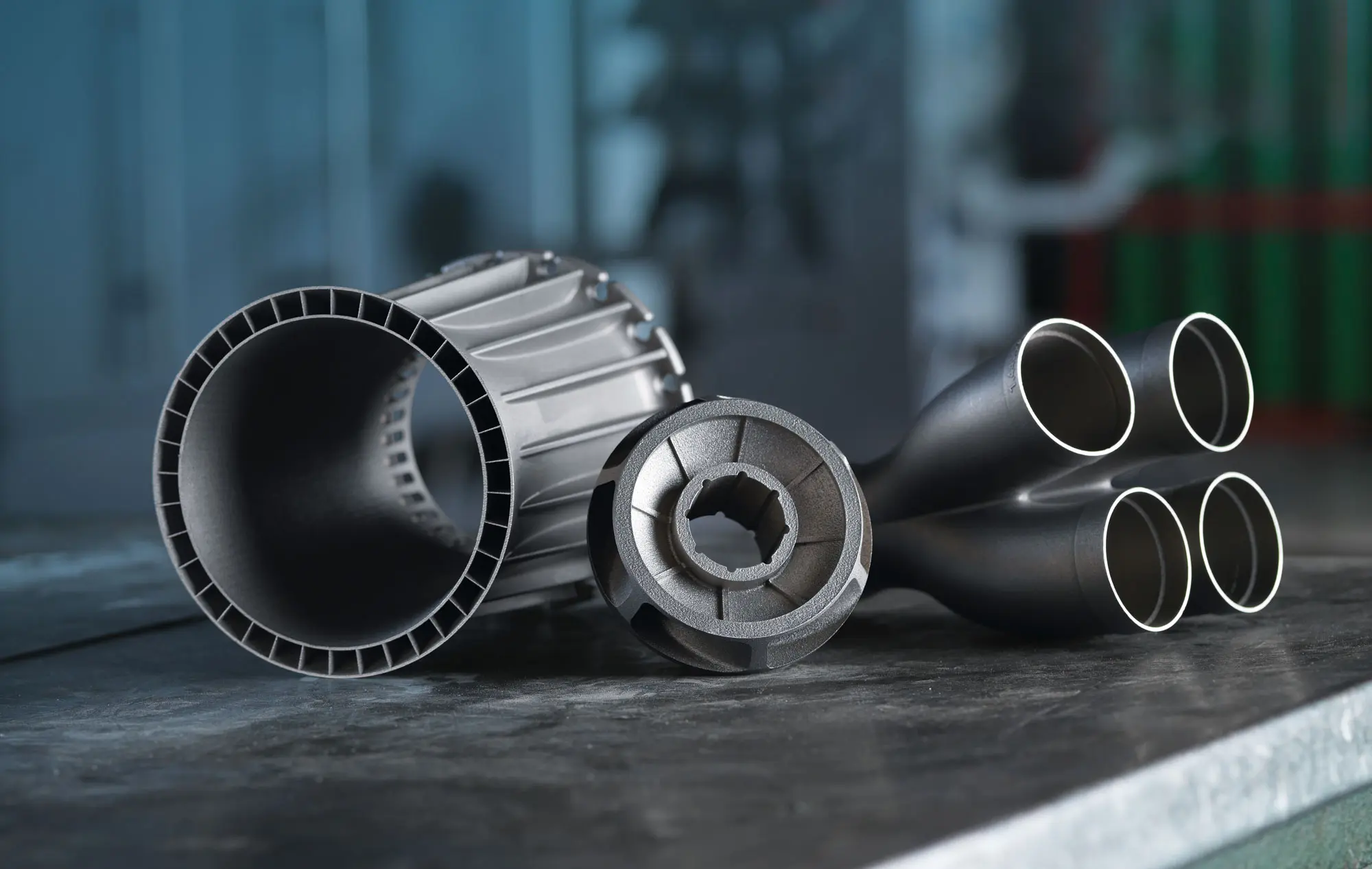
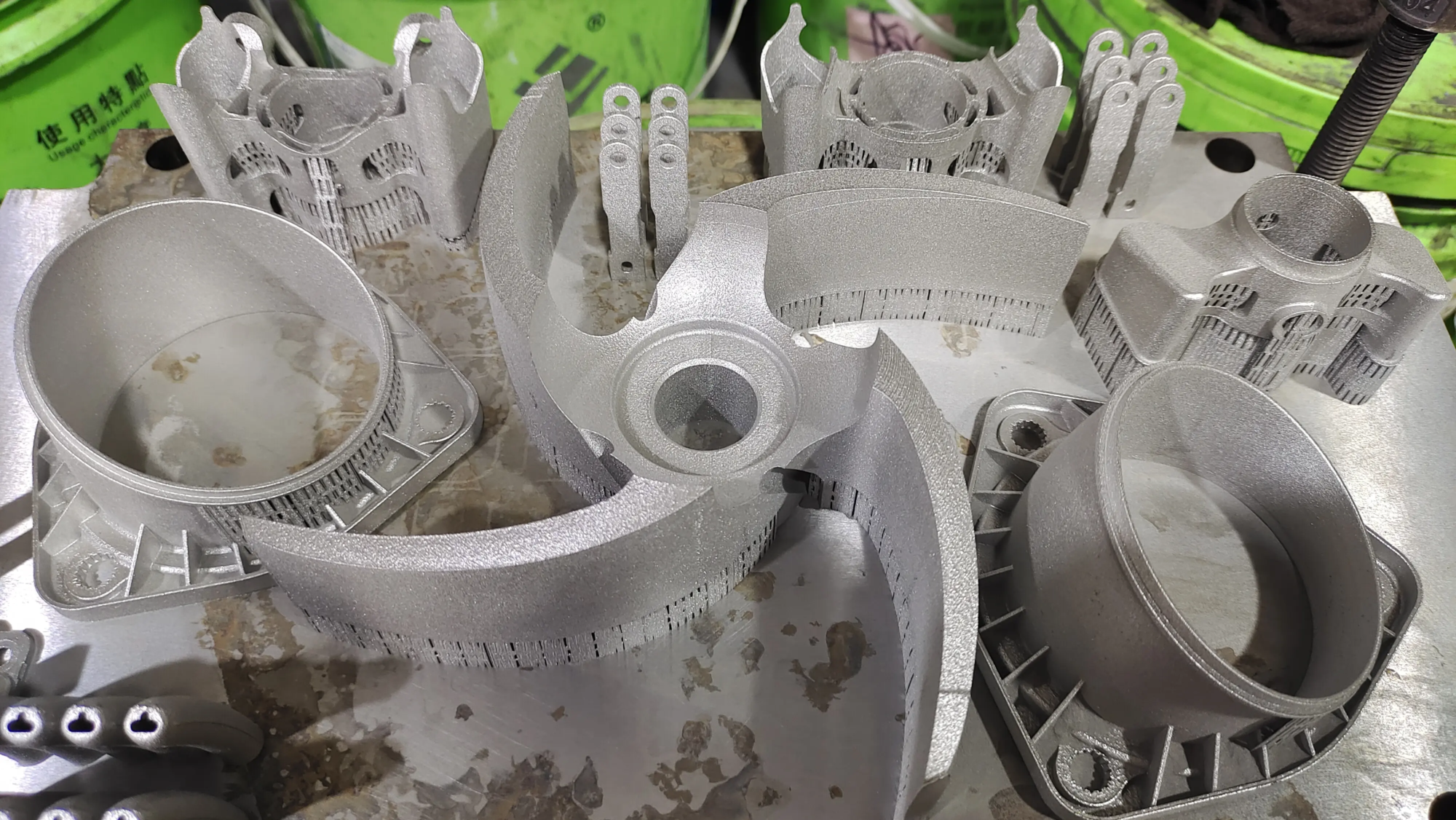
- metal printing: Services such as huge light use Selective Laser Melting (SLM) Manufacture of sorting machines in stainless steel or aluminum. They can withstand millions of cycles without deforming.
- ultra precision: SLM achieves accuracy of ±0.05 mm—critical for fine-tuning in high-volume sorting.
- End-to-end service: Companies like GreatLight don’t just print; they provide Post-processing (heat treatment, polishing) eliminates manual finishing.
For complex or commercial-grade builds (e.g., automated counting electronic sorting machines), outsourcing prototyping can streamline R&D.
in conclusion
DIY 3D printed coin sorters turn chaos into order through ingenuity and filigree. It demonstrates the power of additive manufacturing: democratizing design and solving everyday problems. Whether you’re printing PLA at home or working with experts like GreatLight to achieve stainless steel durability, the principles are the same: precision, iteration, and creativity. Ready for smarter sorting? Print your savings blueprint now.
FAQ
Q1: Which 3D printer works best?
A: The Ender 3 or Prusa i3 (FDM printer) are affordable entry-level products. Resin printers (such as the Anycubic Photon) are good for micro details but require ventilation.