introduce
In the world of aquascaping and reef keeping, fragment racks are essential for propagating coral fragments. While commercial options exist, DIY 3D printed debris racks offer unparalleled customization, cost-effectiveness, and accessibility. With advances in desktop 3D printing technology, hobbyists can now design and produce brackets that suit their tank size, flow dynamics, and aesthetic preferences. This guide explores how to use 3D printing to create a fully functional, durable debris rack (from design to post-processing), while also delving into professional-grade metal alternatives for industrial applications.
Why 3D print your own debris rack?
- cost savings: Prefabricated racks range in price from $20 to over $100. Printing it yourself can cut the cost to less than $5 (materials cost).
- Customized: Adjust the design to accommodate nano tanks, irregular corners or high traffic areas.
- sustainable development: Recycling PETG or PLA reduces plastic waste.
- Iterate quickly: Prototypes tested overnight – no shipping delays.
Step-by-step DIY guide
1. Design points
Use free CAD tools like Tinkercad or Fusion 360. Key features:
- grid pattern: Hexagonal or square unit (diameter 8-10 mm) for coral plugs.
- Install system: Magnetic arm, suction cup or water tank clamp bracket.
- drainage channel: Prevent debris from accumulating in the gaps between cells.
- Angle adjustment: Tilt base (~15°) to optimize exposure.
For tips: Includes notch for debris plug to prevent slipping.
2. Material recommendation
- People’s Liberation Army: Easy to print; non-toxic, but degrades in salt water for a long time.
- polyethylene terephthalate: Hydrolysis resistant, flexible and reef safe. Great for long term use.
- ASA/ABS: UV resistant, suitable for lit sinkholes but requires enclosed printer.
avoid: Standard PLA in display jar—leaches out microplastics over time.
3. Printing parameters
Optimize structural integrity settings:
- Floor height: 0.15–0.2mm for smooth surface.
- filling: 50–70% hexagonal pattern for strength/weight balance.
- wall:3–4 Peripheral layer.
- temperature: PETG: 235°C nozzle, 80°C bed.
key: Print at slow speed (40mm/s) to prevent warping; use raft for adhesion.
4. Post-processing
- smooth: Sand with 400–1000 grit sandpaper; Steam Smooth ABS with acetone.
- Safety leaching test: Soak in RO water for 48 hours; check pH/turbidity.
- seal: Food grade epoxy resin prevents biofilm penetration.
5. Assembly
- magnet: Neodymium magnets (N52 grade) are embedded in the slot during printing. Seal with epoxy resin.
- suction cup: Attach the 3D printed clip to the stainless steel cup.
Improved durability: metal 3D printing stand
For high-stress environments, such as commercial coral farms or very large displays, plastic racks face limitations. Metal 3D printing Solve this problem by:
- Titanium (Ti-64): Corrosion resistant, lightweight and reef safe.
- Stainless steel 316L: Affordable alternative with superior load carrying capacity.
- Design freedom: Organic lattice structure improves flow efficiency.
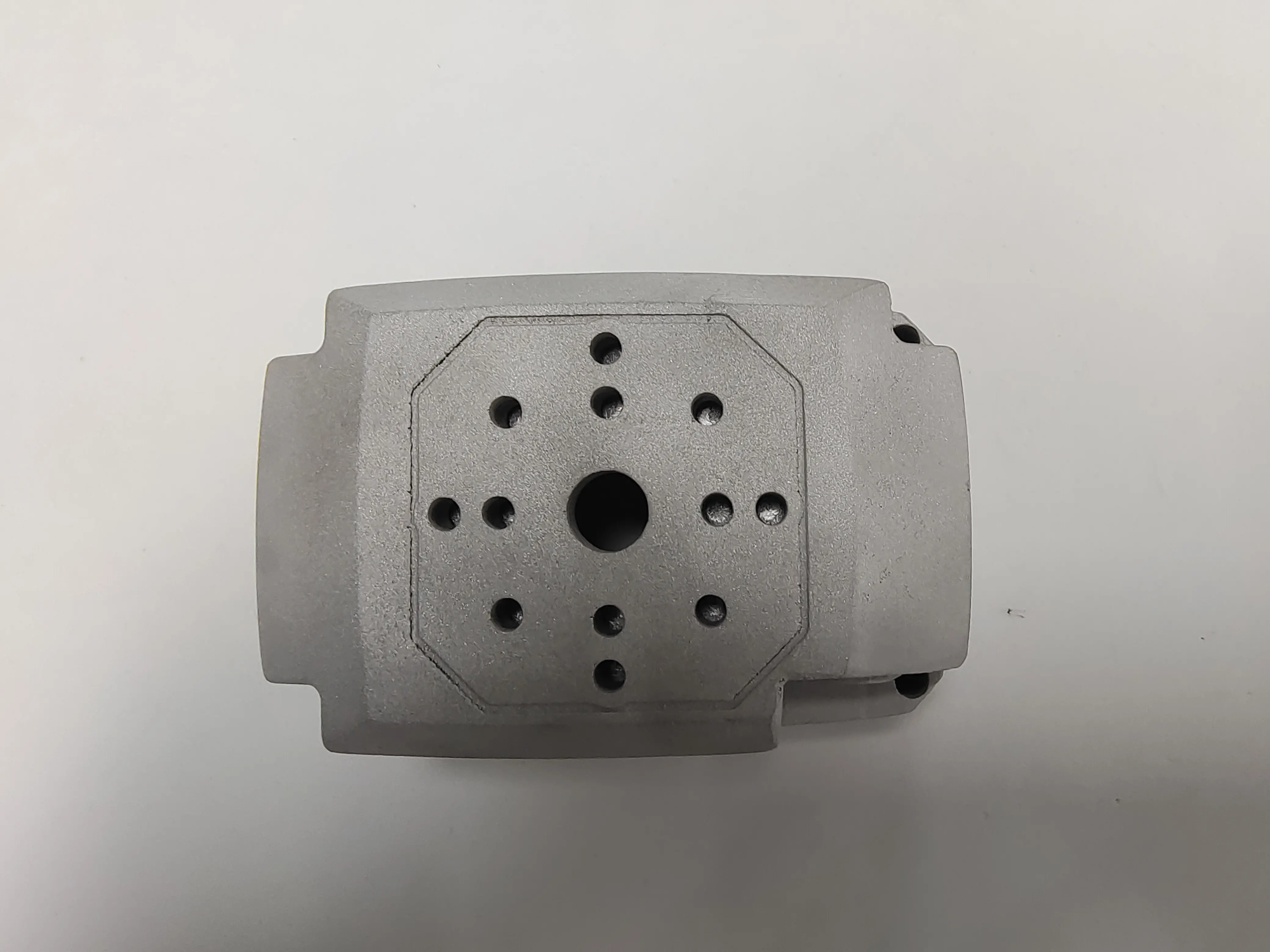
glow rapid prototyping Industrial grade solutions are available here. Leveraging SLM (selective laser melting) technology and expertise in marine-grade metals, they turned a custom CAD design into a saltwater-ready rack within days, ideal for heavy-use scenarios. Benefits include:
- Zero porosity risk (critical for aquaculture).
- Hot isostatic pressing (HIP) achieves a uniform microstructure.
- Passivated to resist pitting corrosion.
in conclusion
DIY 3D printed chip holders democratize aquaculture tools, blending affordability with personalization. Plastic printers are suitable for home hobbyists, while metal 3D printing brings a higher level of durability to professional applications. By understanding design principles, materials science, and post-processing, reefers can sustainably propagate corals without breaking the bank. For organizations requiring commercial-scale, corrosion-resistant racks, work with experts such as huge light Reliability ensured through advanced technology