Unlocking Possibilities: A Comprehensive Guide to DIY 3D Printed Door Locks
introduce
The fusion of creativity and technology has revolutionized DIY projects, with 3D printing democratizing custom solutions that were once the preserve of industrial manufacturing. An interesting app? DIY 3D printed door lock. While traditional locksmithing involves precision metal machining, 3D printing gives hobbyists and innovators a way to prototype, customize, and even create functional locking mechanisms. But how feasible is this? Let’s take a closer look.
Why 3D print door locks?
- Cost and customization: Commercial locks are not designed for unique doors or artistic expressions. With 3D printing, you can customize the design for vintage doors, non-traditional spaces, or themed interiors.
- rapid prototyping: Test iterations cheaply and quickly—change bolt thickness, keyways, or ergonomics, with no tooling cost.
- educational value: Delve into the mechanics of unlocking by designing gears, springs, and pins from the ground up.
Design your lock: Precision reigns
In order for the lock to function, Tolerances are critical. Drafting the design requires CAD software (such as Fusion 360 or TinkerCAD) and an in-depth understanding of the lock’s mechanics:
- roller system: Use parametric modeling to simulate a pin tumbler design to ensure pin alignment with the key cutout.
- Bolt strength: Digital stress-tested bolt design prevents breakage under tension.
- Anti-tamper function: Integrated false grooves or custom key contours to resist prying.
Material selection: PLA vs. metal
Avoid plastic for critical components. While PLA or PETG are adequate for use on moldings or decorative knobs, they lack the strength for safety applications. For load-bearing components such as bolts and pins, metal is a non-negotiable. This is where professional metal 3D printing bridges the gap:
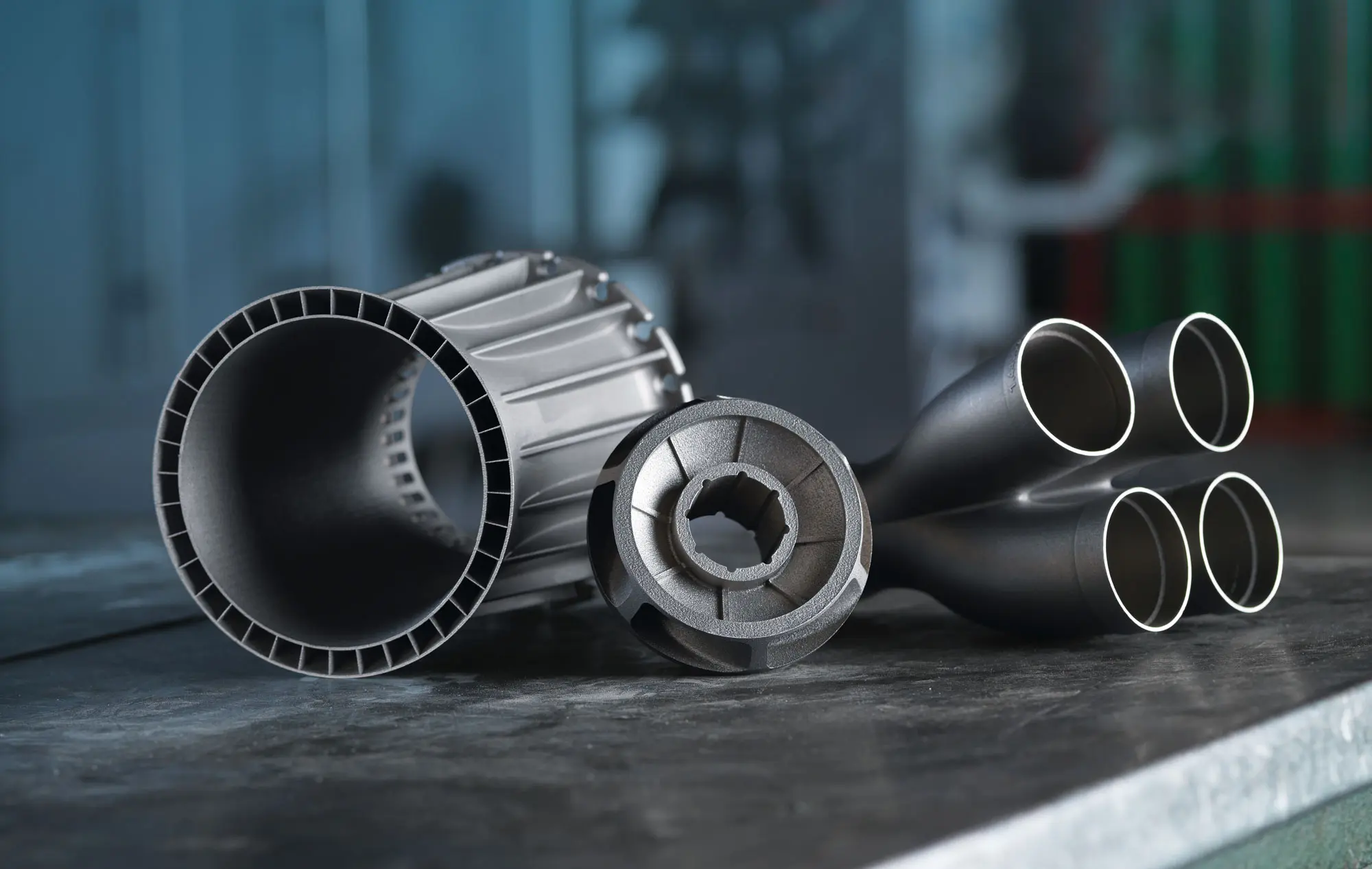
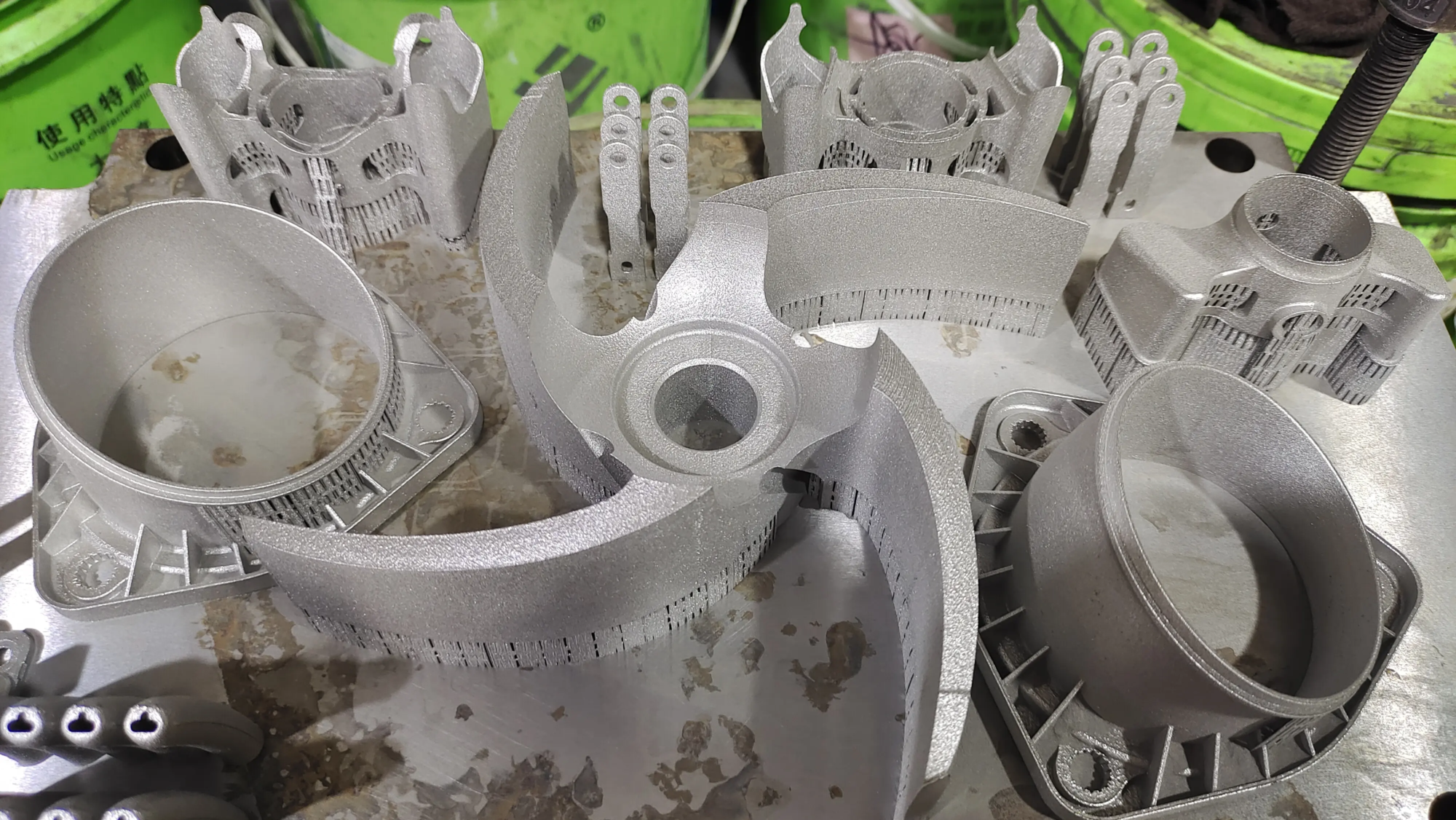
- SLM (Selective Laser Melting) Create strong, high-density parts from stainless steel, titanium or aluminum.
- Strength is important: Metal 3D printing ensures durability against forceful attacks or environmental abrasion.
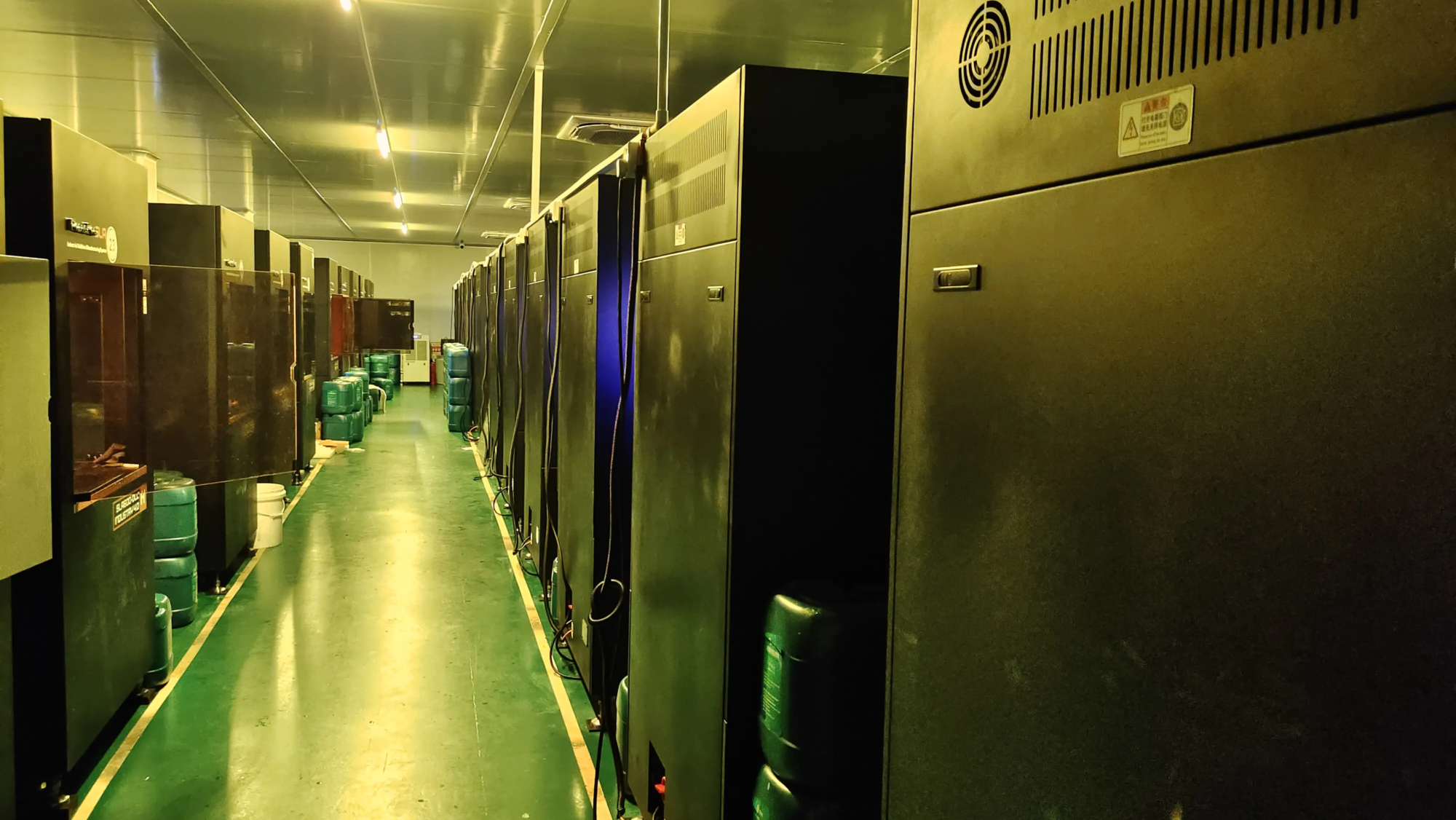
For projects requiring robustness, use Professional prototyping services Ensure structural integrity. company likes huge light Focus on SLM 3D printing, converting digital designs into functional metal parts. Their expertise in rapid prototyping, including one-stop post-processing such as heat treatment and polishing, elevates DIY concepts into safe, reliable systems.
Printing and post-processing
- Printing requirements:
- plastic parts: 100% padded, 0.1mm layer height, smooth action.
- metal parts: SLM printing minimizes porosity; Honglait industrial printer ensures accuracy of ±0.05mm.
- Post-processing:
- Sanded/polished for frictionless movement.
- Metal parts benefit from annealing (stress relief) and CNC finishing for a perfect fit.
Assembly and installation
- Start by dry fitting the plastic parts.
- Lubricate moving parts with graphite powder.
- Use metal inserts in the printed part to reinforce mounting points.
Security Reality: Use Cases
3D printed locks are not bank vault material. Reserve it for:
- Low risk applications (e.g. tool shed doors, cupboard doors).
- Decorative piece or educational model.
- Prototyping is done before the metal version is mass-produced.
For high security needs (home entry), a hybrid approach is possible: 3D print a custom panel or key, but rely on commercial-grade internal mechanisms.
in conclusion
DIY 3D printed locks embody innovation at the intersection of accessibility and engineering, offering unparalleled customization for niche applications. However, they emphasized one golden rule: Material selection determines functionality. Plastic parts act as placeholders; metal transforms prototypes into lasting solutions. For creators who prioritize accuracy, GreatLight’s rapid prototyping services can accelerate this transition. With industry-leading SLM 3D printers and comprehensive finishing, they enable hobbyists and engineers to iterate on complex metal assemblies without sacrificing safety. In the ever-evolving DIY landscape, professional collaboration turns bold ideas into reality.
Ready to prototype a secure metal lock assembly? Explore GreatLight’s cutting-edge solutions—a marriage of concept and industrial-grade execution.
FAQ
Q1: Can I 3D print a fully functional door lock at home?
Plastic locks, while feasible, lack security. Print a decorative shell or prototype, but use metal (printed via SLM) for the load-bearing internal components. For real-world use, integrate commercial components or partner with a metal prototyping service.
Q2: Which materials are the safest for lock components?
PLA/PETG is sufficient for use in models. Stainless steel, titanium or aluminum alloys machined by SLM are essential for stress-resistant bolts and pins. These materials are resistant to drilling, impact and weather effects.
Question 3: How can I ensure that my 3D printed lock cannot be easily picked?
Design complex keyways with false grooves, use irregular pin arrangements, and select side-lever mechanisms. Utilize metal printing to prevent picking tools from deforming. Numerical testing via tolerance simulation.
Q4: When should I use professional prototyping services?
When your design requires metal durability, tight tolerances (±0.1mm), certification or post-processing such as stress relief. Services like GreatLight provide a scalable prototyping-to-production process for reliable parts.
Q5: Is 3D printing lock legal?
Laws vary. Avoid copying patented designs or creating locks that violate digital lock regulations (such as antitrust master keys). DIY locks are generally legal for personal, non-commercial use, but please refer to local guidelines.
Q6: How is the cost performance of DIY locks compared with commercial locks?
DIY printed locks can save the cost of one-time customization, but lack economies of scale. The cost of plastic prototypes is low; SLM-printed metal parts justify the expense in specialized applications where commercial alternatives do not exist.
Q7: What post-processing steps are critical for metal lock parts?
SLM printed components require heat treatment (annealing) to eliminate stress porosity. CNC machining refines threads and mating surfaces, while polishing reduces friction. Sealants prevent corrosion in wet environments.
Work with professionals to blend creativity with safety. Explore GreatLight’s rapid prototyping capabilities—perfect your blueprint. 💡