Hook: Ever struggled with a fishing rod guide that just didn’t match your setup? Or maybe you’re trying an unconventional rod design? Modern DIY anglers are increasingly turning to 3D printing for custom solutions. Making custom guides isn’t just about saving money, it’s about unlocking flexibility that traditional gears can’t offer. Let’s explore how you can leverage your home printer or work with an expert to revolutionize solution customization.
Why 3D printing dominates custom guides
Traditional guides face limitations: fixed sizes, materials that corrode easily, and universal designs that don’t fit specialty rods, such as telescoping or ice fishing rods. 3D printing breaks down these barriers:
- Exact dimensions: Match the rails perfectly to the taper or niche requirements of the rod (e.g. micro rails for ultra-light setups).
- Material innovation: Print with abrasion-resistant polymers like PAEK or PET-G with an infusion coating to withstand braided wires.
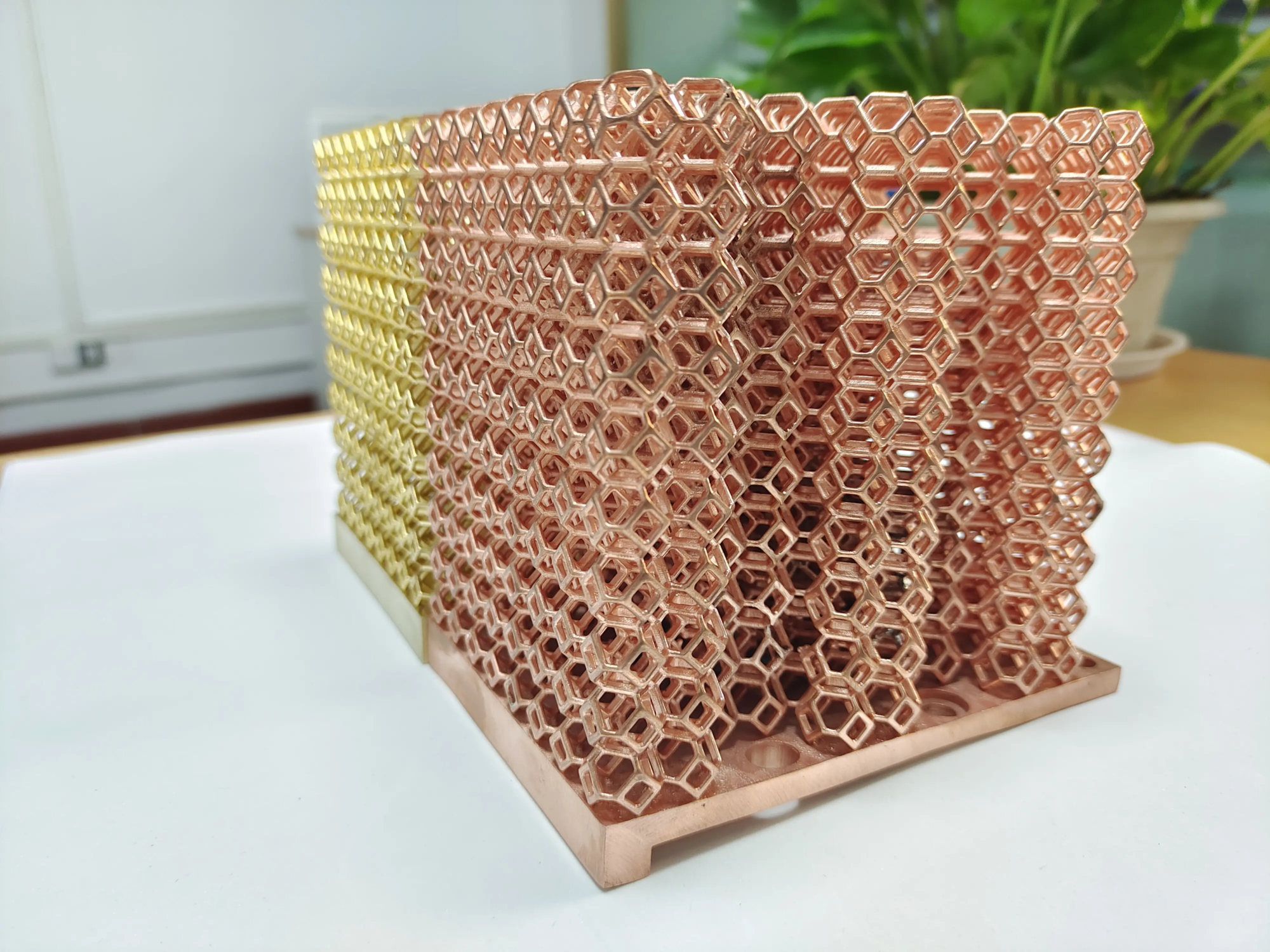
- Weight optimization: The hollow lattice structure reduces weight while maintaining strength, which is critical in high-sensitivity scenarios.
- Iterate quickly: Test prototypes overnight instead of waiting weeks to receive commercial parts.
Designing Your Guide: Software and Structural Science
Start with CAD software (FreeCAD, Fusion 360). Core design principles:
- Ring geometry: Match inner diameter to line thickness (0.1–0.3mm clearance minimizes friction). For salt water environments, the elliptical ring prevents the build-up of salt crystals.
- Framework strategy: Use honeycomb or spiral filling with a density of 15-30% to maintain rigidity without creating too much mass. Reinforce the load-bearing legs with fillet joints.
- Installation mechanism: Features a split ring design with tapered grooves that fit seamlessly to the rod blank. Model tolerance offset for epoxy bonding space (+0.2mm).
Printable files: Get the open source template on Thingiverse, or design from scratch using the guide’s stress flow simulation for dynamic load distribution. [Insert visual of CAD model cross-section].
Material selection and printing dynamics
Filaments are important:
- Nylon(PA): Excellent flexibility and impact resistance, but requires a heating chamber (°85°C+)
- polyethylene terephthalate: Hydrolysis resistant – ideal for fly fishing rods; prints at 240°C.
- Thermoplastic polyurethane (95A): Shock absorption for surf rods; slow printing speed (~30mm/s).
Key settings:
- Floor height: Ring surface smoothness ≤0.1mm
- Fill pattern: Leg grid; guide surface concentric rings
- direction: Print vertically to avoid delamination under tension
Ontology: Coat printed parts with UV-resistant epoxy to prevent polymer degradation in sunlight.
Post-processing performance enhancements
Sintered PLA rails increase their toughness – heat treated at 160°C for 2 hours. For friction critical surfaces:
- Green sand ring with progressive grit (400 → 2000).
- Use a polish such as car wax.
- Seal pores with marine-grade varnish (to prevent cracking due to water intrusion).
Wrapped metal: for industrial-grade durability
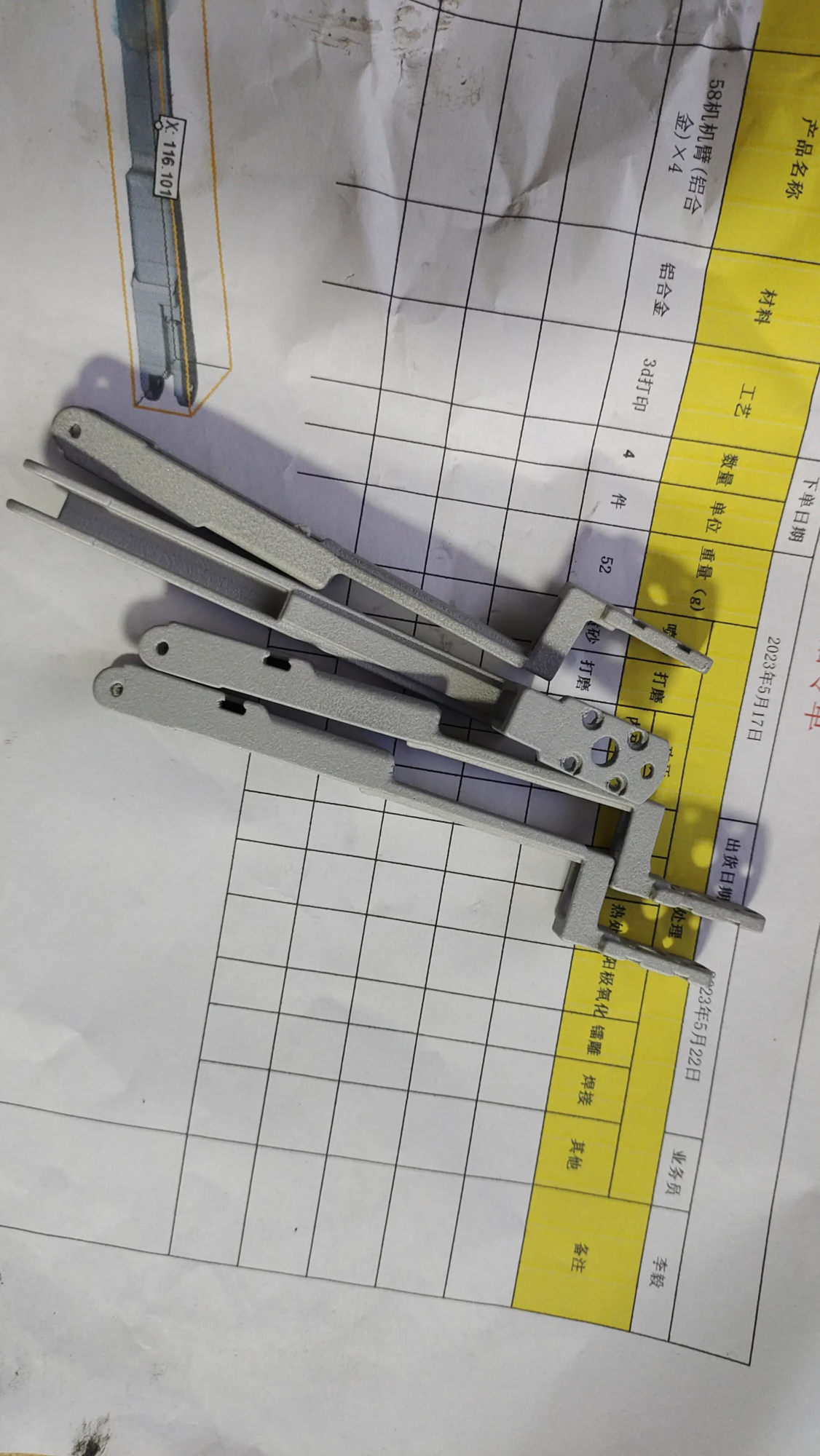
While polymers are sufficient for freshwater rigs, saltwater surfing or game fishing will require titanium or marine-grade aluminum. There are specialized clothing, such as huge light Bridging the gap. Equipped with industrial SLM/DMLS 3D printers, they offer:
- High performance alloy: Titanium Ti64 or AlSi10Mg is made by powder bed fusion. Zero Porosity – Ideal for rails facing over 50 pounds of resistance.
- Micro precision: The tolerance when calibrating using laser scanning is ±0.05mm.
- Finishing Clinic: Media blasted, anodized, and CNC reamed guide rings bring professional-grade resilience to DIY projects.
Whether you’re printing nylon rails at home or debugging titanium inserts with GreatLight’s rapid prototyping kit, complex rod structures can transition from experimental to expedition-ready.
Explore GreatLight Services: Facing challenging ocean conditions? Consider their streamlined CNC machining integration—each guide ring comes with a custom reel seat mount. Compatible formats (STEP, IGES) enable faster turnaround within 72 hours.
in conclusion
Fisheries develop at the edge of materials science and fine customization. 3D printing allows anglers to iterate on OEM manufacturers’ unseen guides—miniature dimensions for ultralight jigging, corrosion-resistant frames for saltwater estuaries, or custom geometries ideal for rod manufacturers to embed technology within the blank. While filament printers democratize casual creation, when dealing with extreme salt, tropical UV rays, or the stress of the big game, work with a professional rapid prototyping partner like GreatLight. Your next trophy may depend on the meticulously guided project you orchestrated in CAD last Tuesday night.
FAQ: Guide to DIY 3D Printed Fishing Rods
Q1: Will PLA rails break under heavy load?
one: The brittleness of PLA makes it unreliable above 10-15 pound test line. For >20 lbs, replace with carbon loaded PETG or nylon. Or, commission GreatLight to manufacture a titanium replacement – with over 100 pounds of tensile strength.
Question 2: How do I attach the printed guide to the bar blank?
one: Bonded rails using slow-curing flexible epoxy. Score the mounting surface with 60-grit sandpaper to enhance adhesion, which is essential for highly flexible heads.
Q3: Can I print ceramic insert rings?
one: Desktop printers cannot sinter ceramics. There are hybrid approaches: printing a titanium outer frame via an SLM service like GreatLight, then manually fixing the aluminum oxide inserts, gluing the grooves via epoxy.
Q4: Why choose professional metal printing instead of polymer?
one: Thermal stability during salt water corrosion, line friction heating (>150°C) and fatigue tolerance. Industrial SLM provides near-forged strength not possible with thermoplastics, which is critical in fighting marlin/tuna.
Q5: What file formats are accepted for Honglaite metal guide plate orders?
one: .STP, .IGES, or .XT precisely specify size parameters. Their engineers optimized the support for minimal contact with the critical ring surfaces in preparation for the finishing polish pre-dispensing.
Q6: How to deburr the interior of metal printed guide rails?
one: GreatLight combines ultrasonic cleaning with microabrasive flow processing, a pressurized paste that dissolves unevenness in the ring. The result: an aerodynamic braided transmission similar to Fuji® Sic rails.
Request custom samples: Explore GreatLight’s rapid prototyping product portfolio, detailing alloy options with tolerances as low as ±0.03mm. The factory is ISO 9001 compliant, ensuring metallurgical stability – even for a single prototype projected into the global fishing supply chain.