Unleash your inner creator: The ultimate guide to DIY 3D printed Halloween masks
Halloween is calling—a time of spooky joy, creative expression, and unforgettable transformations. Forget those flimsy generic masks on store shelves and step into the future of personalized Fright Night fashion: DIY 3D printed masks. This isn’t just handcrafted; it’s sculpting a nightmare (or dream!) with digital precision. Welcome to a world where your imagination meets cutting-edge technology.
Why 3D printing dominates the mask field:
- Unlimited customization: Tired of seeing the same skull face everywhere? Design your own! Modify existing files, create intricate details impossible with traditional methods, or sculpt something completely unique. Want biomechanical horror, elegant animal spirits, or pixelated perfection? Your printer is waiting.
- Perfect fit: Universal sizes are gone! Scan your face or enter precise measurements to create a custom mask that’s comfortable and stable. No more mask movement, blurred vision or uncomfortable pressure points.
- Professional quality details: Capture stunning textures – crackled porcelain, scaly skin, weathered metal, intricate lace – all rendered with incredible fidelity based on your choice of printing method and resolution.
- Material Versatility: From lightweight PLA for broad coverage, to flexible TPU for hinges, smooth resin for intricate details, and even durable PETG/nylon for long-lasting wearables. This choice enhances your vision.
- Iterative prototyping: Testing is appropriate early! Print smaller sections or low-resolution versions to refine ergonomics and aesthetics before submitting for final printing.
Your DIY 3D Printed Mask Journey: Step-by-Step
1. Concept and design:
- Find inspiration: Browse platforms like Thingiverse, Cults3D, Printables, MyMiniFactory and more. Keywords: "halloween masks," "3D masks," "Cosplay mask."
- Choose your design tool:
- Premade files: Very suitable for beginners. Make sure scale/support markings are present. Check comments and print notes.
- Modify existing files: Use Tinkercad (simple), Blender (complex sculpting), Fusion 360 (parametric modeling) to customize shapes, add details or resize.
- Original sculpture: Sculpt digitally (ZBrush, Blender) or scan physical models. High skill but maximum reward.
2. Printing preparation:
- Cutting Wisdom: Import your
.STLFiles are imported into slicing software (PrusaSlicer, Cura, Simplify3D). Key settings:- Floor height: 0.1-0.2mm visible detail; speed/inner surface 0.2-0.3mm.
- Filling density: Wearables 15-30%; higher rigidity/seams.
- support: Crucial! Enable support ("Tree" Support in Cura is often mask efficient). Orient the mask to minimize support on critical outer surfaces. Please note the support flags (if any)!
- Wall thickness/circumference: 2-4mm+. Thicker walls mean durability and better sanding results. Consider adding manually reinforced holes inside.
- Brim/raft: Highly recommended for stability and preventing warping.
- Material selection: consider:
- People’s Liberation Army: Easy to print and finish with good detail. Rigid. Best for non-curved parts/many designs.
- Polyethylene glycol: Tougher than PLA, slightly more flexible, and better heat/UV resistant. Suitable for structural parts.
- TPU/flexible filament: Essential for adding bendable straps, flexible chin joint, and tight sections. Printing speed is slow.
- Resin: Final detail surface finish. Requires careful positioning and heavy support. After healing! Ideal for small intricate designs or panels. Make sure the resin is safe when in contact with skin.
- Mirror: Need a symmetrical pair? Reflect the design appropriately.
3. Print patience:
- Utilize calibrated machines and stable environments.
- Ensure good bed adhesion! Clean surfaces, proper bed temperature.
- Monitor closely, especially the early layers.
- Printing takes time! The most common complication of finishing a mask that has been stored overnight is printing a large mask cut into pieces? Print sequentially or use a multi-machine setup if available. be patient.
4. The art of post-processing:
- Be careful Remove supports, especially on resin prints!
- Polishing: Start with coarse-grained (120 grit) and progress to fine-grained (400+ grit). Smooth PLA/PETG is essential to achieve an excellent surface finish. Tools: Sandpaper/File/Scraper/Wet Sanding.
- filling: Fill layer lines and imperfections with wood filler, Bondo site putty, or specialty printed fillers. Smooth and continue sanding.
- Assembly: For multi-part masks, use the robust method:
- Plastic glue (PLA/PETG special epoxy resin is usually stronger than CA glue)
- Permanent or semi-permanent mechanical fastening via straps/nuts and bolts hidden inside
- Finishing touches: Designing a multi-part helmet/visor? Internal supports made from metal-polymer printed parts are critical for heavy-duty printing.
5. Painting and Details (where the magic happens):
- Primer: Absolutely necessary! Spray primer (filler primer helps) creates an even base and reveals imperfections. Multiple thin coats. Sand between coats for an ultra-smooth finish.
- Basic painting: Acrylics (airbrush ideal) or spray paint designed for plastic. Thin coats prevent dripping/detail loss.
- Detailed description: Get artistic! Dry brushing highlights raised details, water wash flows into grooves to add depth/dirt. Hand drawn symbols. Weathering technology enhances the realism.
- seal: A crucial step! Properly protecting your paint job with an acrylic/matte varnish will withstand Halloween night!
6. Enhanced wear resistance:
- filling: Soft foam padding is strategically added to maintain/protect comfort. Are the hot glue/industrial velcro straps sturdy straps comfortable?
- Bundling: The standard elastic band is functional but practical. UPGRADE: Adjustable nylon buckle clip locking mechanism for sturdiness/adjustability.
- visibility: IMPROVED VISIBILITY FOGING IN Narrow Openings: Vents effectively disguise anti-fog lens inserts.
- sound: Added confused voice modulator to deepen/modify speaking.
Take it to the next level:
- Electronic integration: Strategically Embedded LED Eye Socket Glow Elements Raspberry Pi Support Project Adding Captivating Dynamic Interactive Lighting/Motion Sensors? The sound chip requires weird acoustic snippets.
- Safety: Paramount: Ensure vision/hearing/breathing are not restricted, airway is clear, and able to withstand crowds.
- Legal: Respect copyright/intellectual property laws in designing/sales materials, especially licensed character likenesses.
in conclusion
3D printing has revolutionized Halloween mask creation, allowing enthusiasts to create truly unique, personalized, and nuanced wearable art pieces, and the opportunities are endless—limited design imagination, technical expertise, willingness to accept challenges, DIY spirit, easy-to-achieve purchase options provide higher completion accuracy requirements, group orders, theatrical productions, commercial needs Professional prototyping companies shine.
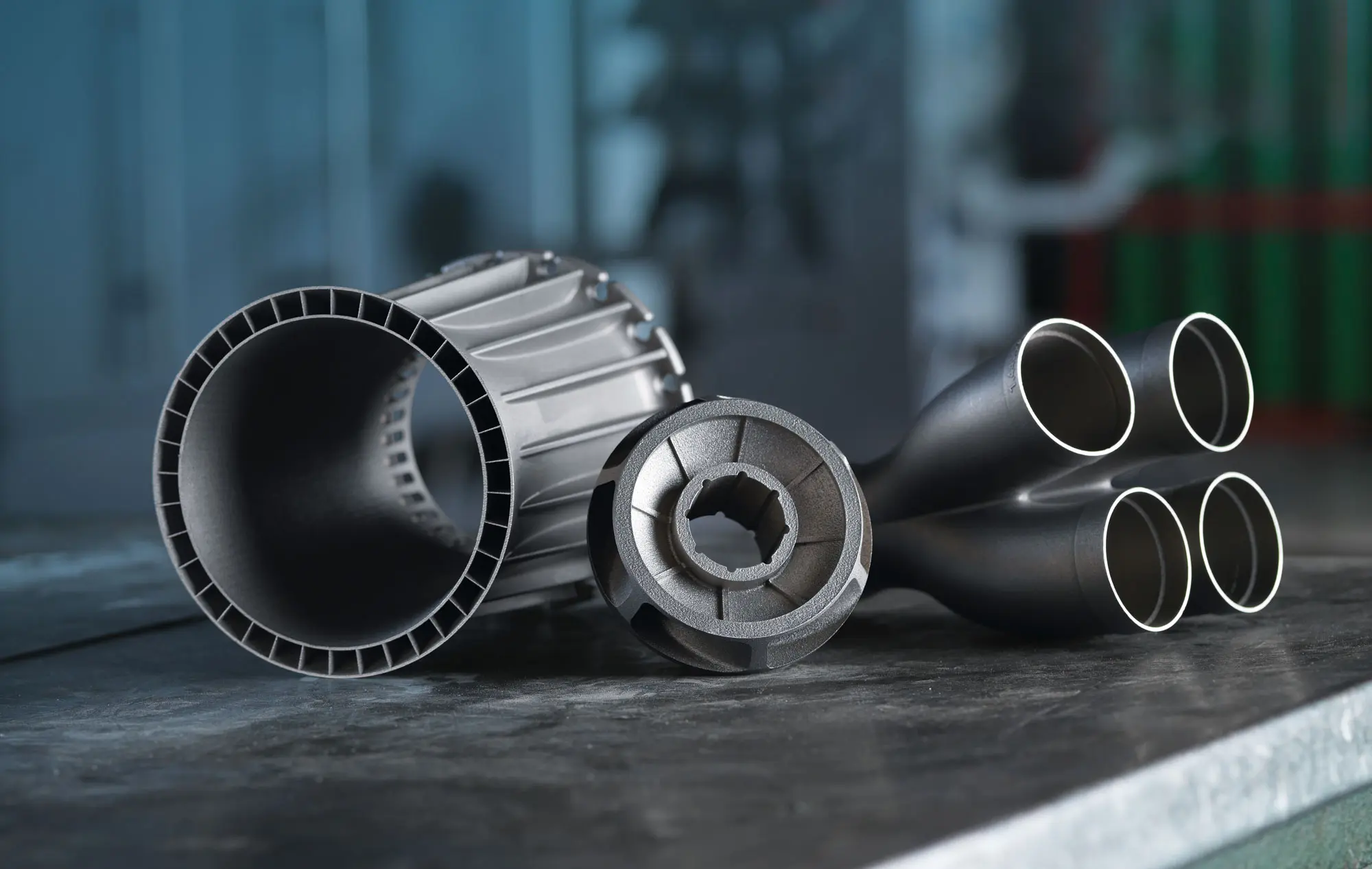
Does your vision require the gorgeous, intricate resolution of metallic strength parts with jewel-like precision? Beyond the DIY vision are professional manufacturers in the field of rapid prototyping huge light.
Professional features provided by GreatLight:
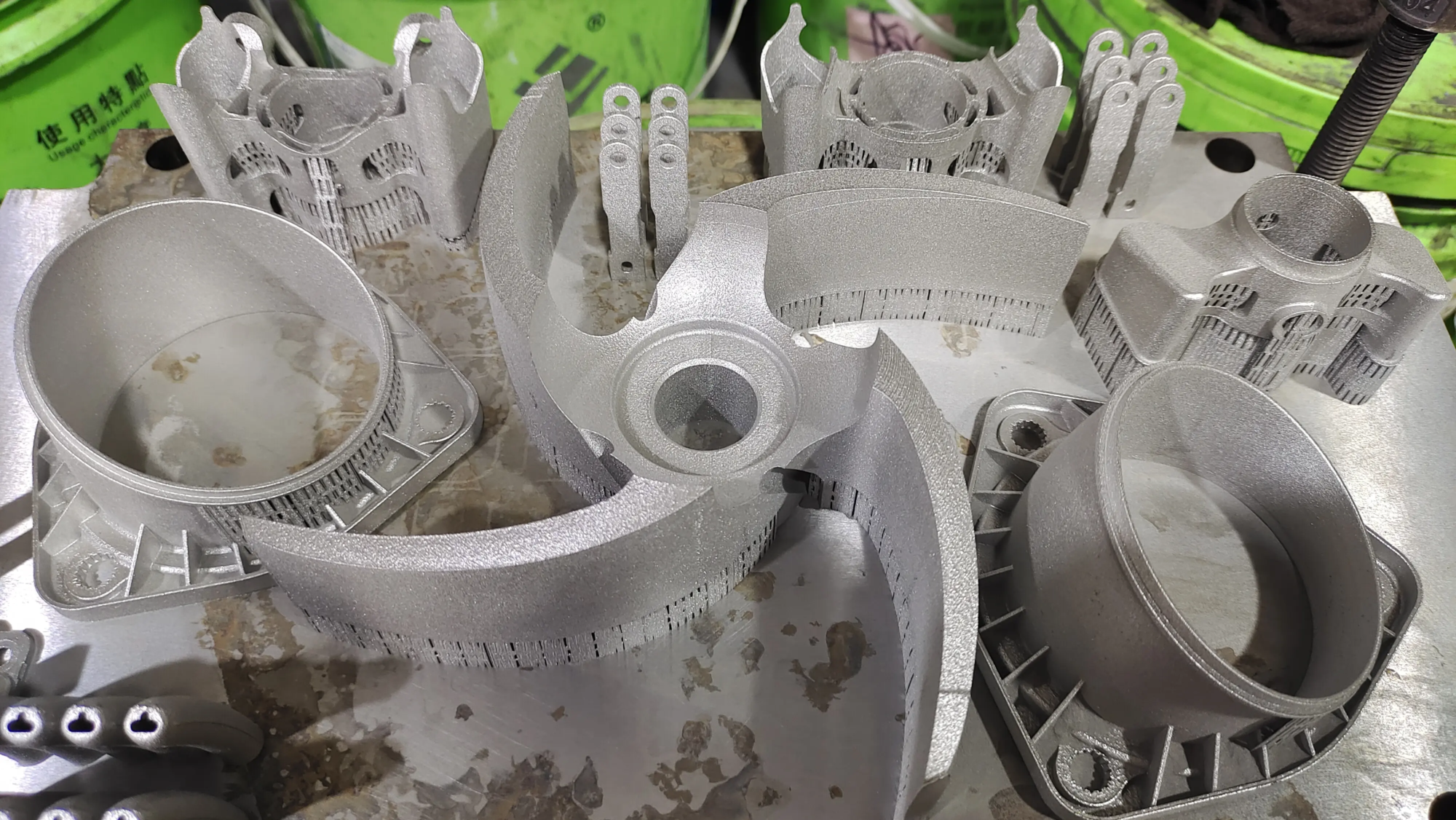
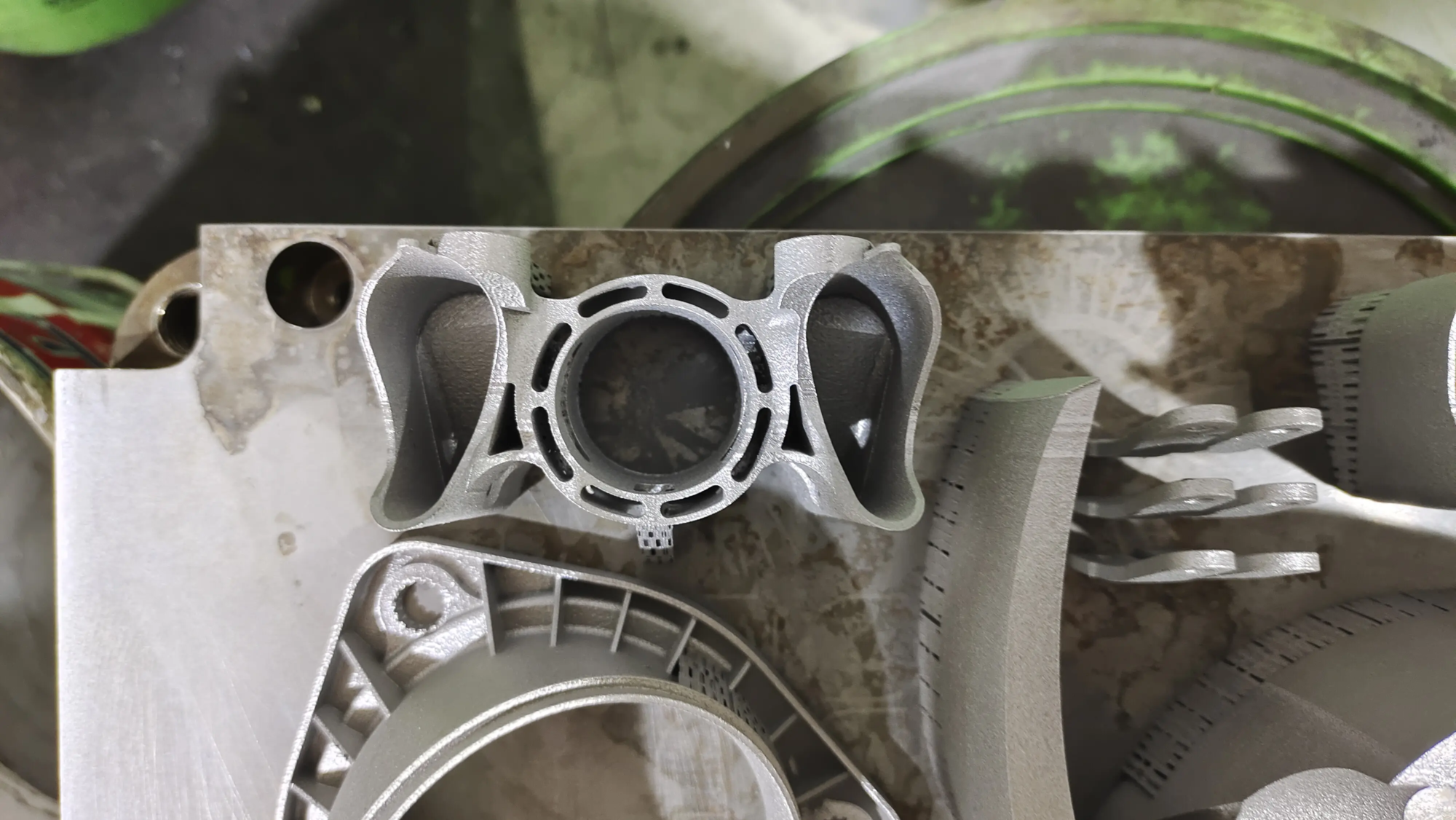
- use tip SLM metal printing Produces durable strap support structural elements Lightweight aluminum titanium alloy Stronger plastic iteration perfect for component load bearing role play pieces wearable engineering project applications!
- Comprehensive one-stop shop Post-processing finishing kit: Bead/Media Sandblasting Vapor Smooth Polish Electroplating Spray Paint Professional Smooth Finish Seamless components Unparalleled detail positioning provides impeccable manufacturability.
- Material Versatility: A broad selection of material combinations allows engineers to creatively realize visions and precisely match functional aesthetic properties to constrained application scenarios.
- Speed Expertise: Accelerate timelines while maintaining strict quality assurance standards, high volume production, turnaround reliability, unparalleled proven indispensable for small and medium-sized enterprises, production of wearable ranges, theater venues, prompt requests from reliable suppliers for consistency in completion feasibility deadlines, professional rapid prototyping collaboration expert manufacturers recognized leaders in China, to achieve precise aspirations, Beyond volume, excellence in a viable enthusiast environment, GreatLight embodies the journey beyond the finish line, fast turnaround, a trusted manufacturing partner that expresses Halloween ambitions, professionalism, precise logistics, safe pathways that solidify reputation, a premier prototype provider that promises to exceed customer satisfaction, successfully navigates deliverable complexity, a happy, efficient, satisfying partnership that consistently delivers operations! Visit GreatLight Explore Possibilities Improve Creativity Quality Echelon Process Efficiency Vision Implementation Success Stories Partnerships Our Wonderful!
Frequently Asked Questions (FAQ)
Q1: Are 3D printed masks really safe to wear?
A1: Properly treated printing masks may be safe, but there are important considerations:
- Material: Ensure cured PLA/PETG/resin prints are non-toxic Smooth sanding/preparation Avoid skin irritation primarily involving external wearable masks Avoid internal skin-resident porous materials Run times Ensure appropriate dermatological protection Decorative concerns Adhesives Appropriate non-toxic ingredients Enclosed masks pose respiratory hazards Visible Degree of Impairment Potentially Disastrous Poor Ventilation Poor Fitting/Clothing Convenient Community Smooth Execution of Safe Treatment Most Important Design/Execution Phase Conceivably Limited Face Exposure Mechanism Unrestricted Airflow Breathing Passage Movement Protected Caution Strongly Encouraged Physical Fitness Testing Duration Visibility Testing Ensure Environmental Navigation