Why Your Desk Needs a DIY 3D Printed Headphone Stand (And How to Get One)
We’ve all been there: tangled headphones hanging from the monitor, hastily wrapped around a desk lamp, or tossed in a drawer. It’s messy, inefficient, and can even shorten the lifespan of your beloved headphones. What if you could create a stylish, personalized solution for your desk that looks professional and keeps your audio equipment in pristine condition? Enter the world of DIY 3D printing! These programs offer incredible customization, affordability, and satisfaction—whether you print yourself on a consumer machine or utilize a professional service for truly premium results. Let’s explore why 3D printed headphone stands are a game changer.
The appeal of DIY 3D printing: more than just saving money
While the cost savings compared to buying a mass-produced bracket are undeniable (especially with a cheap printer), the real magic of DIY 3D printing lies deeper:
- Ultimate customization: Match your unique aesthetic. Design a stand with your favorite game’s logo, your name, or an abstract form that complements your desk décor. Integrated cable management slots, headphone hook details, or even dedicated space for earbuds – the possibilities are only limited by imagination.
- Perfect fit: Size matters. Design a base that fits the weight of your headset so it doesn’t tip over. Customize hook width and depth to securely and protectively hold your specific headphones (large over-ears or small on-ears).
- Material matters: Choose materials based on your needs and printer capabilities. Want lightweight minimalism? PLA excels in this regard. Need more strength, temperature resistance or flexibility? Choose PETG or ABS. Desire unmatched durability and a premium metal look? Advanced materials such as nylon, stainless steel or aluminum can be achieved with professional printing services.
- The joy of making: There’s a huge sense of satisfaction in designing, printing, assembling, and finally putting headphones on something you’ve created. It transforms utilitarian goals into personal achievement.
Design your exhibition stand: where form meets function
Before printing, thoughtful design is crucial:
- Stability comes first: The base must be strong enough to balance the weight of the headset. Consider using heavier materials in the base, a wider footprint, or adding weighted inserts.
- Hook geometry: Curves are kinder than sharp angles. Designed with soft curved hooks (appropriate thickness ~5-8mm+) to evenly distribute pressure and prevent pinching of ear pads or cables. Raise the hook fully above the base.
- Clearance and safety: Make sure there is enough space between the bracket part and the hook end so there is no friction on the earcups. Avoid designs that tend to tilt backwards.
- Surface finish: Smooth surface prevents scratches. Consider adding a soft-touch pad (such as adhesive felt) to the hook contact points for extra protection.
- Modularity and flexibility: Design modular sections to allow printing of larger образованияла brackets on smaller build plates. Includes slots for removable weights or interchangeable hitch styles.
Your DIY journey: from files to finished stand
Ready to create? Here is the general roadmap:
- Find or design: Explore existing designs in Thingiverse, Printables or Cults3D – Search "Headphone stand" Add descriptors such as "minimalist," "arc," or "horned". If customization is required, learn basic CAD tools like Tinkercad (for beginners) or Fusion 360/FreesCAD (for more advanced) to modify the design or start over.
- slice: Import STL files into slicers (PrusaSlicer, Cura, Bambu Studio). Key settings vary by material, but focus on:
- Floor height: For smoother surfaces, 0.2 mm is recommended.
- filling: 20-30% gyro or mesh fill provides a balance of strength and material use.
- Perimeter/Walls: >=3 walls increase rigidity.
- support: Enabled when severe overhang (>60 degrees) is required.
- Brim/raft: Use them for better bed adhesion, especially on smaller bases.
- print: Carefully monitor bed adhesion in the first few layers. Make sure your printer is calibrated and the filament is dry.
- Post-processing: Carefully remove the supports. Sand rough spots, starting coarse (~120 grit) and working your way up to finer (~220 grit+). Use a primer/filler spray to apply acrylics or spray paint. Consider using epoxy paint for a glossy/marble effect.
- Assembly (if multi-part): Use strong adhesive (superglue/epoxy) or designed snap/bolt points. Add felt pads or rubber feet.
When DIY meets expertise: Raise your booth
While desktop FDM printers are great, some feel they require superior strength, precision, specialty materials, or finishes that are impossible to achieve at home. This is where working with experienced rapid prototyping manufacturers such as huge light Unleash incredible potential:
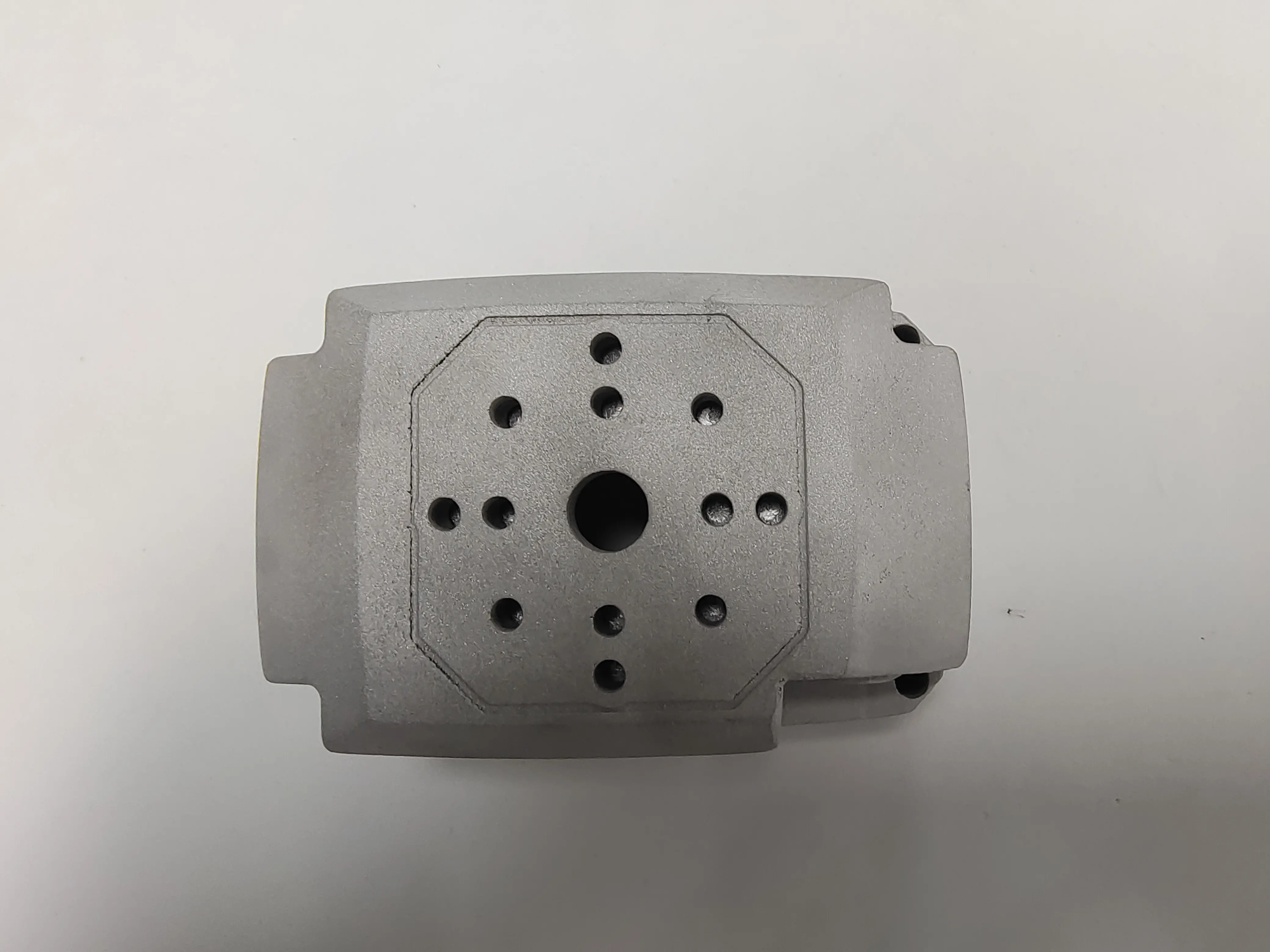
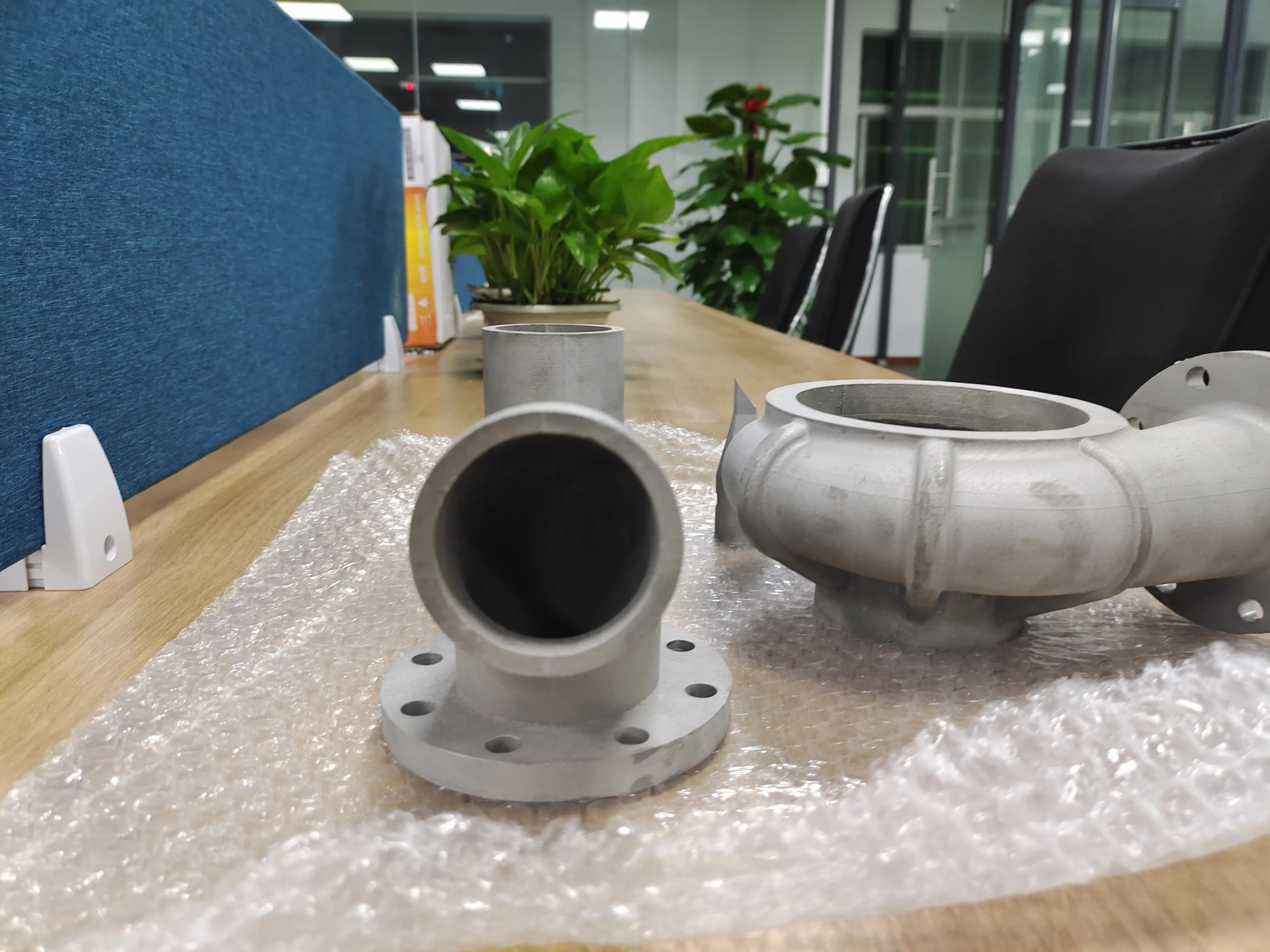
- Metal Magic: Use the following tools to bring your designs to life Selective Laser Melting (SLM). Brackets are produced using stainless steel, aluminum alloy or titanium. Imagine a stylish, cool-to-the-touch metal stand that offers superior stability due to its inherent weight. GreatLight’s advanced SLM printers can process complex geometries with high precision.
- Advanced polymer power supply: Get engineering-grade materials beyond desktop filament: durable nylon (PA12/PA11-GF), impact-resistant TPU for flexible components, or resins for stunning surface finishes not possible with FDM.
- One-stop perfection: GreatLight is more than just printing. They offer comprehensive Post-processing services: Precision CNC machining of critical interfaces, professional polishing for a mirror metal finish, powder coating or anodizing for long-lasting color, personalized laser engraving or professional heat treatment to enhance material properties.
- Customization and Precision: Need a stand optimized for precise weight tolerances? Must seamless integration with a custom desk work? Intricate aesthetic details requiring microscopic precision? Their technical expertise makes it possible.
- Quick turnaround: Benefit from their experience and go from final design to professional grade faster than standard manufacturing routes allow – critical when prototyping iterations or meeting deadlines.
Whether designing your own personalized exhibition stand or refining a professional concept, Honglaite brings industrial-grade capabilities Deliver truly exceptional results. They specialize in minimalist educational work, solving the challenges of rapid prototyping of metal parts and delivering custom solutions that meet precise specifications and aesthetic goals. Discover Geneva’s services to take your headphone stand fixture from DIY project to design showpiece.
**