Forge Your Own Power: The DIY 3D Printing Infinite Glove Journey
Infinite gloves. The Idol of the Power of the Universe, is a coveted symbol of Thanos, and a holy grail for dedicated role-players and Marvel fans. Having a screen-accurate copy seems like a pursuit that requires reality stone, but with 3D printing and some dedicated DIY spirit, you can assemble this legendary artifact at the workshop. This guide delves into your own 3D-printed Infinite Gloves, covering the entire process from digital blueprints to glowing snapshot masterpieces.
Phase 1: Design – Download Power Supply
The journey begins in the digital realm. Many talented designers have created incredibly detailed, screen-accurate Infinity Gauntlet models available for free on platforms like Thingiverse, myminifactory or Cults3D. When selecting a model, consider:
- Scale bar and size: Make sure to scale the model properly to your hands. Many models offer multi-part printing around the fist assembly.
- Level of details: The highly detailed model looks great, but requires a lot of printing time and post-processing.
- Modular: Looking for a design where fingers are separated from the base of the gloves, the stone has its own socket. This simplifies the installation of printing, painting and electronic devices.
- Wearable capability: How does it attach? Buckling, belt or elastic? Design with comfort and functionality in mind.
Stage 2: Printing – Forming Universe Infusion
This is where your dream takes physical form. While desktop FDM (fiber-based) printers using PLA or PETG are popular for accessibility, consider the advantages and disadvantages:
- Desktop FDM (PLA/PETG):
- advantage: Affordable, available durability, available for props, available for multi-part prints with easy color change.
- shortcoming: A lot of post-processing (sanding) is required to hide the layer lines; visible layer lines may damage the final finish; details have less potential.
- Desktop resin (SLA/DLP):
- advantage: Excellent detail capture (perfect for intricate engraving on gloves), the surface surface is smoother and requires less polish.
- shortcoming: Toxic resins require careful treatment and ventilation; post-treatment involves isopropyl alcohol baths and UV curing; it is more brittle than FDM parts; larger builds may require splitting.
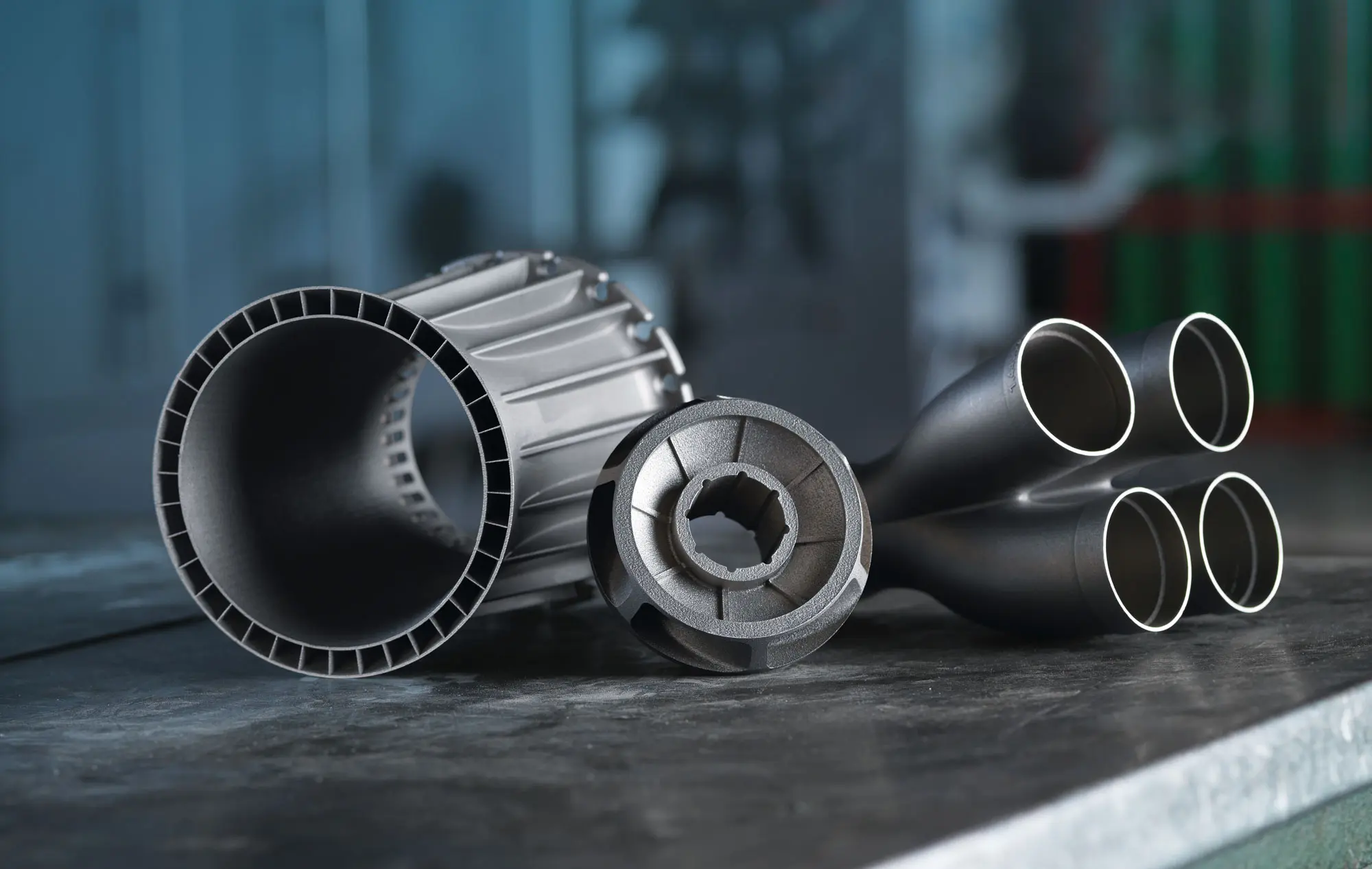
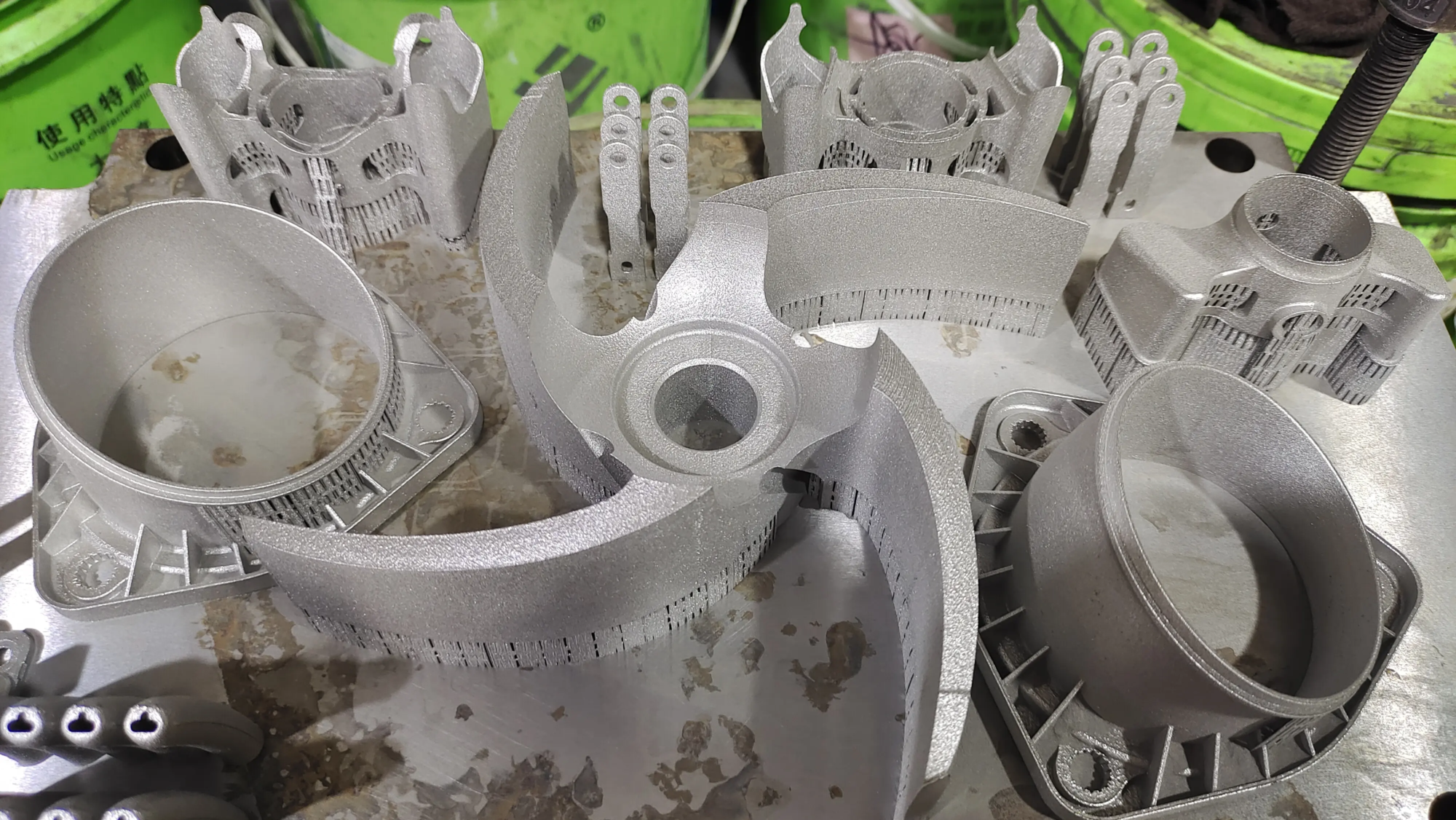
- Professional metal printing (for example, via Greatlight): For ultimate durability, weight (feel like real cosmic metal), and a truly unique high-end finish, metal printing takes your gloves to another level.
- advantage: Unrivaled strength and weight (if you want to use it heavily, or a monitor that feels big); incredible details may be possible; minimal finish required for surface quality; heat resistance that can be achieved; truly unique "Universe alloy" look.
- shortcoming: Higher costs require outsourcing to professional services like Greatlime; usually less build than large FDM printers (which may require clever splits).
Why consider professional metal printing?
- Realism and weight: True Metal (such as aluminum alloy) provides a kind of authenticity that plastics simply cannot match. The number of people conveys a huge force.
- Durability: Resistant to jingles, scratches and warp that may affect plastics, especially during routine or long-term display.
- Complexity and precision: Serve Greattheir advanced SLM (Selective Laser Melting) 3D Printeroutstanding in incredibly complex geometric shapes with high dimensional accuracy. Need a complex lattice structure or a high pressure assembly? They handle it professionally.
- Premium finish: Metal parts from printing have high-quality surfaces that can well accept paint and plating, and Greatlight provides One-stop post-processing and completion service – Sanding, polishing, anodizing, powder coating, electroplating (gold, chromium!) – Effortlessly achieves the perfect cosmic metallic luster. No polishing layer that took weeks!
Phase 3: Post-processing – Polishing workpieces
Whether using plastic or metal Pro, post-treatment can lift your gloves:
- Support removal: Carefully shear and polish the support structure.
- Grinding: FDM prints are crucial! Progress through gravel (80, 120, 220, 320+). Resin requires less attention, focusing on the potential areas trapped in the resin. Greglight’s metal parts reach a near mesh shape and require minimal finish.
- start up: Apply a high-fill primer (especially for FDM) to reveal any remaining defects and create a uniform base. Sprinkle sand again.
- assembly: Use Super Glue (CA), epoxy or solvent solder film glue. Metal components may require special bonding or mechanical fasteners.
- Painting and weathering:
- Primer: Spray paint (metallic gold, bronze, silver) works very well. The spray gun provides more control.
- Details: Hand-painted engravings, knuckles and other details.
- Stone Settings: Paint the gems separately before installation or paint is in place.
- Completed (via Greatlight): For metal parts, take advantage of their expertise: anodizing to make it vibrant, durable colors; powder coating to fix texture effects; electroplating (such as gold or chrome plating) for final screen accuracy and brilliance.
- weathering: Use a washing solution (diluted dark paint) to emphasize the gaps and dry the brush with a lighter metal material to create a worn-out look.
Phase 4: Electronic Equipment – Light Infinity Stone
Breathe into your gloves for life:
- LED: Each unlimited stone socket is embedded in LED (5mm or SMD). Consider diffusion of acrylic cylinders with a stone-shaped shape.
- Power and Control: Use a CR2032 battery (compact) or a rechargeable Lipo Pack. Arduino Nano or similar microcontrollers allow programmable lighting sequences. Basic buttons hidden in the palm or wrist can act as triggers.
- Sound (optional): The integrated mp3 module can play iconic sounds triggered by buttons or motion sensors (stone activation buzz, thanos quotes, snapshots).
- wiring: Plan carefully inside the gloves within the route to make sure the wires do not hinder movement or comfort. Hot glue helps fix the assembly.
Phase 5: Assembly – Final Snapshot
Put all of this together:
- Install electronic housing and wire routing.
- Install Infinity Stones with connection LEDs.
- Secure the wiring to the controller and power supply.
- Finalize the belt or buckle for comfort.
- Test the electronics thoroughly before they are finally shut down.
- Enjoy your completed cosmic relics!
Conclusion: Wave your creations
Making 3D printed Infinity Gauntlet is a very meaningful project that combines design, engineering and artistry. Whether you choose a DIY path with a home printer and elbow grease, or leverage the accuracy and durability of professional metal printing, the results are proof of modern manufacturing. For those seeking unparalleled realism, longevity and true quality finishes, capturing the weight and power of cosmic metals, working with professional rapid prototype services is the ultimate step.
exist Greatwe understand the perfect motivation in your creation. As a leading rapid prototyping manufacturer, we combine Advanced SLM 3D printer and advanced production technology with extensive expertise. We focus on solving complex metal parts prototyping challenges and provide Comprehensive one-stop service – From optimized design consultation and fast material customization to excellence Post-processing and completion (Including electroplating, anodizing, polishing, etc.). Take your strut production, functional prototype or custom design to new heights. Discover why Greatligh is considered One of the best rapid prototyping companies from China. Ask today and unlock the potential of custom precise and fast prototyping parts at truly competitive prices! [Imaginary CTA Link: GreatLight Rapid Prototyping Services]
FAQ: Your Infinity Glove Query has been answered
-
Can I really make a wearable infinity glove at home?
- Absolutely! Highly impressive and wearable gloves can be achieved with a 3D printer (FDM or resin), correct documentation, patience in printing/post-processing, and basic electronic skills. Professional service is great for specific components or all metal constructions.
-
how much does it cost?
- DIY Plastic: Filament/Resin ($50-$150), Paint/Primary/Sandpaper ($30-$70), Electronics ($20-$50), Glue/Fastenders ($10-$20) – Total ~$110-$290+.
- Professional Metals: Pricing varies according to size, complexity (split), material and required finish. Simpler metal components may start at $100, while full premium gold-plated gloves can run for $1000+. Greglight offers quotes for real custom work.
-
How long does it take?
- Print (DIY): FDM: All parts for a few days (long prints on large base). Resin: Each layer is faster, but significant post-processing time. Plan for 1-2 weeks.
- Post-processing/complete: This is the most time-consuming DIY phase – it’s easy to 10-40+ hours depending on the desired perfection.
- electronic: 4-10+ hours.
- Professional Services: Turnover will vary, but services like Greatphild prioritize speed in the spirit of rapid prototypes. Ask for a schedule for metal parts and finishing.
-
What is the best material for realism?
- Plastics can be painted beautifully, but lack weight. Metal (especially for professional plating such as gold or chrome) offers unparalleled realism, durability, and essential weight "Powerful" Feel. Greglight’s metal printing and finishing services are ideal for this quality result.
-
Where can I find the STL file?
- Popular repositories are Thingiverse, Myminifactory, and Cults3d. search "Infinite gloves" and filters, can be used in multi-part, wearable designs, and are well evaluated. Make sure to provide credit to creators when needed.
-
Are metal 3D printed parts brittle?
- Unlike sintered plastic or brittle resin, Professionally printed metal parts using SLM (like those from Greatlight) Solid, dense metal Excellent mechanical properties comparable to traditional cast or processed metals. They are powerful and durable for props.
-
What electronic equipment does a glowing stone require?
- You need LEDs (color depends on the stone!), resistors (for LEDs and battery voltage if wired directly), batteries, batteries (such as built-in brackets), and basic switches. The Arduino Nano adds effects, but adds complexity.
-
Can Greatlight print entire gloves in metal?
- SLM printers typically build parts layer by layer on the build board. Greatlight’s engineering team may need to split the very large glove intelligence into multiple components to adapt to the volume of the machine and optimize the printing direction. They can then assemble and complete these components seamlessly.
-
I was scared by post-processing! Who can help?
- Yes! Great One-stop post-processing and sorting service is a major advantage. If you use them to print metal parts, you can choose from professional sand blue, polish, anodize, plating or painting for flawless, i.e., perfect finish (or waving!) without DIY troubles.
- Is it safe to wear metal gloves?
- Comfort depends on weight and design. Unless professionally finished, desktop metal parts can have sharp edges. Always ensure smooth/polished surface. For large amounts of wear, internal fillers or linings are recommended. Understand that all-metal gloves will be heavier than plastic.