Unleashing creativity: A comprehensive guide to DIY 3D printing of Jeep accessories (and when to call the professional!)
The Jeep community thrives in personalization. From solid cross-country warriors to stylish street cruisers, make your Wrangler (or Gladiator!) uniquely half the fun. Although traditional after-sales parts abound, 3D printing has exploded to the scene, providing unprecedented opportunities for DIY customization. It’s about freedom, creativity and problem solving. for you Drilling rig. But where do you start, when does plastic reach its limits, and how do you ensure safety and durability? Let’s dig deeper.
Why 3D Print Jeep Accessories Rock
- Super personalized: Tired of universal? Design or find the perfect sized phone stand model your Completely cut equipment Where You want to be in JT. Create custom cup holders to size glasses, unique dash badges or antenna finishes that reflect your personality. Possibilities are limited only by imagination (and physics!).
- Unparalleled problem solving: Can’t find the bracket for that particular switch panel? Need a protective cover for exposed wiring under the dashboard? 3D printing allows you to quickly prototype and produce tailor-made solutions Your specific Jeep model year, trimming and modification – the gaps are often overlooked by the mass market.
- Cost-effective (fitting to the right part): While printers and filaments are an investment, producing small, complex plastic components yourself is often much cheaper than buying alternatives for processing or injection sale, especially for low-volume or customized disposable parts.
- Quick iteration: Break your prototype switch guard on the trail? Return to the CAD software for quick adjustments (thicker walls? Different filler?) and print V2 in a few hours. This agility is invaluable for development.
- Authorization: Very satisfied with the functional part of the design, printing and installation solution your Problems and enhancements your Jeep experience.
Popular DIY Printable Jeep Accessories: What Works Well
- In-house organizers and customizations:
- Glove box organizer: Tame the mess with custom dividers for flashlights, off-road gears, snacks.
- Center console insert: Coins, keys, pens, sunglasses.
- Cup holder insert/extension: Adapt to factory holders large bottles, hot cups or add extra slots.
- Switch panel insert/cover: Fill in unused switch blanks or create a custom layout for added accessories.
- Door and window protector/cover: Customize the logo or textured surface to protect the paint.
- Infotainment/Dashboard Decor: Custom surround volume or mount for meter, CB radio, phone/tablet stand.
- Ridgeline accessories: Hooks, mounts or organizers are designed for the iconic dashboard functionality.
- External accessories (non-structural):
- Top and base of the antenna: classic! Totem, animals, symbols.
- Door Hinge Protector: Simple cover to prevent paint chips.
- License plate frame and accessories mounting base: Custom design of license plates or install small cameras/lights.
- Grill Insert/Covering (non-structural): Decorative cover or insert for specific sections.
- Light brackets (small LED pod): Install auxiliary reverse lights or rock lamps with low pressure.
- Jack Point Positioner/Strengthener Cone Washer: Align the auxiliary jack or fill the stiffener cone gap.
- GPS/action camera mount: Specific mount of handheld device on rollers or instrument panels.
- nerf bar/step plug: Custom hats with open tube ends.
Methodology: Do it correctly – Safety and durability first
DIY doesn’t mean cutting corners, especially when it involves the functionality and safety of the vehicle. Here is the key framework:
-
Materials are very important:
- PLA: Affordable and easy to print, but fragile/UV/thermal sensitive. avoid For any external or load-bearing use. Perfect for prototypes and certain non-critical internal parts.
- PETG: The best place for many jeep accessories. Good strength, impact resistance, UV resistance (especially with ASA additives) and temperature tolerance. Perfect for organizers, mounts, protective covers and some lightweight exterior drills. Make sure to ensure optimal layer adhesion during printing.
- Asa: Similar to ABS, but significantly better UV resistance. Ideal for external parts that will be exposed to sunlight (antenna base, grille insert, light mount). A shell is required to prevent warping.
- Nylon (PA6, PA11/12, filled with glass): Tough, flexible, and resistant to shadows. Perfect for gears, clips, snapshots and certain structural applications. High-speed printing, high-temperature beds, dry wires, and often modified techniques such as annealing are required. Increased complexity.
- TPU/TPE (flexible filament): Used for gaskets, seals, vibration dampers, elastic clips or protective sleeves. The shore hardness varies greatly.
-
Strength and printable design:
- direction: Print parts so that the layer lines are perpendicular to the applied stress (for example, the bracket mounting lugs should be printed so as to be parallel to the layers, rather than trying to peel them apart). Avoid layer adhesion under tension.
- wall: Use enough perimeter/wall thickness (e.g. 2-4 mm in total) instead of too much filling. Filling (20-50%) mainly helps prevent top layer from sagging and increases compressive strength.
- Chamfers & Fillets: Avoid sharp corners to concentrate pressure. Circular transitions better distribute forces.
- Hole tolerance: Indicates the accuracy of the printer; slightly reduces the hole (0.1-0.3mm) and suits the file/ream.
- Stress relief function: Combine the ribs/burrs where the load is applied.
- UV protection: For external ASA/PETG prints, UV-resistant paint/varnish provides additional protection for the inherent resistance of the filament.
-
Print Settings – No shortcuts:
- Layer height: For complex details, thinner (0.1-0.2mm), slightly thicker speed/strength (0.2-0.28mm).
- Advanced Technology: Where appropriate, use tools such as Monte Carlo filler (variable density) in the slicer to optimize intensity to weight/time ratio.
- Temperature and cooling: Calibrated carefully! Print too hot/cold site layer adhesion and surface quality. Cooling is crucial for PETG/PLA overhang, but is crucial for ASA/nylon reduction.
- Dried silk: Must be dryespecially for PETG, nylon, TPU. South Florida’s humidity will be severely compromised. The quality of the filament dryer is not optional.
- Adhesion: Edges/rafts/skirts are crucial. Glue sticks, magigoo or textured PEI sheets can work well in different materials. Preheating is essential for ASA/nylon that uses the housing.
- Post-treatment of longevity:
- clean: Delete support in detail.
- Grinding/Printing/Painting: For aesthetics and ultraviolet protection. Use high temperature automotive primer for lower/internal thermal applications.
- annealing: For specific materials such as nylon/polycarbonate mixtures, controlled annealing can significantly improve strength, thermal resistance and dimensional stability.
- Chemical smoothing: Vapor smoothing (e.g., acetone with ASA) can improve sealing, aesthetics, and UV resistance.
Key Warning: When DIY 3D printing is not enough
3D printing is amazing, but Materials Science Regulations and Limitations. Plastics, even advanced engineering polymers, have inherent weaknesses:
- Shear and tensile strength: Although the compression is strong, the polymer is significantly weak under tension or shear. Layer adhesion is a special loophole.
- fatigue: Repeated load/unload cycles can cause plastic parts to fail over time and sometimes catastrophic. This makes plastics unsuitable for applications that are vital to safety-related and impacted.
- Melting point/creep: The heat under the hood (especially near the engine block) can approach or exceed even the glass transition temperature of the ASA/nylon, resulting in under load (creep) or complete failure. Sunlight alone can quickly soften the PLA components.
- Impact resistance: While some plastics (TPU, nylon) are tough, the increasingly sturdy effects can easily crush PLA or crack PETG/ASA. Metals absorb different energy.
- Flammable: Most plastic burns. The lower level is especially risky. If you venture outside of the safe internal parts of the cabin, look for the UL94 V-0 rating, but even so, be cautious.
Here, working with professionals is not only smart, but also important.
Introduction to Greatlime: When your vision requires metal
Components for experience Real load – Steering connection suspension components, high-strength brackets for winches, tire carriers, major armored frames or demanding hierarchical applications (e.g., complex brackets that support electrical components near heat) – Advanced prototype metal 3D printing and CNC machining are the only viable solutions. Traditional methods are often troubled by complex geometry, accuracy or lead time.
Greglight Rapid Prototyping: Your Companion to Key Jeep Parts
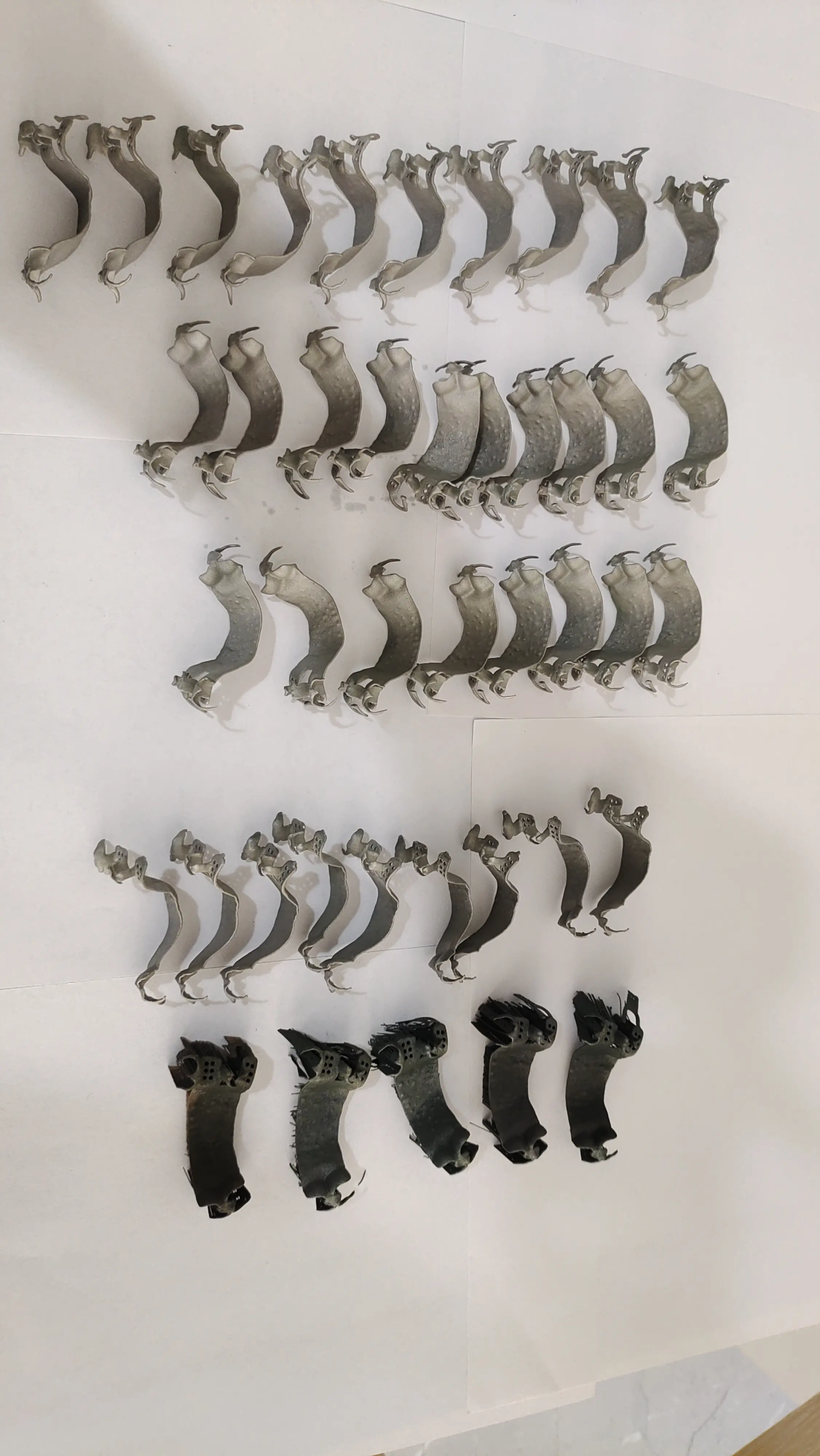
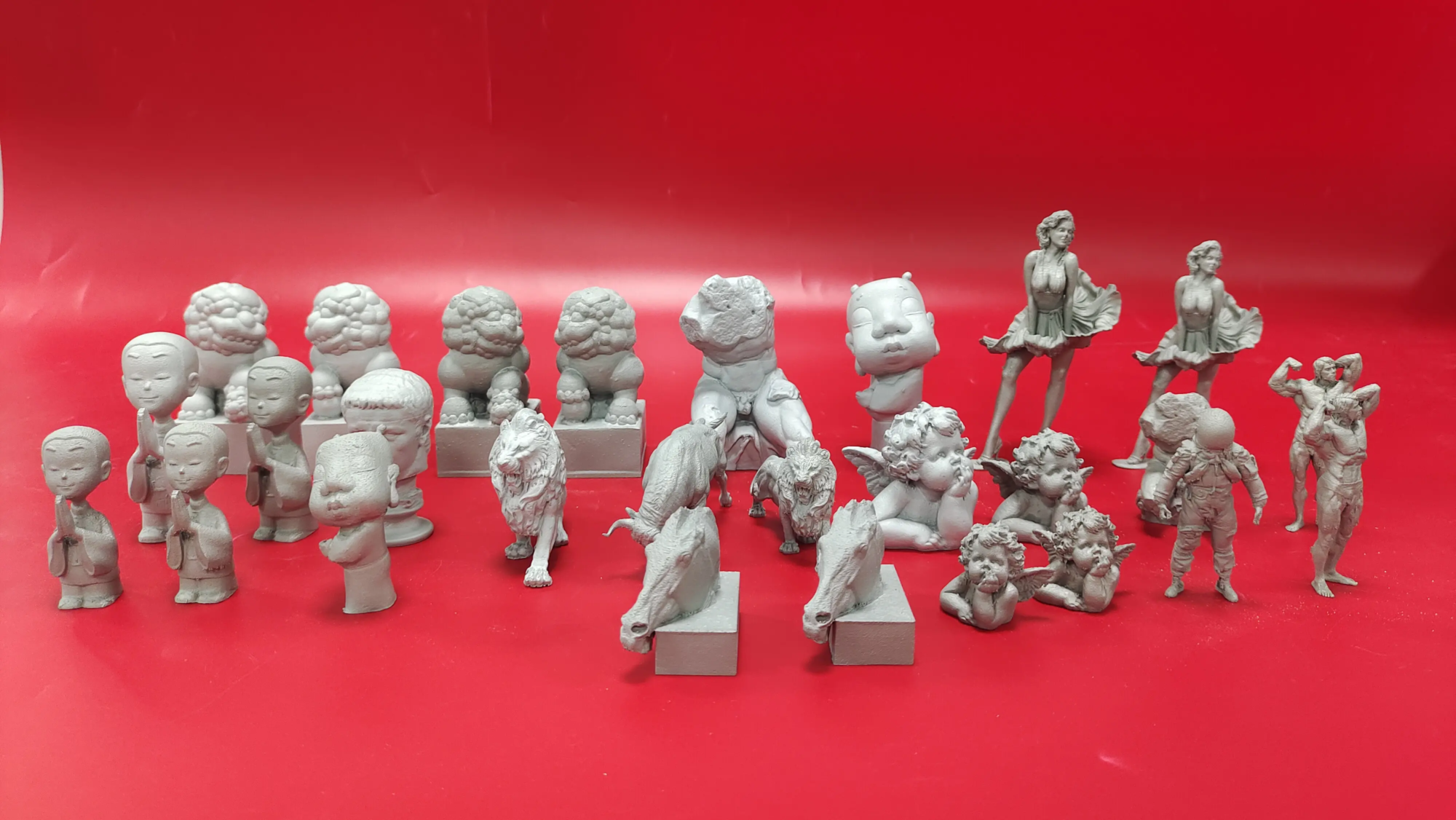
We understand the enthusiasm and precision required for Jeep modification. GRESTLIGHT specializes in advanced Selective laser melting (SLM) technologyPremier method 3D printing metal for creating excellent high-performance parts directly from CAD models. Why do SLM do serious Jeep parts?
- Performance Materials: Titanium (TI6AL4V), stainless steel (316L, 17-4PH), Maraging Steels, aluminum alloy (ALSI10MG, ScalMalloy), Inconel (625, 718).
- Excellent strength and durability: Achieve material properties close to (sometimes exceed) forged metal equivalents. Superior fatigue strength and resistance to impact, heat and deformation.
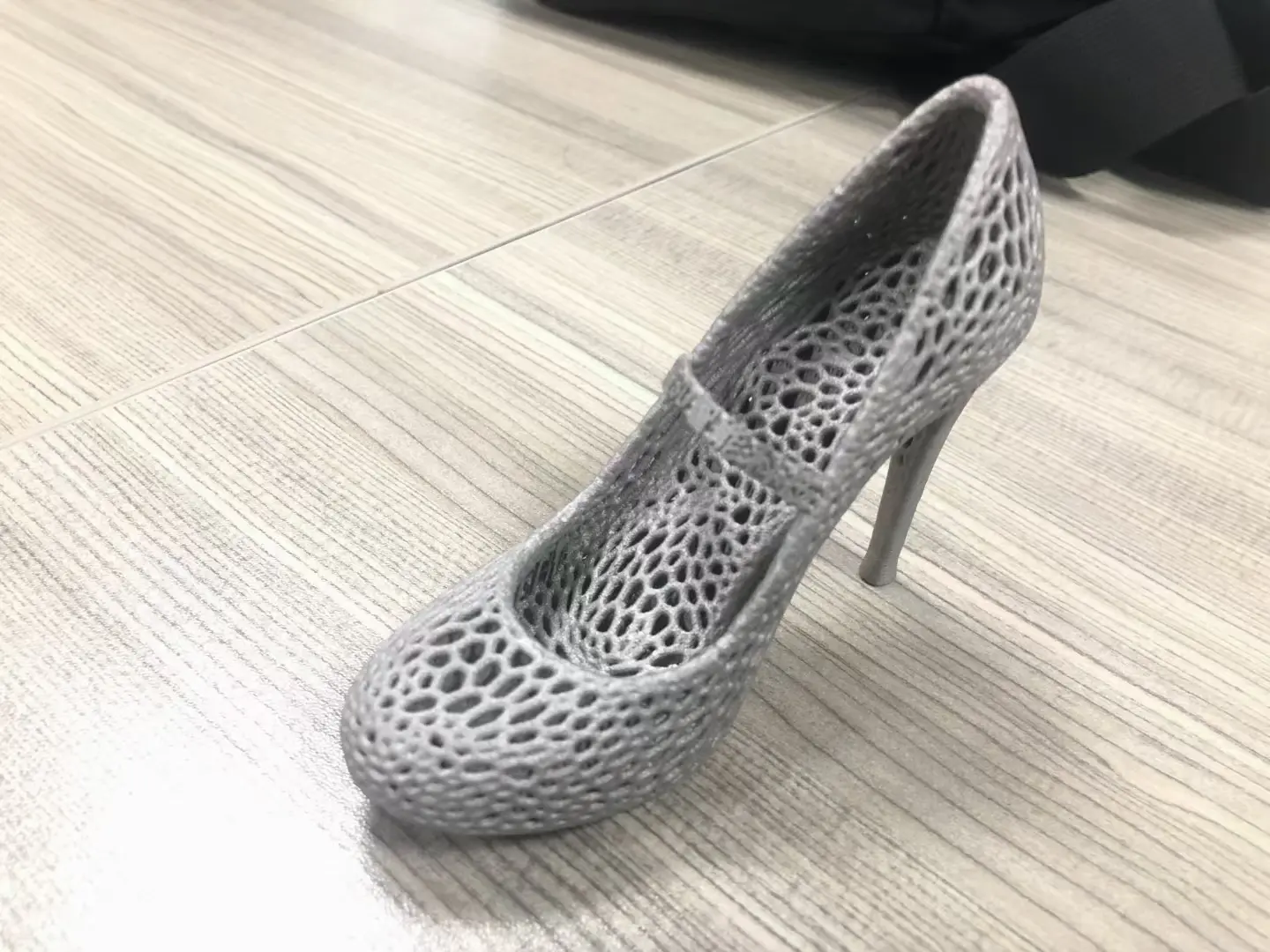
- Free design: Create complex internal channels, optimized lightweight lattice structures or shapes that are impossible to power on. Combine multiple complex components into a single robust part.
- Accuracy and accuracy: Achieving tight tolerances in key assembly of SEMA displays vehicle levels.
- Quick iteration: Quickly test functional metal prototypes before committing to expensive production tools.
- One-stop solution: Apart from printing, we can handle all of this: accurate CNC finish, meticulous heat treatment (hip, aging), specialized surface treatment (bead explosion, plating, anodizing, powder coating) and comprehensive quality control, including a thorough CT scan of key internal features.
Working with Greatlame:
- Your accessories have structural weight (tyre carrier, bumper mount, suspension link).
- It is severely affected (rock sliders, skateboards).
- High temperatures are a factor (engine bay, exhaust bracket).
- Safety is crucial (recovery points, cage attachment).
- Extreme accuracy and reliability are not negotiable.
- You need complex geometry to gain a huge strength advantage through topological optimization.
Conclusion: Where creativity satisfies abilities
The revolution of DIY 3D printing opens incredible doors for personalized, cost-effective Jeep customization. PETG and ASA authorize enthusiasts to quickly create smart in-house solutions and unique, functional non-critical exterior decorations. But respect materials science. Plastics have limitations, especially under mechanical stress, heat and influence.
When your vision requires strength, durability and reliability that deserves serious tracking responsibilities, Rapid prototyping Ready. Our cutting-edge SLM 3D printing technology for metals, coupled with comprehensive machining and surface services, transforms complex designs into high-performance real Jeep parts. We bridge the gap between bold ideas and uncompromising execution.
Embrace the power of using printers at home to create. But recognize when to leverage advanced metal AM to ensure that your modifications are not only cool, but also cool. Capable, safe, and lasting.
FAQ: DIY 3D printed Jeep accessories
1. What is the best silk for wool-bottomed jeep parts?
Avoid PLAs that are completely in the engine compartment. For close temperature areas, away from the engine block, such as the fuse box cover, asa (with UV resistance) or Annealed glass filled nylon (e.g., polymer PA6-GF) provides the highest plastic Temperature resistance and strength of non-structural parts. Crucially, even limited. Key mounts near major heat sources (manifolds, turbochargers, exhausts) pose huge fire risks and deformation challenges, and Must be metal. If you have questions about stability or combustion, choose SLM to make the metal.
2. My petg prints keep capturing! How do I increase my strength?
Focus on three key printing factors:
- Layer adhesion: Slightly increase the nozzle temperature (within the filament range), reduce fan speed (especially the first layer), reduce printing speed and Criticalmake sure your silk is Thoroughly dry.
- direction: Always oriented the printing layer so that the force is parallel to the layer (avoiding peeling force).
- design: Increase wall thickness/circumference and add rounded corners to corners to reduce stress concentration. Make sure the filler is sufficient (with thyroid/cube mode 25-40%). If the design allows, consider annealing PET (follow specific filament guidelines).
3. Do I need consent to install a drone outside the vehicle using DIY prints?
Yes. FAA regulations require specific testing, certification and marking to support any structure of drone installations on mobile cars, due to aerodynamic impacts and safety risks. Aircraft safety requirements are strictly regulated in accordance with national security affairs. Use an unverified DIY plastic mount to harm your drone, the public, and violate regulations (usually fines). Consult FAA documents to specifically manage unmanned aircraft systems installed on vehicles under Part 107 Rules. The company system must be structured verified.
4. How to make 3D printed parts look more “complete”?
Several levels to complete:
- Need to prepare: Carefully clean the support scars with a rinse cutter, precision knife and file/sandpaper.
- Surface improvement: Gradually sand (for example, 120grit->220grit->400grit). Use fill primers + grind the filler line. Apply a thin layer of plastic-specific (or automotive filler/flexible) spray paint and apply wet sand paint between the coatings to create a mirror.
- Premium finish: The sheer jacket provides depth. For functional parts with complex geometry, professional finishes are required, such as gold plating, anodizing or industrial coating solutions, such as Greatlight Anti-Surface treatments, which provide competitive product-level durability in demanding environments.
5. Why use SLM Metal 3D printing instead of regular machining/forging?
SLM offers unique advantages:
- The fundamental geometry: The conformal cooling channel of the engine mount, the topological lattice structure maximizes stiffness while reducing the weight of the suspension assembly that is impossible or too expensive for machines.
- Rapid prototyping: Iterative functional metal prototypes are faster and cheaper than billet processing composites.
- Parts merge: Combining components into a single component (such as complex winch boards with integrated light stand/powertrain airflow ducts) eliminates fault points and simplifies logistics.
- Advantages to weight: Optimized designs were made using materials such as titanium or scales, where traditional materials could not produce excellent performance.
6. Are external parts really necessary? Is PET insufficient?
Petg has Some UV resistance, but not as good as ASA. With prolonged sun exposure, PET will eventually become fragile and yellow, especially in southern climates such as Florida or Arizona. ASA is specially formulated for superior UV stability. For long-term aesthetics and durability, especially in lighter colors, preferred ASA (or UV-protected ABS) is preferred for visible external prints. Both are far better than PLA. Metal printing predominates external load bearing assembly that requires a permanent and dimensional tolerance context.
Don’t just dreams – Print it as plastic for passion, forging metal for tasks. When your vision requires incredible strength and accuracy of advanced metal additives manufactured, please contact Quick Prototyping. Get instant quotes for your projects online on Greatlight now!