From Digital Dreams to Armored Reality: Making Your Own 3D Printed Knight Helmet
Centuries later, the call of the knight – the door, the knight, the amazing armor. Forget the dusty museum display; today, the Knight’s iconic helmet is used not only in history books. Thanks to accessible 3D printing, making your own personalized helmet worth attending any competition or role-playing event, it’s an exciting DIY reality. Whether you’re a Renaissance enthusiast, a dedicated role-player, or just attracting medieval craftsmanship, this journey transforms plastic filaments and even metal into a legacy before your eyes.
The process is the task of modern knights, integrating digital design with hands-on manufacturing. But how do you get started?
Main Design: Blueprints to Strike Your Fight
Your helmet starts in the digital realm. Concept Art: Sketch your vision – classic great helmet, sleeper bascinet, elaborate armor? Digital engraving: Modeling using Fusion 360, Blender (Free!) or Tinkercad’s CAD (Computer Aided Design) software. Main things to note:
- Precision fit: Perform a detailed head measurement (circumference, depth, width). Add ~10-20mm for filling and comfort. First print a test ring in the filament! To ensure strength and printability without excessive support, helmets are often cut into sections such as skulls, sun visors (for articulated designs), Bevors (Bevors (chim guards) and panels). Strong internal design features such as ribs, rounded corners (smooth curves) and strategic webbing significantly increase strength while minimizing weight.
Bringing metal to life: printing forgery
Imagine making solid metal armor without forged roar. This is where STL files are prepared to conform to the most advanced manufacturing.
For accessible DIY projects, Plastic Printing (FDM/FFF) It is the most popular starting point:
- Material: PLA is perfect for details and is easy to print. PETG has excellent impact and thermal stability. ABS is tough but requires a closed printer and good ventilation. TPUs can be used for flexible filling components.
- Print settings: Accuracy is important. Surface quality was performed using a moderate layer height (0.15-0.25mm). Increase wall/peripheral count (4-6) and top/bottom layer for increased strength. For overhangs such as sun visors or nose guards, a strategically positioned support structure is necessary.
- challenge: Large helmets usually require fragmentation of debris into pieces (e.g. front/back, top/side) and carefully glued and printed after assembly.
For unparalleled authenticity, durability and real metal weight like fake artifacts Metal 3D Printing (SLM/DML) It is the ultimate realm. This is no longer just the field of large companies; professional services Great Make it possible:
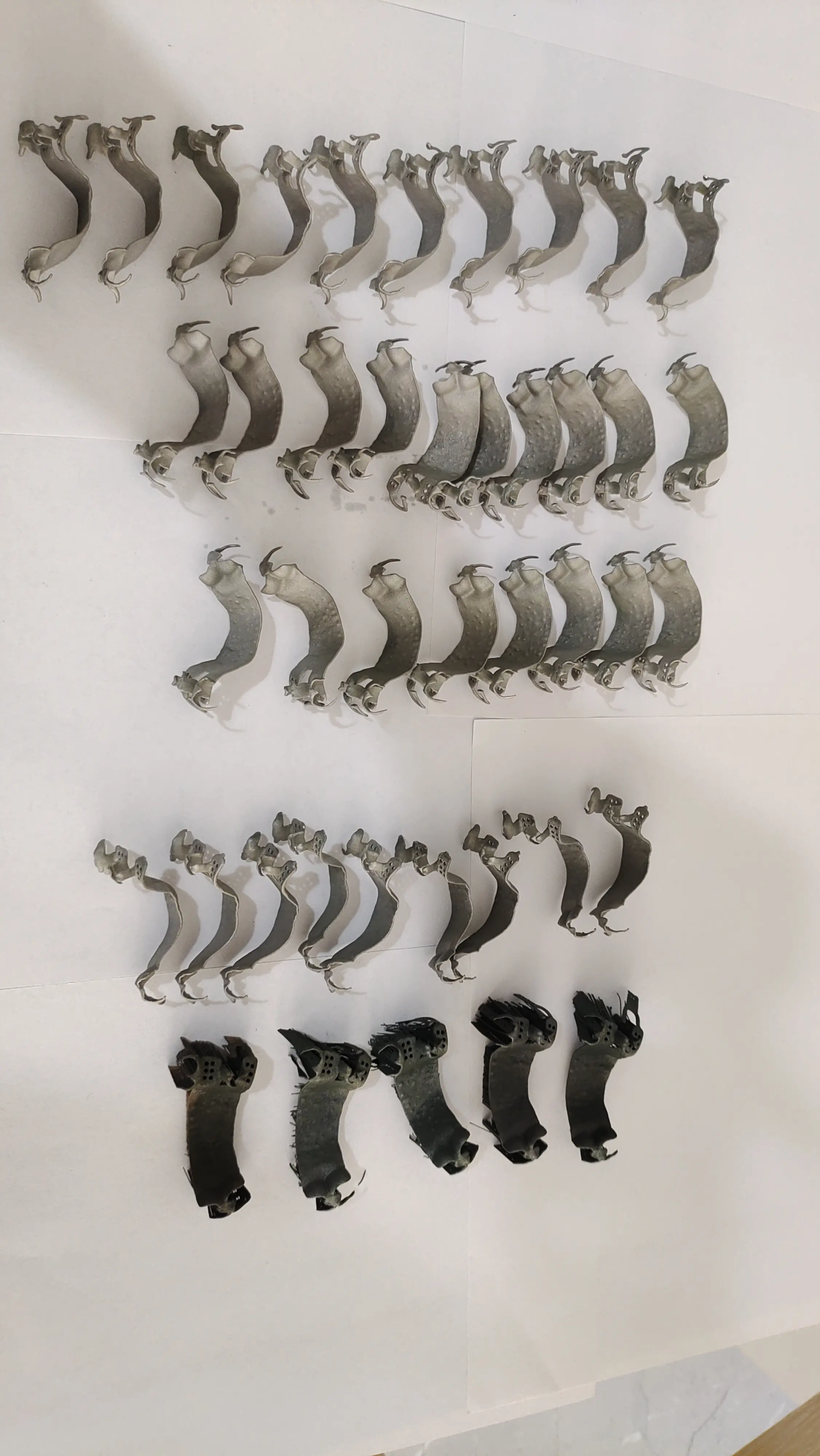
- Powered by partners: Converting helmet designs to solid metal requires professional grade Selective laser melting (SLM) technology. Think of it as an industrial-scale armor handmade: a high-power laser just melts the fine layers of metal powders based on 3D files, such as strong steel alloys, lightweight titanium or aluminum.
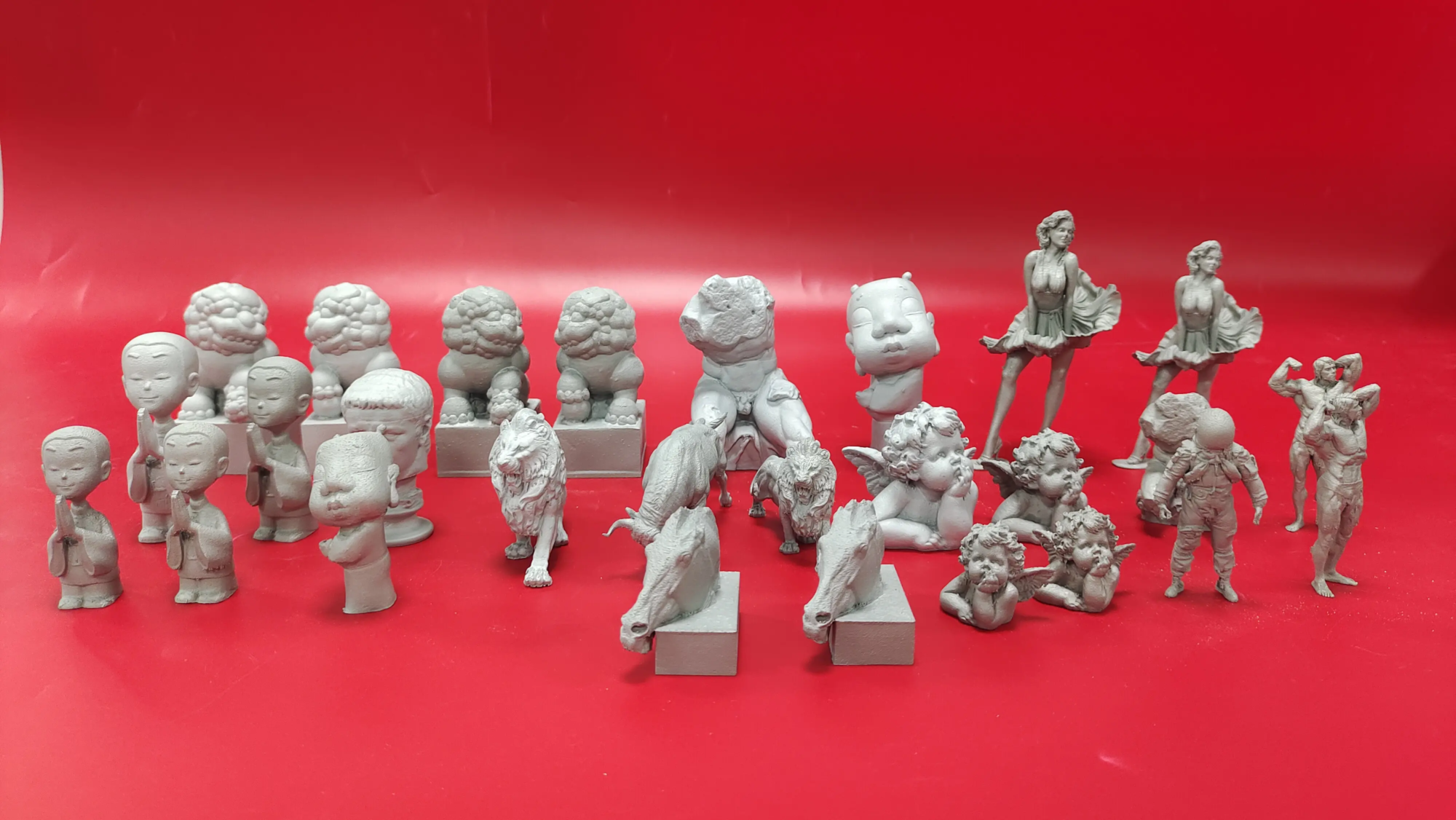
- Advantages of SLM: Create incredibly powerful, complex structures that cannot be forged traditionally. Offers true weight, feel, metallic sheen and durability of historic armor. This leads to functional heirloom quality works.
- Trust experts: Handling reactive metal powders and multi-million dollar SLM machines requires expertise and professional facilities. Work with experienced rapid prototype manufacturers Great Not only is it convenient; it is crucial for safety, quality and achieve amazing results. Their advanced SLM equipment and deep metallurgy expertise ensure that your digital helmet perfectly translates to metal reality.
- Material selection: Greatlight offers a wide range of metal powders – steel alloys for historical weight and strength, lightweight but robust titanium or corrosion-resistant aluminum – suitable for your budget and the aesthetic/functional properties you need.
Alchemist’s Touch: Postprocessing and Completion
The original print is just blank slate. Completely turn it into a masterpiece. The process between plastic and metal is significantly different.
-
Plastic Improvements (Common DIY):
- Clean up: Remove the support and carefully start to rough (100-200 particle size) and become smooth (400-1000+ grit). Fill the sealing layer of primer or epoxy putty (for example, Bondo) again sand.
- Surface Magic: Starting will produce a unified foundation. Authenticity with painting: metal paint (spray or spray gun), used for weathered acrylic washing, dry brushing to highlights. A protective sheer jacket locks it in.
- Comfort and wear: Install fixed absorbing impact foam filler (EVA foam, lined vinyl) fixed with contact cement. Add an adjustable belt or buckle to give it a safe, comfortable fit.
- Metal Mastery (Professional Finish):
- Go beyond DIY limits: Metal parts directly from SLM require professional finishing. This is a full-service partner Great Truly shine.
- Professional Services: They handle key steps professionally:
- Support removal: Be careful to get rid of the complex metal support structure.
- Surface reinforcement: Sand blue for uniform texture, precise grinding, CNC machining, for critical interfaces, highlight polishing mirrors for mirror finishes.
- Advanced treatment: Apply durable paints such as anodizers (for aluminum/aluminum alloys), pink paints, hot blue on steel or specialized plates based on your vision.
- Non-destructive testing (NDT): Techniques such as dye penetrant inspection ensure absolute structural integrity – essential for wearable capabilities.
- Filling integration: The final foam filler and belt are usually user-installed once the metal finish is finished.
Conclusion: Your helm, innovation and forgery
The journey from 3D models to holding a tangible knight at the helm is a profound reward. With desktop printers, patience and craftsmanship, the plastic helmet has achieved impressive results. However, the peak lies in Metal 3D printingUnlock unrivaled power, historical authenticity and eternal quality with advanced SLM technology.
For those seeking this metal excellence without investing in industrial-scale equipment Greglight is ready. As a leading rapid prototyping company based in China, focusing on professionalism and solving complex prototyping challenges, they have State-of-the-art SLM printers, deep technical expertise in metal powder behavior and comprehensive in-house post-processing facilities. They’re Customization, fast turnover, competitive price and one-stop sorting service Meaning your dream Real metal Knight Helm is closer than expected.
Are you ready to forge your legacy? Embrace the DIY spirit for plastic models, or work with experts like Greatlight to bring real metal helmets to life. Walk into your new armor and answer the phone.
Knight Helm DIY: FAQ (FAQ)
-
How long does it take to 3D-print a knight helmet?
- Plastic (DIY): A lot of changes. It can take 30-50 hours to print a piece of a simple helmet on a large printer. A complex signature helmet divided into several parts can take 150-300+ hours of total printing time plus assembly/tidying time (days/week).
- Metal (Professional Service):SLM printing time is usually faster per part, but depends on size/laser count. Delivery time mainly involves scheduling, post-processing complexity (polishing, coating) and logistics. Expected in How many days to weeks From famous services like Greatlight, they prioritize rapid production. Get quotes with a specific design for accurate timing.
-
Should I use the most powerful material for functional appearance?
- For plastics: PETG or ABS provides good impact/weight ratio wearable capabilities. Avoid thin slices. Strength comes from design and fill density.
- For real features and heirloom durability: Metal It is unparalleled. Stainless steel or titanium alloys printed through SLM provide true strength suitable for reenactment armor (compliance with social rules) and previous generations. Greatlight specializes in these high-performance metal alloys And ensure that the final part meets strict requirements.
-
Can I really print a 3D helmet with actual metal? how?
- Absolutely! This technology is called Selective laser melting (SLM) or direct metal laser sintering (DML). It uses powerful lasers to build objects layer by layer from high-quality metal powders such as steel, titanium or aluminum alloys.
- Accessibility: Although the printer itself is industrial and expensive, it is professional Rapid prototyping services, such as Greatlight Make this technology accessible. You provide them with your Verified 3D model (in STL or Step File)select your metal material and then handle complex printing and post-processing.
-
How much does a DIY 3D printed knight helmet cost?
- Plastic (DIY material): The filament costs range from $20-$70+ depending on size/plastic type/filling. Plus adhesive, sandpaper, paint, filler, foam and belt (approximately $30-$100+ extra).
- Metal (Professional Service): The cost is higher due to the material (metal powder) and complex manufacturing. Steel helmets could extend from a simple design of several hundred dollars to over $1,000 for large complex pieces in titanium alloys with complex finishing. Greglight offers competitive prices for custom metal parts;Contacting with your specific design is the only way to accurately quote reflects size, material selection, post-processing requirements and volume.
-
Can 3D printed helmets be safe to fight or repeat?
- Plastic helmets: Usually unsafe. PLA, PETG or ABS cannot reliably withstand the effects of weapons such as steel. They are ideal Role-playing, display or LARP (light role-playing) Strict safety rules regarding weapon contact.
- Metal Helmet (SLM): Have potential Re-execute use, but adhere to strict standards. SLM printed steel or titanium parts may be unusually strong. However, the ultimate applicability depends on:
- Material grade and thickness: Use the appropriate certified alloy.
- design: Designed for impact resistance.
- Post-processing and inspection: Heat treatment and NDT (e.g. dye penetrant inspection provided Great) is crucial for detecting any defects and ensuring structural integrity. Always consult your reenactment team’s specific armor safety standards before relying on any helmet for combat simulation.
- How do I get a smooth, shiny "Forged metal" look? How about completing metal prints?
- Professional processing is the key: Achieving a perfect surface on original SLM metal parts requires a lot of expertise:
- Professional skills: Processing (CNC), grinding, abrasive polishing (tuning, vibration) and potential electrochemical polishing achieve smoothness. High lift polishing creates the gloss of the mirror.
- Durable coatings: Anodized (AL), powder coating or coating adds color and protection.
- feasibility: These completion steps require industrial equipment and skills. Greglight’s integrated post-processing service covers the entire spectrum – From removal of SLM support structures to final polishing and protective coatings – Provides a coveted, authentic metal-shaped look. For complex shapes such as Helms, professional finishes are not optional. This is a necessary condition for safety and aesthetics.
- Professional processing is the key: Achieving a perfect surface on original SLM metal parts requires a lot of expertise: