DIY 3D printed night vision gear: Unlock night vision on a budget
For decades, night vision technology felt like the preserve of elite military units or movie producers with Hollywood budgets. Frustratingly expensive, complicated, and inaccessible to hobbyists. But the convergence of accessible digital technology and advanced manufacturing technologies like 3D printing has democratized this capability. Ambitious DIY enthusiasts can now build surprisingly effective night vision devices on their workbenches.
The appeal is obvious: imagine nighttime wildlife observation, protecting your property after dark, navigating a campsite without the glare of a headlamp, or just exploring the hidden nocturnal world. While commercial units offer plug-and-play convenience, building your own is an extremely rewarding engineering challenge, offering unparalleled customization at a fraction of the cost.
What makes DIY night vision possible?
Modern DIY night vision goggles (often called digital night vision goggles) rely on several key components:
- Image sensor: Typically sensitive CMOS camera sensors, such as those found in security cameras, are capable of observing in very low light or near-infrared (nIR) conditions.
- Infrared lighting: Since most "night[(out">https://www.youtube.com/watch?v=djV11Xbc914)]" When a scene lacks light, powerful infrared (IR) illuminators flood the area with light invisible to mammals (bats avoid IR light). Think of it as an infrared flashlight.
- Optics: The lens focuses the reflected infrared light onto the sensor and presents the image to your eyes (or monitor).
- show: A small screen (such as an OLED display) that displays a magnified image from the sensor.
- brain: A microcontroller (such as a Raspberry Pi or Arduino) or specialized board processes the sensor signals and drives the display.
- Key shell: Accommodate all this complexity safely and ergonomically, protecting it from the elements and impacts of the elements.
Why 3D printing is indispensable
This is where 3D printing really works its magic. Commercially available enclosures rarely fit perfectly into a custom DIY build. 3D printing allows:
- Perfect fit: The housing is designed to accommodate your Specific camera sensor, display, battery pack and wiring layout. No more cracking plastic project boxes! Very durable filament best suited for demanding applications.
- Ergonomic customization: Customize the binocular or monocular design to your facial structure to ensure comfort during extended use. Add mounting points for shoulder straps, helmets or tripods.
- Optimized optics: Create precise adapters that firmly align lenses with sensors and displays to maximize image quality. Dusting is also easier.
- Component Protection: Design shock-absorbing mounts, dust covers, waterproof seals (use compliant materials or printed gaskets), and sturdy battery boxes.
- Iterative design: Rapid prototyping. Test designs, identify defects, modify CAD models and print improved versions overnight. This flexibility is critical for complex assemblies.
Basic components and build notes:
While designs vary, core elements typically include:
- sensor: Common choices include low-light sensors such as the SDW9832, IMX291 or STARKER SL36. Know their sensitivity level (measured in lux) and resolution.
- Illuminator: Buy or build a powerful (~850nm or 940nm wavelength) IR LED. Consider beam angle and power requirements/consumption. Heat dissipation is important!
- exhibit: Small OLED/TFT screen. Consider resolution, refresh rate (to reduce motion blur), and eye relief (distance from the eyes).
- strength: Effective voltage regulation is critical. Rechargeable lithium polymer/lithium ion batteries are preferred.
- Electronic products: Unify everything. The Raspberry Pi Zero W is widely used to drive sensors/displays and even add on-screen display (OSD) or WiFi streaming capabilities.
- lens: Focal length is important! Typically, a 16mm or 25mm lens works well. Use M12 mount lens for compatibility.
Simplified build process:
- design: Model the shell in CAD software (Fusion 360, SolidWorks, FreeCAD). Pay careful attention to component placement, wiring paths, ventilation, and mounting points.
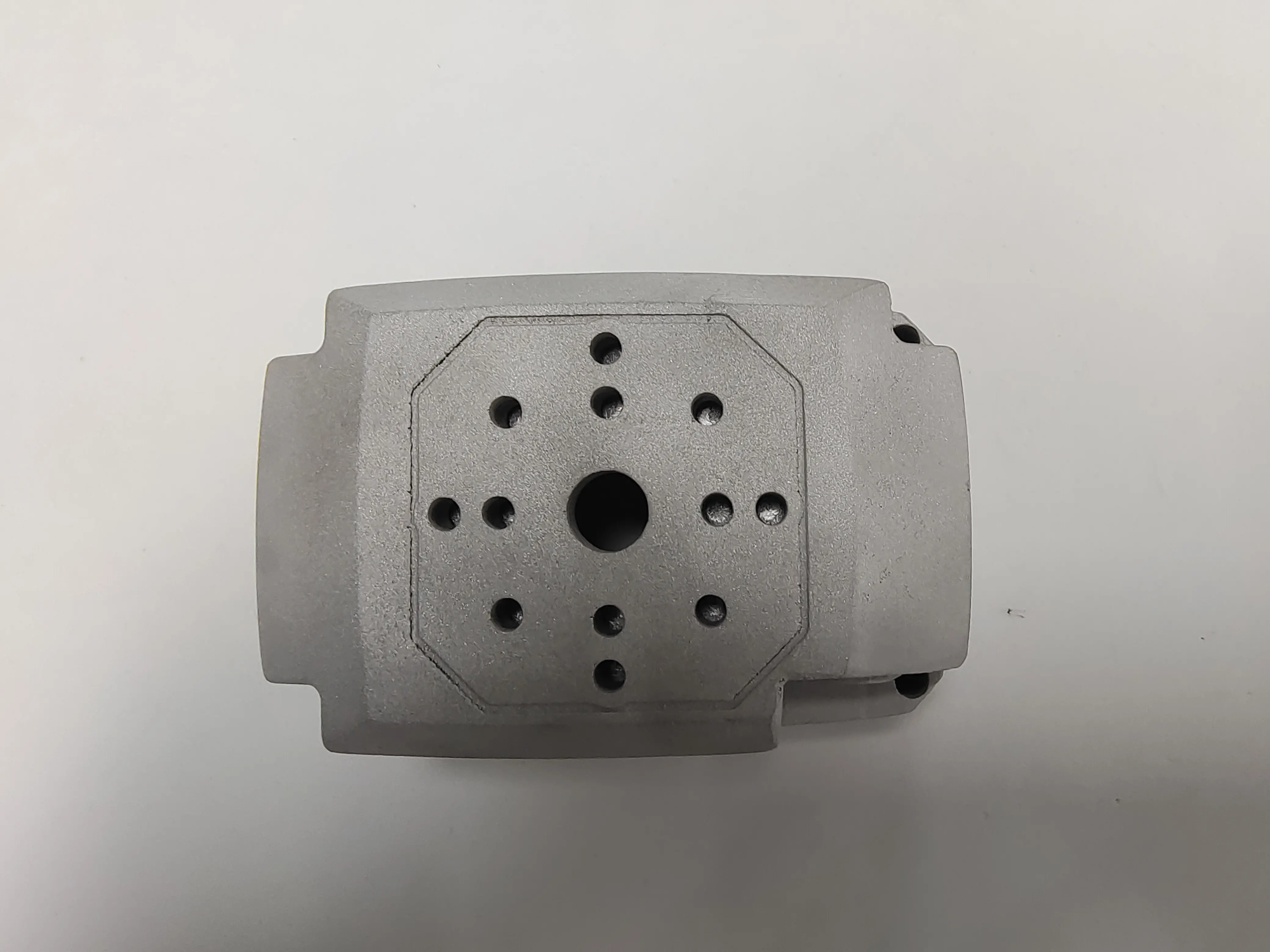
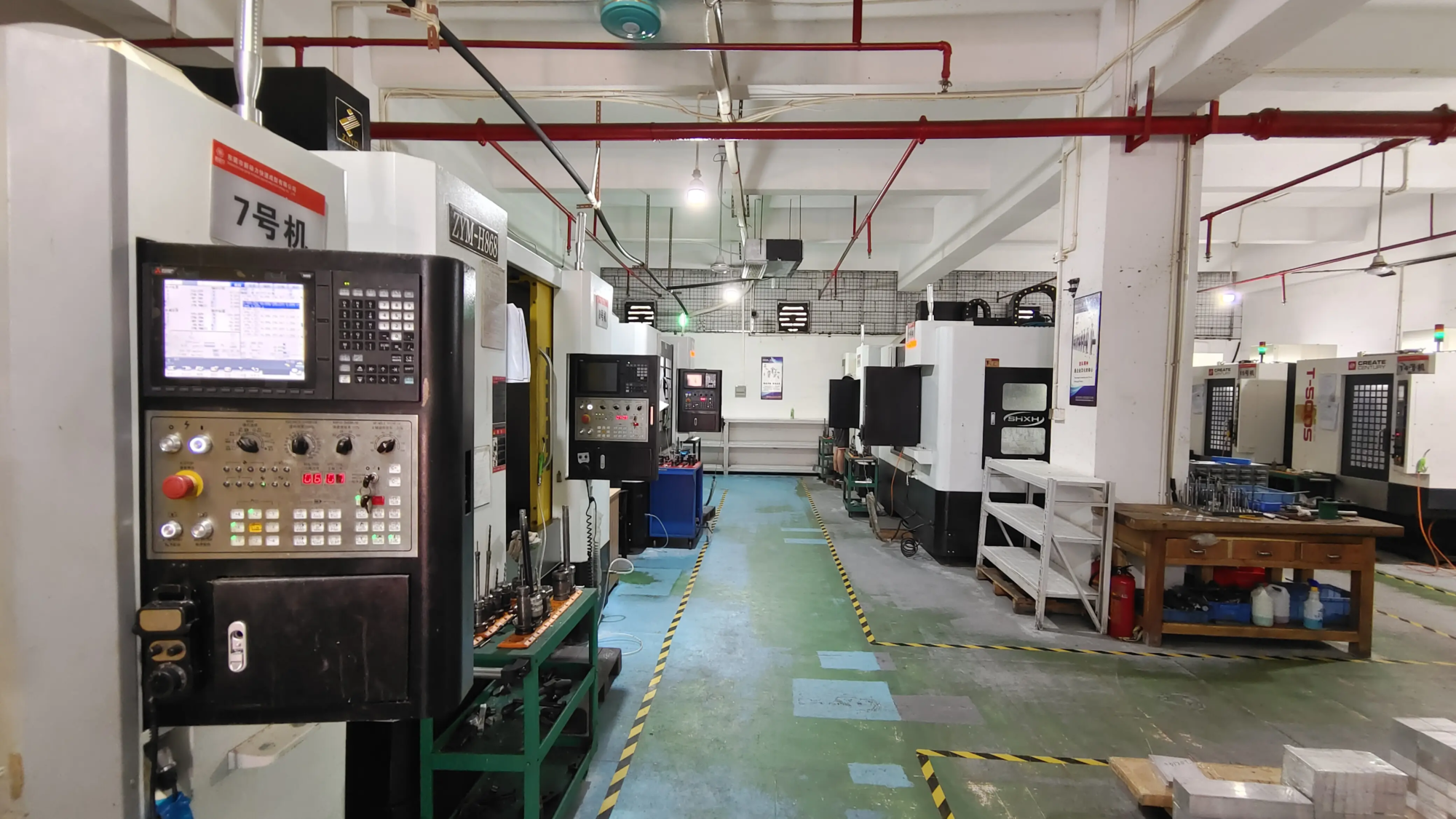
- Print: Use durable, rigid thermoplastics (e.g. ABS, PETG) for core structure or flexible TPU for seals/gaskets. Optimize layer adhesion and packing density (30-50%+) to increase strength. This is the advantage of GreatLight: If your DIY goals include complex metal mounts (for optics, sensors, or structural integrity) or require extremely smooth, durable plastic parts printed from industrial-grade resin using technologies like SLS() or SLA(), services like GreatLight offer unparalleled functionality. Utilizing advanced SLM (Selective Laser Melting) and MJF (Multiple Jet Fusion) technologies, they can produce precision metal bushings, lens mounts or reinforced housing parts that can withstand significant stress and temperature fluctuations, bringing industrial robustness to your Chinese DIY masterpiece and enabling rapid prototyping projects at competitive prices.
- gather: Carefully install all components into the printed housing. Ensures excellent cable management. Insulate exposed terminals!
- calibration: Aim the lens precisely. Focus the objective (capture) and eyepiece (observation). If possible, adjust display settings.
- Integrated power and test: Connect the battery securely. Power up in a dark room with infrared illumination and verify functionality at different ranges.
- seal: Apply silicone sealant if necessary to prevent dust/moisture from entering.
- Install: Add shoulder straps, helmet mount or tripod as needed.
Challenges and Safety
- Image sensor limitations: DIY systems are no match for 3rd/4th generation military grade NVG. Expect some lag, the possibility of spillover in bright spots, and reduced signal strength in really dark environments.
- Weed: Poorly assembled electronic equipment presents a fire risk.
- Infrared awareness: Remember, other NV users (or wildlife cameras) able Look at your infrared illuminator. Proceed with caution. Protect personal safety.
- High power infrared: