Tired of Tetris in your tone? Make the perfect sound with DIY 3D printed pedals (metal version!)
For guitarists and bassists, the pursuit of perfect tone often involves increasing pedals. But organizing them becomes a puzzle, tied to physical and ready-made pedal restrictions. You end up playing Tetris with the tone bender, struggling at awkward angles, unstable stacking and functional compromises. If you can design Accurate Basics of your unique pedal collection and play style needs? Entering the DIY field Metal 3D Printed Pedals – A revolution organized on stage or in the studio, powered by cutting-edge manufacturing.
Beyond Plywood and Plastics: Why 3D printing of pedals (especially metal)?
Traditional pedals come in fixed sizes and layouts. Modifying them involves messy drilling, sawing and hope your measurements are perfect. Mass-produced metal sheets provide durability, but are hardly customized. This is 3D printingspecial Selective laser melting (SLM) For metal, shine:
- Unprecedented customization: Imagine designing a precisely contoured board to fit your pedal Exactlywith perfectly spaced mounting holes, integrated cable routing channels specifically for patch cables, tilting layers at the best foot at your fingertips, dedicated points for DI boxes or unique controllers, and where the power is plugged in. Using 3D design software (such as Fusion 360, freecad, freecad or shapr3d), The only one Limitations are your imagination and engineering. Here are the digital strings of your pedal chain!
- Optimized weight and rigidity: SLM 3D Printing is good at creating incredibly powerful but lightweight Metal structure. By using intelligent design using generative techniques such as topological optimization, only materials are placed where structure is essential. Compared to geometric fill patterns, a durable aluminum alloy frame with geometric fill patterns provides excellent load-bearing strength while significantly reducing weight compared to a bulky welded steel frame commonly found in solid aluminum sheets or professional sheets. Touring musicians pay attention!
- Integrated features: Why stick to a flat surface? Seamless integration features Enter design:
- Cable management paradise: The internal channel completely hides the patch cable and power cable. It’s exactly where you need it.
- Built-in power rack: Design brackets or grooves to perfectly fit your Voodoo Lab, CIOKS or TRUETONE unit, locking it firmly without Velcro.
- Access hatch: Easily replace cables or batteries without removing all batteries.
- Inclined and layered design: Achieve perfect ergonomic pedal placement for seamless performance transitions.
- Unique aesthetics: It is impossible to create fluid, organic shapes or razor angle designs through traditional manufacturing. Anodized to open to custom colors.
- Durable Metals Only available: Forget cracked plastic or water-woven plywood. SLM-printed aluminum pedals are corrosion-resistant, have high impact strength and thermal stability. They shrugged, beer spilled, tour truck rolled and enthusiastic solos kept stomping. This is a professional-grade equipment that can last.
DIY 3D printed pedal journey (utilization services like Greatlime):
-
Concept and design:
- Measure everything: Your pedals (including jack and knob!), power size, preferred layout. Outline it.
- CAD mastery: Convert your sketch to 3D model. Focus on precise tolerances (jack, holes in pedal mounts), wall thickness (balanced strength and weight), cable routing paths and mounting points. Use parameter modeling, so future pedal swaps are easier!
- Structural optimization: This is where metal printing shines. Design beams with internal lattice structure or load path optimization. Avoid unnecessary volume. The software can simulate stress.
- Add professional style: Consider features such as rubber foot mounts, carry handle accessories, or brand elements.
-
Material selection:
- Aluminum alloy (ALSI10MG, ScalMalloy): Optimal position of the pedal: lightweight, strong, corrosion resistant, excellent thermal/conductivity (for grounding), and relative cost-effectiveness for metal prototypes/production. Great for SLM.
-
Work with professional SLM providers:
- Why not print on desktop plastic? While home FDM printers can make boards (usually PLA, PETG or ABS), they lack rigidity, long-term durability, heat/corrosion resistance, and professional finishes of metals. They are more curved under load and are easy to wear. Metal SLM is a superior choice for truly professional, reliable tools.
- Why big? This is where it is crucial to leverage expertise:
- High-precision SLM equipment: Ability to build complex, detailed metal geometry with fine resolution and excellent surface quality.
- Stress-free expertise: Minimizing warpage and internal pressure is critical to the flatness and accuracy of the pedal.
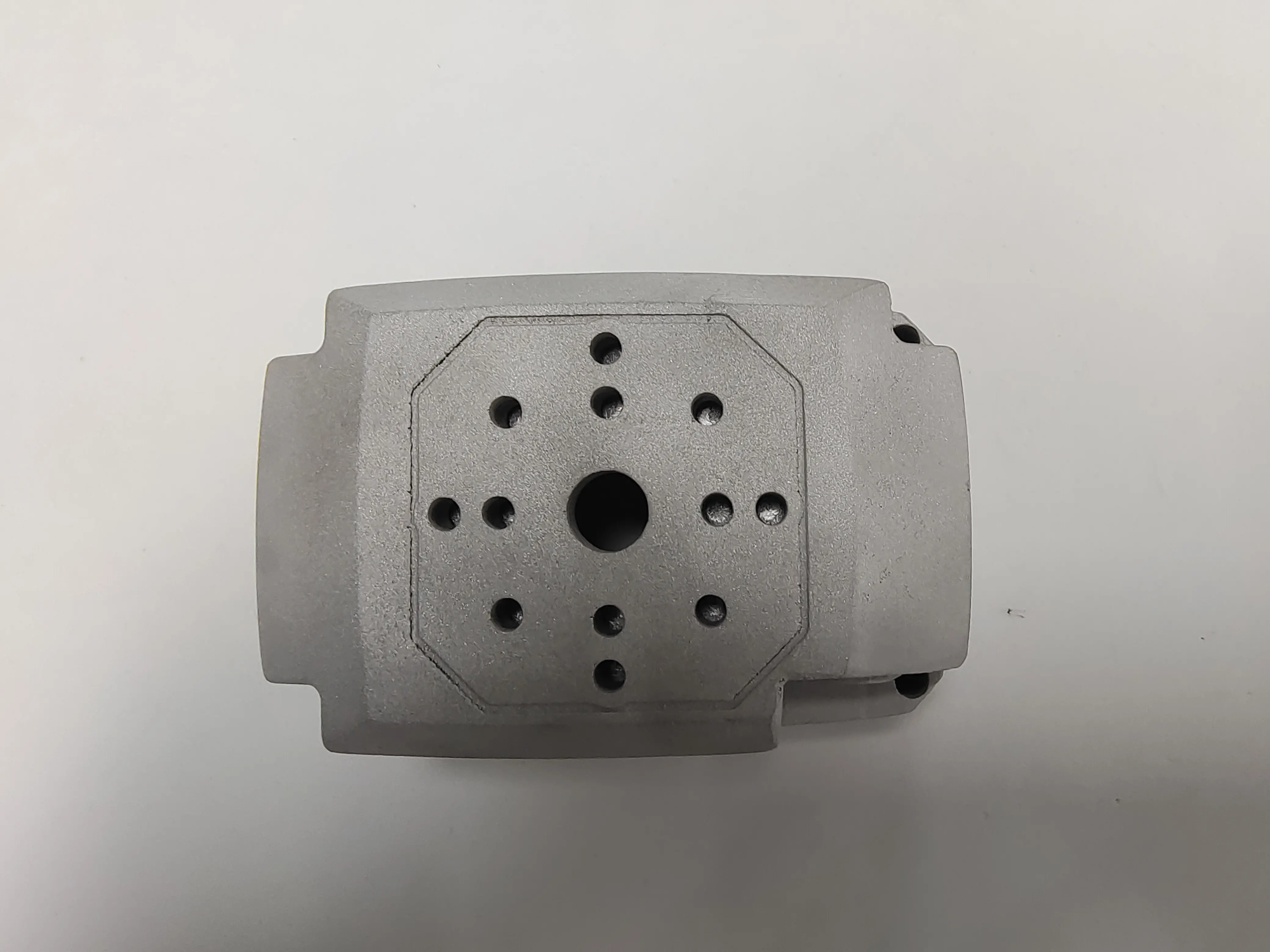
- Advanced post-processing: Crucially, services such as Greatlime include machining precision faces to ensure absolute flatness, finishing (burst, polish) as well as high-quality anodization of colors (such as classic black or vibrant blue/red) and scratch resistance. These steps are crucial for professional-level results.
- Material Knowledge: Ensure that the selected aluminum alloy and printing parameters are ideal for the mechanical needs of the pedal.
- Rapid prototyping: Need design adjustments? It may be possible for SLM service providers to iterate quickly.
- assembly:
- Install: Secure the pedal with screws (through preprinted holes) or hook and loop tape placed on a professional flat surface. Enjoy the precise fit!
- cable: Revel in your custom cable management. Experience the cleanest rig ever.
- strength: Pin your supply to a dedicated location, plug it into and route the connector.
- Final touch: Add rubber feet to grip and tilt. If you design, please connect the handle.
Why choose professional metal solutions and plastics?
Although the DIY plastic pedal is a fun entrance, serious musicians need serious gear. Metal DIY surpasses SLM:
- Unrivaled durability: Live on the road.
- Superior rigidity: No pedal movement, no elastic tone sucking.
- Heat/corrosiveness: After the spilled beverage, it will not warp or degrade on the hot truck.
- Professional aesthetics and finishes: High quality anode The appearance and feel of high quality.
- longevity: An investment that protects your pedal investment.
Greglime: Your partner in precision metal pedal prototyping and production
exist Greatour precise additive manufacturing of life and breathe. Our Advanced SLM 3D printing technologydeep materials science expertise (especially in high-performance aluminum alloys) and comprehensive internal Post-processing function (including precision machining and anodizing) is the ideal solution for producing truly excellent custom metal pedals.
We specialize in:
- Rapid prototyping: Bring your unique design concepts faster than ever before. Quick test iteration.
- End-use partial production: Our processes ensure reliable, reliable components are ready for the stage.
- One-stop postal processing: From ensuring the installation surface of the super platform to the durable anode finish, we handle it according to the requirements of the precise professional.
- Solve complex challenges: Your unique installation requirements or space limitations are the engineering difficulties we want to solve.
Whether you are an innovative pedal designer, tour professional or picky pedal connoisseur to build the final rig, our features take the DIY pedal concept to a professional level reality. We offer world-class Best Rapid Prototyping The solution tailored to your exact requirements bridges the gap between vision and powerful high-performance metal masterpieces.
in conclusion
The era of struggling with universal, eclectic pedals is over. DIY 3D printed pedals and unrivaled freedom by professional metal additive manufacturing services such as provided by Greatlight. It’s more than just gripping the pedal; it’s about the ultimate, specially built platform carefully crafted for your unique voice identity. Imagine boards designed around precise pedal sizes, exact cable routing requirements, ideal layer angles, and perfect aesthetics, all presented in strong, lightweight and corrosion-resistant metals.
By leveraging SLM 3D printing, you can use traditional materials and methods to access impossible customization and integration features, combined with the professional durability and finishes required for demanding stage or studio use. It’s changed "Do it yourself" Enter "Perfect design, professional manufacturing," The core of your rig leads to the same unique and resilient as your sound. If you are ready to get rid of the limitations of the ready and develop the ultimate foundation for your tone, explore the possibilities of customizing metal 3D printed pedals.
FAQ: DIY Metal 3D Printed Pedals
Q: Isn’t 3D printed plastic cheap? Why choose metal?
A: While initial plastic prints may be cheaper, they lack the key advantages of metal. SLM printed aluminum is significantly more durable, rigid (prevents bending and pedal movement), heat resistant, corrosion resistant, and provides a more professional look and feel. Metal is an outstanding investment for a tour rig or a long-lasting studio board.
Q: Which aluminum alloys are the best and why? What about corrosion?
A: ALSI10MG is the most common and best choice: due to the formation of surface oxide layers, it is strong, lightweight, good thermal properties and natural corrosion resistance. Hydrophobic coatings or protective anodization significantly enhance corrosion resistance. The anodized aluminum surface is very durable for scratches and stains.
Q: How strong are 3D printed metal pedals? Can it handle tours?
A: Metal pedals are very powerful when correctly designed and printed using professional SLM processes such as Greatlight. They can easily withstand the weight of numerous pedals, heavy stomps, and strict performances and transportation. SLM parts can achieve comparable strength even comparable to traditionally cast aluminum parts.
Q: How does the weight compare to standard aluminum or steel pedals?
A: Due to the intelligent and lightweight design (internal lattice, optimized structure), SLM printed aluminum plates may be much lighter than solid aluminum plates or steel plates. They provide high-strength ratios, making them portable in size and capability. Expect them to be lighter than solid panels, but may be heavier than plywood with minimal frames – the trade-off is unrivaled for durability and rigidity.
Q: How much does it cost?
A: Costs vary greatly based on size, complexity (internal routing, layered design), material volume, metal alloy selected, and the required finishing (for flat machining/grinding, anodizing). SLM Metal Pedalboards are more expensive than DIY wood or ready-made plastic boards, but offer unique value for professional-grade custom equipment solutions. They represent an investment in a piece of equipment that is perfect for your needs and continues indefinitely.
Q: What design software do I need?
A: CAD software that is able to create high-precision solid/surface models is crucial. Popular options include Autodesk Fusion 360 (free for amateurs/startups), Solidworks, Onshape, and Freecad. You need a basic level of designing parts with accurate dimensions, holes, thin walls and potentially complex geometry.
Q: Can Greatlight help me with design?
one: Absolutely! As one The best rapid prototype companyGreatlight specializes in the design of additive manufacturing (DFAM). Our engineering team provides consulting services to optimize your pedal model, which ensures your design performs well and prints perfectly with SLM, strength and lightweight functionality.
Ready to stop compromise and start creating? Embrace the future of pedals. Greglime is your expert partner for high-precision, custom metal SLM 3D printing and finishing to transform your field of vision into the ultimate platform for sound. Work with us to make the perfect rig foundation.