Embrace customization: Your final guide to making 3D printed phone holders
Tired of a fragile universal phone rack that doesn’t suit your aesthetics or devices? The solution might be to sit (or print) in your workshop. Creating your own 3D printed phone holder is a meaningful attempt to the world of DIY manufacturing and personalized technology accessories. This guide will take you through the process, from concept to completion, and explore when it’s time to seek professional help.
Why DIY 3D printed phone holders?
- Perfect for: Design a stand that is fixed to the size of the phone, the thickness of the case, and even prefer the viewing angle.
- Endless customization: Beyond basic shapes. Add logo, textured grip, cable management channels, charging openings or unique artistic elements.
- Cost-effective: Once there is a printer, the material cost per holder is small, especially for bulky designs that may be more commercially costly.
- Learning and Experiment: Awesome project for beginners to learn the basics of CAD and printer operations or veterans to test new technologies.
- Sustainability: Take advantage of durable filaments and eliminate packaging waste associated with purchasing new accessories.
Your step-by-step DIY guide:
-
Concept and design: Digital blueprint
- Know your needs: How will you use it? Desktop viewing? Kitchen recipes? Recharge at the bedside? Angle or vertical? Measure accurately on your phone (with a case!) for measurement.
- Select your design path:
- CAD modeling (control is recommended): Create a simple holder with beginner-friendly tools like Tinkercad or Fusion 360. Key elements of the design: a stable base, a cradle or slot of the phone (make sure to hold the side!), and it may also be a cutout in the charging cable.
- Existing Models (Quick Start): Platforms like Thingiverse, Printables, or Cults3D offer thousands of free designs. Search by phone model or style. Make sure the check size matches your device. Popular designs include minimalist shelves, articulated weapons and grips similar to game controllers.
- Design notes:
- Stablize: A wide low-profile base prevents tilting.
- Keep the phone number: Hold enough grip on the sides (1-2mm gap per side) without being too tight. The tapered slot or spring structure works well. Consider adding small lips to the base.
- Material strength: It is important to correctly position the print. The force (such as phone weight) should ideally be parallel to the printing layer, rather than perpendicular to avoiding delamination. Strengthen stress points.
- Cable access: Make sure to have a large number of incisions if needed.
-
Material selection: balancing requirements and printability
- PLA: First choice for beginners. Easy to print, with myriad colors, rigidity, biodegradable. Disadvantages: Can be deformed in hot car/direct sunlight. Ideal for most table stalls.
- PETG: strengthen. More durable, crash-resistant, heat-resistant, and still printable. It is better to handle sunlight than PLA. Excellent all-round functionality for more demanding use.
- ABS/hard resin: For maximum durability and heat resistance. A housing and controlled environment are required to print and release smoke. Unless extremely high power is required, DIY holders are less common.
- TPU/Flexible Filament: Mainly used for inclusion inserts or bumpers on rigid structures to prevent slip/scratch. Print purely flexible holders require direct drive extruder and careful setup.
-
Print Preparation: Slice and Settings
- Slicing software: Import your model (STL file) into slicers such as Kura, prusaslicer, or Simplify3D.
- Key settings:
- Layer height: 0.15mm -0.3mm. Fine layer to smoother surface and details; thicker speed/strength.
- Fill density: 20-30% is usually enough. Use capability or strength to weight ratio of cubic patterns.
- Perimeter/Wall: 2-4. More walls will greatly increase strength, especially for protecting your phone.
- support: It is crucial for overhangs > 45 degrees (such as the front lip of the cradle). If your slicer has a tree placed, use the tree to support less material and is easier to remove.
- Edge/raft: The edges help small bases adhere to the building panels. Trouble material or uneven beds may require a raft.
- direction: Print essential flatness on the bed for maximum adhesion and stability. This minimizes the line where the layer line may break under downward pressure.
- Verification and Slicing: Use preview mode to check support and tool paths. Export the G code.
-
Print and monitor:
- Ensure a clean, flat bed and proper nozzle height (first layer squeeze is crucial!).
- Start the print and closely monitor the first few layers for good adhesion. Calibrate extrusion multiplier/flow if less/overextrusion.
- Post-processing: Complete touch
- Support removal: Carefully use a rinse cutter or tweezers to cut off the support. Clean up any residual nuclear weapons that support the touch model.
- Grinding: Gradually use finer gravel (e.g., 120->220->400), especially in visible areas. Wear a mask.
- Glue (if multi-part): Use Superglue (cyanoacrylate) designed for plastic or specific PLA/PETG adhesives.
- Completed (optional): Prime and Prays paint in custom colors. Use epoxy to make a glossy, durable jacket. Add felt pads or TPU bumpers for extra grip and scratch prevention.
When DIY reaches limit: Enter professional 3D printing expertise
While the DIY method is great for standard plastic holders, some projects require industrial-grade features. Here, work with professional rapid prototyping services Great Transformative:
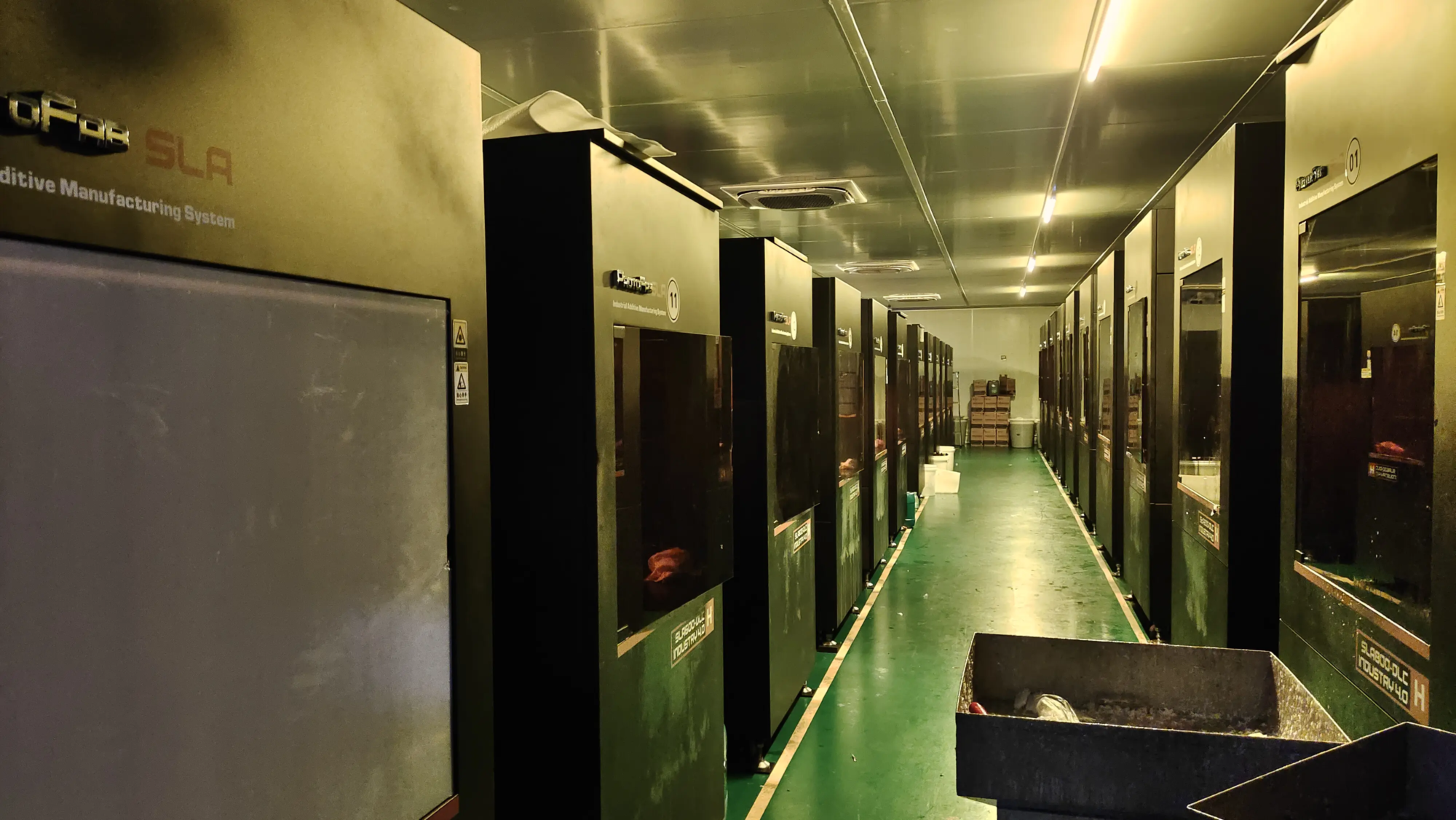
- Beyond Plastics: Need ultra-durable metal brackets (aluminum, stainless steel, titanium)? GRESTLIGHT specialized research SLM (Selective Laser Melting) Metal 3D Printingcreating a solid precision metal component is much more powerful than filament printing.
- Production quality and complexity: Need many of the same units, complex designs with moving parts or impossible details on an FDM printer? Professional machines are excellent with high resolution and repeatability.
- Advanced Materials: Access professional engineering polymers (nylon, PEEK, ULTEM) or composites for extreme performance – heat resistance, drug resistance or weight reduction.
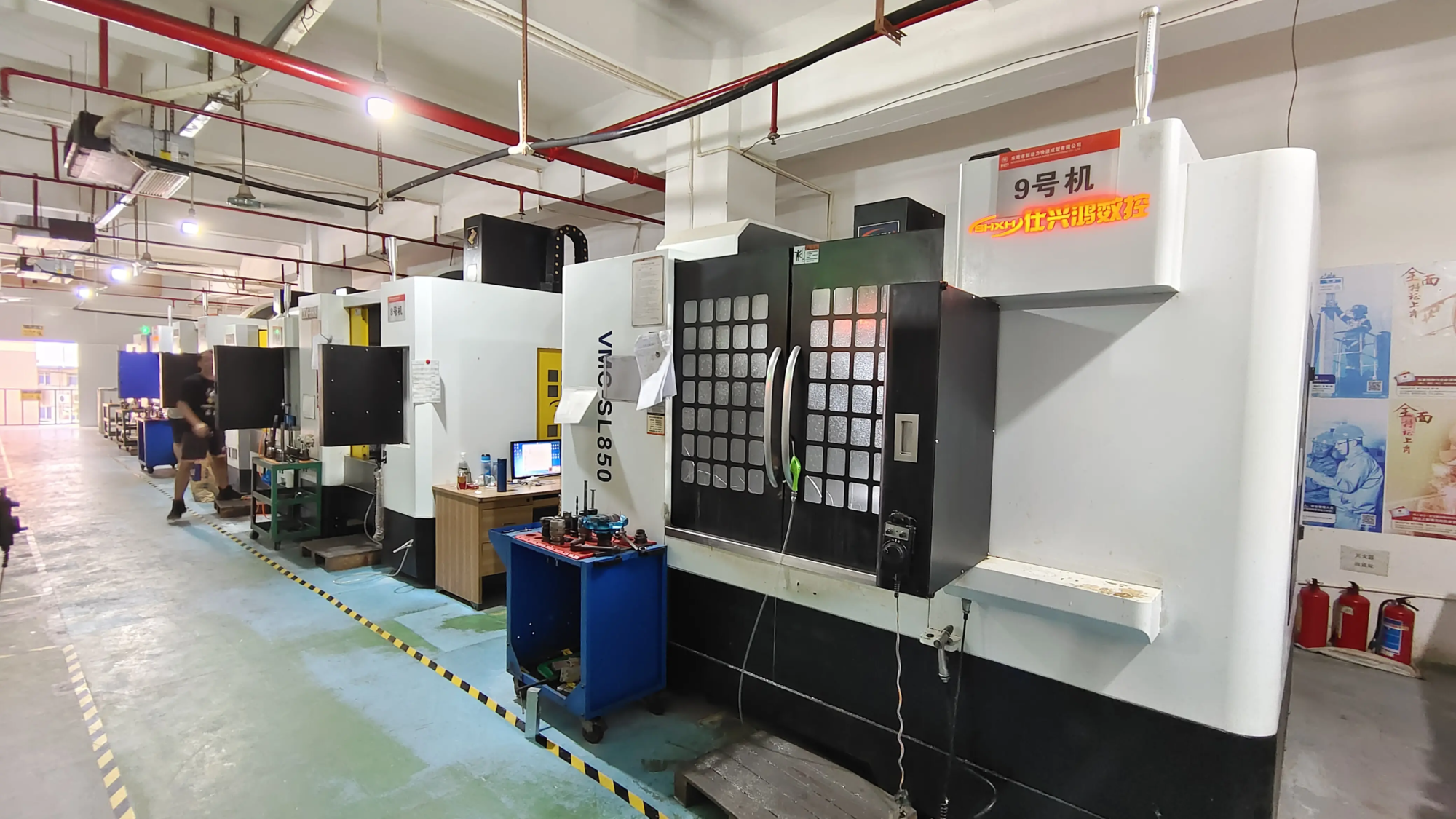
- End: Greglight offer Comprehensive post-processing: Professional CNC machining for dimensional accuracy, powder coating or anodization for beautiful, durable finishes, polished with mirrored gloss, heat treatments for enhanced metallic properties, as well as fine finishes. Your holder is not only practical. This is a premium product.
- Speed and scale: Do you need 10, 100 or even 1,000 units quickly? Professional services like Greatlight have the industrial capability of fast batches, whether for prototyping or limited production operations. "Customize your precision fast prototyping parts now at the best prices!"
Conclusion: Have your technical accessories experience
Designing and printing your own phone holder is a perfectly balanced DIY project: challenging and can be engaging, but can be achieved with careful planning. It enables you to create unique features that suit your device and style. You gain valuable 3D printing skills along the way, opening the door to countless other projects.
For a simple plastic rack? Snooze in and enjoy the manufacturer’s journey! But when your field of view requires stronger materials, metal durability, complex design, precise tolerances or high-quality finishes, remember that expert partners like Greglime, one of the major rapid prototyping companies from Chinathere is a gap that bridges this gap. They combine advanced SLM metal printing, a wide selection of materials and a comprehensive finishing service to solve complex manufacturing challenges and turn ambitious prototypes into stunning functional reality.
Embrace customization – whether it’s at your home printer desk or through industrial innovation. Create an ideal holder that truly reflects your needs.
FAQ: Your 3D Print Phone Holder Questions Answered
-
Q: How strong is a 3D printed phone holder?
- one: Strength depends to a lot on the material, design, print settings and orientation. A well-printed PLA or PETG holder is strong enough for everyday use. Designs that focus on structural integrity (thick walls, low center of gravity) are stronger. For demanding environments or heavy equipment, PET is better than PLA. For maximum durability, consider professional metal printing services such as Greatlight.
-
Q: Can I print a holder and let me charge me when I install my phone?
- one: Absolutely! This is a very common design feature. Include a cutout (slot or hole) at the bottom of the bracket, which is much larger than your charging cable plug to install different cable angles. Make sure your design provides enough space behind the phone to allow the plug to sit safely.
-
Q: What is the best type of first filament for a phone holder?
- one: PLA is usually the best choice for beginners because of its ease of printing, wide availability, low warpage and proper rigidity. Upgrade to PETG Comfort for improved durability and heat resistance.
-
Q: How long does it take for a 3D printed phone holder?
- one: Printing time varies greatly. Small, simple designs for printing with lower mass (0.3 mm height, low fill) can take 1-2 hours. Larger, thicker or detailed designs are easily spent over 6-12 hours in finer resolutions (0.15mm, higher fill/wall). Use slicer software to generate time estimates.
-
Q: I designed a holder, but I don’t have a 3D printer. What choice do I have?
- one: You have two main routes:
- Online printing service: Upload your STL file to a company specializing in printing and transporting parts (the recommended price varies, the cost varies).
- Local manufacturer space/library: Many people usually offer public use of 3D printers for a small fee or membership.
- Professional prototype services (such as Greatlime): For complex designs, specific high-performance materials (such as metals) or require post-treatment (finishing, processing), please use professional prototyping services.
- one: You have two main routes:
- Q: When should I consider using a professional service like Greatlime instead of printing at home?
- one: Consider professional services when needed:
- Metal parts (For extreme durability, heat resistance or a quality feel printed by SLM).
- Highly complex or precise geometric shapes Industrial grade equipment is required.
- Production For home printers, it’s more practical than it is.
- Professional engineering materials (nylon, composite material, high temperature polymer, special metal).
- Professional finish (Smooth polishing, paint, anodizing, powder coating)
- one: Consider professional services when needed:
Unlock the world of personalized technology – start designing today!