

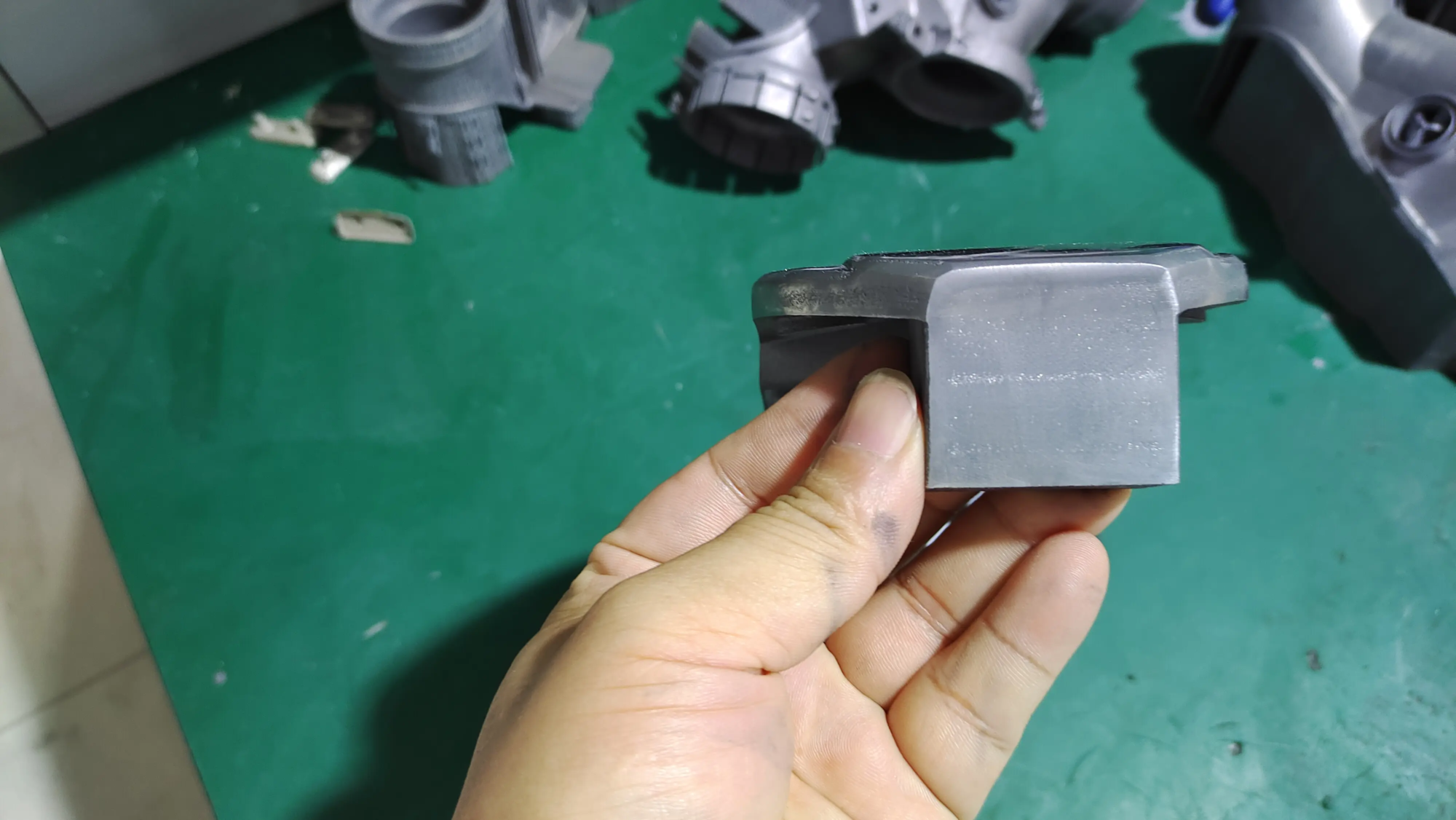
Unleash your productivity: DIY 3D printed tape holder project
Tired of bulky, one-size-fits-all tape dispensers that never fit your workspace or solve your specific tape tasks? Maybe it’s a special tape width, or maybe you crave superior ergonomics or durability. Whatever the reason, designing and printing your own tape dispenser is more than just a fun weekend project – it’s a practical solution tailored just for you your need. By leveraging the convenience of FDM (Fused Deposition Modeling) 3D printing, you gain unprecedented control over form and function.
This project exemplifies the power of rapid prototyping – quickly moving ideas from digital concepts to tangible, usable tools. Let’s take a closer look at how to create a custom allocator.
Why DIY your tape holder?
- Perfect fit: Designed for tape roll diameter and width you The most commonly used (masking tape, packaging tape, washi tape).
- Un_descriptionable Ergonomics: Make a handle that feels comfortable in your handsreducing fatigue during frequent use.
- Enhanced durability: Choose materials with superior resistance to stress or environmental factors compared to flimsy store-bought plastic versions.
- Function customization: Need integrated storage for tape rolls or scissors? Design it yourself to make it possible.
- Personalization: Add a logo, texture, or color scheme that matches the personality of your workspace.
- Cost and Sustainability: May be cheaper than high-end commercial dispensers and can be repaired or modified if needed.
Designing your dispenser: key considerations
Successful design depends on understanding the core mechanics:
-
Hub (core bracket): This cylindrical part holds the tape roll.
- Diameter tolerance: Crucial! Measure the dimensions of your tape roll Inner core diameter. Slightly design the hub diameter smaller (e.g., 0.2-0.5mm) to achieve a tight, friction-fit fixation without crushing the core. Consider the differences between brands of tape.
- Width compatibility: Design the hub width (distance between side flanges) to be slightly wider than the target tape width to accommodate the variation.
- Rotation: Make sure the rotation is smooth. Avoid excessive friction points.
-
sortBlade assembly: Heart of distribution.
- Blade type: Most designs fit standard, replaceable snap-off utility knife blades or specific dispenser blades. Design a secure slot/bracket.
- Bevel groove: Cut the groove at an angle (usually 30-45 degrees) to allow easy tearing of the blade.
- Safety: Features prevent accidental contact with sharp edges when not in use.
- Main body and handle:
- Ergonomics: Contoured handle for a comfortable fit. Avoid sharp corners.
- Stablize: Ensure base footprint provides stability and prevents tipping


