Unleash the Summer Fun: The Ultimate Guide to DIY 3D Printed Water Guns
introduce
Summer brings sunshine, backyard barbecues, and epic water fights. What if you could weaponize your creativity? Introducing the DIY 3D printed water gun—a fusion of engineering ingenuity and childhood nostalgia. Unlike store-bought options, custom 3D printed water guns let you control everything from firepower to aesthetics. At GreatLight, we’ve seen firsthand how available prototyping technology can turn wild ideas into tangible realities. This guide takes an in-depth look at how to build your own hydroejector, combining practical steps with the science of fluid dynamics.
Why DIY? The combination of customization and innovation
Commercial water guns often prioritize flashy design over performance. DIY:
- Tailor-made ergonomics into your control.
- Optimize nozzle design For range/soak coverage.
- Use ecological materials Such as PETG (chemical/UV resistant).
- Repair and upgrade Parts on demand – no single-use plastic waste.
Blueprint Breakdown: Core Components
Functional water guns rely on a synergy between printed and off-the-shelf parts:
-
Printing components (PLA/PETG recommended):
- Body/Reservoir: House water; includes ergonomic contours.
- Pump room: Cylinder used to build up pressure.
- Nozzle array: Replaceable nozzles (0.5 mm for precise flow; 2 mm for spray).
- trigger mechanism: The gear is connected to the pump piston.
- Non-printing supplies:
- Food grade silicone tube (Ø6mm).
- Micro Check Valve ($5 online).
- Spring-loaded piston (adapted from a bicycle pump).
- O-ring for gas-tight sealing.
Design Physics: Design Your Super Soaker
Maximize performance using fluid dynamics principles:
- Pressure efficiency: Short, wide pump strokes deliver more water per stroke than narrow, long strokes (Bernoulli’s principle).
- Nozzle Science: Smaller hole diameter increases velocity but decreases flow rate. Test range and spread of spray angles 45°–60°.
- Failure point: Reinforce threaded connections (+0.5mm tolerance) and add gussets to load-bearing joints.
Pro Tip: Simulate pressure loads in CAD software like Fusion 360 before printing.
Step by step assembly
-
Print settings:
- Layer height: 0.15mm for smooth sealing.
- The pressure chamber is 100% filled.
- Epoxy post-printing waterproofing.
-
Assembly order:
→ Connect the tubing to the reservoir outlet.
→ Insert the non-return valve (direction: towards the nozzle).
→ Install the piston in the pump cylinder (lubricate with silicone grease).
→ Secure the trigger rod to the piston rod.
→ Snap-on nozzle assembly. - Leak test:
Immerse pressurized parts in water; watch for air bubbles. If necessary, replace the O-ring or reprint the deformed part.
FAQ Troubleshooting
- Weak current:
Reason: The piston head is leaking. Fix: Tighten O-ring or increase spring tension. - Often blocked:
Reason: There is debris in the nozzle. Fix: Add mesh filter upstream. - Reservoir rupture:
Reason: thin wall or poor adhesion between layers. Fix: Reprint using PETG (higher impact resistance).
Security and Maintenance
- Toxic-Free Compliance: Only use filaments that are FDA approved for safety (e.g. PETG).
- Pressure Limit: Never exceed 40 PSI (monitor with a pressure gauge).
- Aftercare: Rinse interior after use; store disassembled.
in conclusion
Making a 3D printed water gun blends STEM learning with pure, splashy joy. This proves that prototyping can empower consumers – no longer just accepting off-the-shelf limitations. From optimizing nozzle design to creating tactile triggers, every iteration drives innovation. When DIY desires outgrow hobbyist printers, professional rapid prototyping can bridge the gap.
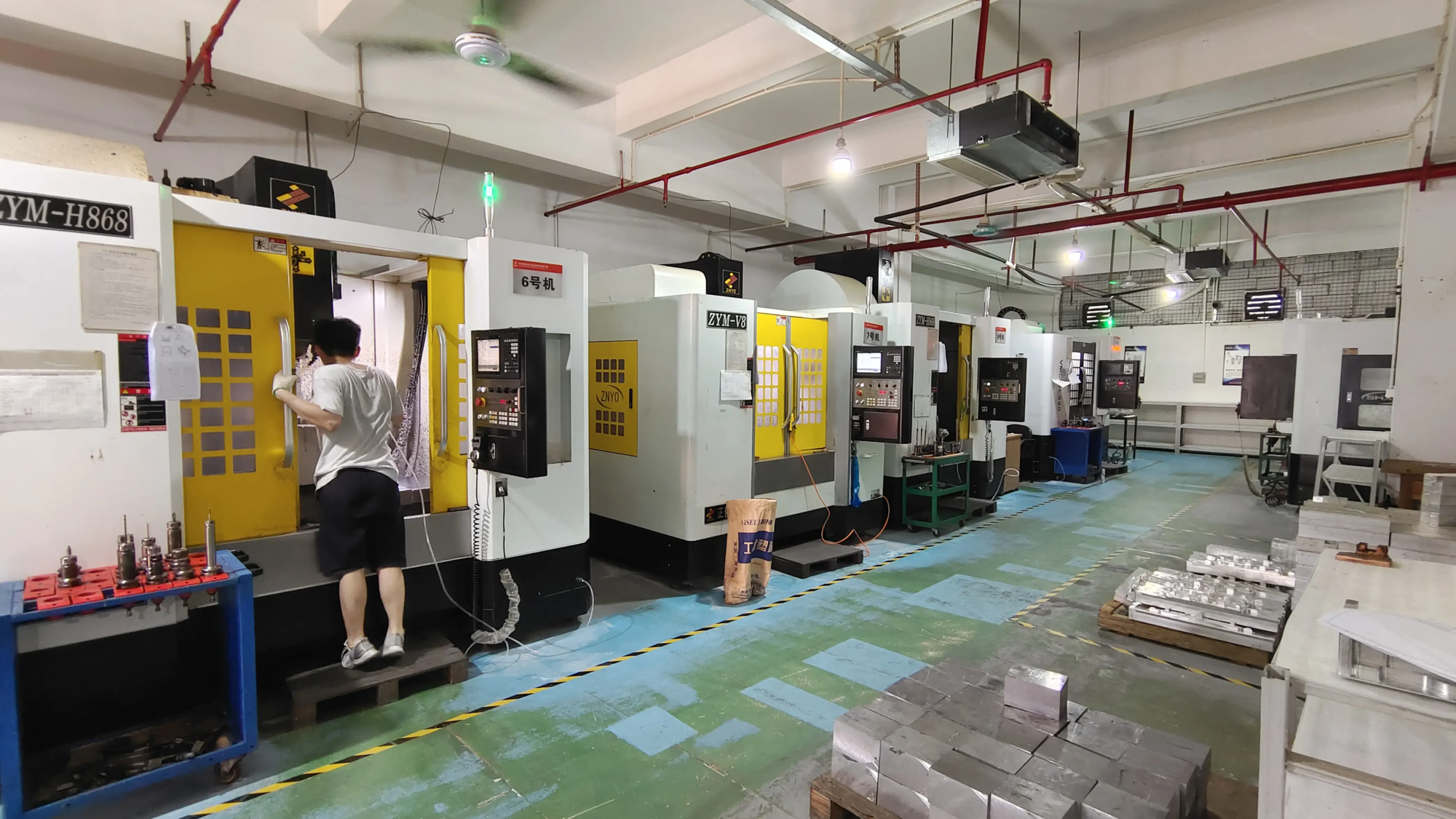
At GreatLight, we realize these ambitions every day. Our industrial SLM printers process aerospace-grade metals and temperature-resistant polymers, turning CAD drafts into perfectly functional prototypes in days, not weeks. Whether you’re iterating on a backyard sandblaster or a medical device component, our one-stop service from sintering to CNC finishing ensures perfection.
Rediscover play. Engineers work tirelessly.
FAQ
-
Can I print this using a cheap FDM printer?
Yes! PETG prints well on entry-level machines. Avoid using ABS due to risk of warping. -
How much water pressure is safe?
Stay below 40 PSI. Incremental Test Chamber: Start with 15 PSI and increase by 5 PSI with each test. -
Are silicone tubes necessary?
Crucial! It bends under pressure. Vinyl pipe cracked at bend. -
If I don’t have a printer, can GreatLight print my water gun?
Absolutely. Upload your design to GreatLight.com. We support nylon, PEEK, stainless steel, and even multi-color plastics in camouflage patterns. - What’s the cost difference versus store-bought?
The materials cost is about $15, and the retail price is over $30. But customization? priceless.
Further design? Go professional.
Drive performance with GreatLight’s high-precision services:
- Turbine nozzle: Micro laser sintered tips for laminar flow.
- Titanium trigger: Weightless durability achieved through SLM.
- Pressure sensor: Embedded instrumentation for smart builds.
Upload your project files now. GreatLight – a place that inspires imagination.
Contact us: www.GreatLight-RP.com | Customized quote within 1 hour | ISO 9001 certified