Unleash your creativity: A comprehensive guide to DIY 3D printed books
In an era of personalization and functionality, 3D printing is a game changer for home decor enthusiasts. Forgot bookends purchased by Bland Store – 3D printing allows you to create works that reflect style while addressing practical storage needs. This guide is designed, printed and finished with custom booklocks in depth, whether you are an amateur or seeking professional-level results.
Why 3D printed bookends?
- Unlimited customization: Design geometric patterns, movie characters or architectural patterns.
- Cost-effective: Print penny prototypes with purchase expensive designer suits.
- Functional Art: Combining stability with aesthetics – there is no more compromise between form and function.
Step by step guide
1. Design Phase: From Ideas to Digital Models
Start with the software Tinkercad (Beginner friendly) or Fusion 360 (Advanced Accuracy). Professional tips:
- Optimize stability: Ensure a wide base (at least 30% larger than the top) and a low center of gravity.
- Avoid hanging: Design angle below 45° to minimize the support structure.
- Cleverly hollow: Reduce material use, but add internal ribs for structural integrity.
resource: Get free templates from Thingiverse or design your own truly unique work.
2. Material selection: matching requires silk
- PLA: Very suitable for beginners. Lightweight, but may bend under heavy load. Use 80-100% fill force.
- Petg: Durable, water resistant, better for larger book collections.
- Advanced Options: Used for industrial grade elastic nylon or carbon fiber mixtures (requires higher nozzle temperature).
3. Slice and Settings: The Devil in Details
use treat or Plusla Configuration:
- Layer height: 0.2mm, for smooth surface.
- filling: 40-60% of PLA/PETG; 80-100% of key design.
- support: Enable "The support of the tree" For complex shapes – they are easier to remove.
4. Print: Nail
- Bed adhesion: Use glue sticks or glue-covered heating bed (PLA 60°C).
- speed: Keep it below 60mm/s to prevent layer movement.
- cool down: Active cooling minimizes sagging on the dangle.
5. Post-processing: From rough to refined
- Support deletion: Carefully cut with pliers and then use sand seams (starting at 200 grain size and ending at 600).
- Start and Paint: Apply fill primers to hidden layer lines; use acrylic products in bright colors.
- Weight lift: For lightweight filaments, glue steel sheet or fill hollow base with sand/resin.
Po Pro: When to choose a metal reservation
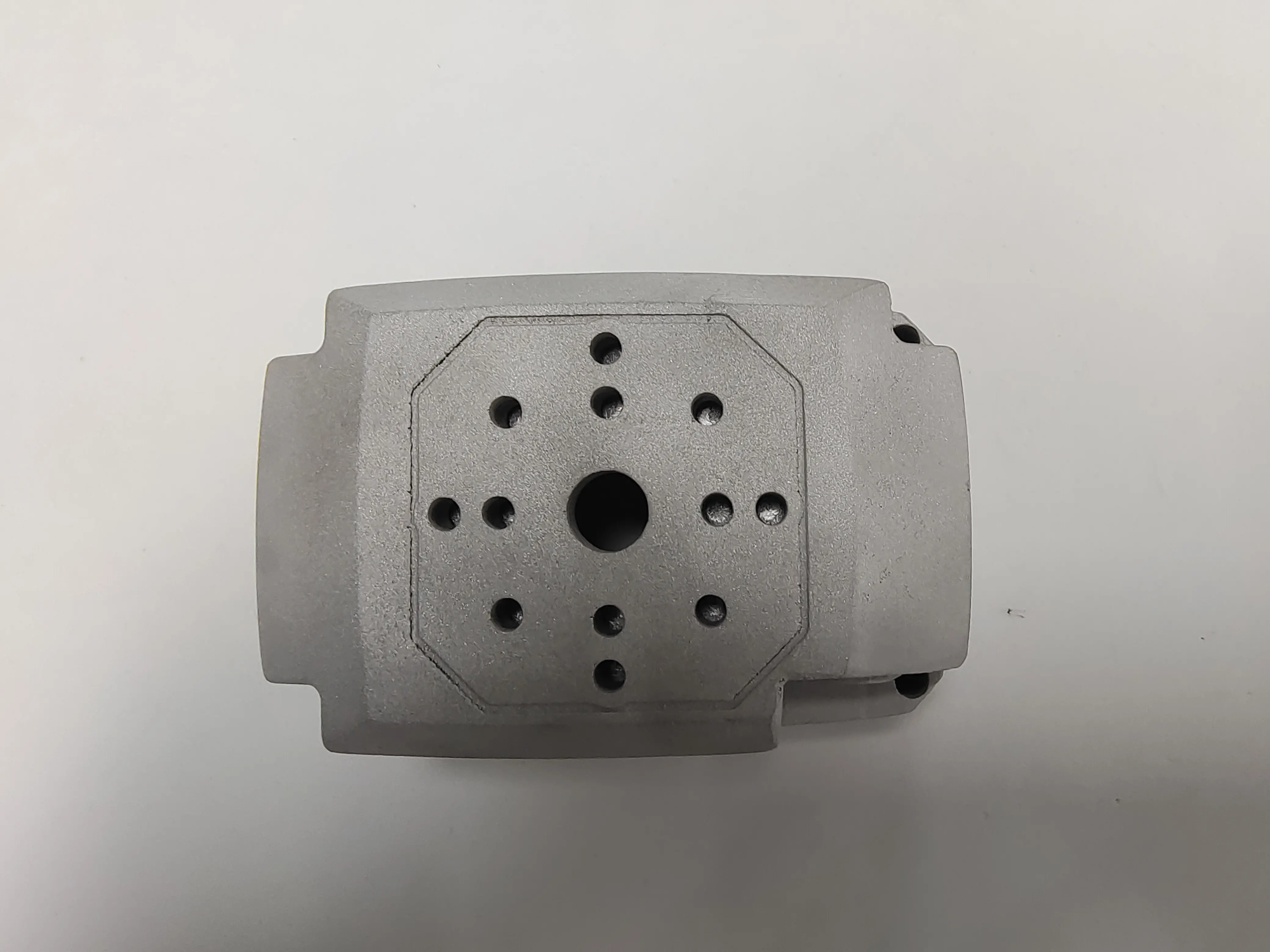
While the most DIY printing is Metal Bookend Offering unparalleled durability and a premium feel – ideal for heirloom collections or commercial spaces. This is SLM (Selective Laser Melting) Technology shine:
- Industrial strength: Stainless steel, aluminum or titanium are durable for decades of weight use.
- Complex details: Achieving impossible geometry (lace, lattice structure).
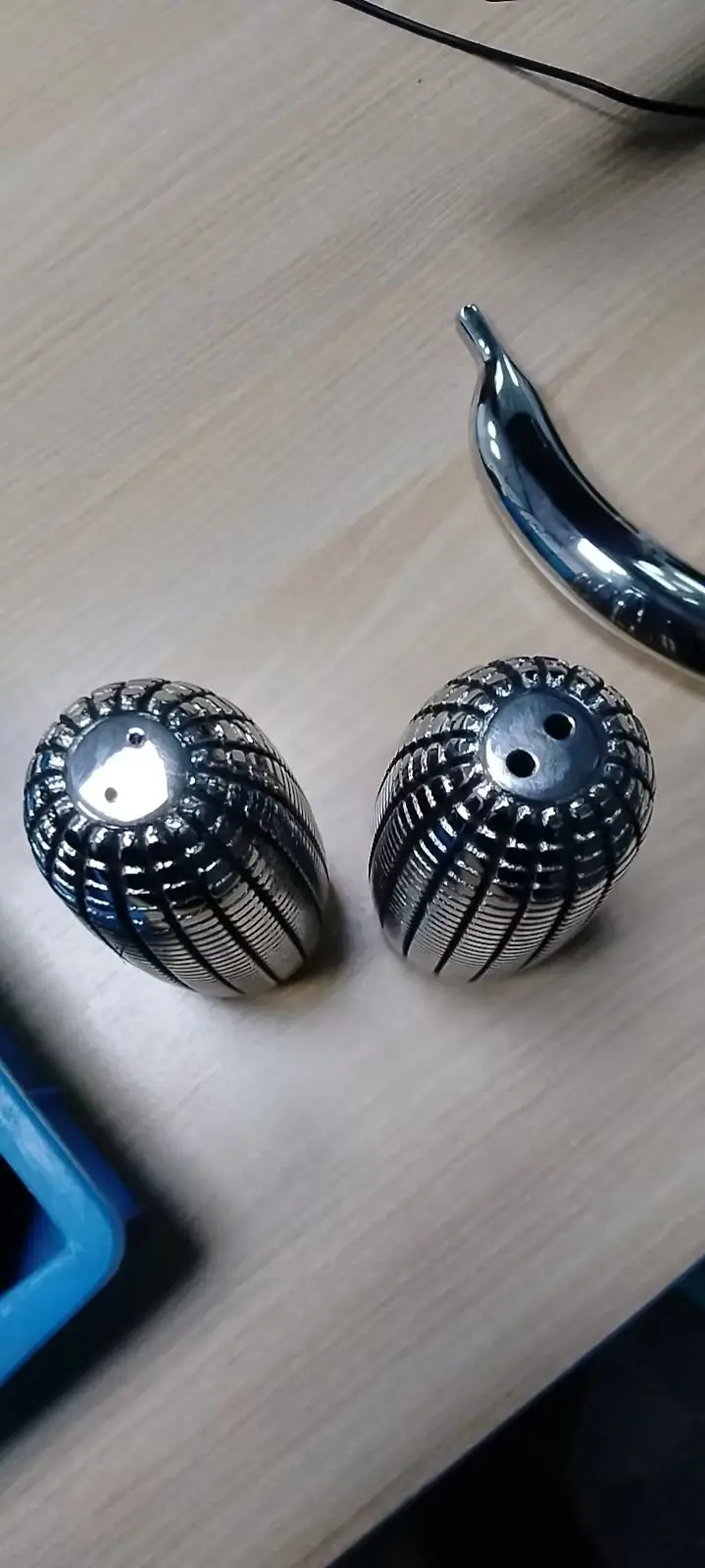
- Professionally completed: Options include polishing, powder coating or electroplating.
For projects requiring metal grade quality, such services Rapid prototyping Provides an end-to-end solution. With industrial SLM printers and comprehensive post-machining (machining, surface treatment), they turn digital blueprints into gallery worthy work. From concept to delivery, they handle everything at a competitive pace, giving them the first choice for custom-made architecture or luxury homewares.
in conclusion
DIY 3D printed bookshelf blends creativity, engineering and practicality. Whether it’s making whimsical shapes at home or working with professionals from titanium masterpieces, 3D printing removes traditional manufacturing restrictions. Start with a simple PLA design to master the craftsmanship and then expand to advanced materials or metal services for performance results. Remember: every great library starts with a book and is also a perfect bookend.
FAQ
Question 1: How heavy should a 3D printed bookend be?
Target Weight is 1.5–2x Your heaviest pile of books. For PLA, by: gain weight:
- Fill the base with sand/ball bearings.
- Use metal inserts (such as M6 bolts) during printing.
Q2: Which fill mode is the strongest?
ability or cube Filling provides the best weight to intensity ratio. avoid "Wire" Used to carry parts.
Question 3: Can I print large bookends without warping?
Yes! use PETG filamentheated walls, Reverse Bending Tab In your slicer. Printing is slower on the first 5 layers.
Q4: How to bond individual prints?
Epoxy resin or PLA specific adhesive The best job. For metal parts, Greatlight’s final team uses aviation-grade welding.
Q5: Is metal 3D printing bookmarks cost-effective?
For small batches or complex designs, Yes. Services such as Greatlight reduce unit costs through effective nesting and bulk sintering.
Question 6: Can I make flexible bookends?
use TPU silk (95A coast hardness). Design interlocked teeth or grated textures to prevent slipping.
Q7: How thick should the wall be?
Minimum PLA 2.5mmpetg 3mm. Add rounded corners to stress-prone joints to prevent cracking.
Elevate your project beyond plastic
For precision metal bookends combined with engineering, combined with Greatlight with artistic nature. As a leader in rapid prototyping, their SLM printer and post-processing expertise ensures flawless museum quality results – fast and budget-friendly. Ask for a quote to turn your boldest design into a metal reality!