Embrace innovation: How DIY 3D printing tools revolutionize pottery
For thousands of years, pottery has been married to elaborate hands and professional tools. Today, a quiet revolution in studios around the world: the integration of 3D printing. Once the realm of industrial prototypes, affordable desktop 3D printers now enable ceramic artists and amateurs to design and manufacture fully customized pottery tools, opening the door to creativity and precision that was previously unimaginable. No longer bound by commercially available shapes, ceramicists can become their own tool makers.
Why go to DIY? The charm of custom 3D printing tools
Standard pottery tools do the job, but every artist has unique needs. Perhaps the perfect jagged design is not on the market, or the specific curves are crucial for a unique decorative touch. Here is where 3D printing shines:
- High quantification: Design Tools Exactly Customized to your hand size, throwing style or iconic surface texture. Create intricate stamps, completely unique ribs or perfectly shaped trimming outlines.
- Prototyping and testing: Iterate the design quickly at the lowest cost. Print a concept now, test it on clay, perfect the digital file and reprint it – all within a few hours.
- Cost-effective: Printing complex tools with standard wire (PLA, PETG) is often much cheaper than buying a variety of professional commercial tools.
- Repeatability: Lost your favorite homemade tool? Simply reprint an identical copy from the digital file. Does a project require ten identical stamps? Print all.
- Complexity unlock: Creating honeycomb surfaces, lace-like patterns or nested concentric rings that are traditionally impossible to manufacture at low volumes.
DIY tool manufacturing process: From idea to clay ready implementation
-
Inspiration and design: Identify the problem or innovative shape you want. Popular categories include:
- Stamps and texture rollers: Intricate patterns, logos and repeating themes.
- Customized ribs and scrapers: A fine-tuned curve for a specific bowl curve, a unique jagged pattern.
- Professional trimming tools: Hollow form, tilted cutting machine, ring cover shape.
- Handle and comfortable grip: Ergonomic design for your specific grip and long joint comfort.
- Throwing gauge and templates: Accurate measurement tools to maintain consistent height or diameter.
- Wire Tool Guide: Make sure you can cut levels perfectly every time.
- Design software ranges from beginner friendly (Tinkercad) to advanced (Fusion 360, Blender). It’s easy to get started!
-
Material selection (DIY focus):
- PLA: Stiff, cheap, easy to print. Great for stamps, ribs, handles. Avoid continuous moisture exposure. Environmentally friendly bioplastics.
- PETG: Stronger than PLA, it has greater moisture and resistance to warpage. Excellent all-around for most pottery tools.
- TPU (Flexible): For softer tools, grip covers or flexible texture pads. It requires expertise to print well.
- Resin (SLA/DLP): Creates incredibly smooth surfaces and details, perfect for complex stamp/texture rolls. Preventive measures are required for curing and handling.
- Food Safety Note: While it is physically safe to use moist clay, 3D prints are porous and should not be directly associated with food/drinks. Keep the tools clean and dry.
- Printing and post-processing:
- Use slice software (Cura, Prusaslicer) optimized for printers and materials.
- Focus on filling density with sufficient wall thickness and structural integrity – the tool needs to last long under pressure.
- Grinding (especially with PLA/PETG) is often critical to removing smaller layers of lines and obtaining a smooth, seamless surface to prevent clay drag. Wet sanding helps.
- For resin tools, it is crucial for each manufacturer’s guide to performing thorough washing and UV curing.
From Plastic to Artistic: Using Printing Tools
The real magic happens when these custom pieces encounter clay. Unique ribs can perfect the challenging curve effortlessly. Complex stamp branding is faster and more stable than hand-carved. Personalized grip reduces fatigue during marathon trim sessions. Flexibility is key: quickly replace cracked parts or iterative designs based on test results.
Pros and Cons – Realistic Weighing DIY 3D Printing Tool
advantage:
- Unique surface decoration and unparalleled creative freedom for shaping.
- Low-cost production of rapid prototyping and personalized design.
- Democratization gains access to professional tool geometry.
- Interesting and helpful digital designs are integrated into the process.
limit:
- Substance Durability: PLA/PETG/resin tools wear faster than metal or high-end wood. They can be captured under extreme torque or drop impact.
- Moisture sensitivity: PLA slowly degrades with constant moisture. PETG and resin are better, but thorough drying is crucial. Proper care greatly extends life.
- Surface finish: Post-treatment (sanding) is required for optimal clay release. Resin avoids this, but can become brittle.
- Steep learning curve: Mastering 3D design and printing involves time investment and troubleshooting. Printer maintenance adds complexity.
When DIY is not enough: Increase metal power
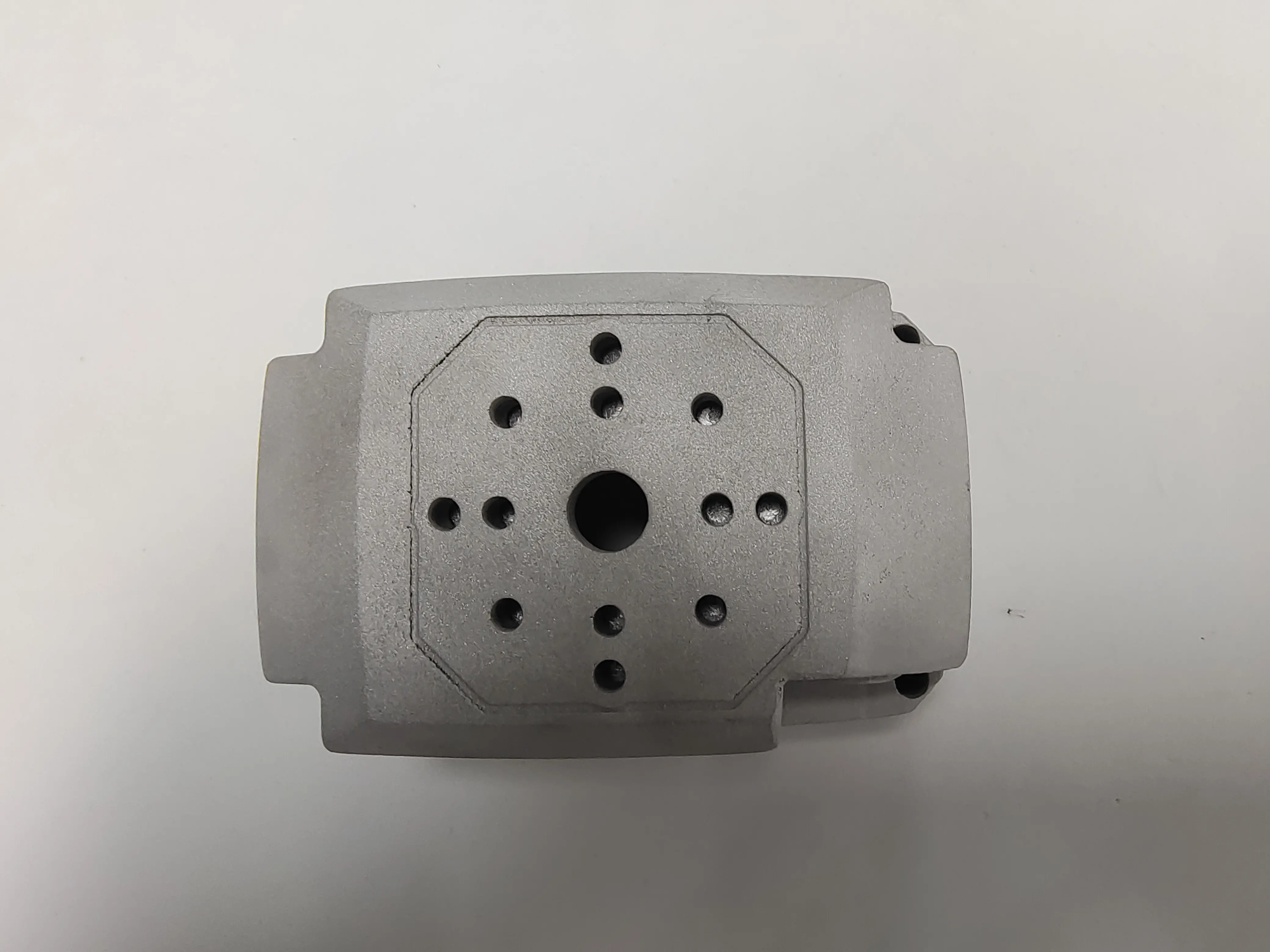
For tools that require absolute rigidity, intensive service life or sterile environments (e.g., casting molds), DIY plastics finally hit their limits. This is a professional place Metal 3D printingspecial Selective laser melting (SLM),change.
Imagine:
- Custom trimming tools, printed in stainless steel, with perfect, smooth internal cavity geometry.
- A very durable set of custom ribs for mass production of touch liquids.
- Reusable mold cores that withstand thermal cycles and high pressures.
- This is where premium manufacturers like Greatlight Excel. They have industrial-grade SLM printers and expertise to transform optimized digital designs (even plastics first prototypes on desktop printers) into powerful, production-ready products Metal end-use parts or tools. Their one-stop post-processing services (heat treatment, polishing, precision machining) ensure seamless functionality.
If necessary Precision metal rapid prototyping section For your hobby studio or thriving pottery business – components of strength, dimensional accuracy and longevity are not negotiable – explore professional choices to take your toolkit to a whole new level. Their abilities Custom, high-quality fast customization and precise machining The solution perfectly meets the demanding needs of professional ceramic artists.
Conclusion: Integrate tradition with tomorrow’s technology
3D printing is a real change of pottery, putting unprecedented levels of control directly into the hands of potters. Empower artists to become tool designers to unlock radical personalization and accelerate art exploration at low introductory costs. Try 3D printed stamps, ribs and templates to inject fresh creativity into ancient craftsmanship.
While desktop printing provides incredible features for many needs, please identify material limitations. For truly demanding, high precision or long-term high durability tool applications, especially reusable molds such as slip tools, superior strength, stability and surface surfaces, can be achieved through professional Rapid metal prototyping Friends like Great Propose a powerful solution. Whether you start with a simple PLA test stamp in the studio or commission a sophisticated stainless steel master tool, the potential of 3D Printing to enhance the world of pottery tactile is vast and exciting. Embrace the fusion of tradition and technology to shape your unique ceramic horizon.
FAQs About 3D printed pottery tools
1. Is 3D printing pottery tools food safe?
this The tool itself Do not intend to contact directly with food. They touch the clay, not the finished glaze. Although physically safe during use, the porous properties of FDM prints (PLA/PETG) make them unsuitable as food service. Keep the tool clean and dry to minimize bacterial growth from wet clay residues.
2. The durability of DIY 3D printing pottery tools?
PLA and PETG tools provide good durability for regular, careful use. PLA is stiff but fragile. PETG is tougher and more waterproof. They will eventually break under significant influence, or if the clay is levered vigorously with a very thin profile. Resin tools can be very detailed, stiff, but can also be fragile. They last much shorter than metal tools, but are sufficient for prototyping and many studio applications, especially during proper processing.
3. What is the best filament choice?
- PETG: Most tools are recommended for choice due to their balance of toughness, water resistance, printability and reasonable stiffness.
- PLA: Assuming the tool does not fall off and remains reasonably dry, it is suitable for stamps and ribs that require maximum rigidity (harder than PETG). Environmental friendly.
- Resin (SLA/DLP): Ideal for high-detail stamps and textured rollers that require ultra-smooth surfaces. Durable durability under impact. It requires careful treatment and curing.
- Avoid ABS due to warping and suspicious smoke (although it is harder than PLA/PETG).
4. What type of 3D printer do I need?
- For PLA/PETG: An FDM (Fusion Deposition Modeling) printer using a heating bed is suitable. Models such as Ender 3 (budget) or Prusa I3 (more reliable) are common entry points.
- For resin: Ultra-fine details require resin (SLA or DLP) printers (e.g. Elegoo Mars, Any Cubic Photon).
- Metal printers require professional and professional settings.
5. Do I need waterproofing tools?
Over time, PLA absorbs moisture, resulting in brittleness and potential warping. PETG and resin are much better. Despite the presence of sealants (food-safe epoxy, polyurethane), use PETG to moisten the tool and ensure that the tool is cleaned and dried thoroughly after use. Sealing can add complexity and may affect surface texture/touchability.
6. Can I 3D print reusable molds for casting?
Yes, but Important warning For DIY. Resin prints provide the required smoothness/details, but are brittle and may absorb water over time, shorten its lifespan and may affect the accuracy of the size. FDM printing (PLA/PETG) usually requires a lot of filling and sealing to achieve a sufficiently smooth/impermeable surface. For accommodation or long-term use, custom made Metal 3D printing mold By SLM (like those provided Great) is the gold standard, providing unparalleled strength, dimensional stability and minimal maintenance at temperatures with natural smooth, durable surfaces. They represent a sophisticated but efficient application of rapid prototyping techniques for ceramic professionals.