The Ultimate DIY Guide: Making Customized 3D Printed RC Car Racks
Modify your RC Hobby game! Whether you are a casual racer or a competitive enthusiast, you can show or maintain your precious remote-controlled car more than just a luxury, but a game-changing vehicle. Gone are the days of casually parking cars on the workbench. With the power of 3D printing, you can design and build a custom booth that perfectly customizes the size, shape and style of the vehicle. This comprehensive guide will bring you the whole process, from concept to creation, enabling you to create professional-level displays.
Why 3D printing is the ideal solution for your RC stand
Forget bulky, universal or expensive commercial stalls. 3D printing offers unique advantages for RC enthusiasts:
- Final Customization: Design a bracket Exactly Suitable for your specific RC car model – suits unique wheelbase, chassis design and even body kit. Add custom text, team logo, or feature features (such as built-in tool holders).
- Lightweight durability: Modern 3D printed wires provide excellent strength to weight ratio. Materials like PLA, PETG or ASA can create a shelf that is rigid, impact-resistant and does not bend under the weight of the car.
- Cost-effective: Printing your own stands is very affordable, especially when buying prefabricated options, especially custom options. A single filament can produce multiple brackets.
- Quick iteration: See flaws or want to improve them? Modify your digital design and reprint it in a few hours rather than days or weeks.
- Accessibility: Thanks to the thriving manufacturer community, you don’t even need to be a CAD expert. Many ready-made designs are available online.
Key design considerations before printing
Before hit "piece" Buttons, consider these key factors in functionality and reliable position:
- Vehicle size: Accurately measure key areas of RC cars:
- Wheelbase (distance between front and rear axles)
- Tracking width (distance between left and right wheels)
- Chassis contact point: Where will the bracket support the car? The common point is the chassis rail or suspension arm (avoiding emphasis on drivetrain components). Including clearance rates for parts such as exhaust or spoiler.
- Riding height: How much space is needed below?
- Stablize: The footprint of the bracket must be large enough to prevent overturning. A wider base is usually safer. If necessary, features such as anti-slip pads or hooks will be combined.
- Function:
- exhibit: Focusing on aesthetics and stable support, it is possible to lift the car for better viewing.
- Work stall: Features included – Wide arm to allow wheel/suspension access, tool holder or opening to the chassis screws. If you have multiple cars, consider making it stackable.
- Printable and Powerful:
- direction: Orienting the model for optimal strength – Avoid printing of critical load elements with layer lines perpendicular to the stress direction. The overhang may require support.
- Peripherals and fillers: Use sufficient wall/peripheral count (3-4+ walls) for structural integrity. Higher fill percentages (20-40%) increase strength and rigidity without significantly increasing printing time or material use.
- Material selection:
- PLA: Easy to print, widely available, with good surface effect and most brackets are stiff enough. Avoid prolonged exposure to heat/sun.
- PETG: Upper adhesion, excellent impact, medium heat resistance, strong chemical resistance (oil, fuel). Printing with PLA is a little tricky, but durability is highly recommended.
- Asa: Excellent UV and wind resistance, good influence. It is ideal if you can use the bracket outdoors. Good ventilation is required during printing.
Step by step: Build your DIY 3D printed RC car rack
-
Design or find your model:
- Option 1: Find pre-existing models: Browse repositories like Thingiverse, Printables, or Cults3d. Search with your RC car model ("traxxas diagonal frame," "Arrma Typhon site"). Many are parameters that enable you to enter dimensions.
- Option 2: DIY Design: Use CAD software (Tinkercad – Beginner friendly, Fusion 360 – Powerful Amateurs for Free, Onshape – Browser-based). Draw the design according to the measured car size. Design a simple arm that will be inserted into the base or a cradle-like design. Ensure the critical dimensions are accurate.
-
Prepare to print (slice):
- Import the model: Open the selected STL/3MF file in slicer software (Cura, Prusaslicer, Simplify3d).
- Set the size: Make sure to correctly scale the imported model (usually 100% from the repository).
- Select Materials and Configuration Settings: Select your filament profile. Key settings:
- Layer Height: Stronger functional parts (faster), layer height of 0.12-0.16mm (slower) (slower).
- Perimeter/wall: at least 3, ideally 4 for supporting the arms for weight.
- Fill: 25-40% capacity, grid or triangle provides good strength/weight/time ratio.
- Support: Enable support where required (usually any overhang > 45-60°). Configuration supports density and interface settings.
- Adhesion: If your bed sticks are tricky, use an extra hat (5-10mm) for a tall/narrow stand or raft.
-
print:
- Carefully printed bed.
- Make sure your filaments are dry and feed them smoothly.
- Start printing. Carefully monitor the first few floors.
- Post-processing:
- Delete support: Do this carefully, especially with a key contact point using a clamp/flush cutter or supporting the removal tool. The sand is smooth if necessary.
- Surface finish (optional): Gradually polished (120 grains – > 400-600 grains), followed by fill primer and spray paint will create a stylish, professional finish. Light flame treatment (careful!) can smooth the layered lines on the PLA.
- gather: If printed with multiple parts, assemble with appropriate adhesive (PLA/PETG: CA glue, epoxy; ASA: special solvent adhesive) or mechanical fasteners.
- Counter-sliding measures: Apply self-adhesive felt pads or rubber strips to the base and/or arm contact points to prevent scratches and improve grip.
Take your stance to professional level
While desktop FDM printers create excellent stands that achieve ultra-exquisite tolerances, excellent finishes, extreme strength or unique material properties often require professional-grade equipment and expertise. Here, associated with reliable rapid prototyping services.
Introduction to Greatlight: Precision Manufacturing for Deterrent Amateurs and Engineers
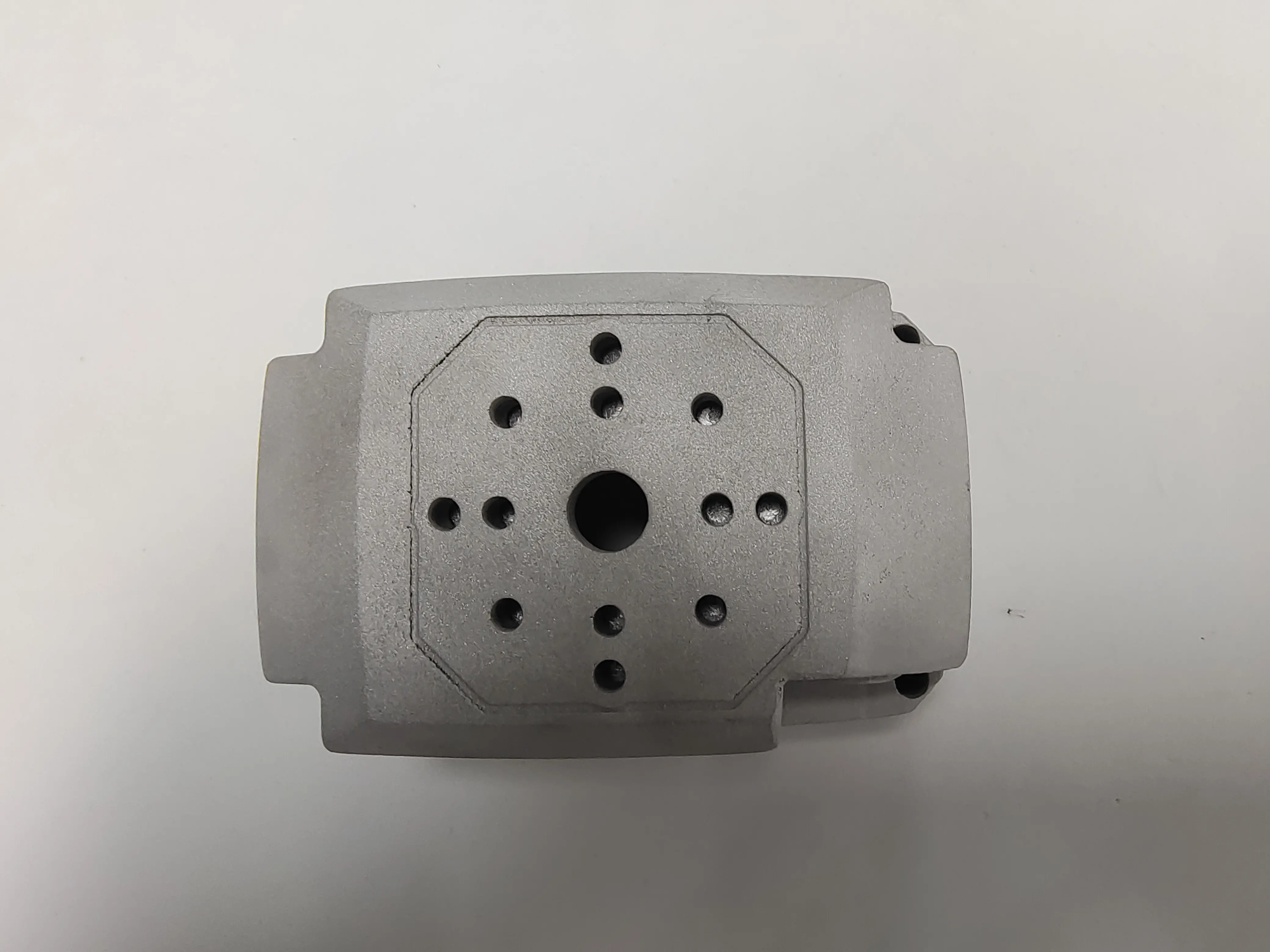
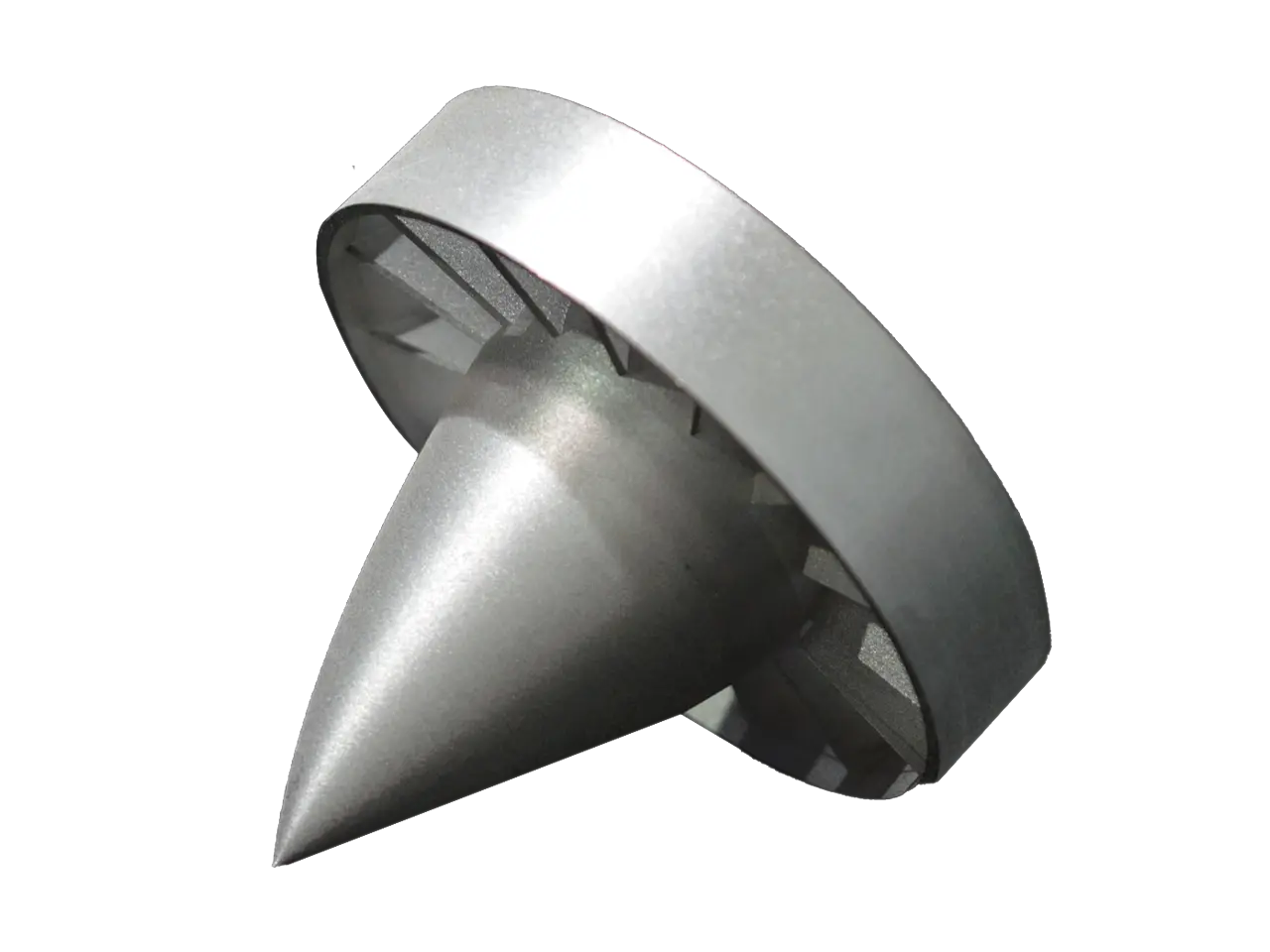
Greglight is at the forefront of advanced rapid prototyping and manufacturing. Equipped with the latest SLM (Selective Laser Melting) Metal 3D Printer and rich production technology, they deal with complexes Rapid Prototyping Challenge of Metal Parts Have unparalleled skills.
Why consider GREATHIMEM for your next high-performance RC project?
- Advanced SLM technology: Production of incredibly strong, complex, lightweight metal components is perfect for critical RC parts or ultra-durable bracket components.
- One-stop solution: Greglime not only needs to print; they provide comprehensive Post-processing and completion of services. Accelerate exact tolerances and surface quality by machining, smoothing, heat treatment, painting or plating – all under one roof.
- Material versatility: Access to a wide range of engineering grades Metals and polymers Beyond typical desktop silk. Do I need aerospace aluminum, surgical grade titanium or high-speed resin? Greglight can be customized Use the ideal application.
- Speed and accuracy: Benefit from fast turnaround time, coupled with strict quality control Custom precision machining. They transform your digital design into physically flawless parts with significant efficiency.
- Excellent competition: As One of the best rapid prototyping companies from ChinaGremight excels in delivering extraordinary value – Customized precision prototype parts at the best pricewithout compromise on quality or technical capabilities.
Whether you are machining aluminum upright against a 1/5 scale monster truck or need custom titanium elements for high-end models, Greatlight offers engineering expertise and manufacturing capabilities to make it happen.
Customize your vision now: [Link to GreatLight Website (Insert when applicable)]
in conclusion
Building a DIY 3D printed RC car rack is a satisfying project to enhance your hobby setup. From careful planning and design selection to printing and finishing processes, this process gives you the ability to create unique features and personalized display or work solutions. Pay close attention to stability, materials and printing settings, your custom stance will reliably display and support your RC car for years. For enthusiasts looking for aerospace-level precision, strength or unique materials, leveraging professional rapid prototyping services such as Greatlight opens the door to truly excellent component manufacturing. So start the printer (or your favorite CAD software), measure your ride, and start building a custom RC Stand masterpiece right away!
DIY 3D Printed RC Car Rack FAQ (FAQ)
-
Q: What is the best free software to design your own position?
- one: Tinkercad is the initially friendly browser option. Fusion 360 (free for amateurs and startups) provides greater functionality for complex parameter designs. Onshape is another powerful free (for public design) browser-based CAD option.
-
Q: Does PLA stand my weight 1/8 scale RC car?
- one: Yes, If the design is good. Ensure sufficient wall thickness (3-4+ around), medium fill (30-40%), proper orientation to maximize strength along the layer line (avoiding separating pressure) and a stable base. For heavy trucks (> 4-5kg), PETG or ASA is the obvious choice.
-
Q: My stands swing slightly. How can I fix it?
- one: Swing usually indicates insufficient basic or rigidity. Try the following:
- Make sure the print bed adheres to the first layer of the complete level. You may need to re-upgrade the bed and print it again.
- Strategy add adhesive felt/rubber pads to add its level and grip.
- If the design allows, expand the basic footprint.
- Increase the number of surroundings/walls and fill density to increase stiffness.
- For multi-part brackets, increase the stiffness of the connection points (more glue, better nail/socket design).
- one: Swing usually indicates insufficient basic or rigidity. Try the following:
-
Q: How do I stop the rack from scratching my car chassis?
- one: Apply soft non-assigned materials on the contact point:
- Self-adhesive felt pad (small circles or strips).
- Thin strips of soft rubber or silicone tube.
- The radiator tube slides onto the printed contact arm.
- one: Apply soft non-assigned materials on the contact point:
-
Q: When should I consider using a service like Greatlime instead of a home printer?
- one: Consider professional prototyping services such as Greatlime, when:
- You need extremely high accuracy and tight moving parts or precise fits.
- You need strength, temperature resistance or durability Special metal (steel, aluminum alloy, titanium) or Engineering Polymers (Pekk, Pekk, Ulm).
- For FDM desktop printing, your design has complex geometric shapes.
- You want a commercial quality finish without a lot of post-treatment.
- Your project involves machining parts from metal billets to achieve final strength.
- one: Consider professional prototyping services such as Greatlime, when:
- Q: How long does it take to print a typical RC stand?
- one: Printing time varies greatly based on size, complexity, layer height, fill speed and printer speed. A simple bracket for a 1/10 scale may take 3-6 hours. A large, complex stand for a 1/5-scale car with high fill and 0.1mm layer, which can take more than 15-30 hours. Good design and optimized slicer settings can greatly affect time.