A Deep Dive into Smart Shop Organization: Mastering the DIY 3D Printing Tool Rack
Have you ever spent precious time looking for a specific wrench buried under a pile? Or cringe at the clatter of expensive precision instruments accidentally sliding together in a drawer? Efficient shop floor organization isn’t just about cleaning; It’s about maximizing productivity, protecting investments and enhancing workflow. While general purpose tool organizers exist, they often fall short when it comes to accommodating unique collections or specific space constraints. This is where DIY 3D printed tool racks shine, unlocking unprecedented levels of customization and efficiency. Let’s explore the exciting world of designing and creating your own custom tool organization solutions.
Why adopt the DIY 3D printing method?
Traditional knife handles are mass-produced for broad appeal. They offer predefined slots that rarely match the exact size or arrangement you want. Customization is key:
- Perfect fit: Design brackets to exact size, shape and weight your tool. Shape them into complex curves or irregular shapes that regular pallets ignore.
- Space optimization: Maximize bench space with a wall-mounted bracket. Create intricate drawer inserts that perfectly fit every square inch and eliminate wasted space. Featuring custom hooks and racks designed specifically for your tools, the pegboard system is versatile.
- Workflow efficiency: Organize tools logically your Project sequence. Minimize downtime searching for or replacing spilled items by ensuring frequently used tools are readily accessible and securely secured.
- Protection and security: Prevent tools from scratching or damaging each other during storage. Secure sharp edges or delicate points in buffer grooves designed specifically for them.
- Cost effectiveness: Use inexpensive filament materials instead of purchasing multiple professional, ready-made organizers.
- Iterate and fix quickly: If changes are needed, the design is modified overnight. If the stand is damaged, print a replacement immediately – no need to wait for shipping.
- Personalization: Add a brand logo, nameplate or unique design accents to make your workspace truly yours.
Showcase: Popular DIY 3D Printing Tool Rack Designs
The possibilities are vast, but these basic designs form the backbone of an organized workshop:
-
Wall-mounted system:
- Shelf bracket: L-shaped brackets secure the shelf and are sized to fit tool boxes, spray cans or trash cans. Easily adjust spacing and depth.
- Custom Tool Rails: Extruded aluminum rails are made even more powerful with prints such as custom brackets, hose hangers, Sandisk brackets, socket brackets or specialized clamps.
- Direct wall hook: Print sturdy hooks for specific tools – diagonal pliers holder, ergonomic screwdriver holder, chisel holder with tip guard slot.
-
Drawers and cabinets Nirvana (custom inserts):
- Cut foam alternatives: Design intricate lattice or compartment inserts out of printed plastic instead of foam. Superior durability and easier cleaning.
- Tool-specific blades: Each wrench, socket, drill bit, driver bit or caliper has a dedicated slot. Prevent terrible things from happening "Chaotic chaos."
- Modular compartments: Designed with interlocking drawer sections, allowing for rearrangement as your tool collection grows. Neat compartments prevent smaller tools from moving around.
-
The pinboard revolution:
- Beyond basic hooks: Print-Specific Stand – Soldering iron stand with integrated brass bristle cleaning cup, dedicated multi-tool mount, magnetic tray securely attached to pegboard, nozzle or glue gun holder.
- Tool specific adapter: Printed mounts transform standard accessories into specialized holders for unique tools.
- Enhance stability: Hooks or mounts designed to securely grip the pegboard and Support tools tightly to eliminate wobble.
-
Modular and mobile solutions:
- Magnetic base: The stand base is designed to incorporate strong magnets, allowing flexible repositioning on steel surfaces (walls, benches, machine frames).
- Interlocking system: Use brackets designed to snap together to build stacks or configurations like Lego bricks.
- Tool cart organizer: Create brackets specifically designed to clamp or mount into the shelves/drawers of a mobile service cart.
- Specific task holder:
- Soldering station: All-in-one unit holds soldering iron, solder spool, flux, brass wool and tip cleaning tray.
- Router Tool Parts Organizer: Hold the chuck, wrench, drill bit, and depth gauge securely together.
- Multi-level screwdriver holder: Angled pockets maximize vertical space for easy access.
Key Design Considerations: Enhanced Strength and Functionality
While creativity flourishes, robust design principles ensure longevity:
- Material selection: Balance cost, performance and environment.
- Desktop FFF/FDM: PLA (cost-effective, easy to print, suitable for lighter tools), PETG (excellent toughness, chemical resistance, durability suitable for use in most DIY shops), ABS/ASA (higher temperature and UV resistance, tougher, but requires a controlled printing environment).
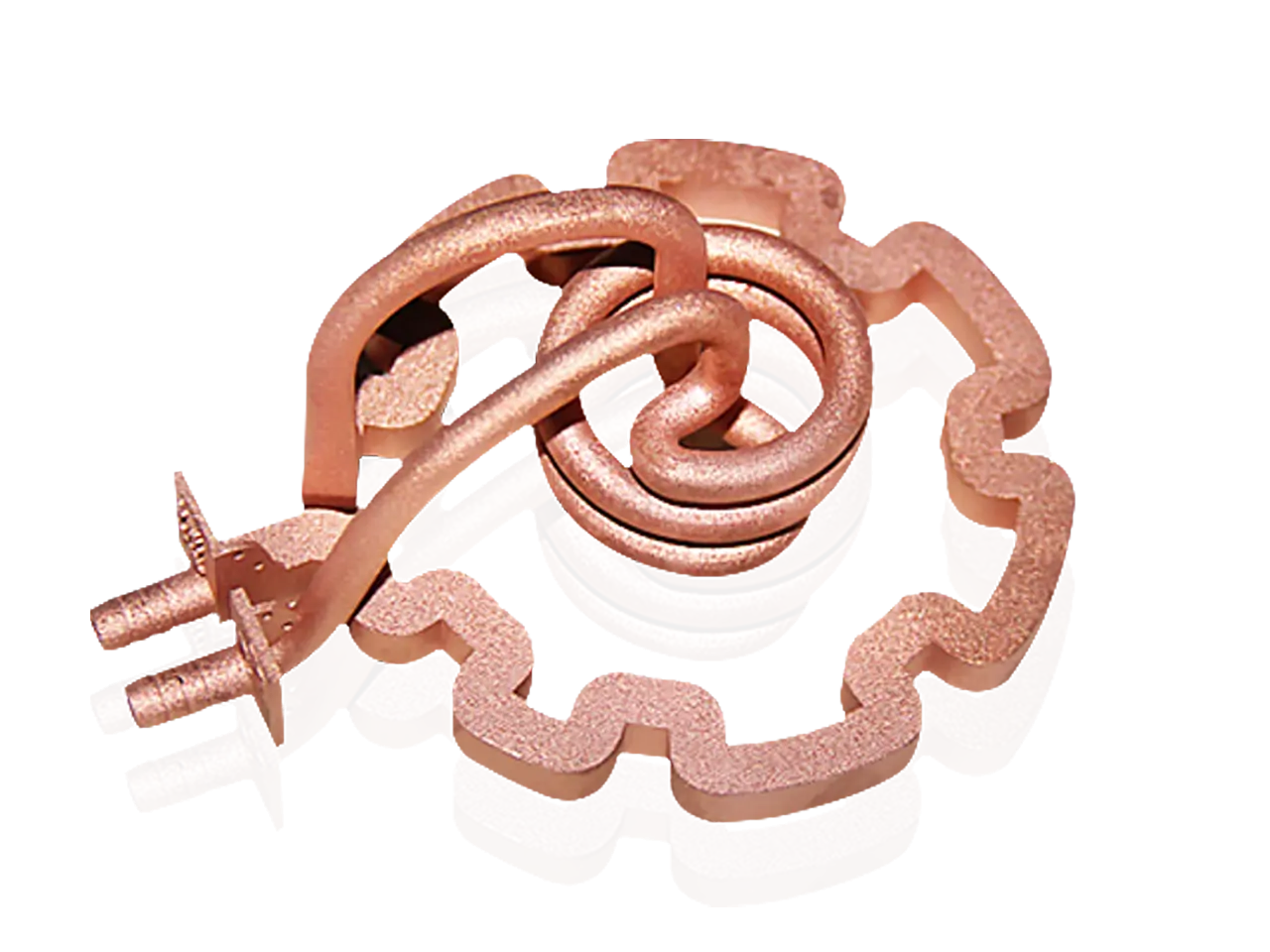
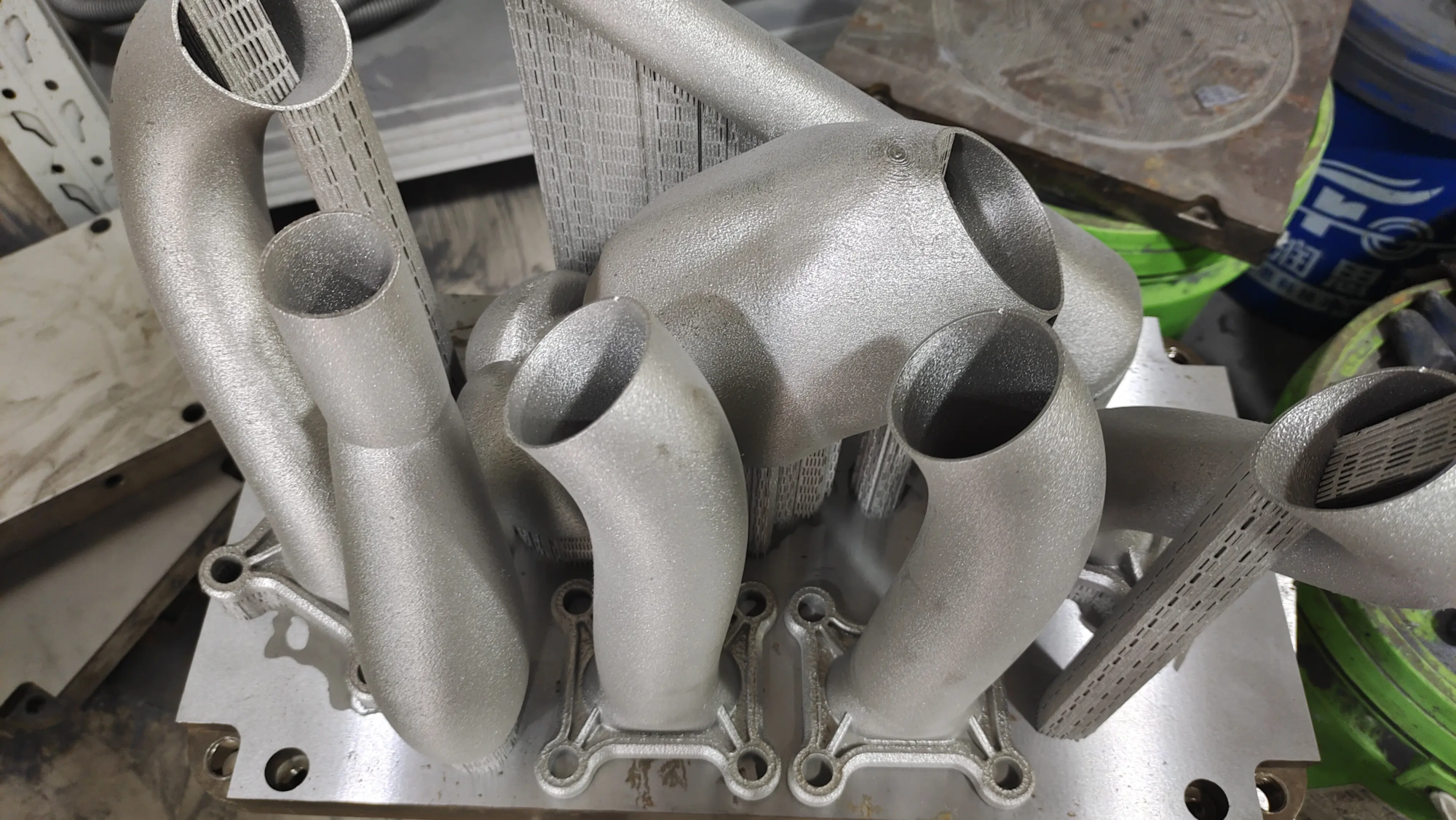
- Professional/SLM/Metal (GreatLight Professional): For demanding applications: high temperature exposure (close to engine/machinery), extreme loads, unparalleled durability, electrostatic discharge (ESD) safety or ultra-hygienic requirements. Materials such as aluminum alloy, stainless steel, titanium or nylon PA12 (SLS) provide industrial-grade solutions. Printing service providers like GreatLight excel in this area.
- Strength and durability:
- strength: Design fillets/chamfers at stress points (corners/joints). Strategically use ribs/gussets to reinforce thin walls without looking bulky. Layer orientation significantly affects anisotropy; adjust the print direction so that the layer lines are perpendicular to the expected stresses.
- Durability: Avoid sharp internal corners that can cause stress concentrations. Design walls thick enough (usually 1.5-3mm+) to ensure rigidity depending on material and load. Consider impact resistance needs.
- Nuances of functional design:
- Tool clearance: Allow enough clearance (usually an additional 0.5-3mm) to allow for easy insertion/removal without stapling, taking into account printing tolerances and tooling tolerances.
- Tool weight distribution: Make sure your center of gravity is stable. Design supports/bases that are wide enough to prevent tipping under load. Over-engineering heavy tools.
- Surface finish and slider: Smooth surface prevents tools from scratching. Intentional texture/friction pads can be introduced to prevent slipping. This is further enhanced by professional post-processing (sandblasting, steam smoothing).
- Install: Designed with robust and simple mounting interfaces (screw holes, clamps compatible with specific rail profiles, strong magnets such as N52 class).
- Printing direction: Crucial! Print layer lines perpendicular to bending stresses. Minimize large overhangs requiring support where strength/stress is critical.
- Filament and settings:
- Use sufficient perimeter/walls (3+) to ensure structural integrity.
- Ample infill (20-50%, more dense for heavier loads).
- Correct nozzle temperature and cooling for layer bonding.
- If applicable, consider annealing PETG/ABS after printing to increase strength.
When desktop printing isn’t enough: Leverage professional services
DIY desktop 3D printing empowers many projects. However, complex geometries requiring soluble supports, highly complex lattice structures for lightweight strength, extreme temperature requirements (welding stations/engine bays), significant mechanical loads or production runs all benefit greatly from industrial-grade additive manufacturing. Advanced selective laser melting (SLM) metal printing unlocks impossible geometries by machining tool holders optimized for aerospace or automotive technicians.
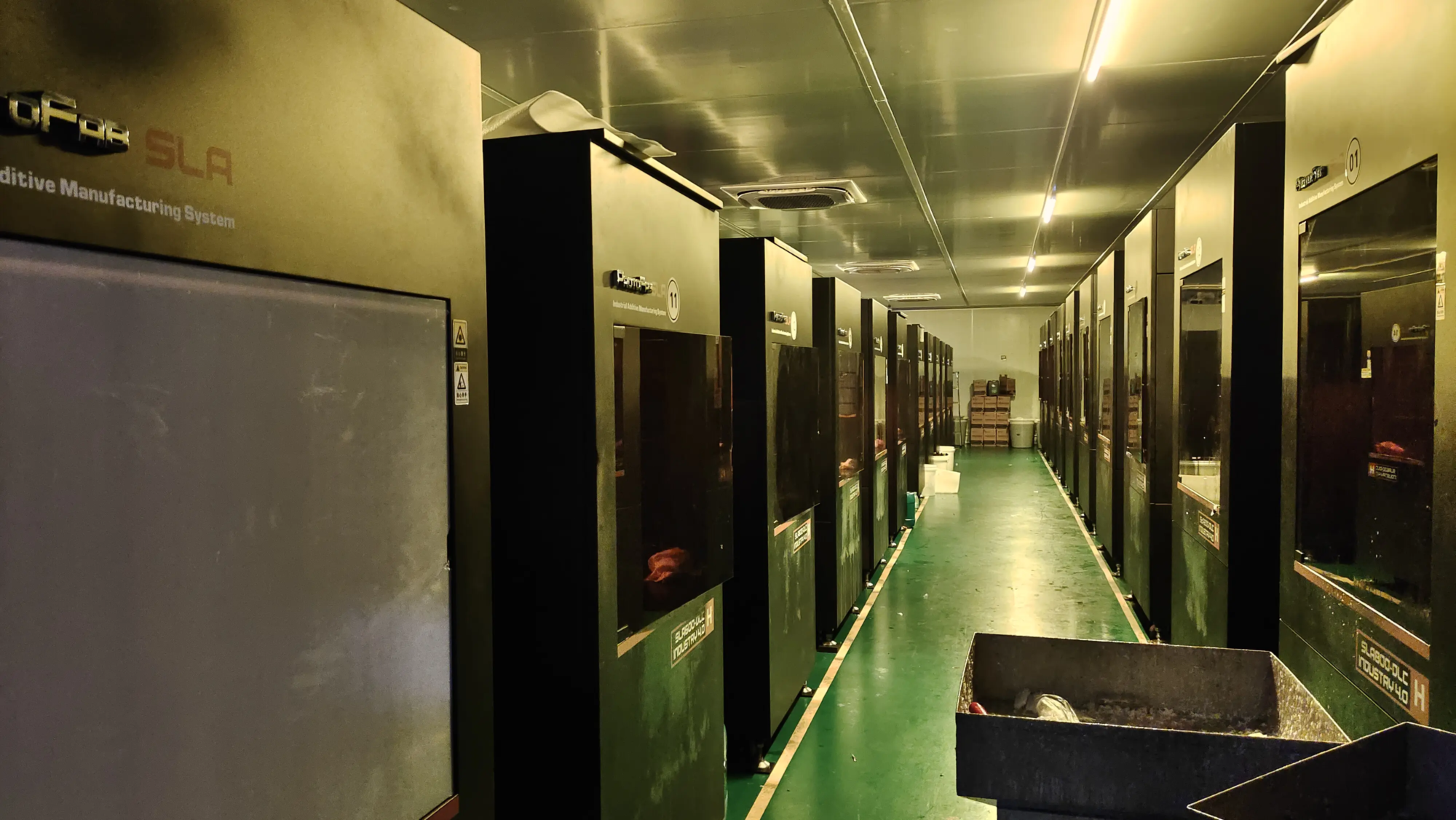
company likes huge lightutilizing state-of-the-art SLM metal printers and advanced SLS/SLA technology, provides the gateway to this specialized field. They not only specialize in printing ultra-durable metal or high-performance polymer scaffolds directly from CAD files, but also provide the necessary post-processing: precision machining finishing, professional surface treatment (polishing, painting, sandblasting, anodizing), stress-relieving heat treatment and assembly. This transforms functional prints into high-quality, durable, production-ready organizers that can withstand demanding shop environments.
in conclusion
DIY 3D printed tool holders represent a revolution in workshop organization. By leveraging design flexibility and rapid prototyping capabilities, anyone can create a custom solution that perfectly fits their unique tooling and space constraints. Desktop printing democratizes customization, while GreatLight offers professional services that use metals and advanced polymers to bring durability and performance to industry standards. Whether making a simple pegboard hook on the Ender 3 or debugging a titanium CNC mill tool organizer hotbed insert via SLM, the core principle remains: organized tools promote an efficient workflow. Explore design repositories (Thingiverse, Printables, GrabCAD) to get inspired, learn CAD basics (Tinkercad, Fusion 360, OpenSCAD), and unlock the potential of your workspace. A tidy bench is more than just tidy—it’s the foundation for inspiring creations.
Frequently Asked Questions (FAQ)
-
Q: What are the best materials for a DIY 3D printed tool holder?
- one: For most desktop printers and typical store environments, polyethylene terephthalate Offering the best balance of strength, toughness, temperature resistance, ease of printing and affordability. People’s Liberation Army Suitable for low stress/tissue only scaffolds, but can deform and become more brittle at high temperatures. For demanding needs (heat, heavy tools, chemicals), professional grade materials such as Nylon PA12 (SLS) or Metal Alloys (SLM) Superior – Consider a service like GreatLight.
-
Q: How thick should my tool holder walls be?
- one: This depends heavily on the material and load. As a starting point:
- PLA: 2.5mm minimum for light loads, 3-4mm+ for heavier/stressed parts.
- PETG/ABS: Due to better toughness, slightly thinner walls (1.8-3mm) can usually be used.
- Specialty Materials: Metals/Engineering Polymers allow for thinner walls due to their extremely superior strength. If possible, use CAD simulations for design. Just be sure to err on the side of caution and add ribs without going overboard for thickness.
- one: This depends heavily on the material and load. As a starting point:
-
Q: Even if I’m a newbie, can I design my own knife holder?
- Answer: Of course! Start simple and use a user-friendly platform like Tinkercad to get basic shapes and hooks. Use calipers to accurately measure your tools. Consider modifying an existing design in the online repository – download the STEP file and resize it in Fusion 360/FreeCAD. Many tutorials exist to make CAD accessible. Complex curves/organisms are initially more difficult.