Enter Magic: Make your own custom Disney ears with 3D printing!
Disney’s trips are all about creating unforgettable memories, nothing to say "I’m ready for magic!" Like a special pair of Mickey ears. While the Park Store offers countless options, there is a unique sense of thrill and pride in wearing ears that you design and make your own. This is where the secret weapon of modern manufacturers comes from: 3D printing! 3D printing combines advanced technology with unlimited creativity to open up a possibility for the possibility of making personalized, professional Disney ears at home (or on some professional help).
Why 3D printed Disney ears?
- Unrivaled customization: Forget limited choices! Design the ears to shape like kids’ favorite obscure characters, beloved attractions like haunted houses, and even your family’s badges intertwined with classic mouse shapes. The level of achievable detail is significant.
- Durability and lightweight: Professionally printed ears (especially in thick plastics or resins) have incredibly elasticity compared to fabric-covered headbands. After a long park day, they don’t lose their figure in bags or withering. Many of the materials used are also lightweight and comfortable all day.
- Professional surface: With careful printing, polishing and painting, your DIY ears can look like a store, or even better! Post-processing technology can add incredible gloss, metallic effects or texture.
- Cost-effective fun: Once you have your design and printer setup, it becomes very economical to produce multiple pairs per set or try different styles of multiple pairs.
- Precision Engineering: Creating intricate interlocking parts (such as modular designs for ear attachment/separation) or perfectly symmetrical shapes is where 3D printing really excels at.
DIY Journey: Create Your 3D Printed Ears
-
Concept and design:
- inspiration: Start with your vision! It’s classic black and white mickey, but is there a twist? The outline of the two Cinderella carriage? Geometric spacecraft Earth profile? Collect reference images.
- Software selection: User-friendly tools like Tinkercad are great for beginners who create basic shapes. For complex details and advanced curves, Fusion 360 or Blender offers more features. Also, search websites (such as Thingiverse, myminifactory, or Cults3d) are used for pre-made Disney ear bases or elements to be customized.
- Design notes: Remember the scale! Measure the headband (standard adult headband ~15mm wide). Design a fixing mechanism – slots to slide in and glue/clip on the band works great. Make sure the walls are thick enough (2-4mm) for durability, but thinner to keep light. The smooth curve reduces the need for over-sanding.
-
Materials and Printing:
- Materials Important:
- PLA: Classic appetizing silk. Affordable price, easy to print, with endless colors, perfect for prototypes and paint. Benefits in post-processing.
- PETG: More difficult, more impact-resistant, slightly flexible. Great for wearable wearable devices. Better resist moisture than PLA.
- Resin (SLA/DLP): for Unparalleled surface details and smoothness directly from the printer. Ideal design. Specialized resin printers and post-processing (wash/curing) are required, but minimizes grinding. Choose a durable resin.
- Print settings: Use a fine layer height (0.12mm -0.2mm) for a smoother surface. Crucial:
- Enable support: For designs with overhangs (such as ear curves), support prevents printing failures, but requires careful removal.
- Good adhesion: Make sure your print is finished without twisting or falling out of the job (use edge/raft if needed).
- filling: About 15-25% of people are usually enough to achieve strength without adding weight.
- Materials Important:
-
Postprocessing – Where does the magic happen:
- Supports disassembly and cleaning: Carefully use a rinse cutting machine, pliers or hobby knife to remove the support structure. The sand surface starts with roughness (120-220 particle size) to remove layer lines and support traces, thus developing into fine sand cloths (up to 1000 or wet sand) to make it smooth. Resin printing requires isopropanol (IPA) washing and UV curing.
- Start and Painting:
- Primer: Basic! Fill the micro layer lines and create a uniform paint grip. Using aerosol filler primers, apply multiple thin layers between the two.
- painting: Acrylic paint is perfect for details. Spray paint provides smoothness, even primer. For a great finish, consider using techniques like spray guns. Apply a thin layer and dry thoroughly. Sealed with a transparent jacket! (gloss, satin, matte) protects paint and adds durability.
- assembly:
- Attachment: Apply strong adhesive (epoxy, super glue, E6000) to the designated slots on the ear base. Secure the ears firmly to the headband. Clam the painter’s tape and securely securely until solidified.
- Add embellishment: Get creative! Glitter, rhinestones, ribbons, miniature props, artificial flowers and even printed decals can change your ears.
When DIY meets a biological ambition
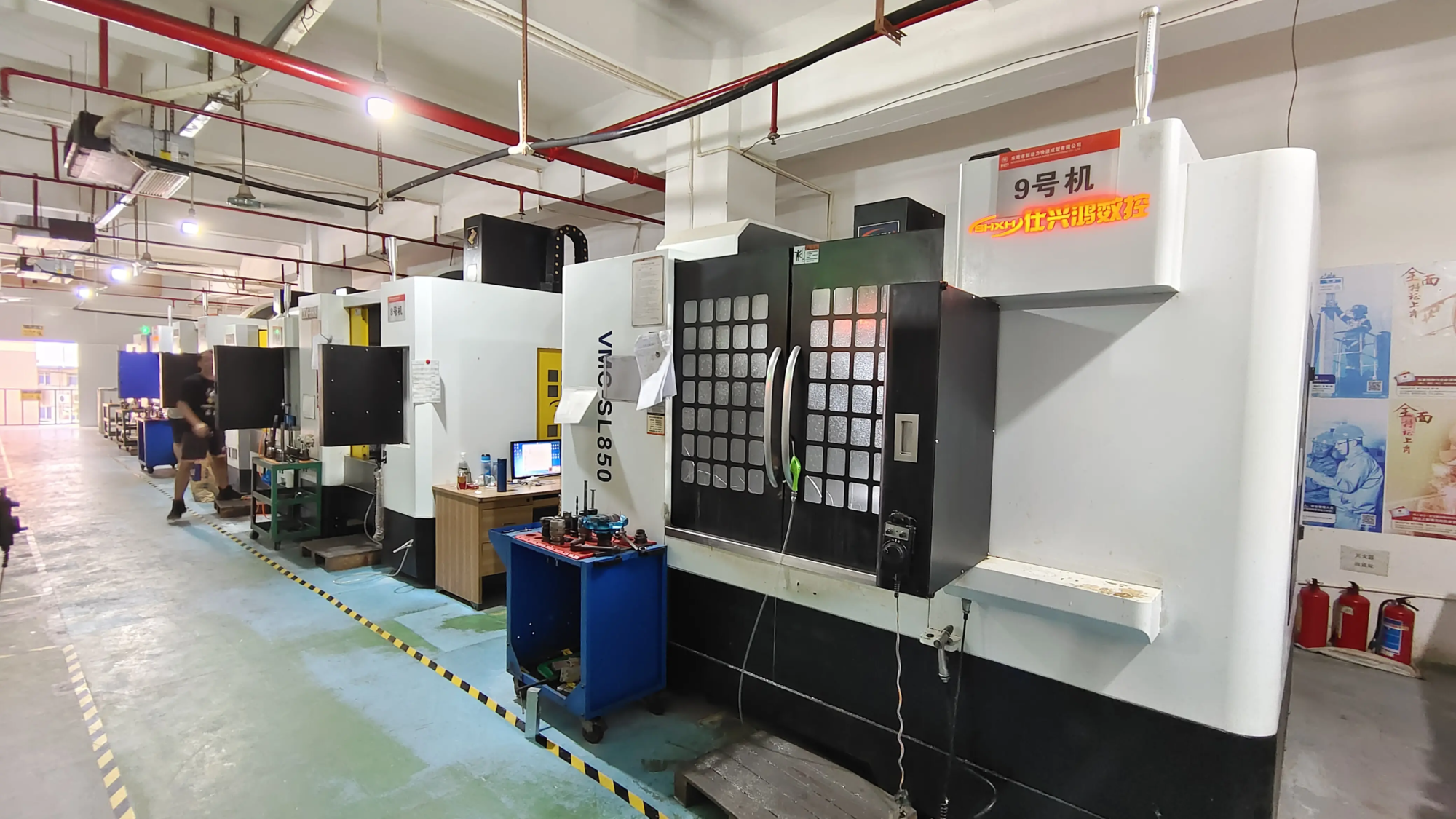
Creating complex geometric shapes, extremely durable parts or unique metal finishes can push the limitations of home printers. Here, the expertise of professional rapid prototyping manufacturers becomes invaluable. The company likes it GRESTHILY Rapid Manufacturing Reflects the forefront of additive manufacturing.
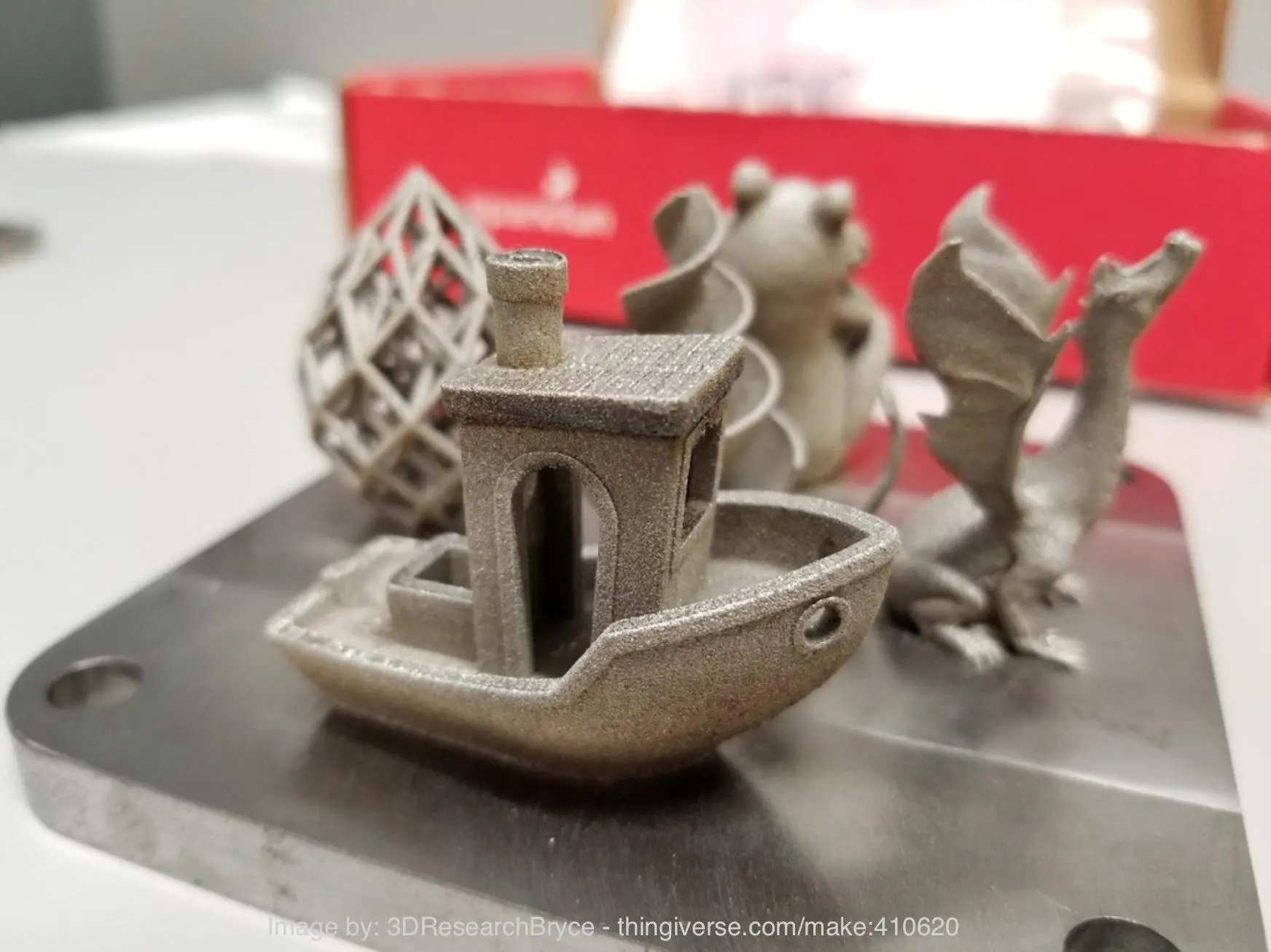
- Advanced features: Greglight Lover of High Cercision SLM (Selective Laser Melting) Metal 3D Printer In addition to advanced plastic printing technologies (e.g. MJF, SLS, SLA). This allows for complex designs in materials that go far beyond typical bench-type wires – think of lightweight aluminum alloys, strong titanium or professionally engineered polymers with unique properties.
- One-stop excellence: They not only specialize in printing, but also provide finished products. Their services cover the entire process: expert design consultation, material selection guide, highly accurate printing and crucial Professional post-processing and completion – Includes advanced polishing, sophisticated painting, powder coating, plating and precision machining to achieve museum-quality surfaces. Whether you need a single prototype or a small batch of perfect ears for a group trip, they can handle it.
- Speed and accuracy of demanding design: Is there a particularly meticulous concept of ears that involves small movement parts or ultra-thin films? They have solution-centric expertise and equipment that quickly prototype and perfect complex parts to ensure your vision is flawless.
- Material expertise: Accessing a large library of materials means your metal panther ears, glittering crystal-like Elsa designs or weight-optimized Star Wars Helmets can be a reality with professional-grade performance and aesthetics. Whether you send them the perfect digital design file (.Stl, .step) or require collaborative design support, Greatlight offers a tailored fast manufacturing solution.
in conclusion:
DIY Disney ears printed by 3D are more than just a craft. It’s an exciting fusion of creativity and technology. It enables you to design and wear truly unique park magic to reflect your personal style or to celebrate a specific character or moment. From the fun of designing in 3D software to the joy of being content with the pleasure of being one-of-a-kind creation that you have mastered in your hands, the journey is incredible.
While home desktop printer routes offer great accessibility and fun, don’t hesitate to explore the features of professional rapid prototyping services, e.g. Great For those projects with ambitious, high-definition or advanced substances. Their cutting-edge SLM printers and comprehensive finishing service ensure your vision translates into a professional, durable and absolutely amazing reality. So launch your design software or find inspirational templates, embrace the process, and be ready to design your dream Disney ears!
FAQ About 3D printed Disney ears
Q: Isn’t 3D printing of Disney ears expensive?
Answer: The costs vary. Upfront costs for DIY printers and materials at home are very high (typical ear sizes as well as typical filaments of paint/supplies $1-$1-$5). Professional services such as Greatlight are priced based on design complexity, materials, sizes and finishing levels, but offer unparalleled quality for work that is complex or material professional. For complex designs, it is usually cheaper than high-end boutique ears.
Q: Do I need to be an expert in 3D modeling?
one: not necessarily! There are many beginner-friendly options:
- Modify the existing design: Find basic ear templates with free sites (Thingiverse, etc.) and tweak them in free software like Tinkercad.
- Commission Designer: Free platform provides affordable design services.
- Professional Help: Companies like Greatlight can often use your concept sketches or ideas to assist with design improvements.
Q: What is the best material for wearable ears?
one: For home printing:
- PLA: The best piece of painted pieces. Lightweight and affordable.
- PETG: More durable, flexible and weather-resistant. Great unpainted or painted.
- Resin: Unrivaled detail/smoothness. Needs careful treatment and sealing. Suitable for complex shapes.
Meet professional needs: Aluminum alloys (lightweight/strong), specialty polymers (thermal/elastic properties) or resin-quantity copies from the Printer offer quality options available through services such as Greatlight.
Q: How to securely secure your ears to your headband?
A: Create slots/cleats at the bottom of the ear design with headband width (approximately 15mm). Use stronger adhesives such as epoxy, supergel gel (cyanoacrylate) or E6000. Clamping firmly until fully cured is critical. Strengthening the internal and internal contact points during the design process is helpful.
Q: Are there any copyright issues with making Disney-themed ears?
Answer: For Personal use (Put yourself into the park or gifts for family/friends) usually has no problem. Unless formally permitted, selling them commercially infringes Disney’s intellectual property rights. Respect IP and avoid accurate imitation designs of official products.
Q: My house prints are not smooth! How do I achieve professional completion?
Answer: Post-processing is crucial! Diligently (from rough, moving finer) sand, use high-quality fill/primer to create a smooth layer (sand between coatings), apply multiple thin layers of paint, and match with a protective clear coating. To achieve the final smoothness on complex designs, consider professional finishing services – they have technologies such as vapor smoothing (for some plastics) or precision machining that are difficult to replicate at home.
Q: Why do I use a professional service like Greatlight instead of doing it myself?
one: consider:
- Complex design: If your field of view includes complex details, thin walls, delicate structures or unique mechanisms.
- High-quality materials: Metals (aluminum, titanium, stainless steel), high strength polymers, or specific durable/flexible materials are not accessible at home.
- Perfect finish: Achieve mirror metal, perfectly smooth resin, special coating or multi-step coating finish.
- Expertise and speed: Utilize their engineering knowledge to optimize your design for productivity and durability and get raw results quickly.
- Equipment that doesn’t want: If you do not have a printer or access a printer. Send files and restore your ears!