introduce
Imagine your kitchen drawers are overflowing with cutlery, office supplies strewn about, or shop tools cluttered. Drawer organizers promise to order, but store-bought options rarely fit perfectly or accommodate special items. 3D printing is a solution that combines customization, precision and accessibility. Whether you’re a DIY enthusiast or looking for professional-grade durability, printing your own storage boxes can turn chaos into efficiency. At GreatLight, we push the boundaries with industrial-grade 3D printing, but today we’re going to look at how even beginners can use this technology for home organization.
Why 3D printing dominates
Traditional organizers suffer from limited sizes and generic designs. 3D printing eliminates these defects:
- Precision fit: Customize your organizers to millimeter-perfect drawer dimensions using free tools like Tinkercad or Fusion 360.
- Material innovation: PLA or PETG plastics are suitable for most household needs (e.g. cutlery, cosmetics), while nylon or metal alloys can withstand extreme wear and tear, making them ideal for garage tools.
- Cost efficiency: Printing complex geometries costs just pennies, while commercial pallets cost upwards of $20. Copy designs unlimitedly or iterate freely.
Step-by-step: Create your custom manager
1. Design stage
Combine functionality with creativity:
- measure: Pay attention to drawer depth/width and item height. Add 1–2mm tolerance for smooth sliding.
- Sketch modularity: Design interlocking sections (e.g., adjustable dividers, stackable bins) using parametric modeling applications.
- Community design: Remix repositories like Printables or Thingiverse for inspiration.
2. Material selection
Match the filament to the use case:
- family: Food safe PLA (easy to print) or PETG (heat/chemical resistant).
- Garage/Workshop: Choose abrasion-resistant nylon or carbon fiber composite.
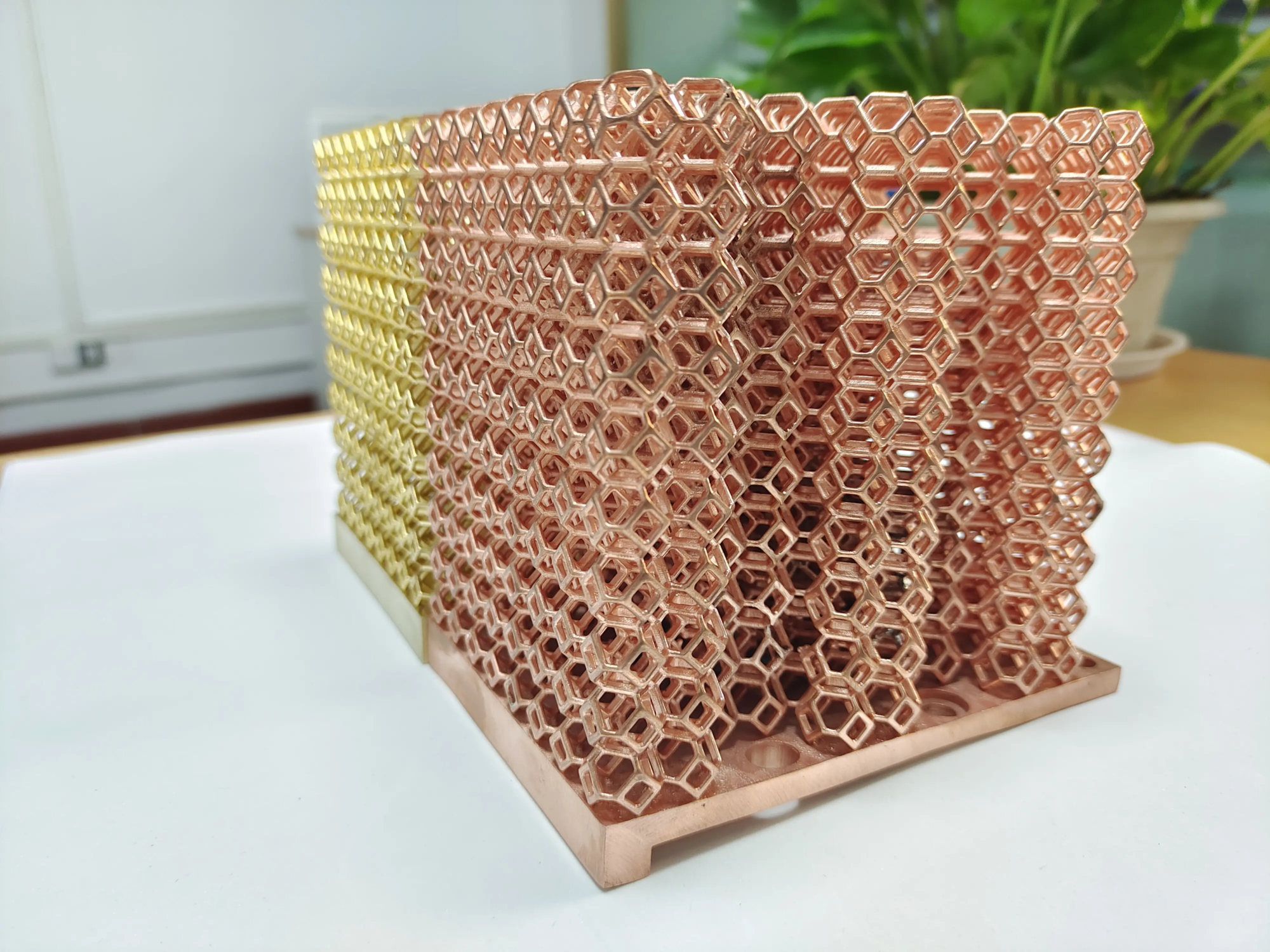
Pro tip: For fire protection or industrial loads, metal materials (e.g. aluminum, stainless steel) printed via the SLM/SLS process provide unparalleled durability – GreatLight specializes in such custom solutions.
3. Printing and post-processing
- set up: Use 20–30% filler for stiffness; 0.15 mm layer height allows for a smooth surface.
- Post-processing: Sand and prime plastic parts. At GreatLight we offer vapor smooth, electroplated or powder coated for commercial quality aesthetics.
4. Installation
Heat fit components for comfort or add adhesive foam strips if desired. Modular system allows for dynamic reconfiguration.
in conclusion
DIY 3D printed drawer organizers democratize customization – transforming cluttered spaces with cost-effective, audience-specific solutions. While hobbyists excel with desktop plastic printers, metal projects such as machine tool racks require professional-level expertise. That’s where GreatLight comes in: using advanced SLM 3D printing, we deliver fast, precision-made metal parts for aerospace-grade prototyping. Whether you’re printing PLA pallets at home or outsourcing tungsten carbide bins, combining creativity with technology can reinvent your organization. Ready to design your order? Start designing.
FAQ
Q1: Which free software is best for designing organizers?
Beginners love Tinkercad’s drag-and-drop interface; Fusion 360 offers advanced parameter control. Both export printer-compatible STL files.
Q2: Can I clean the 3D printed storage box?
Yes! PETG and nylon resist moisture/degradation – chemical cleaning will not deform. Avoid using abrasive scrubbers.
Q3: Are metal printed storage boxes practical?
When impact resistance or thermal stability is important (such as automotive tools), metal is unbeatable. Projects requiring titanium or aluminum benefit from GreatLight’s industrial SLM printers and CNC post-processing.
Q4: How to print organizers faster?
Flatten vertical elements to minimize print height and shell layers. Alternatively, use a hollow section with grid fill.
Q5: Why choose GreatLight instead of a home printer to print metal parts?
Desktop printers lack metal sintering capabilities. We achieve <0.05mm tolerances through over 50 metal alloys, thermal stress analysis and CT scanning to ensure load-bearing reliability for elite prototype designs.
Q6: How much does it cost to outsource metal organizers?
Prices vary based on size/material/quantity. Submit specs via the GreatLight platform to get an instant quote – volume discounts and finishing add-ons available.
Embrace innovation: blending DIY ingenuity with cutting-edge technology. For organizers or mission-critical prototypes, GreatLight connects concept to reality—precision engineered and trusted worldwide. Explore custom solutions→