Learn about your DIY Glock 43X Frame Printing Journey: Technical Insights and Responsible Practices
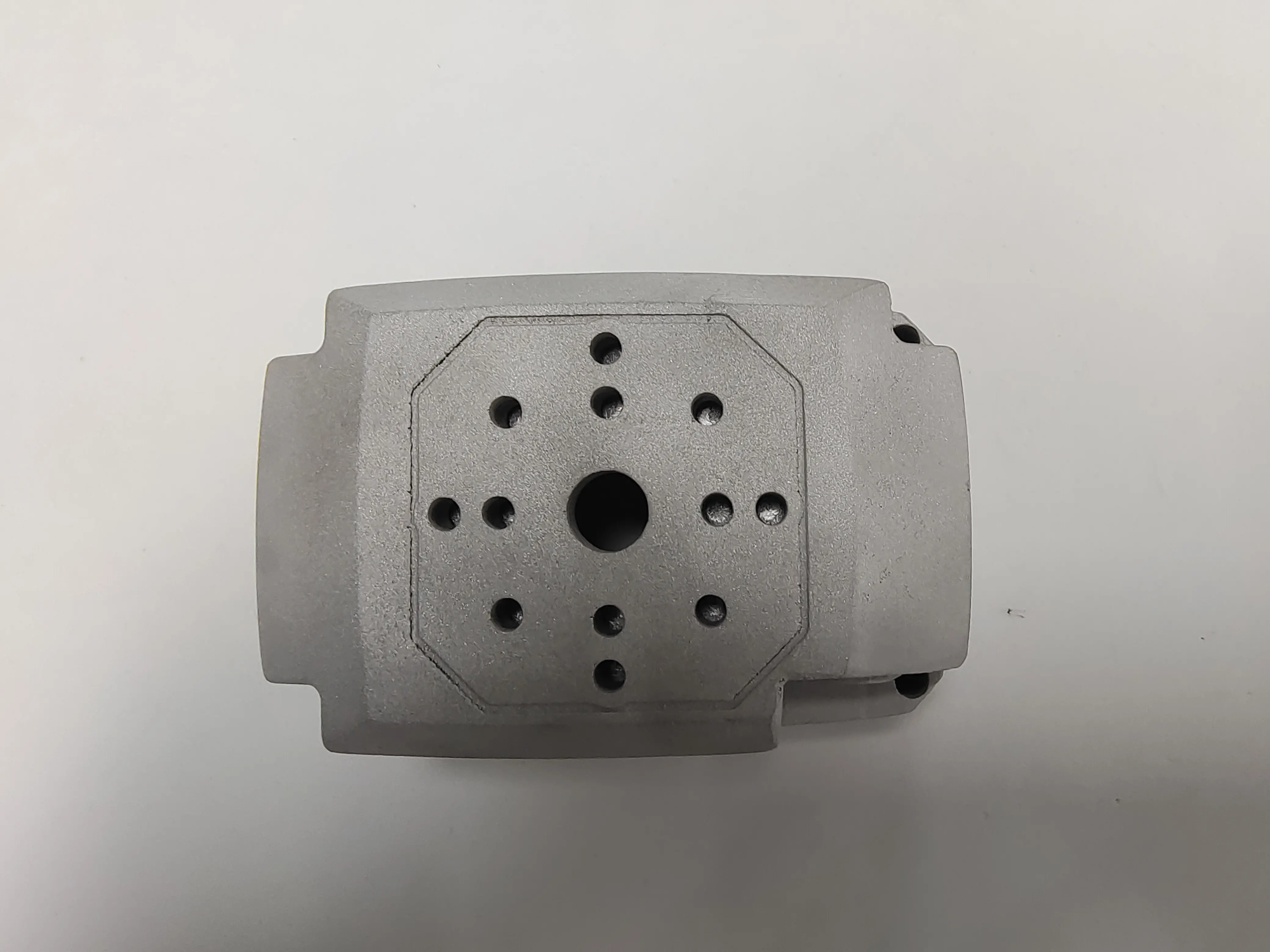
Revered for its compact size and reliable performance, the Glock 43X has inspired a surge of interest in DIY customization and fabrication. Among enthusiasts, there is an idea "print" The frame of a gun—particularly the lower receiver, which in many jurisdictions is legally the gun itself—raises complex questions. As experts in advanced additive manufacturing, GreatLight encounters inquiries about metal 3D printing applications every day. This blog delves into the realities, technical requirements, and key considerations of DIY Glock 43X frame printing, focusing on industrial-grade metal solutions and emphasizing non-negotiable legal and safety principles.
Why consider metal 3D printing for firearm frames?
While early DIY gun printing focused on FDM (fused deposition modeling) using polymers, these frames had inherent limitations: prone to creep, impact deformation, thermal sensitivity, and long-term fatigue. Polymer frames often require extensive reinforcement (such as metal inserts), sacrificing lightness and integration. Metal 3D printing, especially Selective Laser Melting (SLM) – Our GreatLight core technology – delivers a paradigm shift:
- Strength and durability: SLM creates parts by fusing fine metal powders (usually stainless steel 17-4 PH, titanium Ti6Al4V or maraging steel) layer by layer using a high-power laser. This results in nearly perfectly dense (>99.9%) parts with mechanical properties that rival or exceed those of forgings/castings.
- Design freedom: Complex geometries, weight-optimized internal channels or customized ergonomic features not possible with conventional machining become feasible.
- Rapid prototyping: Virtually and physically test iterations before committing to expensive production tools.
However, successfully applying SLM to critical high-stress components such as pistol frames requires deep expertise, specialized equipment, meticulous execution and rigorous post-processing.
Glock 43X gun body SLM process: technical breakdown
-
Legality and ethics first:
This is the most important thing. The manufacture of firearm frames, even privately, is highly regulated around the world. In the US, ATF regulations (e.g. GCA, NFA) apply – individuals can manufacture for personal use without a license, but:- It must comply with federal, state and local laws (many of which prohibit homemade firearms).
- absolutist "zero tolerance" Regulations exist in multiple jurisdictions. Ignorance is not a defense.
- Selling/manufacturing for others requires an FFL (Federal Firearms License).
- you cannot Make a gun that you are prohibited from owning.
- learn "80% frame" Continue with previous state – complete frames are regulated differently.
GreatLight operates strictly within the confines of the law. We will only engage in projects that fully comply with all applicable laws and regulations.
- Digital Blueprint:
Obtaining a workable CAD model was the first technical hurdle. STL files are available in public repositories, but they should be handled with extreme caution:- accuracy: Many DIY models lack critical dimension verification. Errors in critical areas (pin holes, rail geometry, locking block interface) can lead to catastrophic failure. Professional reverse engineering