Comprehensive DIY Guide to 3D Printing Glock Magazine Extensions
Magazine extensions for Glock pistols are popular accessories that provide greater ammunition capacity in a compact footprint. While commercial options exist, 3D printing your own allows for customization and cost savings. As a firearms enthusiast and rapid prototyping expert, I will guide you through the use of 3D printing to create functional magazine extensions that emphasize safety and performance.
Why DIY a Glock Mag extension?
- custom made: Customize sizes for improved holding comfort, aesthetics, or competitive shooting.
- Cost effectiveness: Using pennies of filament avoids the $20 to $60 retail price (not including printer cost).
- Iterate quickly: Quickly test multiple designs – change spring tension, angle or capacity.
Materials and Equipment
- printer:
- FDM (Fused Deposition Modeling): Great for beginners (e.g., Creality Ender 3).
- Resin (SLA/DLP): Higher detail, but less impact resistant (only for prototypes).
- filament:
- PETG: Best choice. Balances durability, temperature resistance and ease of printing.
- Nylon/CF-Nylon: Superior strength, but requires advanced processing (heating chamber, wear-resistant nozzles).
- Avoid using PLA: Too brittle for impact/pressure.
- tool:
- Magnetic spring (+10% length to expand capacity)
- Calipers for precise measurements
- Sandpaper and primer for post-processing
- Metal pin/spring retainer (commercial or DIY fabrication)
Step-by-step printing guide
Step 1: Obtain or design the model
- Prefabricated STL: Explore repositories like Thingiverse for tested designs (guaranteed to be compatible with your Glock generation/model).
- custom design: Use Fusion 360 or Blender. Key elements:
- Feed lip geometry meets OEM specifications
- Reinforced wall (thickness ≥ 2.5mm)
- Internal channel to accommodate spring expansion
Step 2: Printer Calibration
- Carefully level the bed.
- Best settings:
- Floor height: 0.15-0.2mm
- Fill: 100% (solid structural integrity)
- Wall: ≥4 perimeter
- Temperature: PETG (230–245°C), Nylon (250–265°C)
- It is recommended to use a case to prevent deformation.
Step 3: Print direction
- Print right side up (the baseboard lies flat on the bed) for even layer bonding.
- Avoid bracing by designing angles ≤45°.
Step 4: Post-processing
- Use 220-grit sandpaper to remove imperfections.
- Annealed PETG: Bake at 90°C for 30 minutes to enhance interlayer adhesion (prevent cracking).
- If necessary, seal the surface with epoxy.
Step 5: Assembly and Testing
- Insert extension spring and follower.
- Test retention – Shake the loaded magazine to ensure the spring does not bind.
- Crucial: Use simulated ammunition to conduct ammunition supply reliability testing before firing live ammunition.
Security and reliability considerations
- Pressure points: Failure usually occurs at the locking tab or feed lip. Using a soldering iron prioritizes precise layer adhesion and reflow stress points.
- responsibility: DIY extensions are not subject to customs duties. Avoid using them for home defense/carrying without extensive testing.
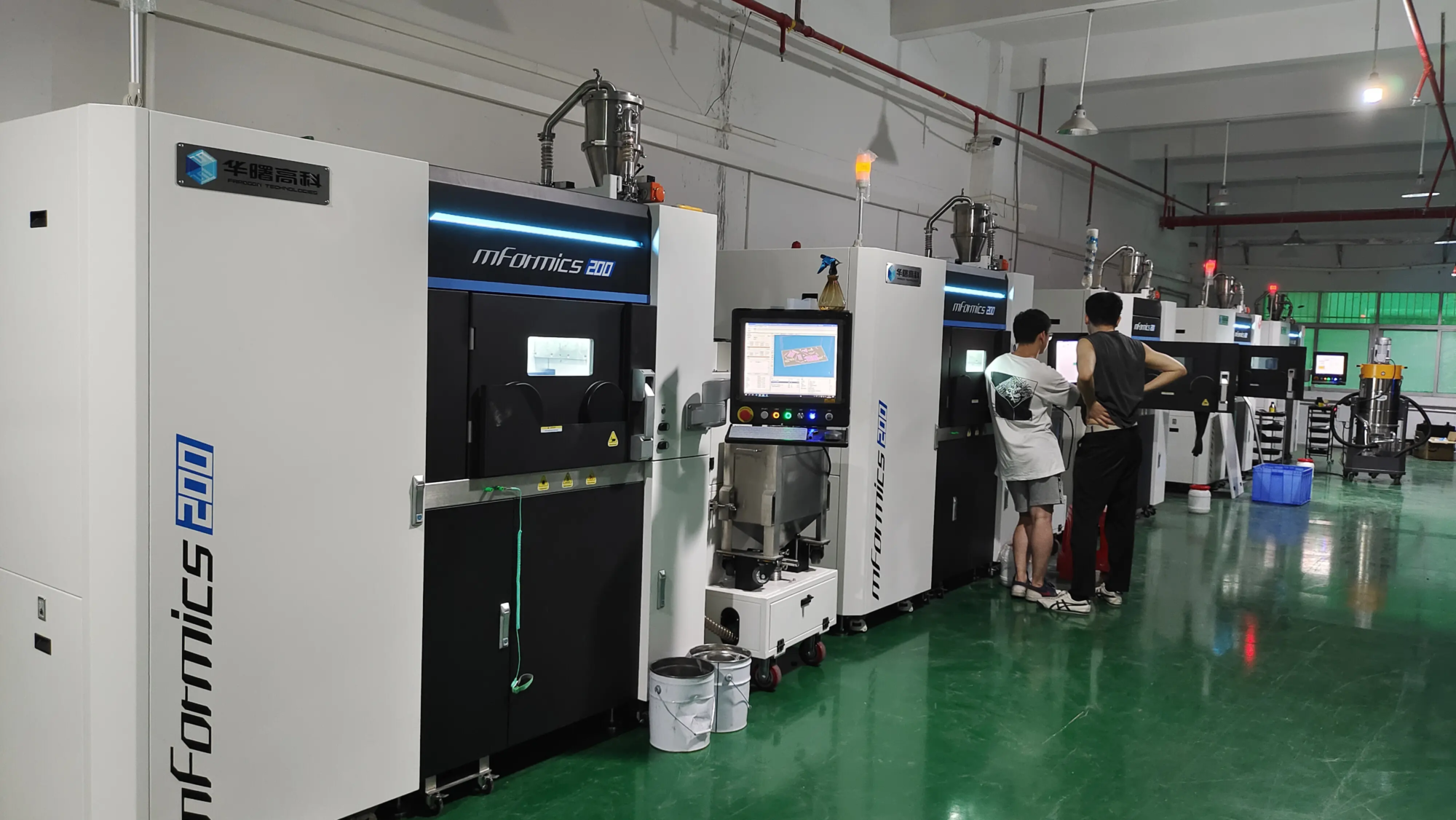
- Professional choice: For undisputed reliability, take advantage of metal 3D printing services such as huge light. Their Selective Laser Melting (SLM) technology machines aluminum/stainless steel extensions with OEM-level precision, ideal for high-stress applications. They offer one-stop post-processing (heat treatment, polishing) for seamless