Making Your Own Coin Holder: A Comprehensive 3D Printing DIY Guide
Coin collection is not just a hobby, but a journey of history and art. Custom coin holders not only organize your treasure, but also convert it into a personalized display. 3D printing allows you to create a holder as unique as your collection and combines functionality with design freedom. This guide will take you through every step, from digital design to finished products, and you will be proud of the display.
Why 3D printing your coin stand?
- custom made: Design room for designing rare and oversized coins, irregularly shaped tokens or theme collections (Ancient Rome, modern monuments).
- Final protection: Create soft safety slots to prevent metal-to-metal contact and reduce scratches and oxidation risks.
- Visual storytelling: Integrate labels, prints or decorative foundations to make your coin’s history relevant.
- Cost-efficiency: A small portion of the commercial cost of producing museum-level displays, design iterating as collections grow.
Phase 1: Design your coin stand
Select your design tool
- beginner: Easy to use tinkercad for drag and drop. Prefabricated templates for columnar mesh or layered shelves are easy to obtain.
- Senior designer: Select Fusion 360 or Freecad. These allow the liquid curve to be used for new and new dimension-inspired basis, parameter dimensional adjustments, and boolean operation of interlocking parts.
- Professional Tips: Combine the tapered slot (wider top) for easier insertion/removal of coins. Add 0.5 mm tolerances per side to avoid frictional damage.
Key design considerations:
- Thick wall: Plastic rigidity (PLA/PETG); metal 1 mm.
- Basic stability: Ensure weight distribution with a wide footprint, digitally adding anti-slip pads.
- Modular: Design stackable layers or scalability units.
Phase 2: Material and Printing Technology Selection
Desktop plastic printing (home user)
- Recommended materials:
- PLA: Affordable metal/translucent; ideal for decorative holders.
- PETG: Higher influence; more suitable for heavy coins or travel cases.
- set up: The layer height of 0.1mm is used for smooth surfaces, with 100% filling stiffness.
- Post-processing: Wet sand (400→2000 particle size), with optional epoxy coating for glass sample finish.
Professional metal printing (for high quality)
When to consider metal:
- Show high value coins
- Requires anti-pollution characteristics (copper alloy)
- Requires lifespan and temperature resistance
Industry-leading solutions:
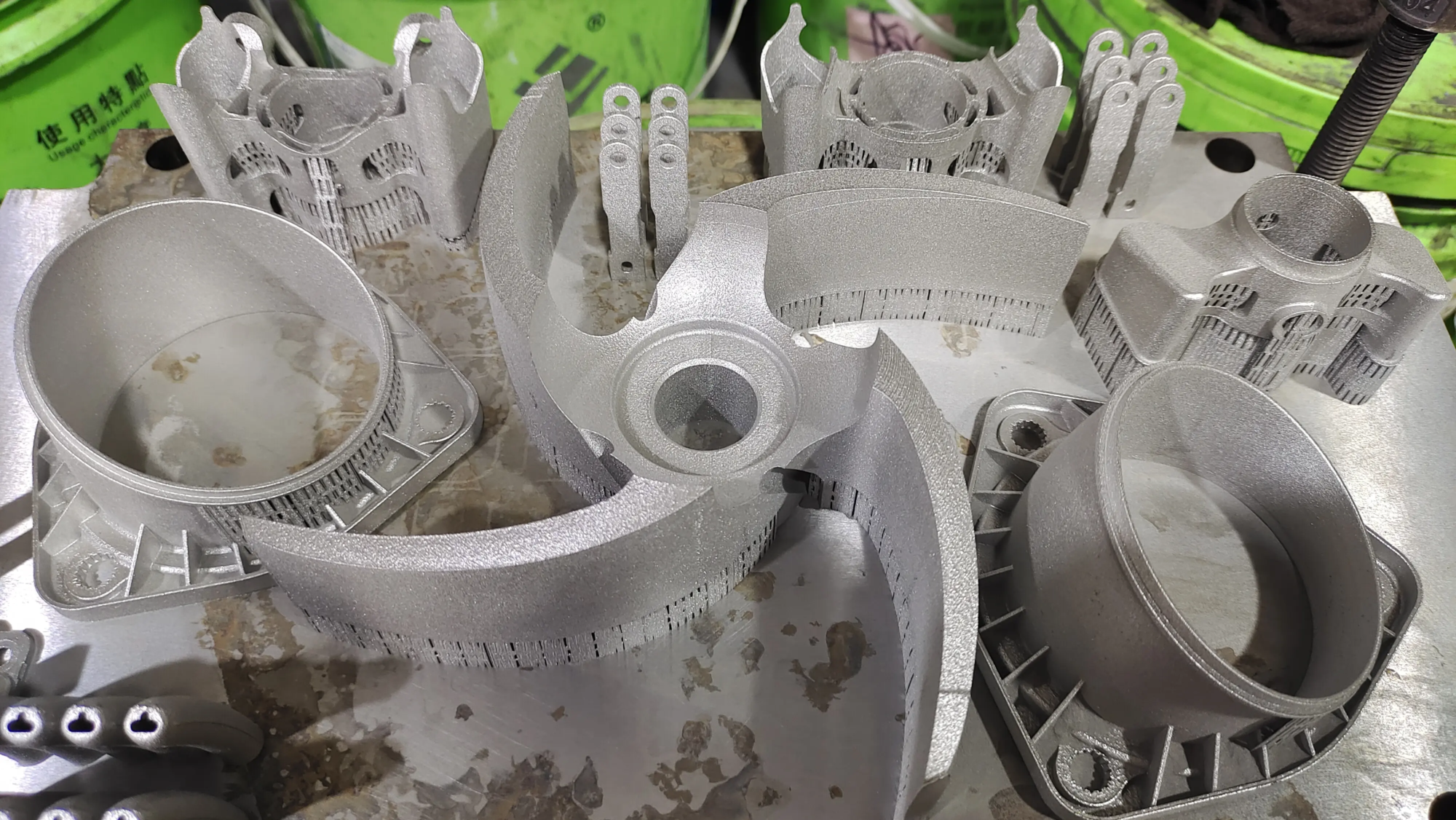
For holders who require museum-level durability and accuracy, Metal additive manufacturing It is unparalleled. Leading service providers like Great supply:
- SLM (Selective Laser Melting): Fusion metal powder (stainless steel 316L, aluminum, titanium) to holder of layer by layer, corrosion resistance.
- Surface excellence: Achieving the accuracy of ±0.1mm in size, it is crucial for a perfectly fitted coin slot.
- Advanced post-processing:
- Soft matte textured microbead blast.
- Electric polished mirror finish.
- Custom aged patinas or gold plating with PVD coating.
Choosing Greatlight ensures industrial-grade materials and protects heirloom quality results. Their one-stop solution can handle everything from prototyping to final completion – the ideal design for enthusiast printers.
Phase 3: Printing and Post-processing Guide
Plastic printing workflow:
- Slice wisely: Real-directional model to minimize support (e.g., building foundation base base). Use the support of the tree for complex overhangs.
- Print: If ABS is used, pack the printer; monitor the first layer of adhesion.
- Clean: Carefully remove the support with a rinse cutting machine. Fill the lines with fill putty.
- Finish: Primer → Wet sand → Spray paint with acrylic. Use fabric glue to insert felt lining.
Advanced Metal Finishing (via Greatlight):
The holder of SLM printing has experienced:
- Pressure relief annealing: Eliminate internal pressure.
- CNC machining: The critical surface (slot edge) is milled to a smoothness below 10μm.
- Protective coatings: Transparent paint prevents powdery or artificial oxidation to achieve antique effect.
Stage 4: Customized Ideas
- Integrated RFID tags: Add hidden compartments to digital ownership logs.
- Interactive Basics: Embed NFC chips to the chips that are linked to the source of the coin when scanning.
- light: Frosted light tube designed for battery-powered sideline display.
- Hybrid composite materials: 3D printing cavity, insert wood/bamboo board with slot or dovetail.
in conclusion
3D printing revolutionizes numerical displays, converting lazy holders into well-planned storytelling experiences. Whether you are using plastic at home or working with industry pioneers Great For stainless steel masterpieces, custom 3D printing holders can preserve the integrity of your collection while enhancing their presentations. Use this technology to make coins more than just artifacts, but to make coins immortal like art.
Avoid compromise. Improve your vision.
Great Provides precision metal prototypes with aerospace quality control. Upload your design now for instant DFM feedback and competing for price. Experience why leading collectors trust Heirloom additive manufacturing solutions for Greatlight.
FAQ: 3D printed coin holder
Q1: Can I use a resin (SLA) printer to print a coin stand?
Answer: Yes! SLA provides ultra-smooth surfaces for reduced post-processing. Use labeled resin "Durable" (For example, siraya blu) Avoid vulnerability. Note: Over time, the UV resin is yellow; apply UV protection transparent spray.
Q2: How to prevent coins from sticking to plastic slots?
A: Apply a coat of microcrystalline wax (Renaventurine brand) or silicone-free lubricant. Avoid using oils that may penetrate chemicals.
Question 3: Will 3D printing holders damage coins?
A: If the design is correct, it cannot. Use neutral PH plastics (e.g., PETG, PP) or archive metal (316L stainless steel). Acid PLA may release trace volatiles over decades. Metal prototypes with inert coatings are safest for high value collection.
Question 4: How does Greatlight handle minimum orders for metal holders?
A: They specialize in small batch production – orders start with one unit. Large discounts are available for over 50 pieces.
Q5: Which coin layout is best for 3D printing?
Answer: Grid layout ensures structural integrity. Round/spiral designs may require thicker walls. Share draft designs with Greatlight engineers for free optimization suggestions.
Q6: How thick should the walls of the heavy coin series be?
Answer: Plastic bracket: ≥3mm wall and grid support. Metal holder with SLM: 1-1.5mm, strong enough even for the Golden Monarch.
Question 7: Can Greatlight Print Bolder use precious metals like silver?
Answer: Yes! They offer precious metal printing (Silver 925) through a dedicated SLM unit – perfect for high-end gift display.