Revolutionize Your Drive: A Comprehensive DIY Guide to 3D Print Your Own Car Phone Installation
Tired of fragile, inappropriate commercial phone mount sliding on the dashboard or blocking the vent? Why solve the off-the-shelf solution when you can create the perfect custom solution? 3D printing enables you to tailor-made for your specific equipment, interior decoration and use style design and manufacturing automotive mobile installations. This guide will complete the entire process for you, converting digital designs into functional accessories to enhance each stroke.
Why 3D printing your car phone mount?
The advantages are convincing:
- Perfect for: Design a holding cradle your Close-fitting mobile phone model, eliminates swaying.
- Custom integration: Make a mount that can be securely clamped, safely ventilated or perfectly adhered to the unique profile of the dashboard.
- Durability control: Choose a material that suits your needs – economical PLA for prototyping, electrically resistant PET for everyday use, and even metal alloys for extreme wear resistance.
- Cost-effective: Avoid expensive retail markings; pay for only the materials used.
- satisfy: Experience the pride and practicality of the functional tools you create.
Materials and tools you need
- 3D printer: FDM (Function Deposition Modeling) printers are the easiest to access. Make sure your printing bed is large enough to hold parts.
- filament: PETG is highly recommended because of its balanced strength, heat resistance (both important for hot cars!), durability and ease of printing. PLA+ is suitable for colder climates or prototypes. For final strength and heat resistance, consider materials such as ABS or nylon (requires a printer housing).
- Design File: Download prefabricated models from repositories such as Thingiverse, Prinbables, or Cults 3D, or create your own using CAD software (Tinkercad, Fusion 360, Freecad). Search similar "Universal telephone mount," "Car ventilation clips," or "Dashboard wedge seat."
- Slicing software: Ultimaker Cura, Prusaslicer or Bambu Studio. Convert the model to printer instructions (G code).
- (Optional but recommended) Post-processing tool: Sandpaper (various sandpaper), X-Acto knife/file (for cleaning), isopropyl alcohol (cleaning), primer and paint (for aesthetics).
- Hardware (depend on design): Small screws/nuts, adhesive rubber pads, elastic straps or springs (if not integrated into the print). Always check the description of the selected design.
Step by step guide
-
Source or design your model:
- download: Find a design that fits your phone’s size (precise measurement!) and car installation preferences (ventilating clips, suction pads, adhesive pads, CD slots). Read reviews and comments for experience.
- design: The cradle size is designed 1-2 mm larger than the width and thickness of the phone for easy insertion and incorporates a slight internal grip or fill position. Ensure the installation mechanism is strong. Includes clearance for charging cables!
-
Prepare to print (slice):
- Import your model (usually.STL) into the slicing software.
- Select Settings:
- Materials: Choose PETG, PLA, etc.
- Layer height: 0.15mm to 0.3mm. Lower = smoother details, but longer printing time.
- filling: 25-40%. Provides internal support strength. The critical stress point is higher.
- Perimeter/Wall: 3-5 rigid circumferences.
- support: Enables if the part has dangling (> 45 degrees). Use tree support where possible for easy clearing.
- Edge/raft: Enable edges for better bed adhesion, especially for smaller parts. Avoid rafts unless necessary.
- direction: Oriental parts have such functional surfaces (phone contact point, mounting surface) that face the best finish. Minimize overhang.
-
print:
- Make sure the bed platform is perfect. Clean the printing bed with isopropanol.
- If necessary, apply adhesion assistance (glue stick, PEI/PEX hair spray).
- Load wire and preheat according to the settings (PETG ~230-250°C extruder, 70-85°C bed).
- Start printing via the printer’s interface/slicer. Strictly monitor the first few floors.
-
Post-processing and assembly:
- Delete support: Carefully remove the support and any edges/rafts. Use a rinse cutting machine and tweezers. Use sandpaper or hobby knife to clean the scars.
- Clean and smooth: Wash parts in warm soapy water to remove oil/residue. If needed, light sand edges or layer lines for aesthetic/manual comfort (220+ grit gradually reaches over 400 grit). Wipe dry.
- assembly: Follow the instructions for your design. Securely insert the spring/belt to securely secure the arms/hinges. Apply the adhesive rubber pad to the friction/support points to prevent scratches and grip. Test components fit before final tightening.
- Install on your car:
- Place: Selecting a safe location provides a clear view without blocking the driver’s sight or airbag deployment path. Make sure it doesn’t hinder control.
- appendix: Depending on your installation style:
- Exhaust clip: Gently insert into horizontal or vertical slats. Don’t force it; make sure it is safe without bending the blades.
- suck: Thoroughly clean the mounting surface (windows/dasteresis). Moisturize the suction cup and press it firmly on the surface for more than 30 seconds. Make sure the lever lock is fully involved.
- Adhesive pads: Carefully clean the mounting surface with isopropanol. Peel and stick firmly, applying pressure for 1-2 minutes. Please allow 24-72 hours for full-bond strength before loading.
- Add a phone: Put your phone firmly in the cradle. Ensure that the grip mechanism (spring, elastic, friction) is securely secured, even for bumps.
Conclusion: Release customization and Greatlight
Congratulations! You have successfully leveraged the capabilities of 3D printing to create a personalized solution that is perfect for your driving needs. The project demonstrates the core benefits of modern prototyping: rapid iteration, design control, and functional customization.
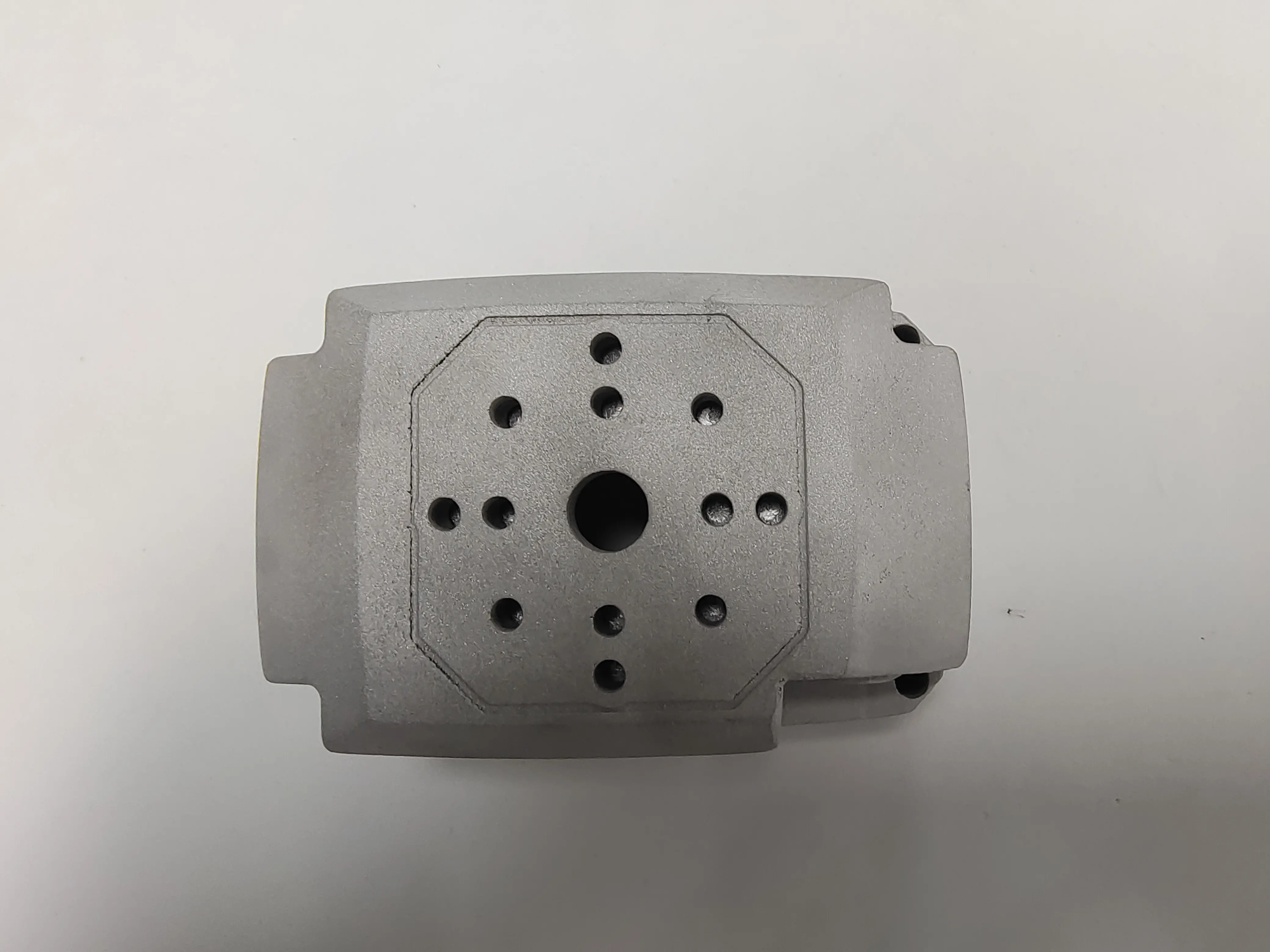
While using plastic desktop FDM printers perform well in most consumer prototypes and functional parts, what about scenarios that require extreme durability, heat resistance, or advanced aesthetics? This is a place to use professionals Metal 3D printing service Become a game rule.
For applications such as car phone installation Selective laser melting (SLM) technology. Metal mounts offer unparalleled people:
- Strength and rigidity: There is no bending even under harsh conditions.
- High temperature performance: Perfect for hot summer dashboards, plastic can soften.
- Premium finish: SLM parts can achieve near mesh mass, minimizing post-processing.
- longevity: Anti-UV degradation and the resistance that plastics will eventually face.
Transfer from DIY Plastic Printing to Professional Accurate rapid prototyping Unlock new levels of performance and durability. Leading providers combine cutting-edge SLM equipment with deep material expertise and comprehensive finishing capabilities to quickly and efficiently convert designs into productionable metal parts. Whether you are perfecting the final injection molded prototype or the end-used metal assembly, you need Custom precision machiningprofessional services bridge the gap.
FAQ (FAQ)
Q1: Is the PLA powerful enough for a car mobile phone mount?
- PLA is strong, but brittle and has a significantly higher deformation than ~60°C (140°F). In a hot car, it can twist or sag over time. PETG or ABS/nylon is a far superior choice Durability and heat resistance. For the final solution to resistance to any environment, explore Metal 3D printing options For example, aluminum or titanium alloys.
Q2: Why is my mount rattled or not holding the phone firmly?
- Comfortable comfort: Your phone’s cradle may be too big. Redevelop and ensure the design is tight (1-2 mm gap maximum).
- Weak mechanism: Reassess the spring/elastic tension or adds foam/rubber pads for friction.
- Loose components: Tighten all screws and joints. Check the tolerance slope in the design.
- Unsafe installation foundation: Make sure the ventilation clips are fully involved, the suction cup has a clean/wet seal, or the adhesive pad is properly bonded to a clean surface.
Q3: Where can I find good design files?
- Free options abound thiteiverse.com,,,,, printables.comand cults3d.com. Search with specific keywords (e.g. "Galaxy S23 Ultra Vent Mount SUV"). Always view comments and comments for feedback on features and print quality.
Q4: Can I 3D print a mount at home?
- Desktop metal 3D printing (SLM/SLS) is currently incomprehensible and economically unfeasible for typical consumers. It requires specialized, expensive industrial equipment and a controlled environment. for High-strength heat-resistant metal components,and Professional rapid prototype service provider Equipped with an industrial SLM printer is a practical solution.
Q5: What if I need high-precision, high-strength metal prototypes?
- For parts requiring material properties (e.g., aluminum alloy, titanium, 316 liters or 17-4ph) or complex geometry Professional rapid prototyping service. Leading providers (like providers that specialize in SLM technology) Provide expert design consultation, advanced production capacity and Comprehensive post-processing (Heat treatment, processing, surface finish) effectively provides production quality metal parts. This is ideal for functional prototyping or end-use components Precise processing and the highest standards of durability/corrosion. These services are particularly valuable when transitioning from polymer prototypes to functional metal verification or production of parts.