Cultivating innovation: How 3D printing is revolutionizing DIY hydroponics
Imagine picking fresh basil, crisp lettuce or juicy strawberries from a garden that fits your balcony, uses 90% less water than traditional methods and is built with custom parts Design and print your own. This is not science fiction, but the world of 3D printed DIY hydroponics. By combining the efficient, soilless growing technology of hydroponics with the precision and customization of 3D printing, gardening enthusiasts are unleashing unprecedented flexibility and control. Let’s explore how you can use this technology to create a future garden that’s perfectly suited to your space and needs.
Synergy: Why 3D printing and hydroponics are a perfect match
Hydroponics eliminates soil and delivers nutrients directly to plant roots through a water-based solution. It’s efficient and space-saving, but commercial setups are often rigid and expensive. This is where 3D printing shines:
- Super customized: Design systems for awkward spaces – angled windowsills, narrow walls or compact apartments. Adjust net cup sizes for herbs and tomatoes, or create modular stacking units.
- Precision Engineering: Print complex channels for optimal nutrient solution flow, air-tight gaskets for storage tanks, or custom pipe fittings. This minimizes leakage and maximizes plant health.
- Cost and Sustainability: Print durable, reusable parts instead of buying kits. Fix or iterate designs affordably and reduce waste.
- Quick experiment: Test changes, such as adjusting the nozzle design for better mist coverage in your aeroponic setup, within days without waiting for mail-order parts.
Design and print your hydroponic components
Important parts you can print:
- Mesh cups and planting trays: Hold the plant and roots. Add custom notches for pipes or sensors.
- Reservoir and lid: Waterproof base with slots for pump and pipes.
- Pipe connectors and manifolds: Distribute nutrient solution evenly across channels.
- Structural support: A stand for a vertical farm or a frame for an LED grow light.
Tips for successful design:
- Prioritize food safety: Use non-toxic, food-safe filament. PETG is the ideal material – it’s waterproof and heat-resistant. Avoid using PLA in humid/warm environments (may deform/degrade).
- Ensure watertightness: Designed with thick walls (≥2mm), epoxy coating is applied after printing, and rubber seals are used for sliding parts.
- Optimized strength: Increase the filling density of load-bearing components (≥30%). Reinforce the joints with triangular gussets.
- Software tools: Beginners start with Tinkercad; advanced users unlock Fusion 360 for parametric design.
Material matters:
- Need your nutrient solution to be corrosion-resistant? PETG sparkles.
- Designing a compact system close to a heat source? ABS can withstand higher temperatures.
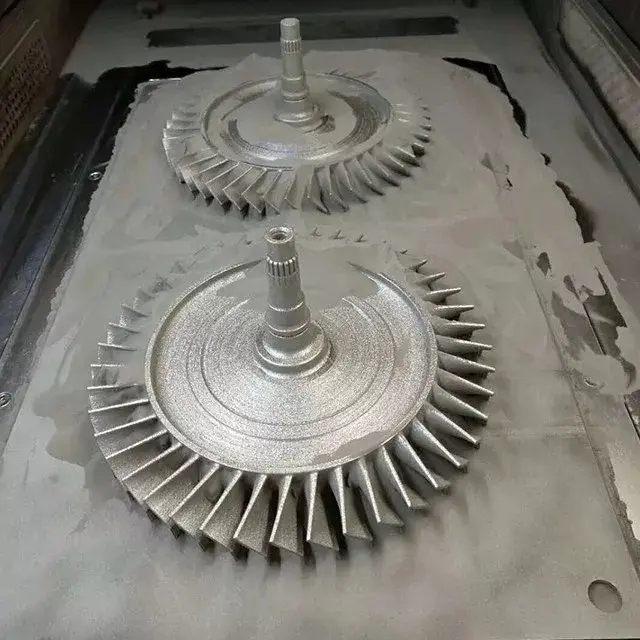
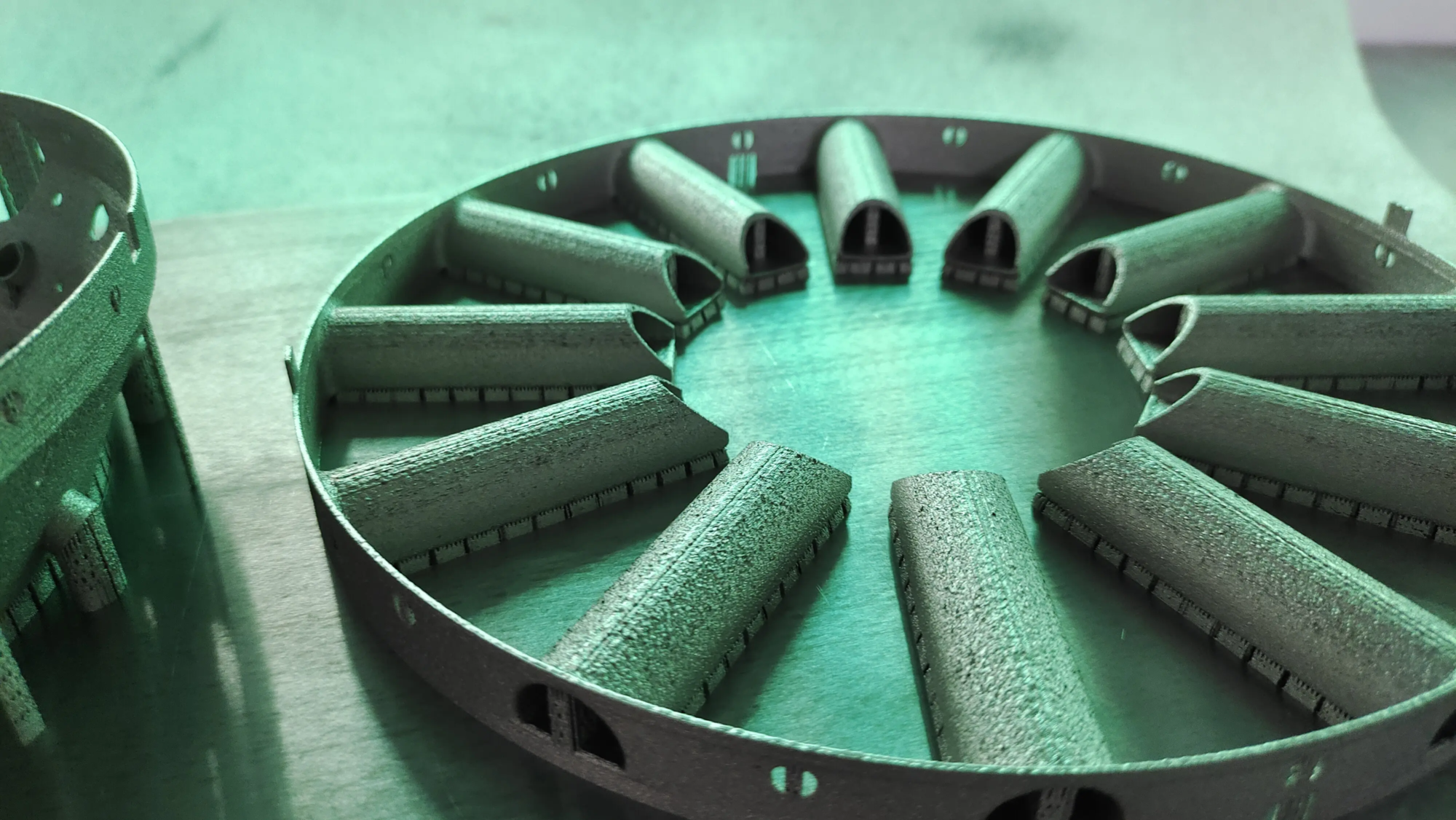
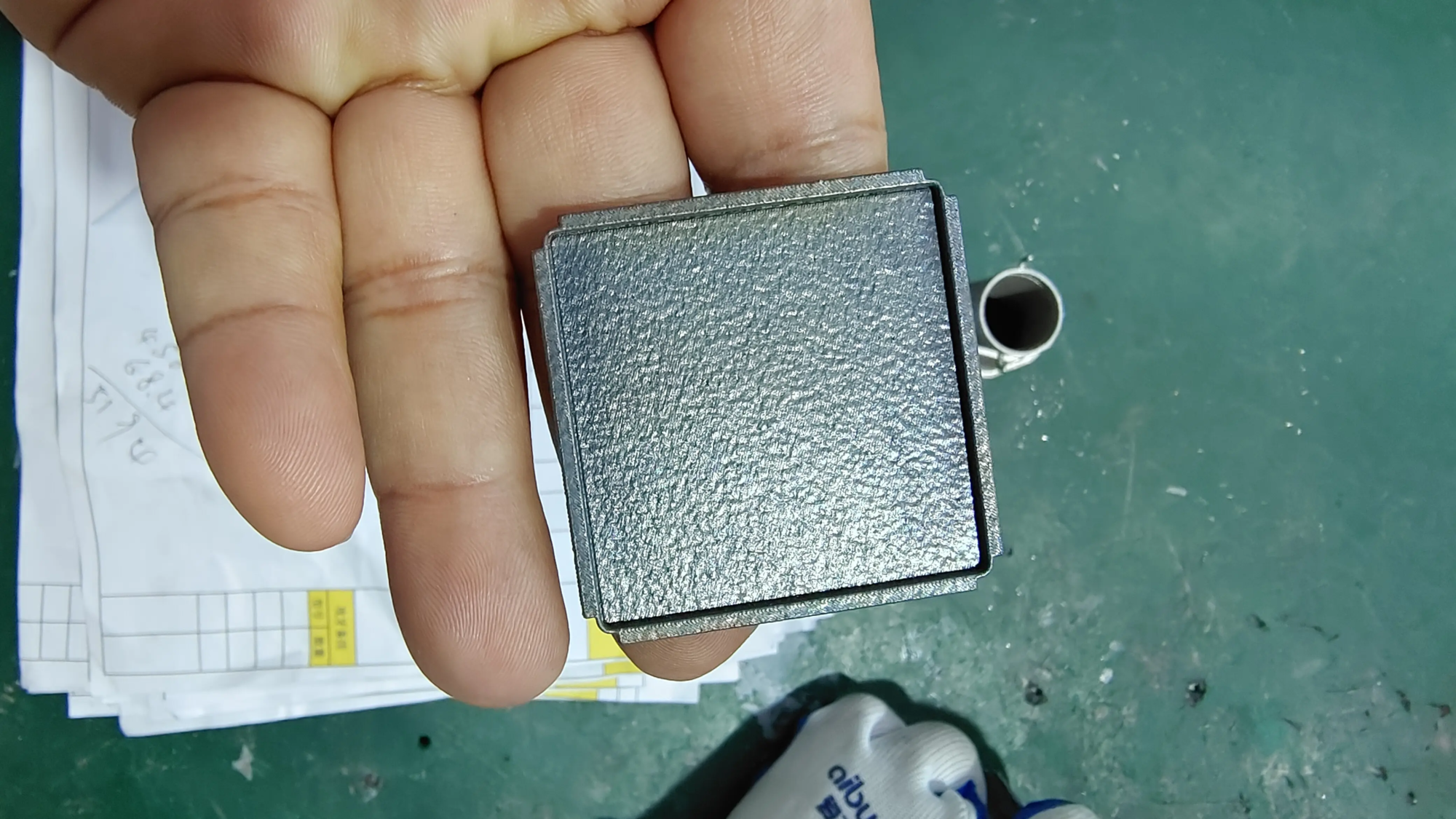
- Pushing the limits for demanding applications – such as pressurized hydroponic lines or outdoor setups? Professional metal printing address these challenges. Services such as huge light Leverage SLM (selective laser melting) technology Machine stainless steel or titanium parts with unparalleled strength, thermal stability and precision. For complex geometries in high-stress environments, outsourcing to experts ensures reliability.
Building your system: a practical guide
Step 1: Choose your hydroponic method
- Deep water culture (DWC): Simple floating raft – print mesh basin and aerator accessories.
- Nutrient Film Technology (NFT): Precise angle channels are required – design modular gutters with calculated slopes.
- Aeroponics: High-Pressure Atomization – Micron-level precision nozzles excel in professional metal printing.
Step 2: Print and assemble
- Slice the model using high resolution settings (0.1 mm layer height) to obtain a smooth surface.
- Seal seams with aquarium grade silicone. Integrated submersible pump and air stone.
- Attach LED grow lights to printed supports – place them according to crop needs (e.g. leafy greens vs. fruity plants).
Step 3: Go Live!
- Circulate water with nutrient solution (pH 5.5–6.5).
- Start with simple crops: Lettuce, mint or kale thrive.
Maintenance: keep thriving
- Monthly Flush: Prevent salt buildup by cleaning your water tank and pipes. Printed parts simplify the disassembly process.
- Algae Defense: Use opaque materials or cover clear containers – PETG resists UV degradation.
- Root health: Proper oxygenation is ensured with printed ventilation components.
Conclusion: Get smarter, not harder
The convergence of hydroponics and 3D printing democratizes advanced agriculture. You’re no longer limited to store-bought kits – you can design solutions for your environment. While DIY printers can handle most components, projects that require industrial-grade durability, such as high-voltage systems or permanent outdoor installations, benefit from professional manufacturing. company likes huge light Bridging this gap, providing end-to-end rapid prototyping— From SLM-printed metal parts to post-process finishes — ensure your most ambitious designs are built to last. The future of gardening is customizable, efficient and highly personal. Print, cultivate, innovate!
DIY Hydroponic 3D Printing: FAQs
Q1: Are 3D printed hydroponic parts safe for plants?
A: Yes, if made from food safe materials (PETG, PP) and properly sealed. Avoid porous designs; prints are coated with food-grade epoxy for added safety.
Q2: How much does it cost to get started with setup?
A: A basic home printer (approximately $200-$400) can print a simple DWC system with less than $20 in supplies. Commercial pumps/nutrient solutions cost extra, but last year.
Q3: Can I print the entire system outdoors?
A: For outdoor use, please use UV-resistant filament such as ASA. For structural supports or permanent fixtures, metal printed parts prevent weather-related warping/cracking.
Q4: What is the biggest design mistake to avoid?
Answer: Ignore water tightness. Test print submersion forward Planting – identify leaks and strengthen thin walls.
Q5: When should I use professional prototyping services?
Answer: For those who need:
- Extremely high precision (e.g. aeroponic nozzles).
- Metal strength for durability (hydraulic fittings/load-bearing frame).
- Complex geometries are challenging for FDM printers.
Services such as huge light Focus on quickly iterating on such components.
Q6: How do I extend my garden?
A: Print modular units! Design stackable pallets or interlocking lanes for vertical farming. As the system grows, make sure the pump can handle the volume—strengthen the bracket with thicker padding or metal support rods.
Ready to blend technology and green? Don’t be afraid to experiment – your perfect garden is as simple as a printed photo.