Blog Post: Build Your Ultimate DIY IKEA 3D Printer Desk – Organized, Affordable, and Professional-Grade Quality
introduce
As 3D printing enthusiasts, we know the struggle: tangled spools of filament, stray tools, and a printer sitting on a rickety table. A dedicated workspace isn’t just a luxury, it’s essential for precision, safety, and sanity. Enter IKEA, the paradise of modular DIY solutions. In this guide, you’ll learn how to transform off-the-shelf IKEA components into a stylish, fully functional, efficiency-optimized 3D printed desk, while getting professional-grade insights from industrial prototyping experts. Whether you’re a hobbyist or a low-volume creator, this build balances cost-effectiveness with industrial smarts.
Why choose IKEA?
IKEA’s ecosystem of tables, cabinets and accessories offers unparalleled flexibility:
- Modular: Mix and match parts as your printer count grows.
- Vibration stability: Heavy-duty tabletop suppresses resonance for clearer printing.
- Cable management: Built-in solution keeps wires off the floor.
- budget friendly: Get a professional setup for under $200.
DIY Blueprint: Step-by-Step Assembly
Materials required:
- Desktop (option)
- Lin Meng 78": Affordable particle board. Avoid placing the heated bed directly on an untreated surface – use a heat-resistant pad.
- Kirby Walnut Countertop(74"): Solid wood has excellent stability and beauty.
- Support Base (select one)
- ALEX chest of drawers (x2): Provide tool storage and fixed desktop.
- ADILS legs(x4-6): Suitable for open floor designs (with shelves in the middle to ensure rigidity).
- Accessories
- SIGNUM cable organizer: Installed under the table for routing power cords and USB cables.
- SKÅDIS pegboard: Wall-mounted filament holder, nozzle and caliper.
- KALLAX shelving unit: Side storage for resin or print parts boxes.
Assembly process:
- Prepare space: Measure your room. Allow 35" Clearance between printer door and ventilation.
- frame base: If using ALEX units, keep them 55-60 inches apart. Use rubber pads to secure legs or cabinets to the underside of the tabletop to eliminate vibrations.
- Prioritize ergonomics: Install the main printer at eye level using a lift stand. Place the filament spool in a higher position (gravity feed minimizes extruder strain).
- cable prison: Clamp all wires into the SIGNUM rail. Use sticky clips to secure loose lines to keep the rollers clear.
- storage hacker:Hang SKÅDIS active filament holder. Store spare PLA/PETG in a sealed box inside a drawer (avoid a humid attic!).
Professional grade upgrade
In addition to the basics, industrial design principles are incorporated:
- Anti-static floor mat: Ground the printer and collect debris.
- shell: Use simple plexiglass panels to control smoke and regulate room temperature.
- IoT integration: Install a smart plug in the ALEX drawer and control the printer via WiFi.
A professional touch: When DIY reaches its limit
For creators who pursue Long-lasting, industrial-grade prototypingadvanced solutions become non-negotiable. This is where our team is huge light Bridging the gap between DIY setups and professional manufacturing needs:
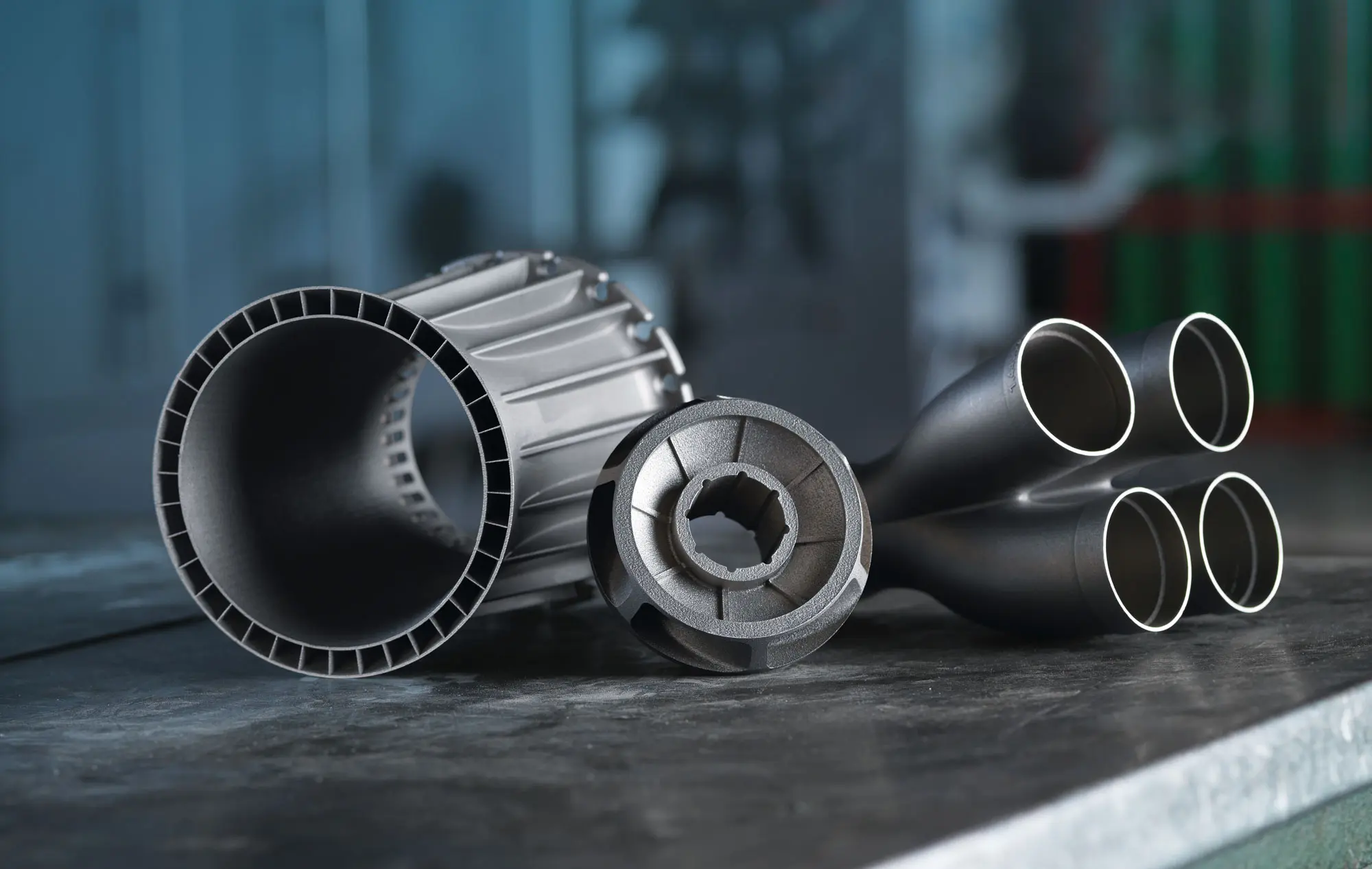
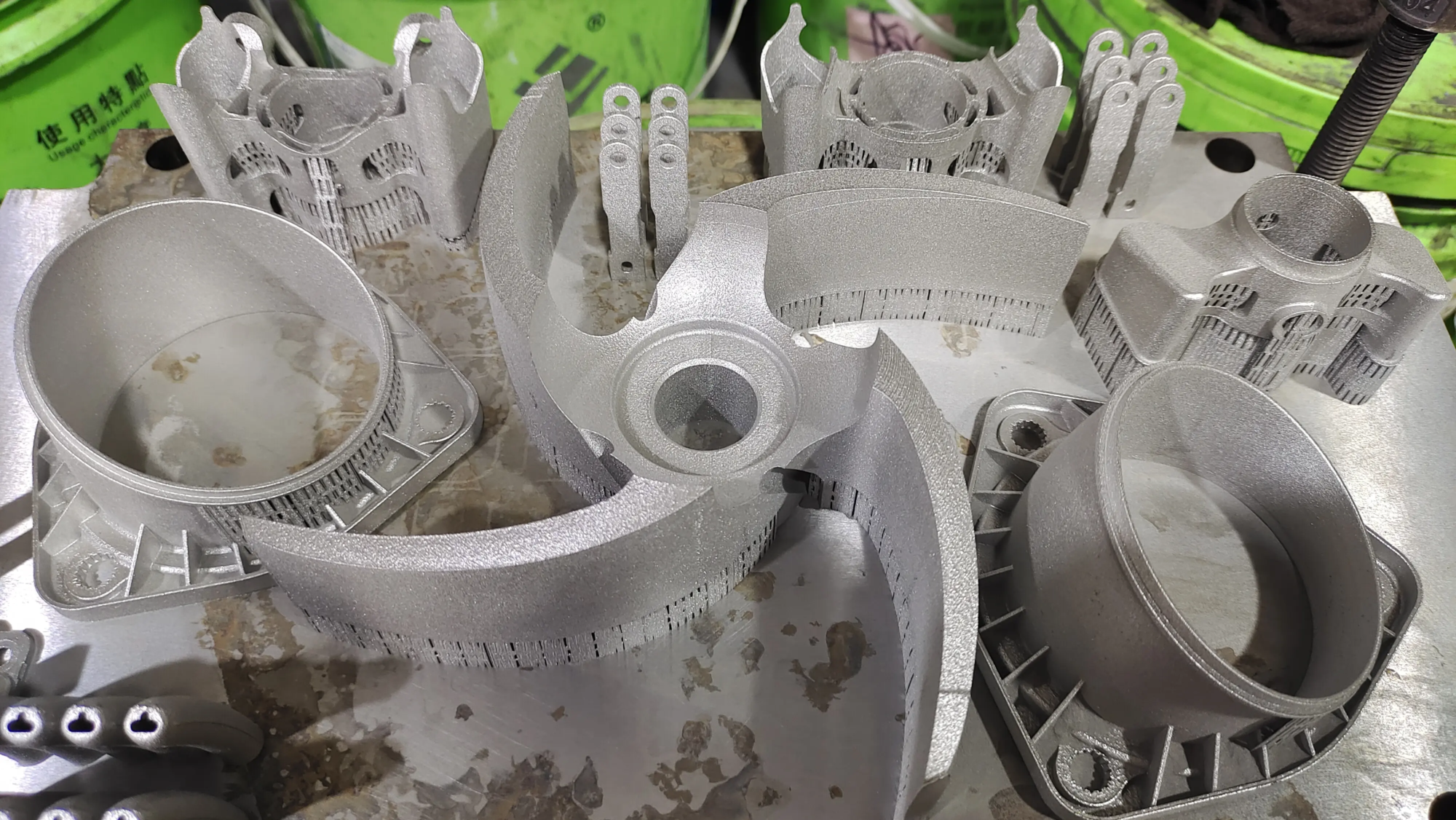
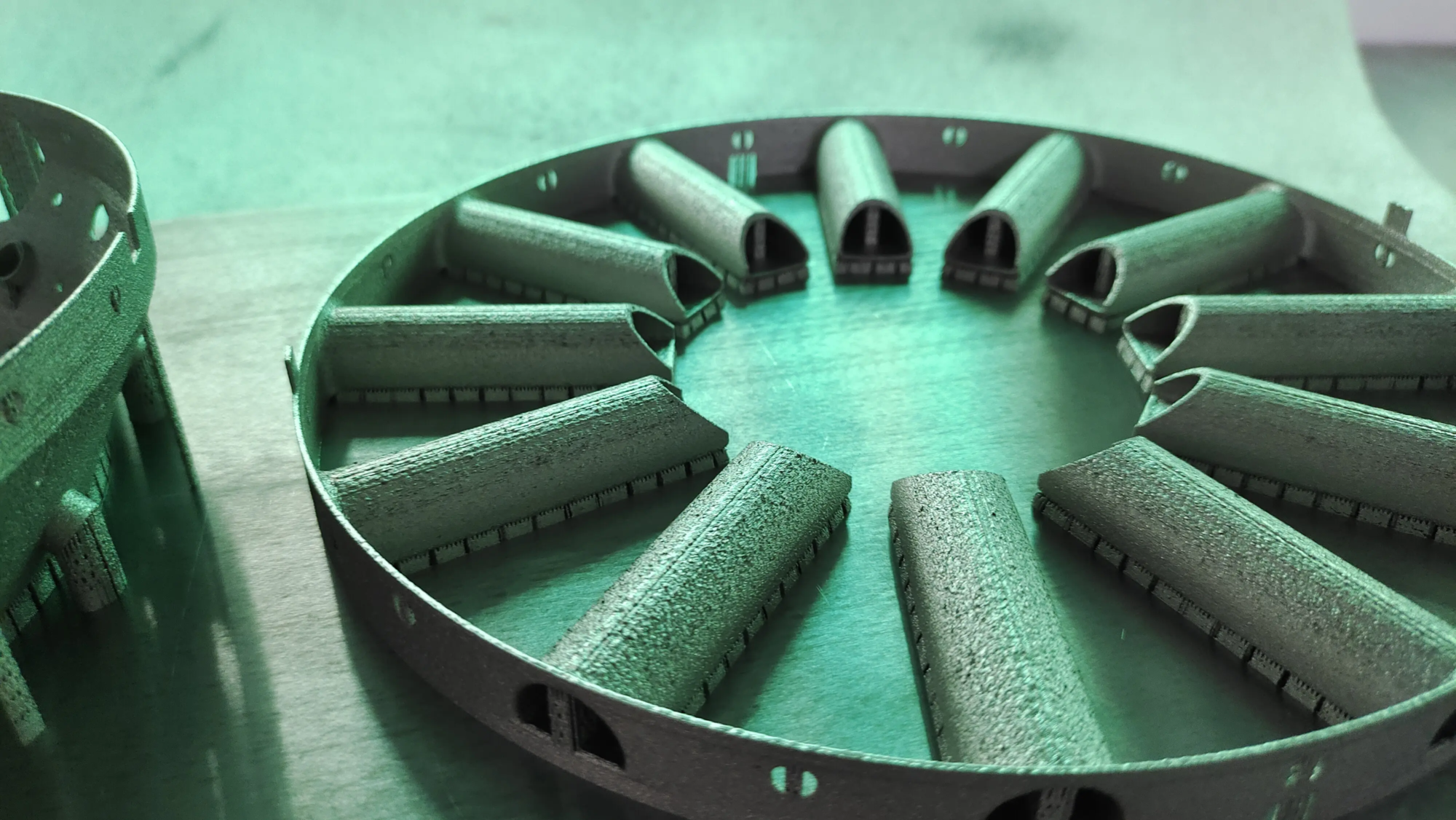
- Metal prototyping: Desktop FDM printers excel on plastics, but for complex aerospace parts? This is the field of SLM (Selective Laser Melting).
- One-stop precision: From prototyping to post-processing (machining, annealing or surface coating), GreatLight offers certified titanium, Inconel® or aluminum metal parts.
- speed and scale: Need to make 50 custom turbine blades in 4 days? Industrial SLM prints layers thinner than a human hair at unparalleled throughput.
in conclusion
The IKEA 3D printed desk is more than just furniture, it’s a launching pad for innovation. For less than $250, you can build an organized hub that eliminates clutter and optimizes your workflow. DIY empowers originality, while professional-grade manufacturing elevates vision into tangible form