Unleash Studio Freedom: Why Using a 3D Printed DIY Mic Stand Is a Smart Move
Tired of inflexible, expensive, or unstable commercial microphone stands? Enter the world of custom studio solutions It’s your imagination that determines the design, not existing limitations. DIY microphone stand by Precision 3D printingis revolutionizing home studios, podcasting setups, and project spaces.
Why 3D print your own microphone stand?
- Ultimate customization: Traditional booths have fixed sizes and forms. Design a bracket through 3D printing exactly Adapt to the height, boom length, base footprint, or unique mounting point of a specific microphone or accessory. Create ergonomic designs that are precisely tailored to your workflow.
- Cost effectiveness: High-quality, heavy-duty metal brackets will cut into your budget. Costs can be significantly reduced by using a custom DIY stand using optimized plastic (for lighter microphones) or leveraging affordable printed metal parts for critical joints.
- Perfectly suited to unique needs: Mounting a microphone in a small space? Need an adapter for uncommon hardware? Do you need special shock absorption? The printing solution is not available commercially.
- Iterate and fix quickly: Not quite right with the design? Parts broken? Individual components can be redesigned and reprinted in just a few hours, instead of waiting weeks to replace or buy an entirely new bracket.
Designing your DIY powerhouse: key considerations
Joining requires thoughtful planning:
- Load and stability: This is the most important thing.
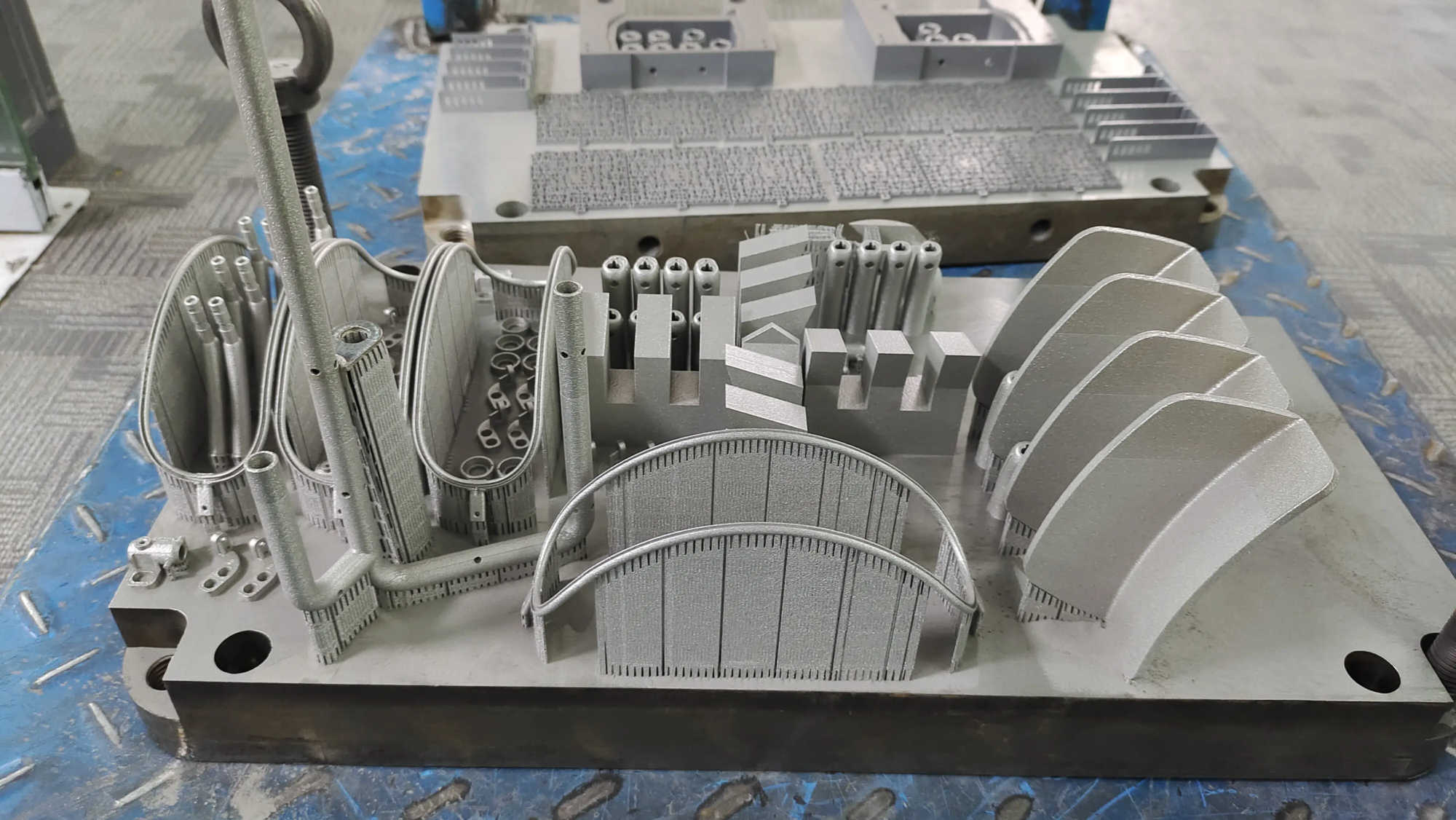
- Material selection: Match the intensity to the weight of the microphone. Heavy-duty capacitors require strong plastics such as PETG, nylon, or ASA. For ultimate rigidity, especially with long arms, Metal 3D printing for critical joints, such as aluminum alloy printing via SLM/SLS, is transformative. Make sure the friction fitting or threads are strong.
- Basic design: Against tipping forces. A wider base, a weighted core (sand, steel shot) or a secure clamping mechanism are essential. Printed bases often have integrated cavities to add weight.
- Features and adjustments:
- Locking mechanism: How would you adjust the height/boom angle and lock it securely? Printed knobs with brass inserts or threads utilizing printed metal parts provide excellent durability. Consider a simple lever lock or a tight friction fit.
- Cable management: Seamlessly integrate clips or channels into your designs.
- Vibration damping: Unwanted resonance? Design isolators using flexible filament (TPU) between rigid sections or incorporate soft internal pads.
- compatibility: Incorporate standard thread sizes (such as 5/8"-27 for microphone clip) via purchased insert or allows threads to be tapped into printed plastic/metal.
Your DIY Mic Stand Blueprint: From Concept to Capture
- Conceptualization and sketching: Develop requirements: height range? Boom length? Installation type (floor type, table clamp type)