Unleash your inner engineer: The ultimate guide to 3D printing your own R2D2
Picture this: a gleaming version of the iconic astromech rolling across your living room floor, beeping cheerfully—designed, printed, and assembled entirely by you. With the help of 3D printing technology, bringing the beloved R2-D2 from Star Wars to reality is no longer science fiction. This guide delves into the exciting journey of DIY R2D2 building, giving you actionable insights while highlighting professional prototyping services such as huge light Can enhance your project. Let’s jump to the speed of light!
Why build R2D2? Beyond fandom
R2-D2 represents more than just pop culture nostalgia; Proof of Precision Engineering. By undertaking this project you:
- Master advanced 3D printing technology (supports, warp control, multi-part assembly).
- Integrate electronic devices such as motors, sensors or sound modules.
- Gain practical skills in finishing, painting and mechanical assembly.
This project blends creativity with technical challenges, perfect for makers, engineers, or Star Wars enthusiasts.
Blueprint and digital readiness: your foundation
success depends on quality model and Printer is ready:
- source file: Platforms like Thingiverse or dedicated R2 Builder Clubs (such as R2-D2 Builder’s Club) provide vetted STL files. Avoid unauthorized copying of copyrighted designs.
- software stack:
- slicer:PrusaSlicer or Cura (for optimizing layer heights, padding and supports).
- CAD tools: Fusion 360 for custom modifications (e.g., internal mounts for electronic devices).
- Scalability: Most plans are suitable for 1:1 scale (approx. 108cm high). Make sure the printer’s build volume accommodates larger components, such as domes or legs.
Print Strategy: Conquer Complexity
R2D2 involves 150-400+ componentsrequiring surgical accuracy:
| Component type | Material recommendations | Important tips |
|---|---|---|
| Structure (legs, body) | PETG or ABS (impact resistant) | Use 25-30% padding + edges for stability |
| dome/detail | PLA (easy to sand/paint) | Print in 0.1mm layers for smoother curves |
| Gears/Moving Parts | Nylon or PC (durable) | Dry filament thoroughly to avoid cracking |
Pro tip:
- direction: Print the half dome vertically to minimize support scarring.
- support: Cura’s tree supports reduce waste from complex vents.
- calibration: Perform temperature tower and retraction tests every filament.
Post-processing: from layered lines to legend
Transform printed parts into finished robots:
- Sanding: Start with 120 mesh sand and gradually transition to 400 mesh wet sand sanding curve.
- filling: Apply automotive putty to seams; cure and re-sand.
- start up: High-fill primer reveals hidden imperfections (apply 2-3 coats).
- painting:
- Base: Automobile paint (bright white/blue).
- Details: Acrylic wash airbrush for weathering effect.
- electronic products: Mount an Arduino-controlled motor, LED matrix, or voice module through the pre-cut cavity.
When to Work with Pro Prototyping: Enter GreatLight
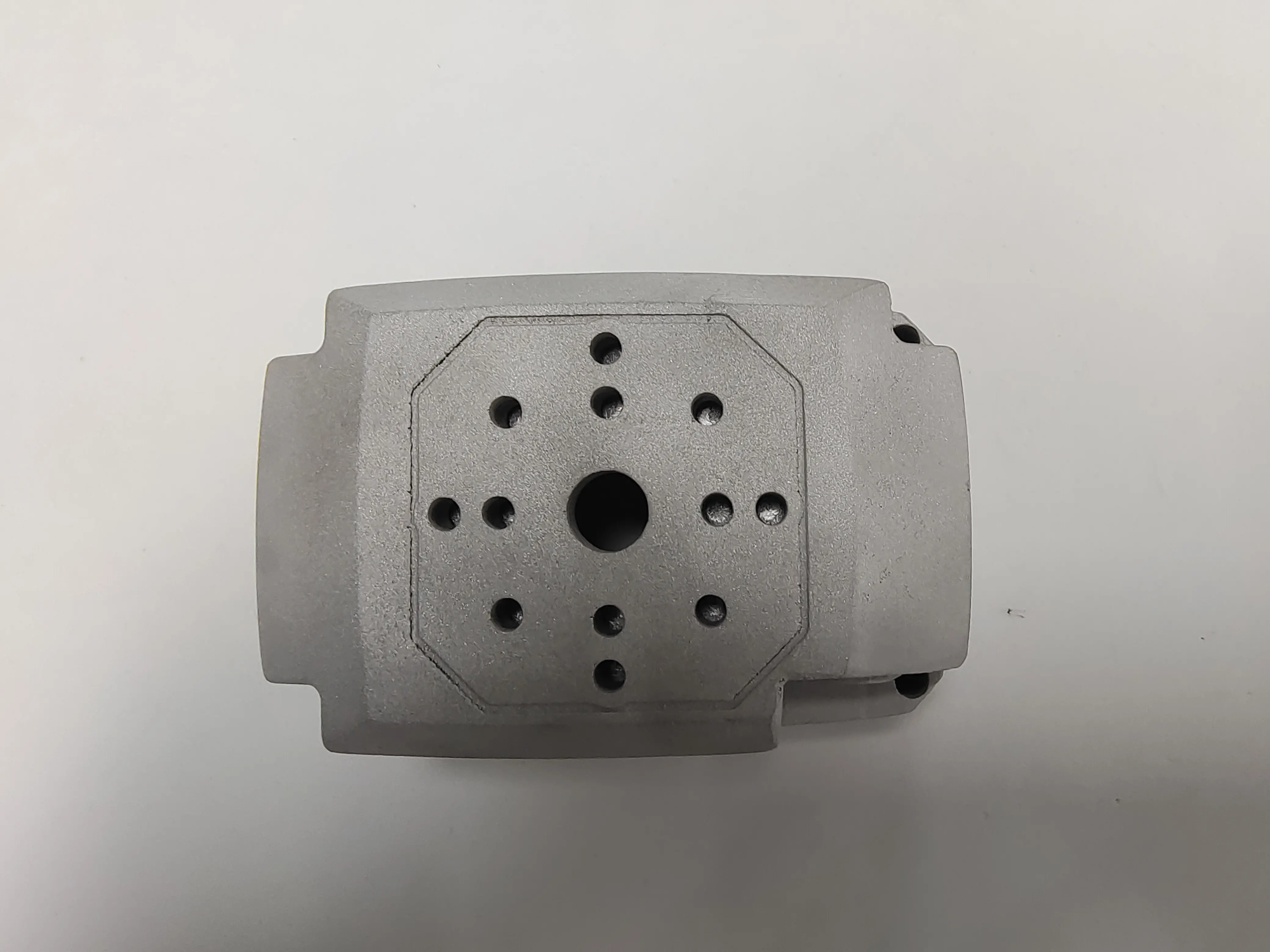
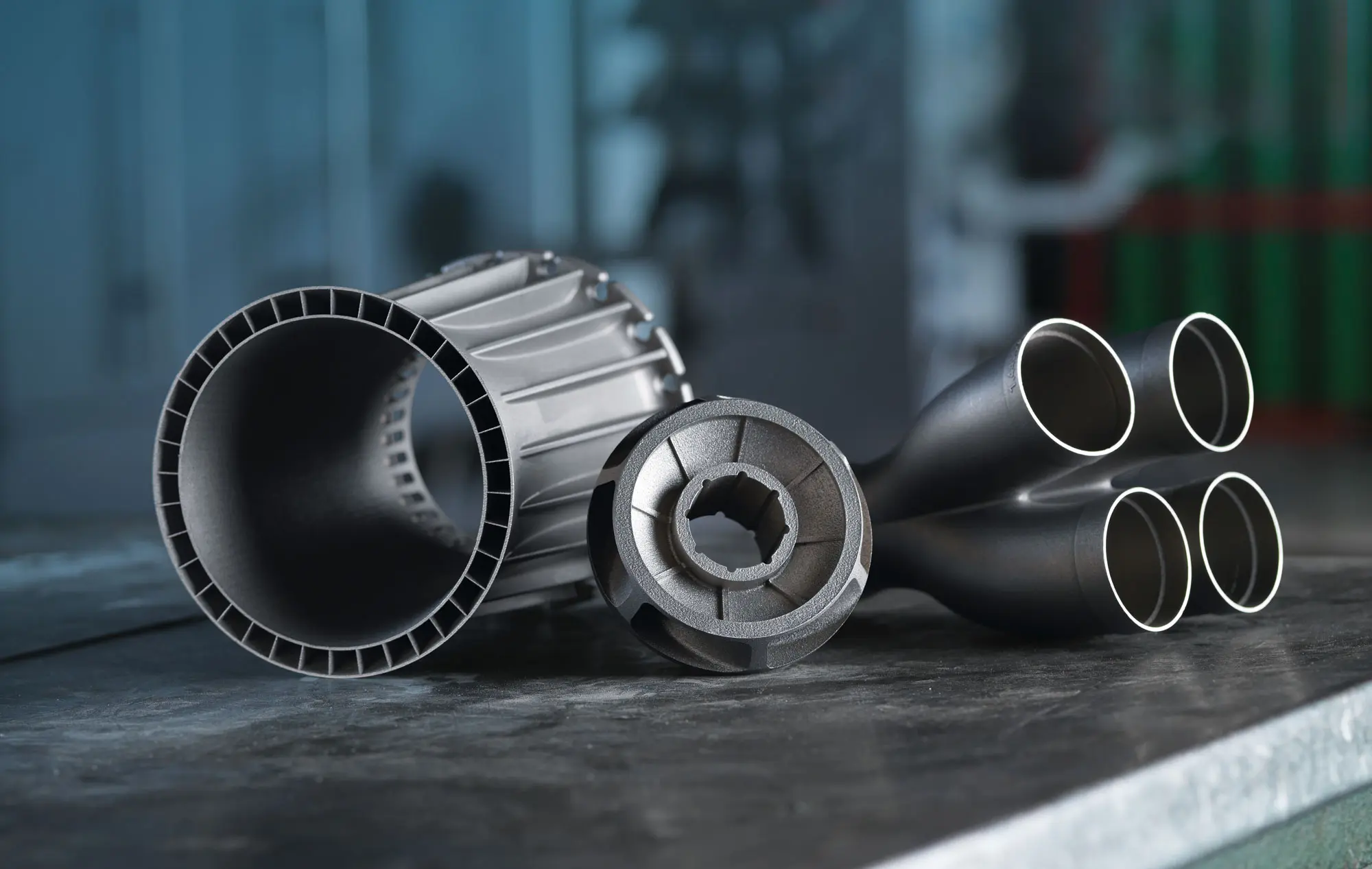
While desktop printers can handle plastic, Metal or high-resistant parts Industrial solutions are often required. Consider outsourcing if you need:
- Aluminum alloy legs, load-bearing and durable.
- Titanium servo mounts withstand constant motion.
- Decorative metallic details with a mirrored finish (such as holographic projectors).
huge light stand at the forefront Excellent rapid prototyping,supply:
- Metal 3D printing: Advanced SLM (Selective Laser Melting) machine for precise, complex geometries in stainless steel, aluminum or titanium.
- End-to-end post-processing: Sand blasting, CNC milling, powder coating and polishing – transform original prints into exhibition-ready parts.
- speed and scale: From prototype to series production in days, not months.
For DIY builders, solving the problem of components exceeding the limits of plastic, GreatLight delivers unparalleled accuracy at a competitive cost. Customize your robot’s strongest parts with confidence.
Conclusion: Build the robot of your dreams
Building R2D2 blended fandom with engineering prowess—a challenging but rewarding adventure. From calibrating your printer to weather-resistant painting your panels, your skills will be honed every step of the way. Remember: Patience and iteration are your allies. When a project requires industrial-grade materials or a flawless finish, leverage a partner such as huge light To transcend limitations. Ready? Fire up your printer, gather your files, and may the Force (and a little PLA filament) be with you!
FAQ: Your R2D2 questions answered
**Question 1: How much does 3D printed R2D2 cost?