Does it support stuck? Overcoming 3D printing’s toughest removal challenges (and how GreatLight makes it easy)
In the high-stakes world of metal additive manufacturing, specifically technologies like Selective Laser Melting (SLM) and Metal FFF, supports play a vital, if often frustrating, role. They are the unsung heroes that enable complex geometries, prevent warpage, counteract stress, dissipate heat, and keep your carefully designed parts stable as they go from digital model to tangible reality. However, nothing is more groan-inducing for even the most experienced technicians than encountering a brace that’s stubbornly stuck. When these important pieces of scaffolding refuse to give up their grip, they risk damaging the components they are supposed to protect. Have no fear, engineers! This guide goes into depth "Why" There’s support for the jam at the back and, most importantly, a library of solutions at your disposal.
Why support becomes a committed partner:
Understanding the root cause is the first step to effective elimination:
- Fusion intensity is too high: Theoretically, by design, the supports are structurally weaker than the main part. Sometimes supports become too solid in the boundary areas where they inadvertently contact the part due to too dense a support structure, minimal preset spacing, or unforeseen localized heat buildup during the printing process. This bonding is similar to welding, rather than breaking off cleanly at a predefined interface.
- Stress hiding after construction: The intense thermal cycling inherent in the SLM/fusion process creates internal stresses within the metal. Stress can occur at any point on the part. If the supports themselves become rigid anchors, these stresses will lock them in place, making removal akin to detonating a miniature pressure vessel.
- Geometric trapping: Blind holes, complex lattices, deep channels, or complex support structures beneath deep overhangs can create physical locking mechanisms. Think tiny hooks, interlocking features, or supports that are completely enclosed within a cavity—removing them becomes a challenge, requiring specialized tools and access.
- Material and parameters do not match: Not all metals behave the same. Some alloys, such as certain titanium alloys or tool steels, are inherently tougher and less forgiving than others. Likewise, suboptimal printing parameters (laser power, scan speed, infill spacing) can significantly affect the microstructure and adhesion of the support part interface.
- Surface roughness and interaction: Rough printed surfaces on parts can create significant friction and mechanical interlocking with support structures, adding to adhesion challenges.
Arm yourself with: Proven removal solutions:
Do not resort to brute force (may damage parts!). It is a systematic approach that continues to grow in complexity and required tools:
-
Mechanical disassembly (manual and tool-assisted):
- Hand tools (entry level): For smaller, simpler geometries and plastic-like metal FFF parts, needle-nose pliers, tweezers, small wire cutters, toothpicks, or chisels can sometimes break the supports apart. Key Tips: always work leave from the main part surface and along Designed fracture plane. Avoid prying directly on the finished surface.
- Vibrating Tool and Support Removal Station (Intermediate): Vibratory deburring machines can sometimes loosen supports, especially on polymers or simple metal parts with surface-adhered supports. A dedicated support removal station is equipped with a precision chuck for holding parts using chisels and sharp scrapers under magnification (microscope). Advanced handling skills are required to avoid damage.
- Waterjet/Air Abrasive Cutting (Advanced): A highly concentrated stream of water (often mixed with the abrasive garnet) or compressed air mixed with fine abrasive particles (such as baking soda or plastic media) can carefully erode the support material away from the main component. Requires a skilled operator and may require some masking to protect critical surfaces.
-
Thermal technology: Take advantage of the material’s response to temperature.
- Selective heating: Carefully apply localized heat (using a microtorch or specialized heat tool) only Support structures can sometimes soften specific polymer-like support interfaces or differentially expand metals enough to break bond points. Need to be extremely cautious To avoid annealing, warping or oxidation of primary components. Best suited for specific support materials used in softening.
-
Chemical Technology (Specific Materials): Dissolution of nonstructural supports.
- Solvent bath: Mainly used on polymer based supports (PVA, HIPS, Breakaway) for use with metals in soluble support structures commonly found in FFF or binder jet hybrid materials. Immersing the entire printed structure in an appropriate solvent cleanly dissolves the sacrificial supports, leaving complex metal parts intact. Not suitable for pure metal SLM printing with the same support material. At GreatLight, we use and optimize this approach extensively where applicable.
- Machining-based removal (high precision/complex situations): This is where GreatLight’s expertise really comes into play when it comes to challenging SLM/DMLS/metal FFF parts.
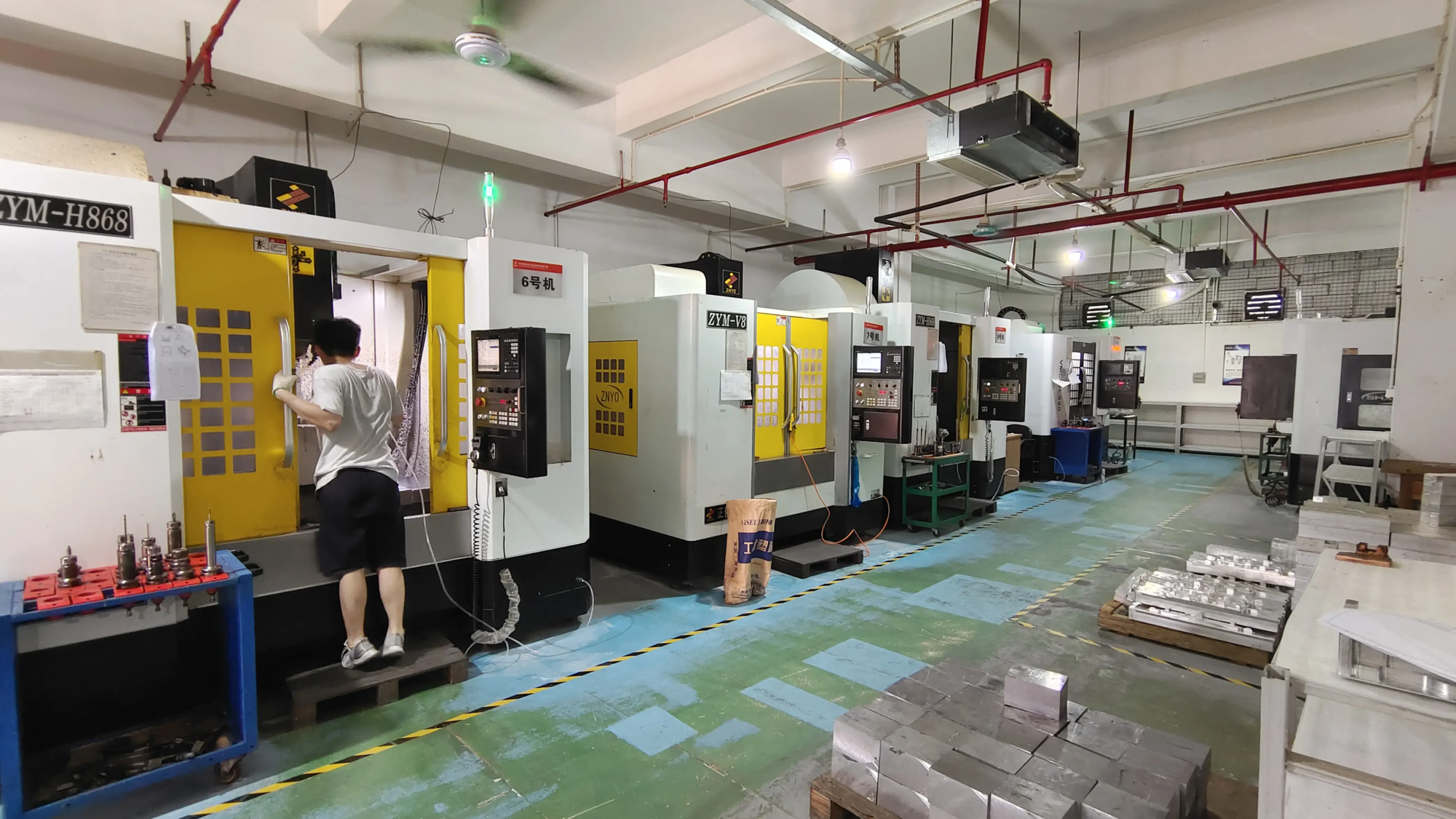
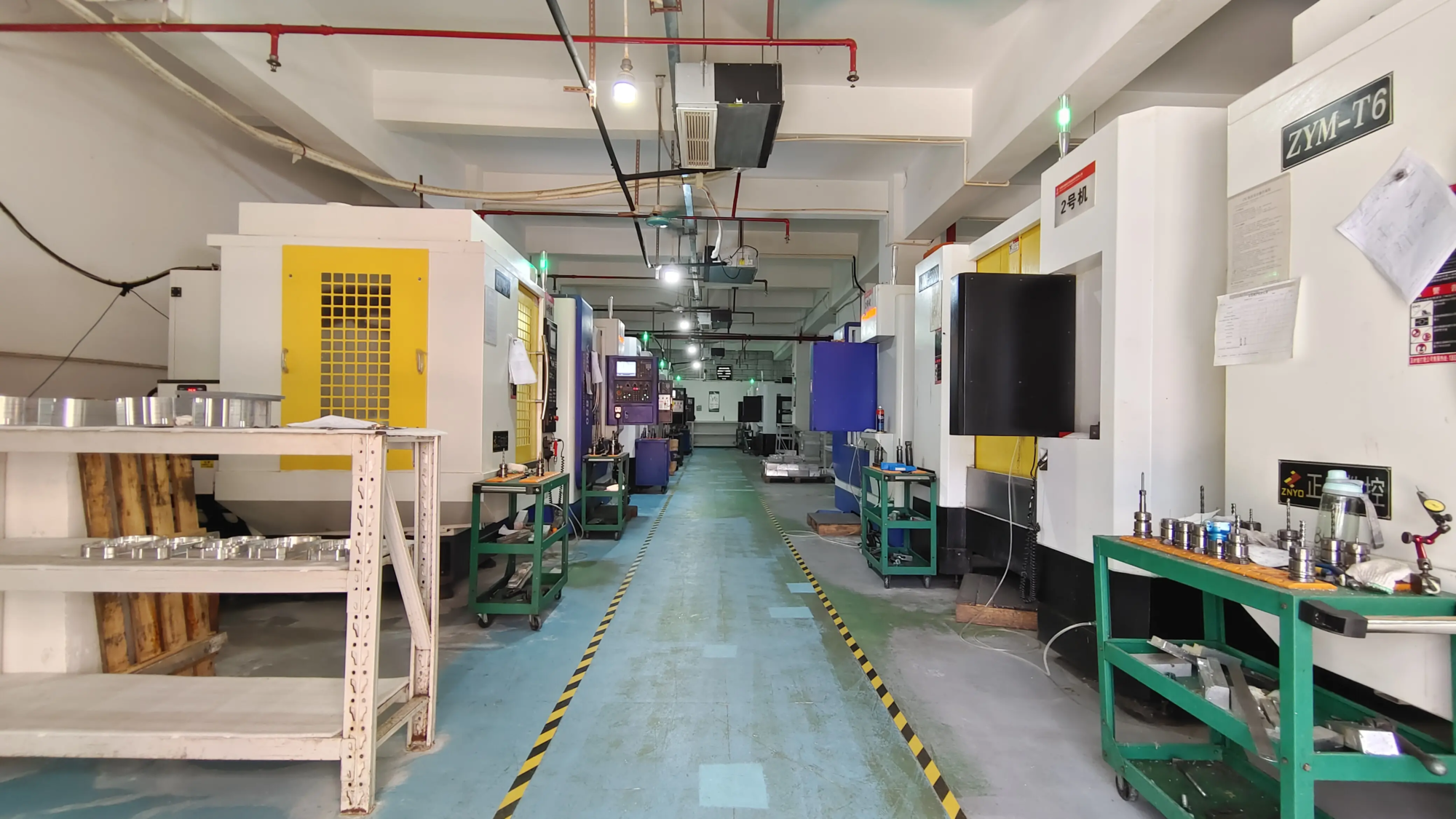
- CNC milling: Our precision CNC machining centers can be programmed to meticulously machine support structures with micron-level precision. This is especially important for aerospace prototypes that require perfectly smooth, near-net-shape surfaces.
- EDM (Electrical Discharge Machining):
- Wire cutting: Ideal for cutting away dense support networks from internal cavities or deep channels where physical tools cannot access them. Regardless of the wiring harness, galvanically corroded wire will cut through conductive metal like butter without touching (and applying pressure to) the part.
- Spark sinker: Used to create precise access points or to dissolve stub support pins/anchors point by point using shaped electrodes. Extremely accurate but slow.
- Forced removal of device: Custom-designed mechanical clamps apply controlled forces in precisely calculated vectors to cleanly snap the supports along their designed breakpoints. A deep understanding of part geometry and stress points is required.
Engineering Prevention: Design and Print Adjustments:
An ounce of prevention is worth a pound of support weakening frustration:
- Design optimization: Integrated support reduction (ISRO) available, designed self-supporting angles (>45 degrees usually feasible for metals), customizable support contact points ("Tree" supports with dense blocks), sacrificing labels, and minimizing deep cavity capture supports.
- Perfect parameters: Fine-tuning laser parameters (power, speed, focus), support exposure parameters (lower density base layer, optimized separation layer) and careful calibration of angles and distances at support component interfaces are critical preventive steps. This is the core of GreatLight’s SLM expertise – our AM certified engineers analyze each part individually to determine the best support strategy.
- Material matters: Where feasible, choose alloys that allow for cleaner support removal. Sometimes, slightly adjusting the alloy composition (if specifications allow) can make post-processing easier. Technologies such as powder bed fusion printing ensure that contact surfaces become smoother by default.
- Contour interface: Design support contact points using breakaway structures or strategically weakened neck geometries to force fracture to occur away from critical surfaces.
Conclusion: Master Support Removal – The GreatLight Advantage
Stuck supports are an inherent challenge in pushing the boundaries of metal additive manufacturing. However, they are far from insurmountable. Success depends on understanding the root causes—fusion strength, residual stresses, entrainment geometry, material behavior—and deploying a range of calibrated solutions, from careful hand tools to advanced CNC machining and EDM techniques.
At GreatLight we believe support removal is not an afterthought but an integral and professional stage of the production process, deeply ingrained in our one-stop-shop approach. We proactively meet support challenges with our state-of-the-art SLM printers, extensive in-house post-processing capabilities including CNC machining centers, wire EDM, vibratory tumbling, professional sandblasting, chemical etching, and more, and the deep expertise of AM-certified engineers. Our engineers carefully optimize part orientation, customize support structure designs based on individual geometry checks, and print parameters minimize Support cohesion and complexity from the start. When complex removal is unavoidable, our precision machining and EDM technology ensures perfect separation with zero compromise on final part integrity or dimensional accuracy.
If you’re working on complex prototypes that require complex supports and are grappling with the pain of disassembly, partner with GreatLight to move from frustration to flawless results. Focus on design innovation; leave the complexity of support generation and removal to our skilled team and advanced technology.
Frequently Asked Questions about stuck support and removal solutions:
Q1: Can’t I break them with pliers? Isn’t this enough?
A: For very small, simple supports on less critical components, careful Using pliers may be enough. However, with dense metal parts (especially SLM/DMLS), using only pliers/chisels often results in part damage (nicks, cracks, distortion), surface gouging, or support breakage, leaving jagged residue. It carries a high risk and is generally not recommended for functional prototypes or production parts. Professional removal methods are safer and ensure fidelity.
Q2: Can the support be completely eliminated?
A: Unfortunately, usually not. Overhanging features beyond a certain angle (usually around 45 degrees for most metals without special parameter adjustments), large unsupported spans, and thermal stress relief fundamentally require bracing. Smart design using techniques such as ISRO and topology optimization can greatly reduce their size and complexity, but rarely eliminate them entirely in complex geometries.
Q3: My stent broke off but left a rough surface/residual nodule. How do I clean this up?
Answer: This is a frequently asked question ("Support scars"). Solutions include:
- Secondary processing: CNC mill/grind/polish the affected area to achieve the desired surface finish.
- blasting: Media blasting (sand, sand, ceramic beads) smoothes surfaces and removes small amounts of residue (often used in conjunction with machining).
- EDM: Wire EDM or sinker EDM can precisely remove residual nodules flush with the surface.
- Manual finishing: Skilled polishing by experts can deal with small residues in accessible areas.
Q4: Can GreatLight handle complex internal supports?
Answer: Of course. Internal supports trapped within channels, lattices, or cavities are notoriously difficult. GreatLight utilizes specialized technologies such as:
- Chemical etching: Specific sacrificial support materials can be dissolved if designed correctly during the printing process.
- Precision wire cutting processing: Cut tool access ports as needed to reach internal supports without compromising part integrity, followed by removal and potential sealing.
- Ultrasonic stirring and solvents: Specific support types for integration into prints.
Q5: How does material selection affect the difficulty of support removal?
Answer: It is of great significance! Harder, stronger, tougher alloys like tool steels (H13, maraging steels), titanium alloys (Ti6Al4V) and superalloys (Inconel) are inherently more challenging than softer, brittle alloys (certain aluminum alloys are easier). Their high strength/fracture resistance increases bond strength and makes mechanical removal more risky for prototype deformation. GreatLight tailors its bracing strategies and removal methods specifically to the materials used.
Tackle tough support challenges with precision—customize your metal projects with confidence using GreatLight expertise today! Our rapid prototyping solutions deliver unparalleled results.