Embrace the drying adventure: Build your own fast and affordable glove dryer
There’s nothing worse than getting ready for an outdoor adventure, only to find that your gloves are still damp from yesterday’s adventure. Not only is wet gear uncomfortable, it’s also cold, smelly, and prone to deterioration. A store-bought glove dryer can cost a fortune, but did you know you can build an efficient dryer at home in under an hour? Let’s dive into a simple, low-cost DIY solution and explore how innovation combines with accessibility for gear care.
Why drying your gear faster is important
From avid skiers to motorcycle enthusiasts, anyone who wears gloves knows the pain of moisture retention:
- save: Wet leather cracks; synthetic materials break down faster.
- Comfortable and hygienic: Damp gloves can harbor bacteria, causing odor and skin problems.
- convenient: Quickly recycle gear for continuous adventures.
Your DIY Powerhouse: A Build Guide
Material:
- PVC pipe (1.5–2" diameter)
- PVC Elbows(4) and T-Joints(4)
- Small centrifugal fan (12V DC)
- 12V power adapter
- Heating element (PTC heater, 40–60W)
- Wire mesh shielding
- Cable ties, wire cutters, tape
- (optional) thermostat
Assembly steps:
-
Frame structure:
Assemble the rectangular frame using PVC pipes and fittings. Vertical ducts act as glove racks; horizontal ones form air channels. -
Fan and heater integrated:
Install the fan on the base. Direct airflow upward. Use wire mesh to secure the PTC heater near the fan air inlet to prevent contact. For safety reasons, connect the heater to a thermostat set to a maximum temperature of 55°C (131°F). - Power and finish:
Connect the fan and heater to the 12V adapter. Use zip ties to manage wires. Test function: The air should flow gently and warmly, not very hot. Wrap the end of the tube with rubber tape for extra grip.
The science behind: This dryer combines convection (heated air flow) with evaporation acceleration. A centrifugal fan pushes warm air into the ducts, creating turbulence around the glove for even drying—imitating a premium dryer at a fraction of the cost.
DIY Benefits and Business Options
- cost: This product costs less than $30 to build compared to over $100 for a retail unit.
- custom made: Adjust the tube size for hockey gloves, ski gloves or boots.
- Repairability: Easily replace components.
When DIY isn’t enough:
While great for everyday use, extreme scenarios require robustness. Durability needs? Creating a weatherproof installation? Transform your prototype into a scalable product? This is where professional fabrication enhances your design.
Enhance your prototypes with precision engineering
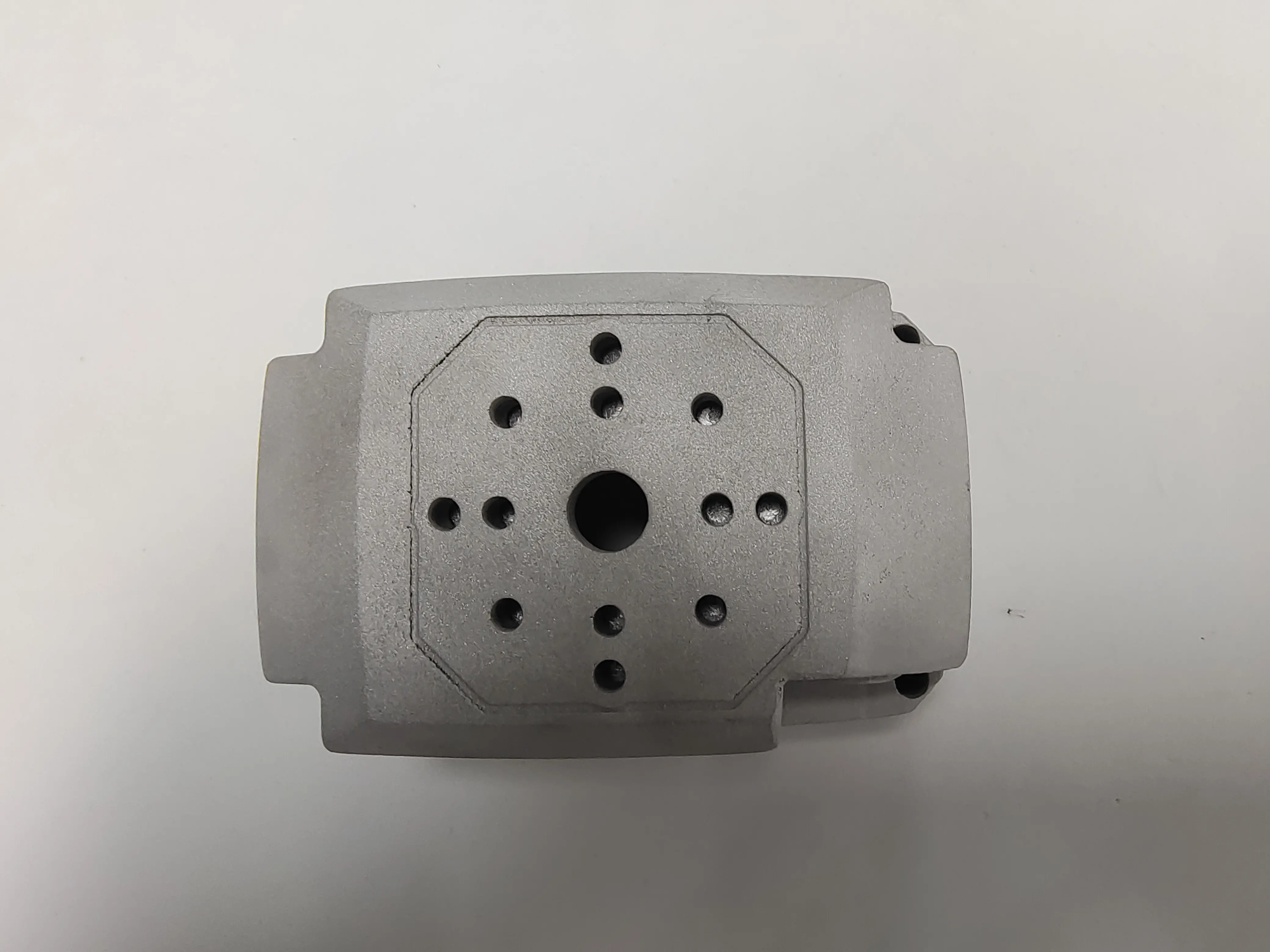
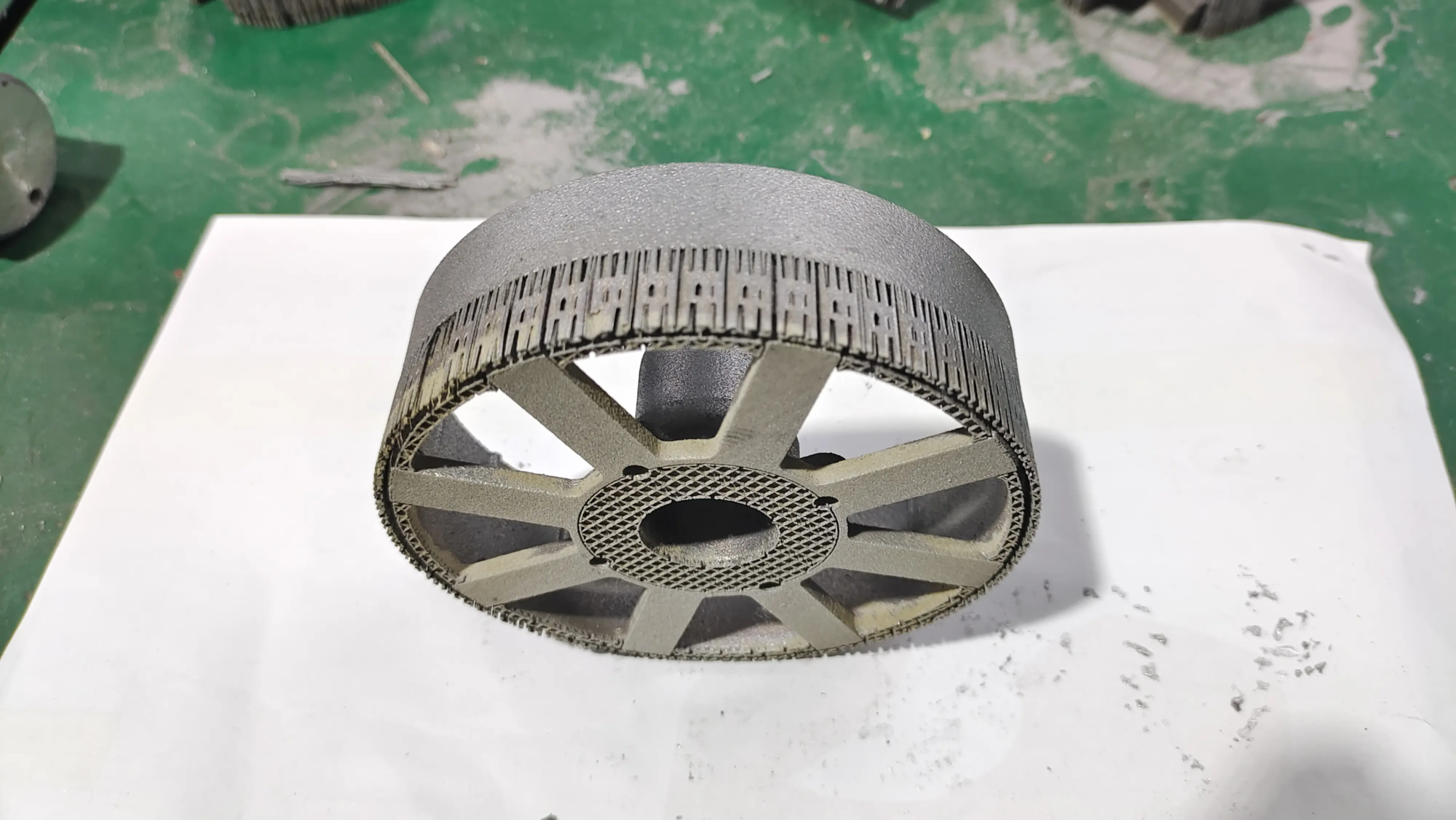
exist huge lightwe champion innovators who connect DIY creativity with industrial-grade solutions. Leverage Laser Powder Bed Fusion (SLM) 3D Printingwe transform prototypes into durable, optimized products:
- Metal strength: Print waterproof housings from corrosion-resistant aluminum or stainless steel.
- Thermal safety: Design thermally conductive internal baffles to evenly distribute heat.
- Scalability: Perfect your mass production concept.
Why Weiguang?
- internal Post-processing:Machining, anodizing, sand blasting.
- Iterate quickly: Test multiple versions over several days, in flexible materials from titanium to nickel alloys.
- Application expertise: Engineers optimize your design for efficiency and safety.
Prototype a gear dryer with metal-grade resiliency.
👉 Request a custom quote at GreatLight
in conclusion
A DIY glove dryer is a rewarding project that can save money and eliminate wet gear. For casual users, building your own apps is practical, customizable, and powerful. However, scaling an idea requires industrial precision. Whether you’re maintaining a weekend hobby or disrupting the gear market, combining hands-on ingenuity with professional prototyping can unlock potential.
Innovation starts with a dry pair of gloves. Where will yours take you?
FAQ: Glove Drying Decoded
Q1: How long does it take for a DIY dryer to dry thick ski gloves?
Typically 1.5-2 hours depending on humidity. Make sure to wring out the gloves first.
Q2: Are PTC heaters safe?
Yes. Most self-regulate at a fixed temperature. Hotter than 55°C? Add a thermal fuse as a protective measure.
Q3: Can I dry boots with this design?
Absolutely! Extend the duct length and add a T-junction to allow horizontal airflow to the pilot shaft.
Question 4: Why should I consider a metal prototype for my dryer design?
Plastic deforms under thermal cycling; metal ensures longevity. SLM printed aluminum alloy can withstand humidity, heat and impact – perfect for camo trailer dryers.
Question 5: How energy-saving does a DIY dryer compare with a commercial dryer?
DIY wins. Our build uses about 60W; branded units range from 100-200W. Operate in a well-insulated space.
Q6: Is it a travel-friendly option?
Removable PVC pipe flat pack. Use a USB powered fan to dry the car.
Up your gear care game by combining homemade simplicity with industrial sophistication. For ideas that require high-performance execution, partner with experts who blend agility with engineering integrity: GreatLight – We combine the mastery of prototyping with your vision.