introduce
Imagine holding in your hands a meticulously crafted E11 Blaster prop – a faithful replica of the iconic Star Wars weapon – crafted to reflect your passion for sci-fi art. With the development of 3D printing technology, the production of professional-grade props like the E11 Blaster is no longer limited to industrial factories. With the right techniques, materials and expertise, hobbyists can create stunning results. However, the process of going from a digital design to a perfect physical replica requires precision and professional insight, especially for complex projects that require durability, authenticity and functionality. This guide explores the key steps to 3D printing the E11 Blaster, highlighting how working with an expert manufacturer can take your creation from good to extraordinary.
The perfect E11 Blaster journey
1. Design Preparation: A Blueprint for Success
Every masterpiece starts with a strong digital foundation. For the E11 Blaster, it’s crucial to source high-fidelity STL files – preferably ones that are optimized for 3D printing. Key considerations include zoning the model to ensure print stability and ensure component accuracy. Professional-grade CAD software helps improve moving parts such as the folding stock or trigger assembly. hint: Use asymmetric tessellation to minimize stress points. For hobbyists who lack CAD skills, work with a company like this huge light Ensure the design is printable and avoids warping or structural defects.
2. Material mastery: from PLA to custom alloys
Material selection determines aesthetics, robustness and printability:
- Polylactic acid/polyethylene terephthalate: Common for cost-friendly prototypes, but prone to deformation under pressure. PETG provides enhanced toughness to wearable props.
- Resin (SLA): Great for intricate details like scopes or grips, but brittleness can be an issue.
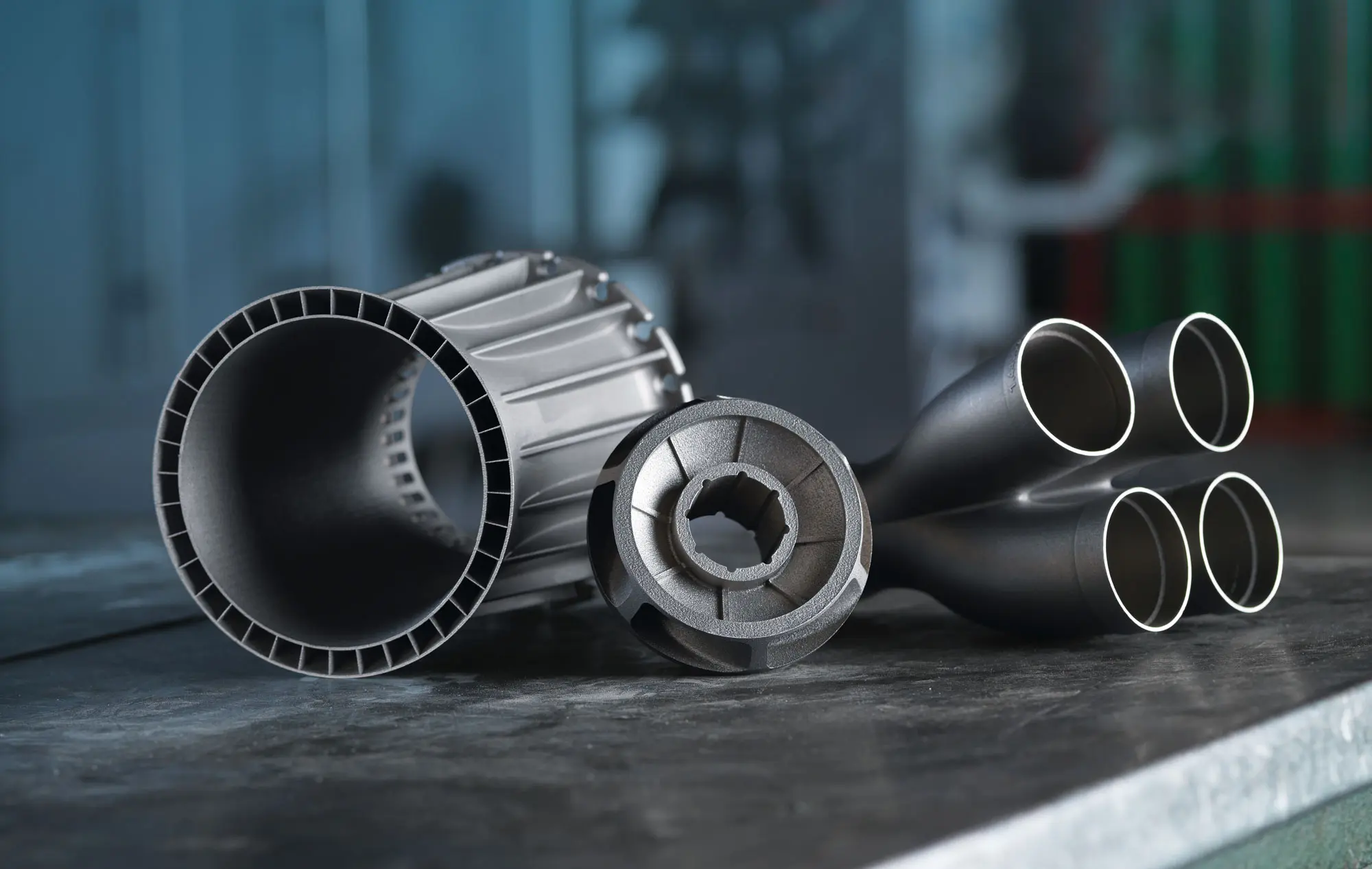
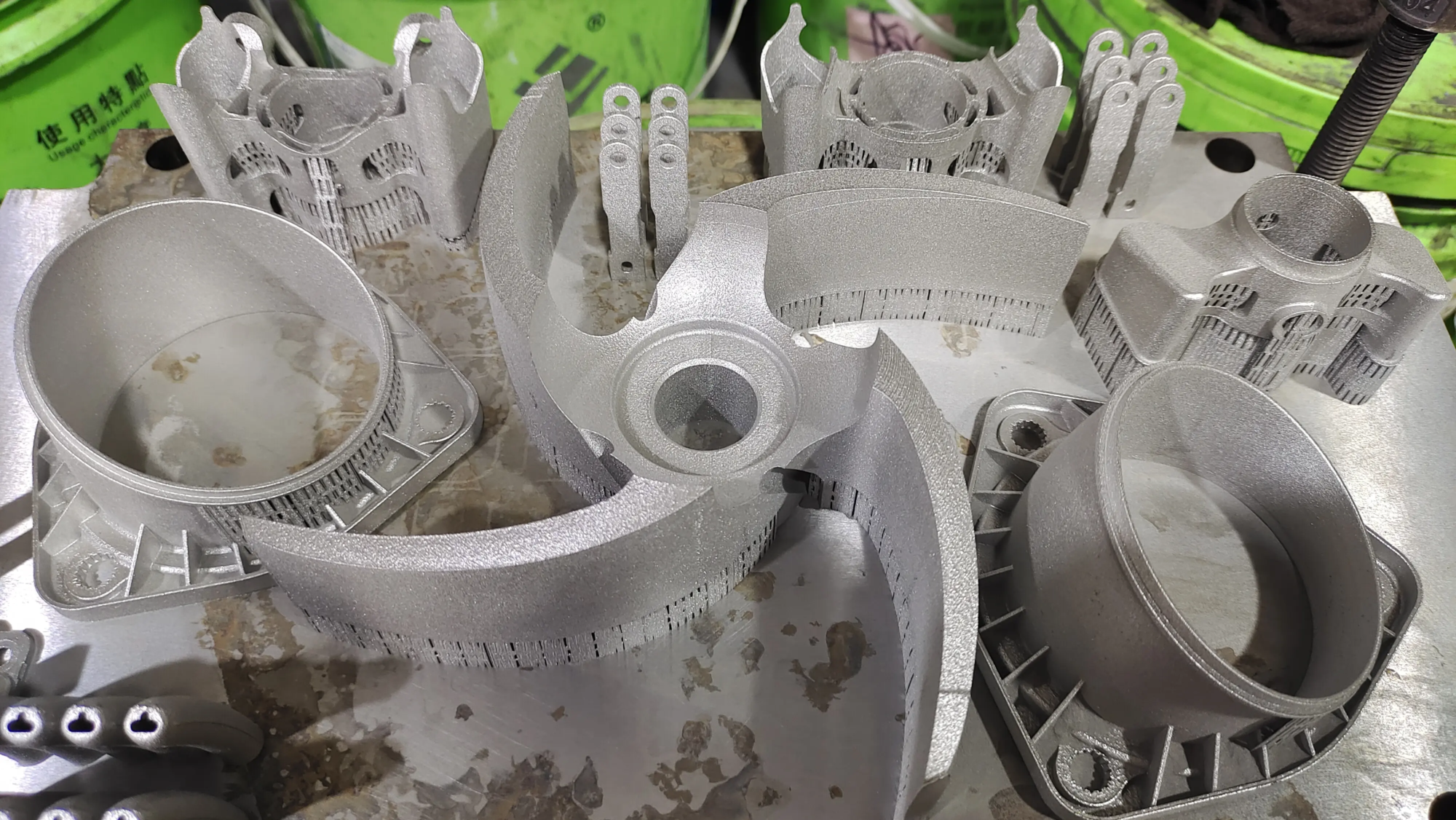
- Metal alloy: Aluminum alloy (AlSi10Mg) or stainless steel brings unparalleled realism, weight and durability to display props. company likes huge light Leverage SLM (Selective Laser Melting) The technology to print strong metal parts with aerospace-grade precision is critical for functional parts like trigger mechanisms or gun barrel assemblies. Their custom material solutions prevent degradation from handling or environmental exposure.
3. Printing technology: the combination of precision and scale
- FDM printing: Suitable for larger parts (such as the body). Optimize layer heights (0.1–0.15mm) and use soluble supports for smooth post-processing.
- SLA/DLP: Provides micron-level precision for fine features.
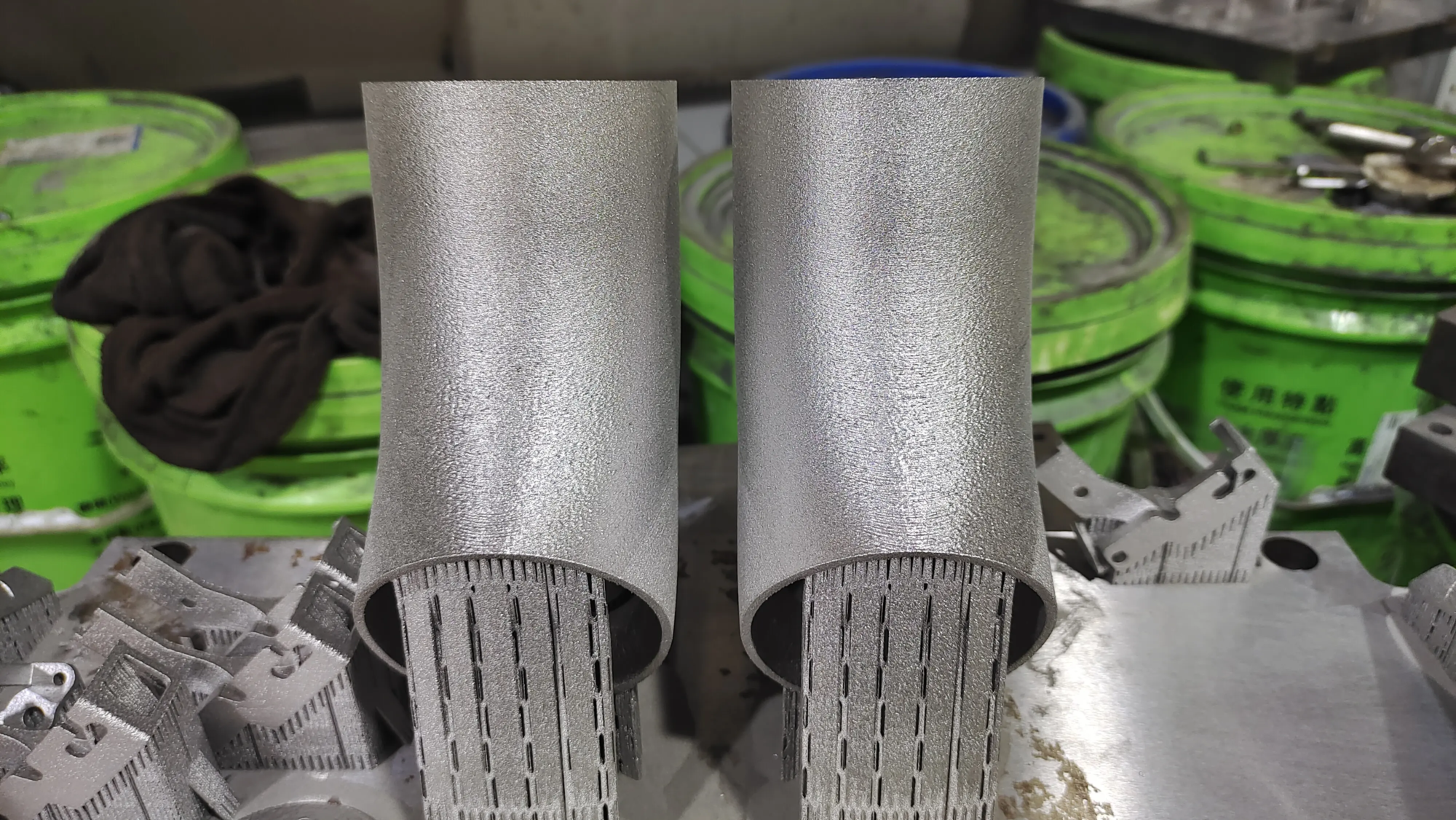
- SLM metal printing: Essential for replicating authentic weighted parts without compromising detail. GreatLight’s Industrial SLM Printers Achieve near-net-shape components with 99.9% density and eliminate weak layer lines common in FDM. Their expertise ensures seamless scaling (even to life-size injectors) and provides overall support designed for minimal post-processing.
4. Post-processing: the art of perfection
Transforming an original print into an exhibition-ready prop requires advanced finishing:
- Metal parts: Machine polishing removes weld lines, while electrostatic coating prevents tarnishing. huge light Specializing in CNC assisted smoothing, micro-bead blasting and powder coating – perfect for metal finishes like Corten steel.
- Plastic/resin parts: Acetone vapor baths smooth FDM workpieces; resin parts benefit from UV-resistant paint. Composite components integrate metal hinges and springs to create powered elements.
- Final touches: A true weathering effect involves chemical patina (metallic) and layered acrylic paint. Professional service simplifies assembly and ensures perfect alignment of bolt, scope and stock.
Leverage professional partnerships
While DIY construction can provide creative satisfaction, complex projects require rigorous engineering. huge light An example illustrating this fusion:
- One-stop prototyping: From custom design refinement to final refinement, their end-to-end service reduces iteration cycles.
- Material innovation: Silver-based alloys enhance the electrical conductivity of functional lights/interactive elements.
- Speed and scalability: RapidSLM® technology accelerates production—ideal for group role-playing projects—while IoT workflow tracking ensures consistency.
in conclusion
Creating the screen-accurate E11 Blaster blends art and engineering – a symphony of precision printing and motion