

Embracing an eco-conscious farewell: How 3D printing is reinventing coffins for a sustainable future
The traditional funeral industry is under increasing pressure to address its environmental impact. Traditional burials consume vast amounts of resources: hardwood coffins accelerate deforestation, metal linings take centuries to decompose, and formaldehyde embalming fluids contaminate the soil. As eco-consciousness reshapes consumer choices, an innovative solution is emerging – 3D printed eco-coffins. This fusion of advanced manufacturing and sustainability principles heralds a compassionate, personalized and earth-friendly farewell.
The environmental burden of traditional burial
Each standard hardwood coffin requires up to 1.5 tons of wood, which contributes to deforestation. Metal coffins sit in landfills for thousands of years, leaching out harmful oxides. Cremation, usually considered "more environmentally friendly," Each person emits 400 kilograms of carbon dioxide and releases toxins such as mercury from dental fillings. In this context, ecological coffins aim to combine burial rituals with circular economy principles – safely and quickly returning nutrients to the earth.
3D printed ecological coffin launched
3D printing has revolutionized coffin production through design freedom and material innovation:
- biodegradable materials: The printer does not use plastic or metal, but instead uses corn-based PLA (polylactic acid), mycelium (mushroom roots), algae composites or recycled wood pulp. These decompose naturally within 2-5 years, enrich the soil and are non-toxic.
- Customized on demand: Families can design caskets that reflect a personal narrative—with symbolic shapes, intricate patterns or a textured surface that resembles tree bark. Digital tools allow for real-time modification of dimensions, symbols or inscriptions.
- Zero waste production: Traditional manufacturing discards up to 30% of logs. 3D printing adds material layer by layer, minimizing waste and energy use. Localized production further reduces the carbon footprint in transportation.
Benefits beyond sustainability
- Accessibility:Lightweight construction (50% lighter than wood) simplifies handling for funeral staff and grieving families.
- Cost effective: Eliminating manual labor and optimizing materials can reduce costs by approximately 20-30%.
- Function enhancement: The design integrates multiple functions, such as removable panels for viewing, biodegradable cushioning for comfort or seed pods that sprout after decomposing.
GreatLight: Pioneer precision in ecological innovation
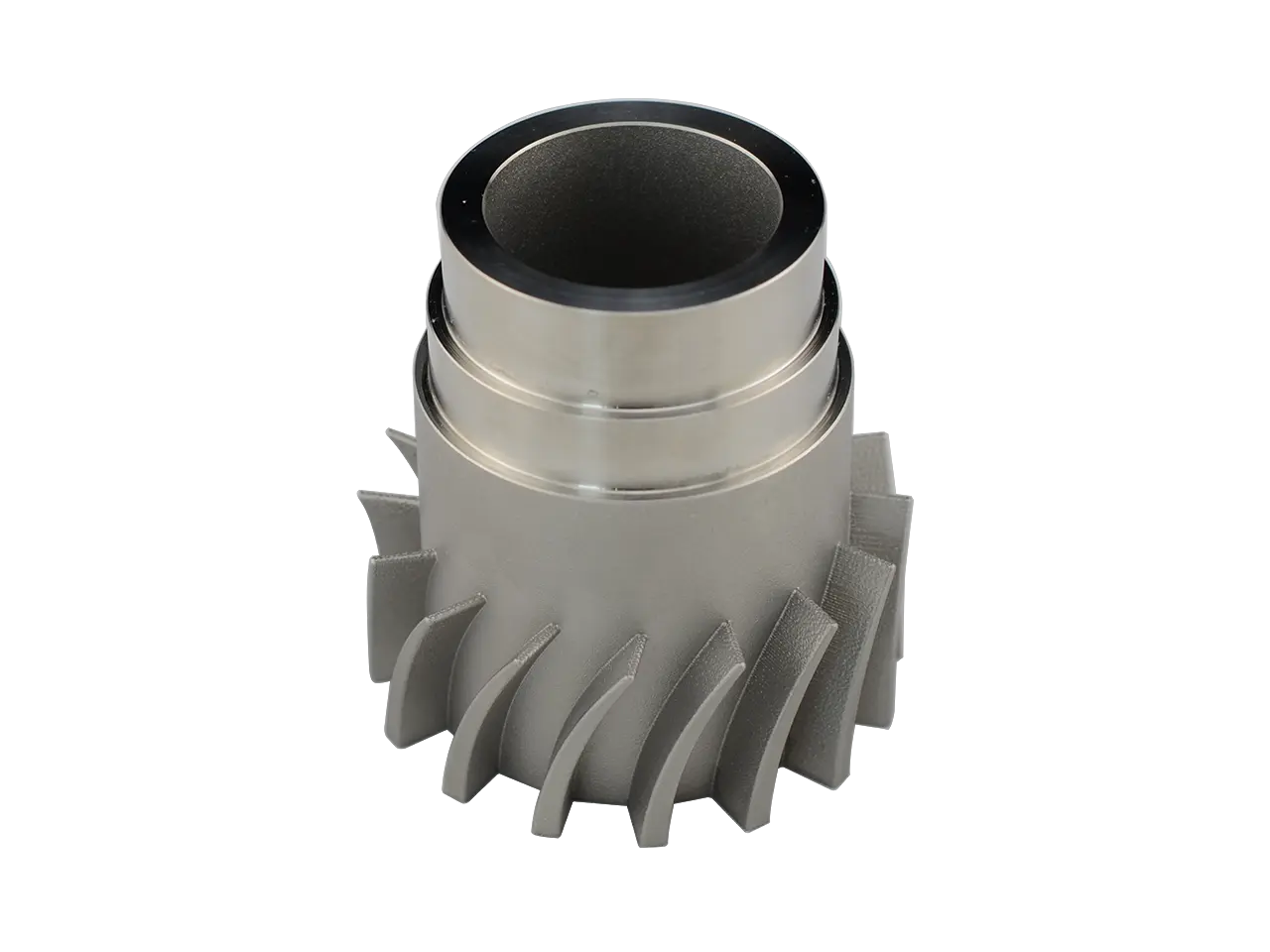
While eco-coffins mainly prioritize organic materials, advanced manufacturers prefer huge light Expanding their metal 3D printing expertise to support wider sustainability initiatives. Specialize in Selective laser melting (SLM) technologythey show how precision engineering can enhance ecological solutions:
- Materials research and development: In addition to metals, GreatLight’s expertise in materials behavior facilitates the development of biocomposites with enhanced strength-degradation balance.
- Coffin Hardware Prototyping: Their SLM printers use titanium or recyclable alloys to create corrosion-resistant, biodegradable-compatible hardware (hinges, nameplates).
- Supply chain optimization: as a One-stop rapid prototyping service providerGreatLight streamlines design iterations of eco-coffins, ensuring functional validation before scaling up biodegradable production.
illustration
Collaboration between funeral homes and tech companies leads to breakthrough like this in Lithuania "Mondi Capsules" Pods, made from 3D printed mycelium molds. Likewise, GreatLight’s SLM capabilities enable complex scaffold designs for growing coffins from organic matrices, blending biodesign with precision engineering.
Challenges and Vision
Regulatory barriers exist: compostability certification (e.g., OK biodegradable soil) and cultural acceptance require advocacy. But momentum is still growing: the European green burial market is expected to grow at a compound annual growth rate of 8.8% by 2030. Future development trajectories include:
- Hybrid composite embedded sensors monitor soil restoration.
- Solar-powered mobile printer boosts rural transportation.
- The digital memorial links the QR code on the coffin with interactive tributes.
in conclusion
The 3D printed ecological coffin represents not only technological ingenuity but also a profound shift in reconciling mortality with stewardship of the planet. By combining personalized dignity with ecological regeneration, this innovation pays homage to the deceased and the earth they left behind. Companies like GreatLight exemplify how industrial expertise can foster meaningful sustainability, proving that technology can nourish life even as we say goodbye.
FAQ
Q1: What environmentally friendly materials are used for 3D printed coffins?
A: These coffins are made from biodegradable materials such as corn-based PLA, mushroom mycelium, algae composites or recycled cellulose. They will naturally decompose within 2 to 5 years, unlike traditional caskets which can be kept for decades.
Q2: How long does it take to print a coffin?
A: Production time ranges from 10-48 hours depending on design complexity and printer size. Large-format printers optimize speed, while batch printing reduces latency.
Q3: Can I customize an eco-coffin according to religious or personal preferences?
Answer: Of course. Digital design allows for custom shapes, engravings, symbols or colors. Homes can be embedded with textures that resemble natural elements, such as wood grain, stone, or vines.
Q4: Is the 3D printed coffin structurally sturdy?
Answer: Yes. Biocomposites are rigorously tested for load-bearing capacity and moisture resistance. Some have integrated lattice structures inside for reinforcement without sacrificing biodegradability.
Q5: Do companies like Honghui directly print ecological coffins?
A: While GreatLight specializes in metal prototyping for industrial applications, their expertise accelerates the development of ecological coffins—optimized manufacturing tools, biocomposite molds, or corrosion-resistant hardware.
Q6: How does the cost compare with traditional coffins?
A: Due to automated production and minimization of waste, the cost of 3D versions is usually reduced by 20-30%. Basic models start at about $500, while advanced custom designs can run up to $2,500.
Question 7: How to ensure the compliance of green burial?
A: Verify local cemetery requirements (e.g., biodegradable certification) and choose a provider that meets standards such as ISO 13432. Advocacy groups such as the Green Burial Council provide regional guidance.


