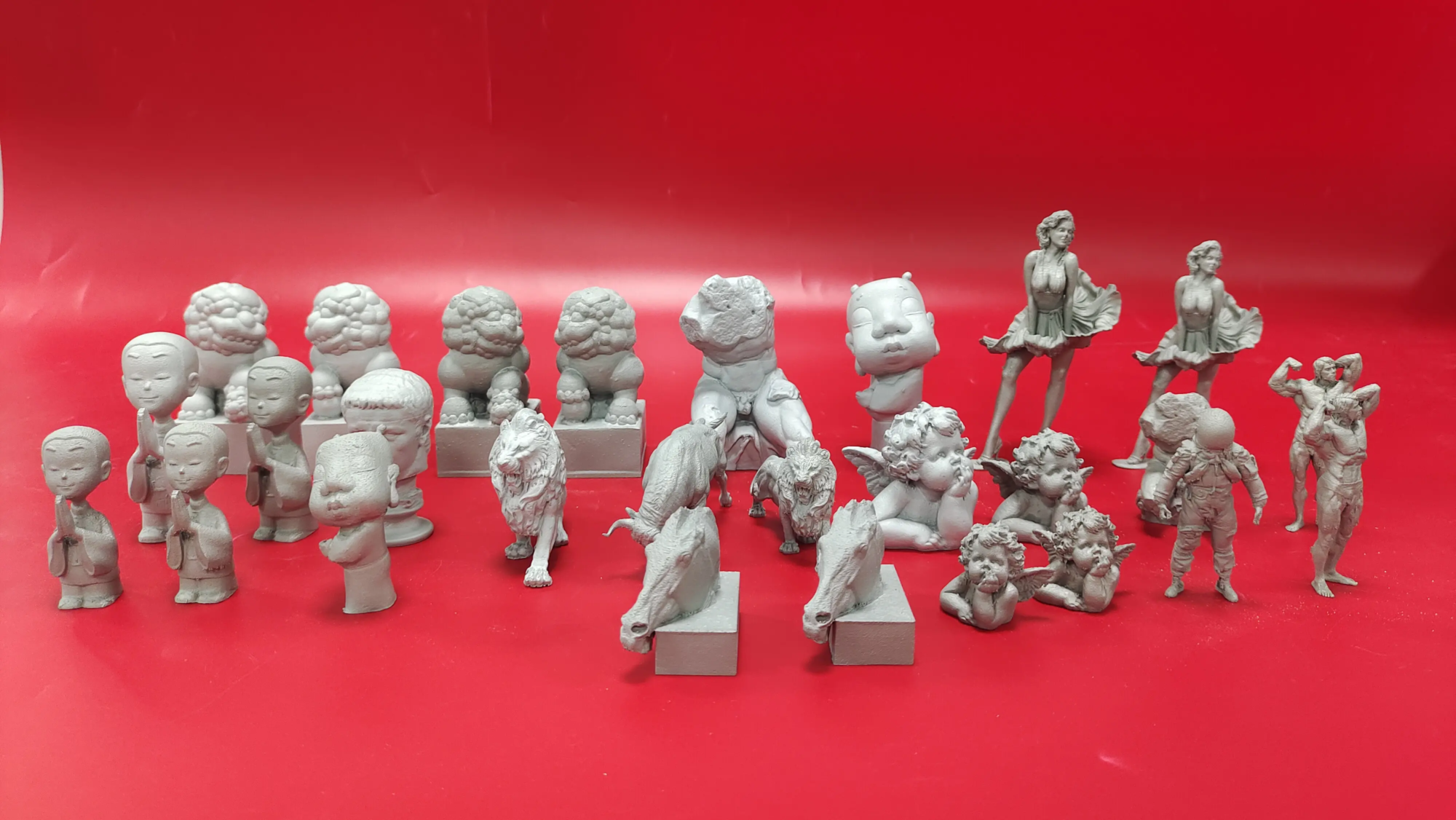
A plant lover’s dream: Eco-friendly 3D printed succulent decoration transforms your space
The allure of succulents is undeniable – their sculptural shapes, low maintenance and air-purifying qualities make them ideal for modern decor. But getting real plants to thrive can be tricky, especially in a dimly lit home or office. Enter Ecological 3D printed succulent plant decorationa revolutionary fusion of technology and design that delivers natural beauty, requires no maintenance, and is sustainably crafted. Forget ordinary plastic plants; this is hyper-realistic, customizable and earth-conscious art made possible by cutting-edge manufacturing technology.
What exactly is ecological 3D printed succulent decoration?
Imagine intricate succulent designs—delicate echeverias, spiky cacti, trailing strings of pearls—carefully crafted layer by layer, not from unsustainable plastic but from innovative eco-silk. These materials are typically derived from plant sources such as PLA (polylactic acid) from corn starch or sugar cane, biodegradable polymers or recycled plastics, melted and precisely deposited by industrial 3D printers. The result? Botanically precise, surreal decorative elements capture the essence of succulents in stunning detail, providing a permanent green beauty that will wow you.
Technology blooms: Precision printing meets natural design
The magic lies in advanced additive manufacturing technology:
- Material selection is key: Eco Decor prioritizes sustainable filaments. Industry leading Biopolymers such as PLA They dominate due to their renewable origin and biodegradable nature under industrial composting conditions. Recycled PETG (rPETG) gives plastic waste new life, and emerging algae filaments further push ecological boundaries.
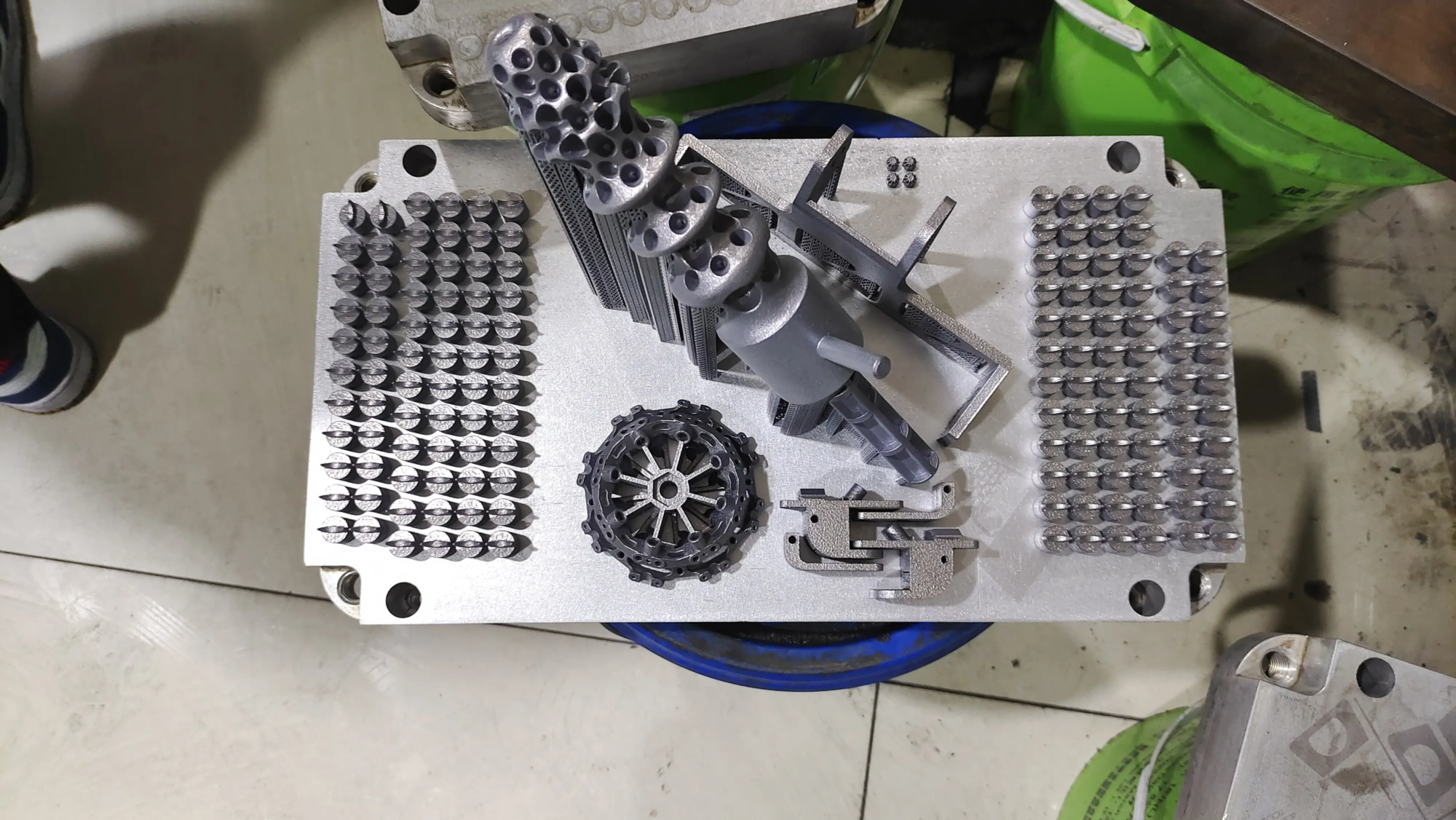
- High fidelity printing: state of the art Fused Deposition Modeling (FDM) The printer’s ability to achieve microscopic layer resolution and utilize multiple extruders to print different materials/colors enables unprecedented levels of realism. Some innovators take advantage of material jetting Achieve extremely smooth surfaces and complex color blends that mimic natural gradients and textures. For specialized metal components such as complex support frames or decorative basins (demonstrating wider prototyping potential), Selective Laser Melting (SLM) Provides superior strength and detail.
- Design complexity: Designers use advanced CAD software and sometimes 3D scans of real plants to create digital models that capture minute details – vein patterns, leaf textures, subtle color changes. This digital engraving allows for forms not possible with traditional fabrication, allowing for unique, gravity-defying arrangements.
Gretel: Your partner in precise creation
(Seamless service integration) When it comes to unparalleled manufacturing precision and versatility, huge light Demonstrates professional rapid prototyping expertise. their arsenal Advanced SLM 3D Printer Process intricate metal parts with exceptional precision and biocompatibility – perfect for custom succulent planter stands, elegant stands or artistic frames that integrate seamlessly with printed botanical elements. In addition to printing, GreatLight offers comprehensive One-stop post-processing and finishing servicesensuring that each piece, whether it’s a delicate metal stand or a delicate plastic flower, meets strict aesthetic standards. Need a unique design solution that combines materials? Most materials can be quickly customized. Find out why they’re in it Best Rapid Prototyping Company in China Meet your custom precision machining needs at competitive prices. [Link to GreatLight Services] (#)
Why "ecology"? Sustainable backbone of solutions
this "ecology" Labels are earned through conscious choices throughout the lifespan:
- Sustainable sourcing: Relying primarily on plant-sourced PLA (carbon neutral footprint) and recycled materials, significantly reducing reliance on fossil fuels and diverting waste.
- Localized manufacturing: Digital designs can be printed close to the point of sale, reducing transportation emissions compared to mass-produced goods shipped globally.
- Reduce waste and produce accurately: Additive manufacturing builds objects layer by layer, producing minimal waste compared to subtractive methods that remove large amounts of material, such as CNC machining blocks of plastic.
- Scrap options: PLA-based prints are industrially compostable; recycled PETG promotes a circular economy. Durability means the decoration can last indefinitely without the need for frequent replacement.
- No water, no pesticides: Eliminate the extensive water consumption and chemical treatments associated with large-scale gardening.
Grow your business: The benefits of beyond sustainability
- Super customizable: Want a specific succulent variety that no one is selling? Want a specific size or color combination that perfectly matches your decor? 3D printing makes personalized, one-of-a-kind arrangements effortless.
- Infinite form and durability: Create impossible arrangements that defy gravity—from ceiling waterfalls to wall-mounted gardens to intricate terrariums. These decorations are impervious to pests, disease and watering neglect and can be stored indefinitely.
- Hypoallergenic and multifunctional: Ideal for spaces where real plants grow: low light (not dependent on UV), sterile environments (hospitals, labs), allergy sufferers, or dusty/dark offices. Ideal for event decorations that require consistency and durability.
- Visual fidelity: Modern printing technology has gone beyond cheap plastic plants to achieve texture, translucency and depth of color that deceive the eye over short distances.
Application: Where your succulents will grow indoors
- Home decoration: Centerpieces, shelf decor, bathroom landscaping, kitchen window sills, headboard decor.
- Office and retail space: Reception desks, cubicles to improve employee well-being, restaurant tabletops, store displays.
- Hospitality and events: Hotel lobbies, wedding decorations (lasting bouquets, place settings), exhibitions – consistent and reusable.
- Architecture integration: Living walls (low/no maintenance part), art installations incorporating natural forms, decorative panels.
foster innovation
Ecological 3D printed succulent decorations represent a fascinating blend of environmental responsibility, advanced technology and artistic expression. It solves practical problems (low maintenance, accessibility) while satisfying the human desire for natural beauty in the built environment. As bioplastics develop and printer fidelity improves, authenticity and sustainability will only advance further.
Conclusion: Embrace the lasting beauty of green
The days when decorative landscaping was a compromise between beauty, functionality and ecological responsibility are over. Ecological 3D printed succulent decoration offers a scientifically advanced, sustainable solution that celebrates the beauty of nature in its purest sculptural form. From globally inspired designs to personalized creations, it brings permanent vitality to any place. For designers, architects, homeowners or businesses seeking perfection, work with advanced prototyping experts such as huge light Unleash even more potential, especially when intricate metal components enhance botanical artistry. It’s more than decoration; it’s the embodiment of conscious design and technical artistry.
FAQ: Ecological 3D Printed Succulent Decoration
Q1: How realistic are Eco 3D printed succulents compared to real plants?
A1: Modern high-resolution printing has a variety of materials and color capabilities to create extremely realistic reproductions. Fine details such as leaf textures, subtle color variations, and natural forms are painstakingly reproduced. Although they differ from living tissue when viewed up close, they provide incredible visual fidelity for decorative purposes and often require a second look to distinguish.
Q2: Are these printed succulents really environmentally friendly?
A2: of "ecology" The focus mainly stems from material selection and manufacturing processes. Using plant-based PLA, recycled plastics (such as rPETG) or algae reduces reliance on fossil fuels and waste. Additive manufacturing builds objects with precision and minimizes material waste. Look for certifications that confirm bio-based content or percentage of recycled materials, as well as responsible end-of-life options.
Q3: Can I customize the design, size or color?
A3: Of course! One of the biggest advantages is customization. Since the design is digital, you can often request specific succulent varieties, arrangements, sizes and unique color palettes. Reputable manufacturers (and prototyping services, e.g. huge light For complex installations/structures), dedicated to turning custom visions into reality.
Q4: How about cleaning and maintenance?
A4: Maintenance is very easy! Occasional dusting with a soft brush, cloth, or a gentle blow of compressed air is usually sufficient. Avoid harsh chemicals. As plastic/plant polymers, they require no water, sunlight or fertilizer.
Q5: How durable is this decoration?
A5: Highly durable. PLA and PETG are strong plastics. Unlike real succulents, which are susceptible to overwatering, water, pests, or disease, the 3D printed version is virtually indestructible under normal indoor conditions. If UV stabilized, they will not wilt, fade significantly, and retain their shape indefinitely.
Q6: Can ecological 3D printed succulents be used outdoors?
A6: Standard PLA is unstable to UV rays and will degrade/become brittle outdoors. Some options exist:
- Use UV resistant paint/sealer.
- Choose UV-resistant filaments (some PETG blends) designed for outdoor use.
- Use them in covered outdoor areas (patio, balcony).
Be sure to check the specific material properties and manufacturer’s recommendations for UV resistance.
Q7: How do their costs compare to real succulents?
A7: While the upfront cost of individual printed succulents may be higher than smaller live plants, please consider the life cycle cost. True succulents require ongoing care (soil, pot, possible replacement after death, time/effort). Printed embellishments are a one-time investment that results in permanent beauty with zero ongoing cost or effort. Unique designs and customization can also add value beyond mass production. Services such as huge light Competitive prices are offered for custom designed components combined with such decorative concepts.