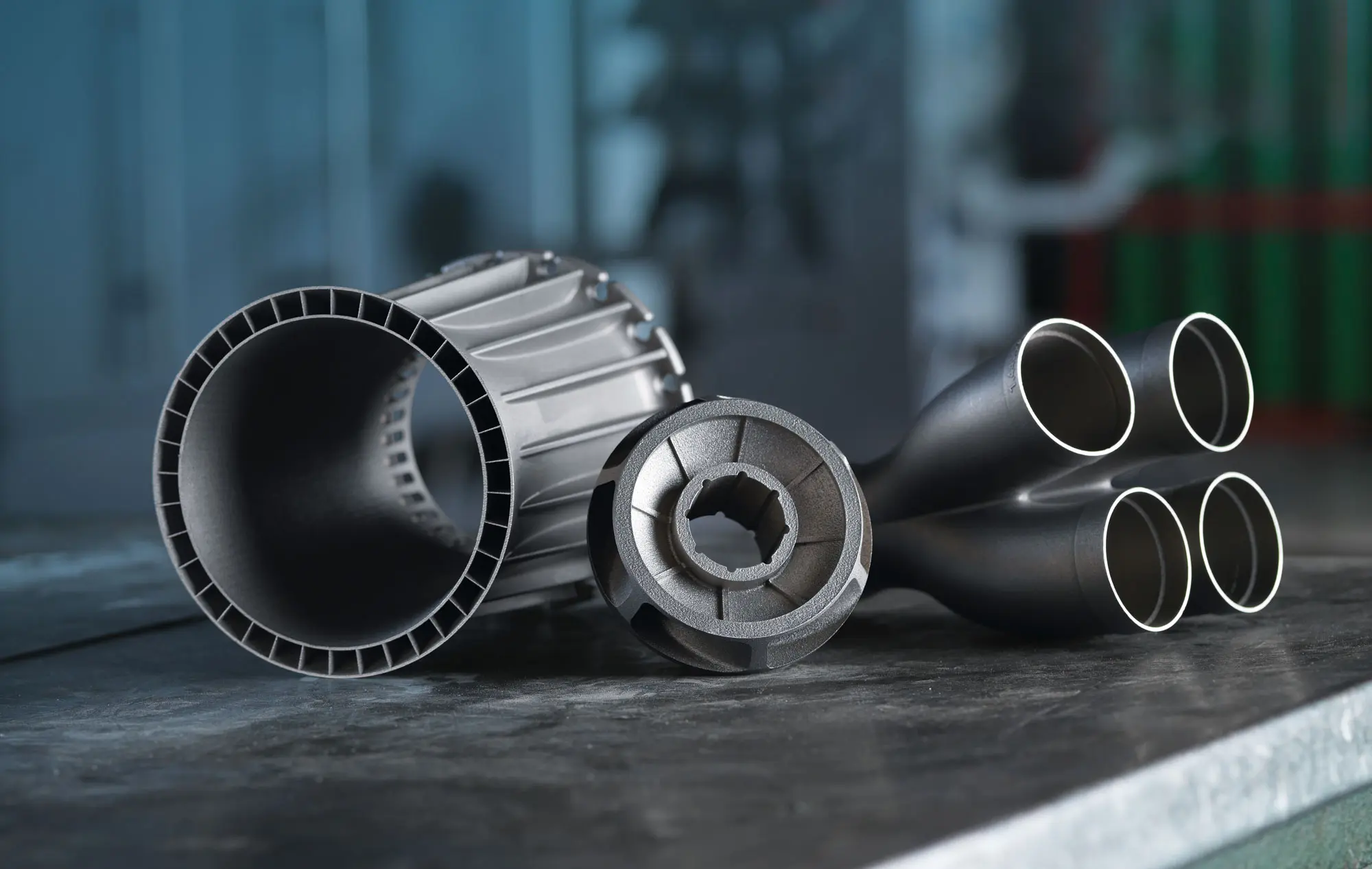
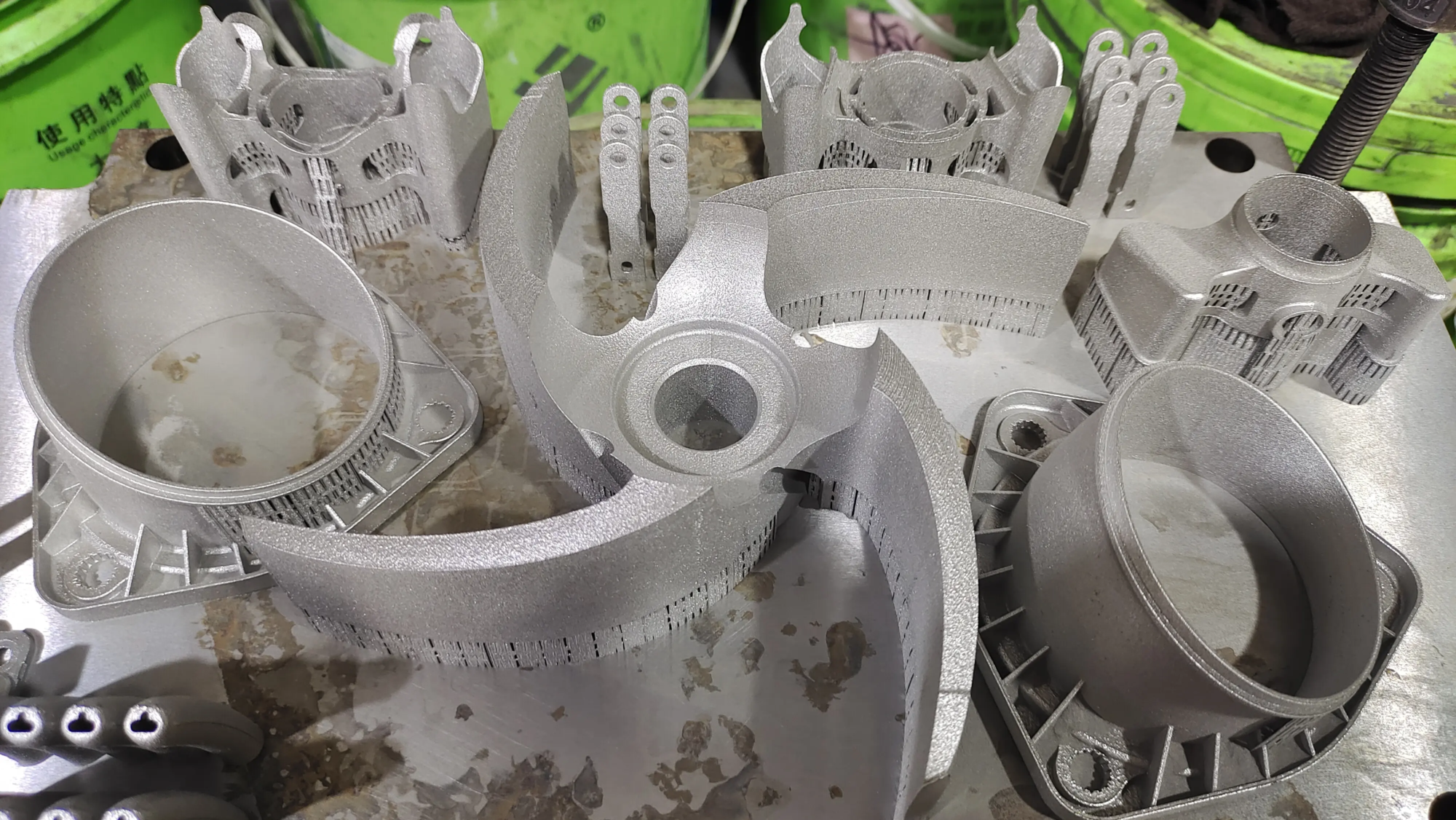
The world of 3D printing is touted as a revolutionary technology that can change the way we design, produce and consume products. 3D printing is known as a sustainable and environmentally friendly technology, which can create complex structures and objects with minimal waste of material. But, like any technology, there are two aspects of coins. In this article, we will delve into the ecological charges of 3D printing and explore the environmental impact of the technology.
On the one hand, 3D printing has the potential to reduce waste and promote sustainability in various industries. Traditional manufacturing methods usually involve subtractive manufacturing, where raw materials are cut into and shaped to create products, resulting in large amounts of material waste. In contrast, 3D printing is made using additives, where products are produced layer by layer, reducing material waste and minimizing the environmental impact of production. Additionally, 3D printing can help reduce the carbon footprint of transportation, as products can be printed on demand, thus reducing the need for transportation and storage.
On the other hand, 3D printed Eco-Toll is not ignored. The production of 3D printers and their components, such as metals and plastics, requires a lot of energy and resources. The extraction and treatment of these materials can have devastating environmental and social impacts, including deforestation, pollution and labor exploitation. In addition, the 3D printing process itself can generate a large amount of waste, including non-biodegradable plastics and toxic chemicals.
Another important environmental protection in 3D printing is the issue of life disposal. As 3D printing products reach the end of their life cycle, they can become an important source of electronic waste (e-waste). Disposal of e-waste is a major environmental problem because it contaminates soil, water and air and harms human health. The lack of effective recycling and disposal systems for 3D printed products exacerbates this problem, highlighting the need for sustainable termination solutions.
In short, although 3D printing has the potential to promote sustainability and reduce waste, its ecological charges cannot be ignored. The production of 3D printers and their components, waste generation during printing, and life disposal issues have had an impact on the environment of this technology. As the 3D printing industry continues to grow, sustainable practices and technologies must be developed to minimize waste, reduce energy consumption and promote responsible disposal and recycling. By acknowledging the eco-charge of 3D printing and working on sustainable solutions, we can leverage the potential of this technology to create a more environmentally friendly future.
FAQ
Q: Is 3D printing sustainable technology?
A: Although 3D printing has the potential to promote sustainability, its ecological charges cannot be ignored. The production of 3D printers and their components, waste generation during printing, and life disposal issues have had an impact on the environment of this technology.
Q: What is the environmental impact of 3D printing?
A: The environmental impacts of 3D printing include the generation of electronic waste, the production of non-biodegradable plastics and toxic chemicals, and the extraction and processing of raw materials, which can lead to deforestation, pollution and labor exploitation.
Q: How to minimize the ecological charges for 3D printing?
A: Eco-charges for 3D printing can be minimized by developing sustainable practices and technologies such as the use of recycled materials, reducing energy consumption, and promoting responsible disposal and recycling. Furthermore, the continuous circulation of closed-loop systems back to production can help reduce waste and promote sustainability.
Q: What role do manufacturers have in reducing the ecological charges for 3D printing?
A: Manufacturers reduce eco-charges for 3D printing by developing sustainable products and practices such as the use of environmentally friendly materials, reducing energy consumption and promoting responsible disposal and recycling. Companies like professional rapid prototyping manufacturer Greatlight are working on sustainable solutions by providing one-stop post-processing and completion services, and using advanced SLM 3D printer equipment and production technology.