The future of deliciousness: Exploring edible filament 3D printers – Taste technology takes off
Remember the novelty of 3D printed plastic trinkets? What if you could print desserts, intricate candies, personalized nutrition bars, or intricate decorations? Welcome to the fascinating world of edible filament printing – an emerging niche in additive manufacturing that combines the culinary arts with cutting-edge technology. often called "Taste technology," This innovation promises to revolutionize the way we create, customize and consume food.
While mainstream 3D printing focuses on plastics, metals and resins, edible filament printers operate on the same basic principle: building an object layer by layer from a digital file. What’s the key difference? Every drop or wisp of material deposited is safe and often delicious. This transforms the printer from an item maker into a personal chef, pastry artist or nutritional engineer.
How does it work? Printed food recipes:
Think of an edible filament printer as a dedicated extruder:
- Digital design: It starts with a CAD model or specialized 3D food model, which is designed just like any other 3D printed object. Think sculptural chocolate display pieces, plaid cookies or nutrient-dense designs optimized for specific dietary needs.
- edible "ink" (filament): Instead of using plastic, the printer uses edible materials made into pastes, gels, doughs or specially processed filaments. Common materials include:
- chocolate: Fill the tempered chocolate into a syringe or as a printable paste.
- Sugarpaste/Icing: Great for intricate decorations and shapes.
- Fruit and vegetable purees: Papaya, pear, berry purees can be stabilized for layer deposition.
- Dough: For printing custom pasta shapes, cookies or cookie bases.
- Protein/Meat of the Future: Emerging research focuses on printing scaffolds for cultured meat or textured protein paste.
- Cheese and fudge: Used for decorative elements and textures.
- Precision extrusion: The printer head heats (or cools, depending on the material) the edible "filament" Precisely achieve the correct temperature and consistency for smooth extrusion. Like a pastry bag with robotic precision, it deposits droplets or continuous lines onto a build plate.
- Assemble layer by layer: The printer carefully builds the designed object one layer at a time. Cooling systems (such as chocolate fans) or heating elements can be integrated to properly cure the layers. Post-processing for some creations may involve baking or freezing.
Taste Possibilities: Applications of Taste Technology:
Potential applications go far beyond novelty:
- Gastronomy and pastry arts: Create previously impossible geometric shapes for chocolates, cakes and centerpieces. Instantly personalize your dessert with a name or intricate design. Top chefs experiment with layers of flavor and unique textures.
- Personalized Nutrition and Health Care: Print meals customized to specific calorie needs, macronutrient ratios, or micronutrient fortification (such as extra iron or vitamin D). Designed with an easy-to-swallow texture for patients with dysphagia.
- Space Exploration and Emergency Rations: Produce nutritious, shelf-stable foods in confined environments or resource-scarce areas using minimal ingredients and compact printers.
- Sustainable food production: Optimize ingredient usage and minimize waste by printing precisely shaped parts. Effectively utilize alternative protein sources or upcycle food materials.
- Mass customization: For confectionery manufacturers or bakeries, personalized shapes, texts or designs are available on request.
- Education and entertainment: Let kids and adults learn about food science and technology while creating edible art.
Beat the Odds: Challenges on the Menu
Taste technology is not without its hurdles:
- Material complexity: Food materials behave very differently than plastics. Controlling viscosity, temperature sensitivity (melting/crystallization), moisture migration, and shelf life present significant engineering challenges. Achieving texture and flavor comparable to conventionally prepared foods is an ongoing endeavor.
- Food safety and hygiene: Maintaining strict hygiene standards within the printer mechanism to prevent contamination is critical, which complicates printhead design and cleaning protocols.
- Speed and scalability: Currently, in many applications, layer-by-layer printing of edible items is slower than traditional food preparation methods, limiting high-volume production.
- Ingredient range: While expanding, the palette of printable ingredients remains narrower than a kitchen pantry. Complex multi-material prints that seamlessly combine crunchy, soft, sweet, salty flavors are tricky.
- cost: Edible printers and specialized ingredients remain a significant investment and are currently aimed primarily at professional kitchens and research labs.
Future Flavor Profiles
Despite the challenges, investment and innovation in taste technology is accelerating. We anticipate rapid progress:
- Extended materials: Develop more stable, printable purees, gels, doughs, proteins and "Metamaterials" Mimic complex textures.
- Multi-material and multi-color printing: The printer uses multiple nozzles to build structures with different flavors, textures and colors in a single item.
- Smarter printing: Integrate with food scanners and artificial intelligence to analyze the nutritional content of basic ingredients and customize printing on the fly.
- Improve speed and accessibility: Advances have led to faster printers and lower costs, making the technology accessible to restaurants, cafes and even homes.
- Biomedical applications: Printed scaffolds for tissue engineering (cultured meat) or personalized medical foods.
Conclusion: From novelty to necessity?
Edible filament printing is more than just a culinary gimmick; it represents a paradigm shift in food design, customization and production. While tackling significant materials science and engineering challenges, Taste Technologies delivers compelling solutions for personalized health, creative gastronomy, sustainable food systems, and situations requiring novel food preparation methods. As materials evolve, printers become more sophisticated and costs drop, we are getting closer to the future "print dinner" become reality. The journey from filament to fork is ongoing, reshaping our relationship with food one layer at a time.
FAQ: Edible Filament Printers and Flavor Technology
Q: Can I buy one? "food printer" My kitchen?
A: While consumer-grade models are primarily used for decorating cakes and cookies (e.g., extruding frosting), affordable and versatile printers capable of complex baking or meal printing are not yet widely available. The most powerful systems today are commercial or industrial systems.
Q: Does the printed food really taste good?
A: This depends heavily on the material and printing parameters. Chocolate and sugar paste usually print well and taste great. Purees can be tricky and sometimes require additives to maintain stability, which may slightly alter the flavor or texture compared to fresh purees. With research and development, the taste continues to improve.
Q: Is 3D printed food safe?
A: Safety is the primary concern. Reputable printers designed specifically for food use feature food-grade materials and designs that are thoroughly cleanable. Health protocols must be strictly followed. Always make sure the ink/filament used is NSF/FDA approved for use.
Q: How long can printed food be stored?
A: Shelf life depends entirely on the ingredients. Printed chocolate lasts just as long as molded chocolate. Purees or doughs require careful consideration due to moisture migration – they may need to be refrigerated or eaten immediately. Research is improving lifespan.
Q: What types of textures can be achieved?
A: Current technology excels at softer textures (icings, gels), harder textures (tempered chocolate), and the crispy texture of printed dough that is baked after printing. Achieving a truly integrated texture, like a juicy, gristly steak, remains an important frontier.
Q: Can the printer also cook food?
A: Some systems have integrated heating elements (such as infrared) for baking printed dough on site. Others require post-processing, such as baking printed cookie dough in a conventional oven. Actually printing and cooking complex multi-ingredient meals on a single machine remains a complex challenge.
Want to push the boundaries?
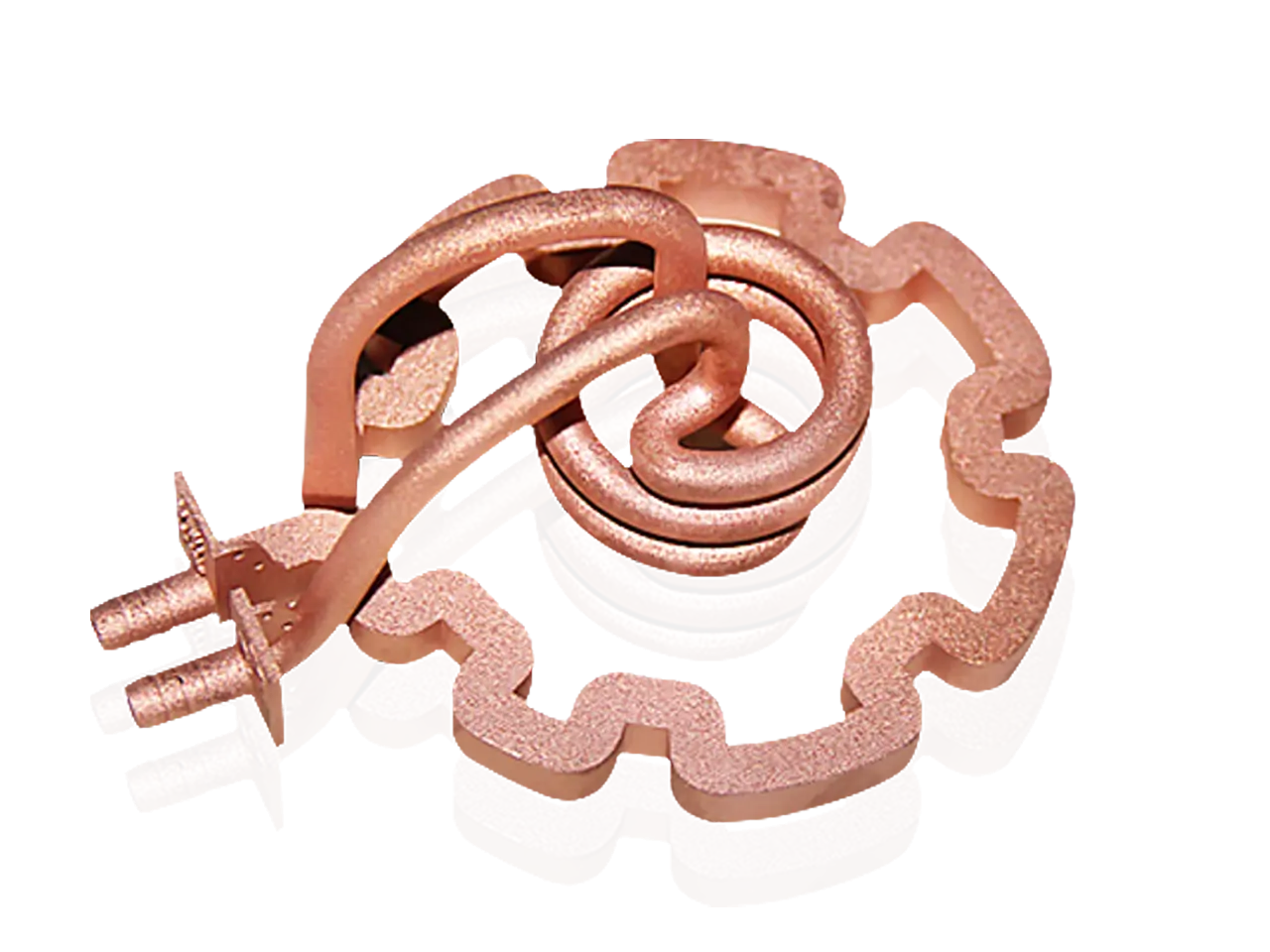
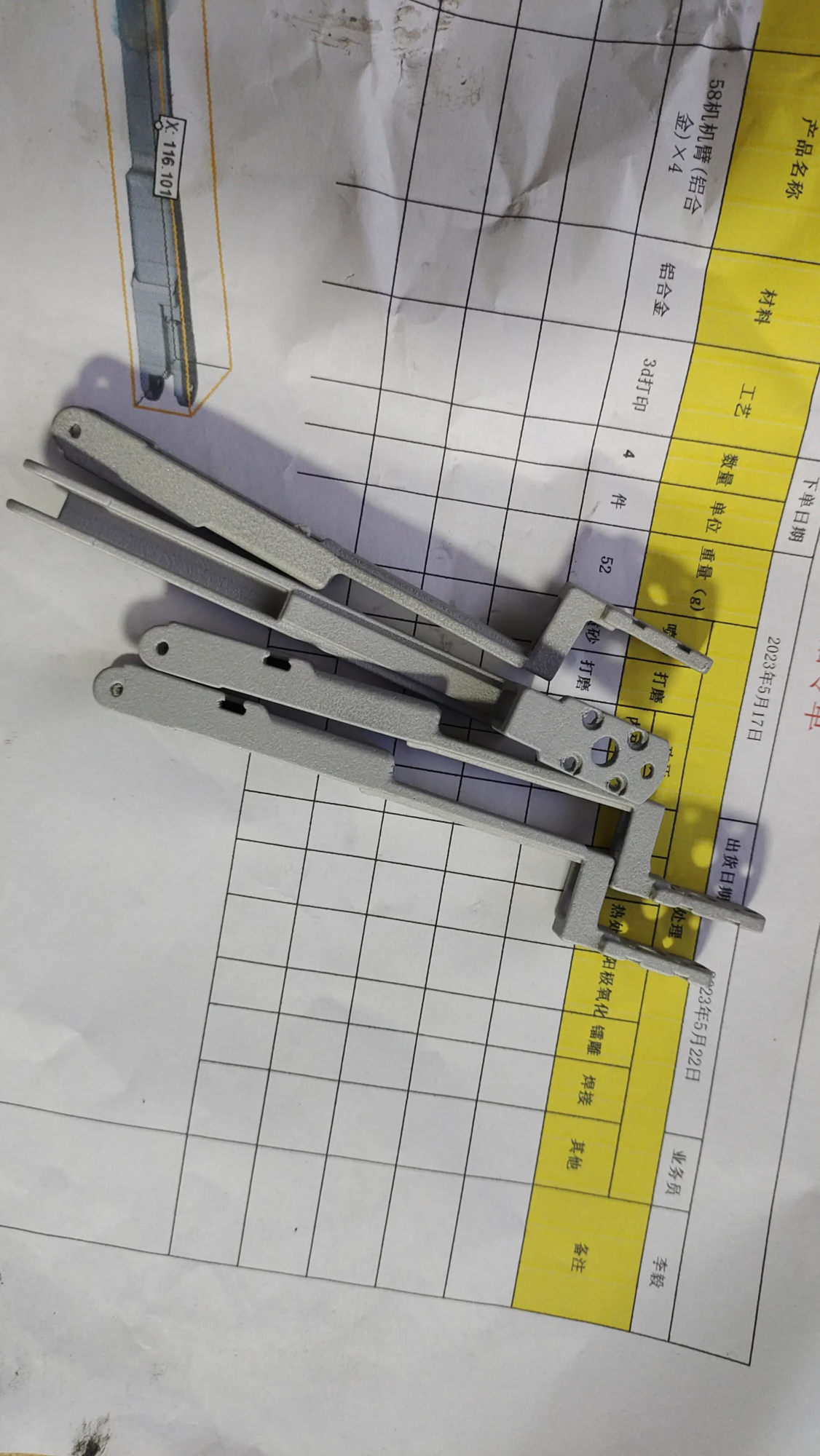
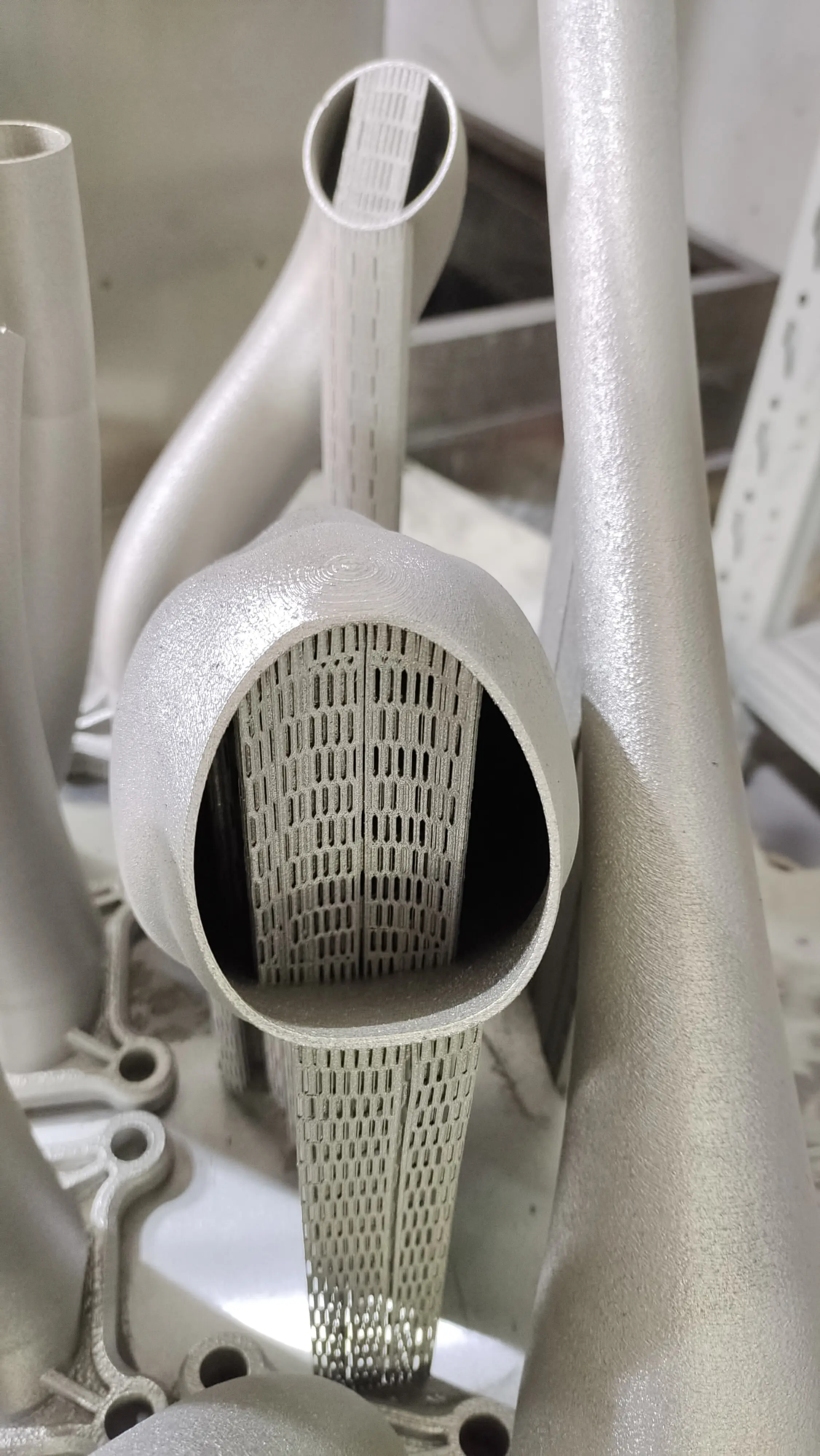
While edible filament printers shape the future of food, huge light In the broader field of 3D printing technology, we have always been at the forefront of precision prototyping and manufacturing. Our expertise leverages advanced Selective Laser Melting (SLM), SLS and multi-jet fusion technologies to rapidly produce strong, high-precision metal and high-performance polymer parts. We provide valuable support in prototyping and manufacturing rugged enclosures, complex assemblies, heat exchangers and custom mechanisms – potentially including the parts necessary to develop the next generation of professional Taste Tech printers themselves.
Whether you are innovating in culinary technology, aerospace, medical devices or consumer products, GreatLight offers comprehensive rapid prototyping solutions and one-stop finishing services. Explore custom manufacturing solutions today and see how we can accelerate your R&D journey: [Link to GreatLight Prototyping Services]