Introduction: ESP32 protection requirements
The ESP32 microcontroller has become the cornerstone of IoT projects, DIY electronics and industrial applications, with its versatility, Wi-Fi/Bluetooth capabilities and affordability. However, protecting this hardware from physical damage, dust, electromagnetic interference (EMI) and overheating is critical to life and reliability. 3D printing provides an accessible, cost-effective solution for creating custom ESP32 cases for unique project needs – from hobby prototypes to industrial deployments.
Why 3D Print Your ESP32 Case?
- Customization and iteration:
Design cases with precise cutouts with I/O ports, antenna positioning, mounting holes, cooling vents or embedded radiator. Unlike off-the-shelf shells, 3D printing supports rapid prototyping: test the design in hours, iterate based on feedback, and finalize without expensive tools. - Cost-efficiency:
For low volume production (1-100 vehicles), 3D printing avoids injection molding setup fees. The material cost of thermoplastics such as PLA or PETG is very small. - Material flexibility:
Use daily plastics for basic protection or advanced engineering grade resins and metals for industrial use.
Design Best Practices
Material selection
- PLA: Great for prototyping – susceptible, environmentally friendly, but twisted > 60°C.
- Petg:Balanced durability, heat resistance (80°C) and chemical elasticity; perfect for functional construction.
- ABS/ASA: Suitable for high temperature settings (e.g., automotive deployment), but requires heating.
- Metal (aluminum/stainless steel): EMI shielding, extreme thermal resistance and robustness for industrial use through selective laser melting (SLM).
Functional design skills
- Tolerance edge: Leave a 0.2-0.5mm gap between the housing and the ESP32 board for smooth assembly.
- Cooling strategy: Includes ventilation holes, airflow channels or radiator mounts for power-intensive applications.
- Modular: Snapshot or screw receiving assembly designed for battery/service access.
- EMI shielding: Metal box blocking signal interference. For plastic, embedded with conductive layers.
Aesthetics and usability factors
- Textured surface: Matte finish hides the printed layer line.
- Label: Embossed port icon or board direction mark.
- Installation Options: Add DIN rail clips, screw rods or adhesive pads.
3D printing tips for perfect cases
- Calibrate the printer:
Ensure optimised bed, extruder temperature and retraction settings for material consistency. - Direction is important:
Print upright to avoid support on critical surfaces. Horizontal printing reduces warpage, but may require support. - Walls and fills:
Structural integrity was performed using ≥4 perimeter layers and 25–50% filler. Excellent for vibration damping. - Post-processing:
- plastic: Sand > 400 grit, then seal with epoxy Vapor Smoothing (ABS) or seal.
- Metal: Provides support for professional heat treatment, grinding or CNC polishing.
Industrial Case: When to Work with Experts
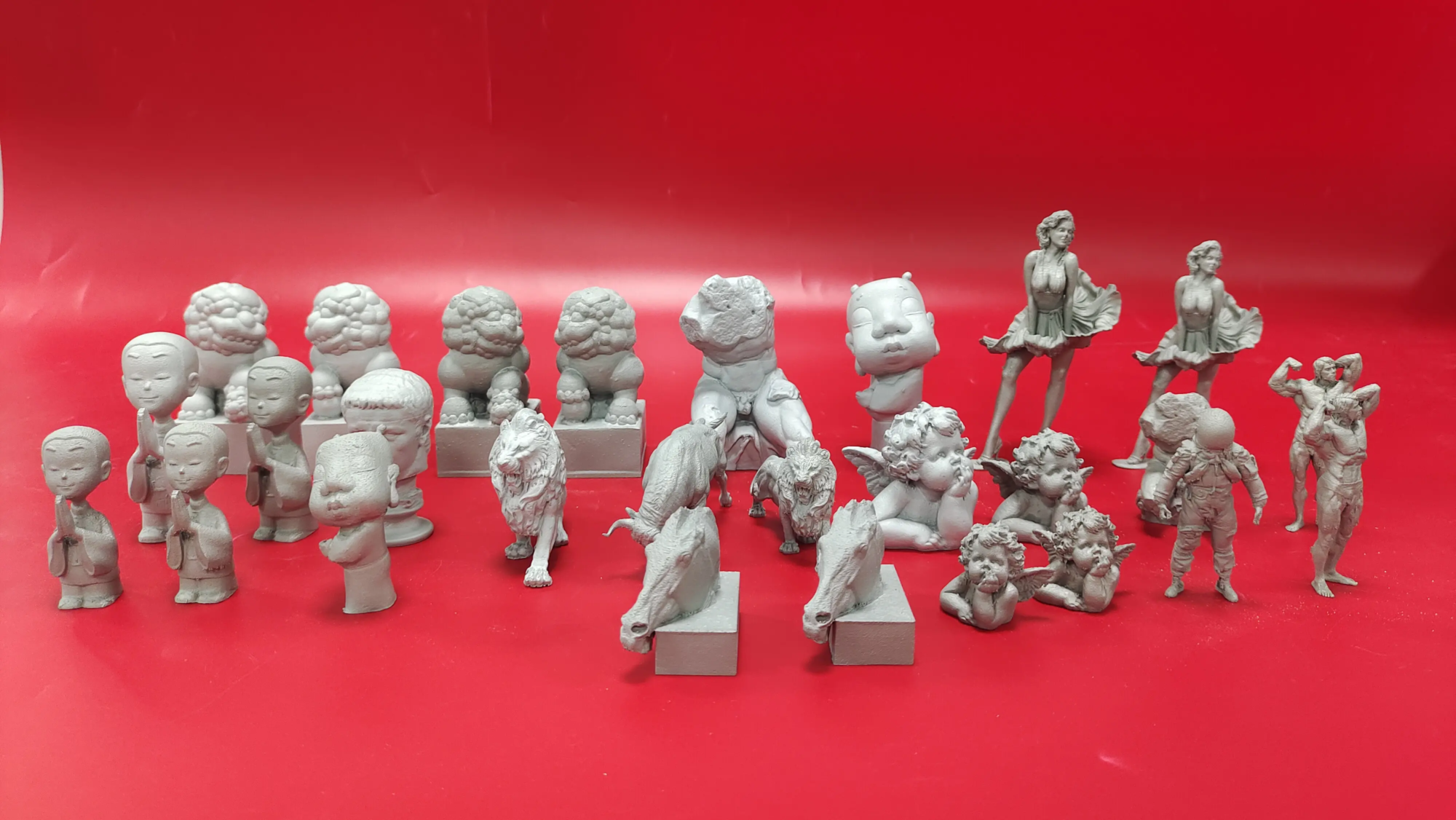
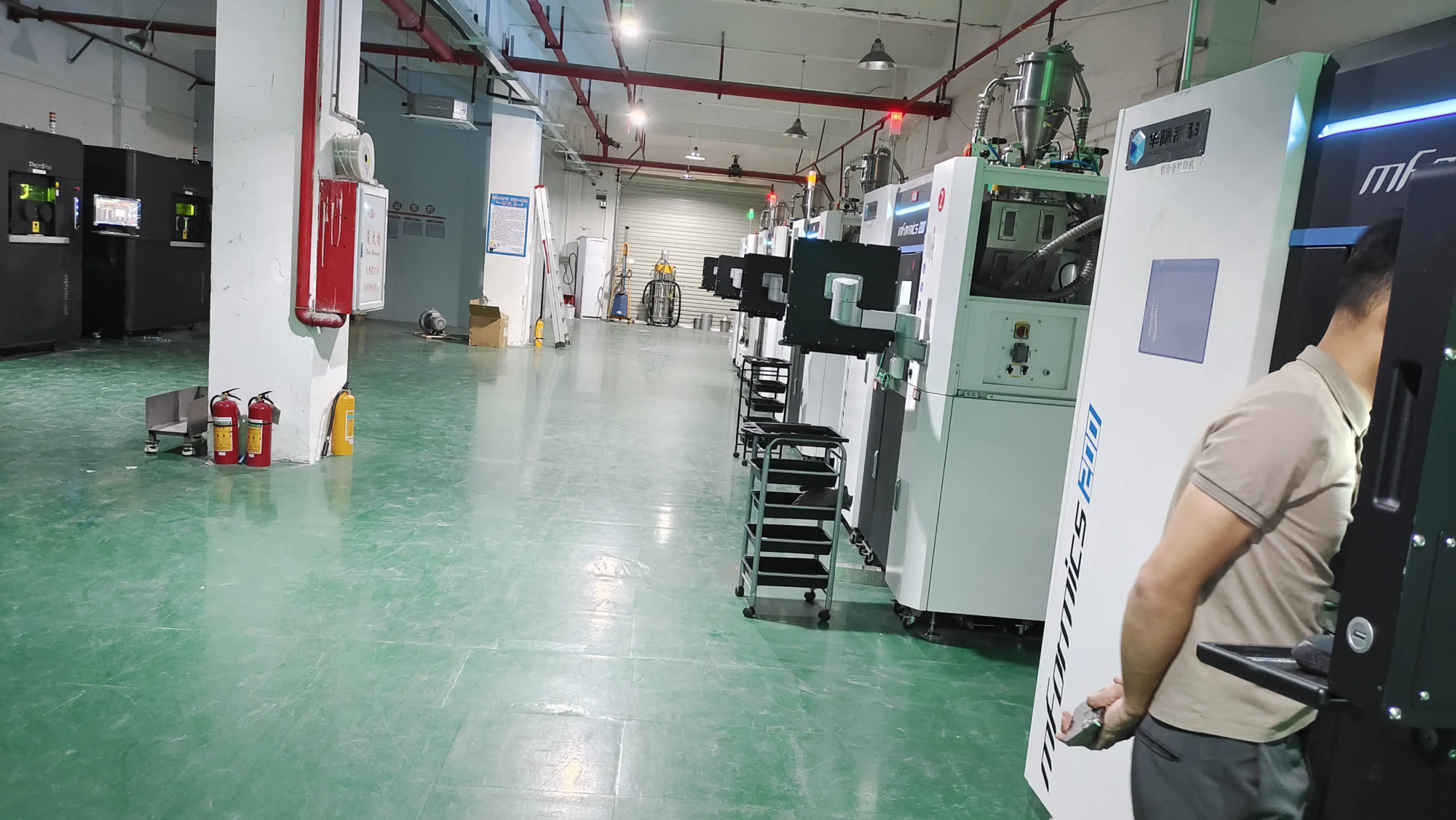
Hobbyist printers can meet basic needs, while professional rapid prototyping services Great Bridge gaps in demanding projects:
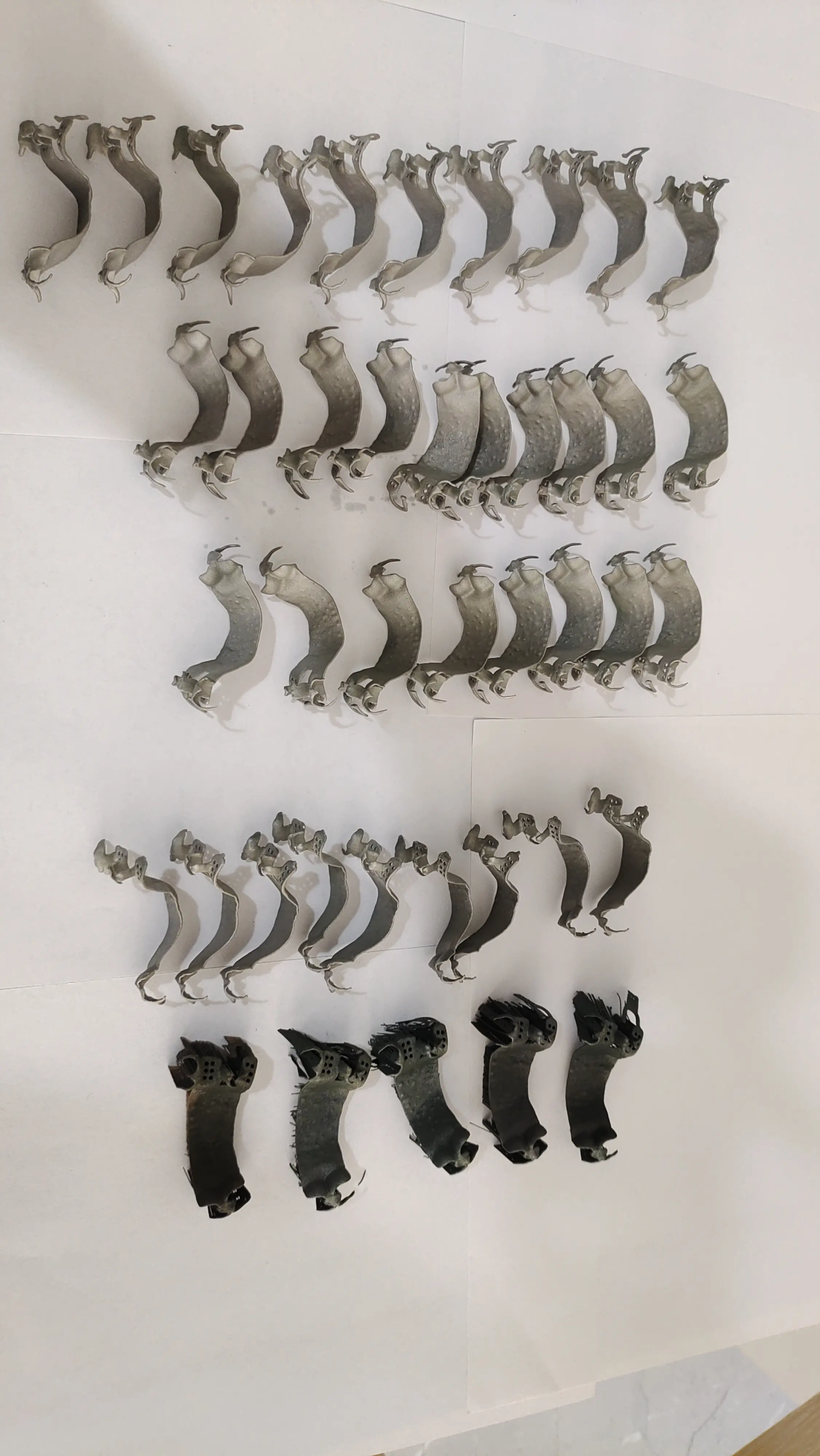
- Metal 3D printing: SLM technology has established cases within 24-72 hours of aluminum, titanium or stainless steel for use in EMI-sensitive environments or extreme conditions.
- Accuracy and proportion: Tight tolerances (±0.1mm) and mass production to maintain consistent quality.
- One-stop organization: From sand blue (plastic) to CNC machining (metal) and IP rated seals.
Case study: A robotics company uses Greatlight’s SLM printed aluminum case to protect the ESP32 controller in high vibration tillage equipment, reducing EMI failure by 70%.
in conclusion
3D printing revolutionizes ESP32 case design, incorporate customization, speed and affordability. Whether you are printing with PETG at home or working with experts from Greatlight of SLM metal housing, prioritize material alignment for environmental and mechanical needs. With the development of the Internet of Things, customized 3D printing cases remain crucial to balancing innovation and reliability.
FAQ
Q: How thick should the ESP32 shell wall be?
Answer: Plastic is 1.5–2.5mm; due to the high strength, the metal shell may be thinner at 1mm.
Q: Can 3D printing cases interfere with Wi-Fi/Bluetooth?
Answer: The impact of PLA/PETG is very small. For metal boxes, place the antenna outside or use the Greatlight’s laser to cut the transparent window.
Q: Which file format is suitable for custom 3D printing cases?
A: Greatlight and most services support .STEP and .STL files, optimized from CAD tools such as Fusion 360.
Q: How to fix the board of directors in a case?
A: Use M2/M3 screws, thermal adhesive or silicone bracket. Avoid direct metal plate contact in metal box.
Q: Is metal 3D printing cost-effective for small batches?
A: Yes. Greatlight’s SLM service eliminates mold costs, making aviation/medical projects feasible by 10-100 units.
Q: Can plastic boxes be used outdoors?
A: Use only UV-stabilized materials (e.g., ASA) and waterproofing effects. For permanent exterior deployments, metal is superior.
Work with professionals: From proof-of-concept plastic to mission-critical metal shells, Great Provides precisely designed ESP32 cases. and SLM 3D printer and integrated post-processingthey ensure fast turnover, material versatility and perfect finishing. Explore custom solutions today →